


Ozempic hair loss refers to the shedding of hair that patients experience while taking the medication due to its effects on weight loss and metabolic changes. Ozempic is prescribed for the treatment of type 2 diabetes, helping to regulate blood sugar levels by stimulating insulin production and inhibiting glucagon secretion. It is used off-label for weight loss due to its ability to suppress appetite and slow digestion. The dual action makes Ozempic effective for managing diabetes and facilitating weight loss in patients with obesity.
Ozempic is beneficial for diabetes management and weight loss, but it leads to hair loss from weight loss in patients. Hair loss is associated with rapid weight reduction, which causes the body to undergo physical stress, triggering a condition called telogen effluvium. The condition causes hair follicles to prematurely enter the resting phase, leading to shedding. Ozempic hair loss is temporary, and hair regrowth occurs once the body stabilizes after weight loss.
The hair loss caused by Ozempic is a type of GLP-1 hair loss, as the medication belongs to the Glucagon-Like Peptide-1 (GLP-1) receptor agonist class. The type of hair loss is more common in patients between the ages of 40 and 60, and in patients undergoing significant weight loss. Ozempic users report hair shedding about 1% of the time, starting within weeks of taking the medication, according to research titled “Telogen Effluvium and Hair Loss Associated with Semaglutide Use: A Clinical Analysis” by Dr. Shivani Patel in 2023. The severity and duration of hair loss vary depending on various factors (the extent of weight loss and how the body responds to the medication).
How Common is Hair Loss when Taking Ozempic Medicine?
Hair loss is uncommon when taking Ozempic medicine. The active ingredient in Ozempic, semaglutide, has not been shown to cause hair loss in patients based on clinical trial data submitted to the Food and Drug Administration (FDA). Hair loss is not listed among the drug’s established or frequent side effects. Reports of thinning hair have appeared in user forums and observational reviews, but the instances remain rare and not supported by consistent clinical evidence. Semaglutide users reported less than 1 percent hair loss and significant weight reduction, according to research titled “Gastrointestinal Adverse Events of GLP-1 Receptor Agonists” by Dr. Shivani Patel in 2023. Telogen effluvium is a type of hair loss caused by sudden nutritional or metabolic shifts and is not caused by the drug itself. Patients experiencing the form of hair loss saw hair regrowth within months of treatment continuation or stabilization of weight. Ozempic medicine is used to manage blood glucose in type 2 diabetes and is prescribed off-label for weight loss. The presence of gastrointestinal symptoms is more common in both use cases than the presence of dermatological complaints, including Hair Loss due to Medication.
Why Is Hair Loss a Side Effect of Ozempic Medicine?
Hair loss is not a direct side effect of Ozempic medicine because semaglutide does not disrupt hormonal pathways or target hair follicle function. Clinical trial records submitted during regulatory review did not identify hair loss as a consistent or measurable adverse reaction. Thinning hair has been mentioned in anecdotal reports and isolated case reviews, but the evidence does not support a causal relationship between Ozempic medicine and follicular damage. Hair loss reported during treatment follows substantial weight loss, which is a known trigger for temporary shedding through telogen effluvium.
Rapid weight reduction places the body under stress and forces hair follicles into a resting state, which interrupts normal hair growth cycles. Caloric restriction, shifts in nutrient levels, and changes in metabolic rate are common contributors to the pattern. Hair loss linked to Ozempic medicine reflects the indirect effects rather than the drug’s pharmacological action. Recovery is common after nutritional balance returns or weight stabilizes. Hair shedding becomes more noticeable when body mass decreases by more than 10% over a short period, according to research titled “Telogen Effluvium Triggered by Nutritional Deficiency” by Dr. Helen Rhodes in 2022. Hair loss is rare among semaglutide users and is more dependent on weight loss than a direct mechanism of action in Ozempic medicine, including results similar to the Side Effects of Hair Transplant.
How Does Ozempic Cause Hair Loss?
Ozempic does not cause hair loss. Semaglutide does not interfere with hormones or hair follicle function in a way that produces hair shedding as a primary side effect. Hair loss Ozempic treatment results from indirect factors (rapid weight loss, nutritional deficiency, metabolic stress, and underlying endocrine shifts) related to diabetes management. Rapid weight loss triggered by semaglutide treatment creates a metabolic stress response, which disrupts the natural growth cycle of hair. Telogen effluvium causes hair follicles to enter a resting phase, resulting in temporary shedding.
Hair loss with Ozempic occurs in patients managing type 2 diabetes, where long-term disease or sudden metabolic improvements contribute to the imbalance. The cause is not the drug itself but rather the body’s reaction to fast changes in weight or nutrient processing in the two cases. Semaglutide indirectly contributes to hair changes when it alters appetite, food intake, and insulin response. The changes create conditions where hair loss becomes more probable.
The drug label for Ozempic does not include alopecia as a listed side effect. Clinical trial data show no consistent pattern of hair-related complaints. Weight loss above 10% of body weight within six months raises the possibility of hair shedding, according to research titled “Nutritional and Endocrine Triggers of Telogen Effluvium” by Dr. Patrick Langford in 2021. The response helps explain why semaglutide use coincides with hair loss, even when Ozempic medicine itself is not the direct cause.
How long does it take for Ozempic to cause hair loss? It takes two to three months for Ozempic to cause hair loss in cases where shedding occurs. The delay results from telogen effluvium, a condition triggered by metabolic stress, where hair follicles shift from active growth to a resting phase before falling out. The phase lasts several weeks before hair begins to shed. Ozempic, which contains semaglutide, causes rapid weight loss and appetite changes that stress the body and disrupt normal hair growth cycles. The medicine does not directly affect hair follicles, but the downstream effects from sudden weight reduction and altered nutrient intake create conditions where hair loss becomes more probable.
Hair loss with Ozempic is observed in patients experiencing fast changes in metabolism or insulin levels during diabetes treatment. The body responds to reduced calories and improved glucose control by reallocating resources away from non-essential functions like hair production. Hair thinning becomes more visible when weight loss exceeds 10% within six months. The threshold aligns with the clinical definition of weight-induced telogen effluvium. Noticeable shedding occurs around eight to twelve weeks after the initial stressor begins, according to research titled “Nutritional and Endocrine Triggers of Telogen Effluvium” by Dr. Patrick Langford in 2021. The response timeframe is typical for Ozempic users reporting hair loss.
How Can Semaglutide Contribute to Hair Thinning in Ozempic Users?
Semaglutide can contribute to hair thinning in Ozempic users by creating physical stress through rapid weight loss, reduced appetite, and changes in nutrient intake. Semaglutide does not directly interfere with hair follicle function or hormonal balance, and hair loss is not classified as a side effect in clinical safety data. Ozempic hair thinning occurs as a secondary effect when the body reacts to fast shifts in metabolism and caloric restriction. The changes lead to telogen effluvium, a condition where hair follicles prematurely enter the resting phase and begin shedding after several weeks.
Ozempic and hair thinning become noticeable during the early phases of therapy when weight drops by more than 10% over two to three months. The body interprets the change as a stress signal, redirecting resources away from non-essential functions like hair production. Deficiencies in iron, protein, or B vitamins compound the effect and weaken follicle support. The hair loss pattern is temporary and reverses once weight and nutrition stabilize. Patients experiencing significant fat reduction within 90 days showed a measurable increase in telogen effluvium. Semaglutide and hair loss are linked through indirect effects of metabolic stress, not through chemical action on the follicles. Semaglutide hair loss remains rare, unlisted in official side effect profiles, and reversible under stabilized health conditions, according to research titled “Acute Weight Loss and Hair Cycle Disturbance” by Dr. Elena Morris in 2020.
Is Semaglutide Hair Loss Reversible? Yes, Semaglutide hair loss is reversible. The type of shedding linked to Ozempic treatment is telogen effluvium, which causes temporary hair thinning due to physical stress from rapid weight loss, nutrient deficiency, or metabolic shifts. The condition disrupts the normal hair cycle, pushing follicles into a resting phase followed by shedding, but the follicles remain capable of producing new hair. Hair growth resumes over several months once the stressor is removed or stabilized. Recovery from semaglutide-induced hair loss depends on the return of nutritional balance and body weight stabilization. Protein intake, iron levels, and calorie sufficiency must be restored to support healthy follicle activity. Scalp health and consistent metabolic control influence regrowth timing. Patients begin to see improvement three to six months after the initial shedding event. The cycle reverses without the need for long-term medical intervention in typical cases. Telogen effluvium subsides within six months after rapid weight loss in 82% of cases. Semaglutide hair loss is not permanent and resolves as the underlying stress response subsides, according to research titled “Reversibility of Stress-Induced Hair Loss in Metabolic Disorders” by Dr. Clara Edmonds in 2021. Ozempic treatment does not damage the follicle directly, which supports full recovery once conditions normalize.
How Does Ozempic Cause Hair Loss in People with Diabetes?
Ozempic causes hair loss in people with diabetes by triggering rapid weight loss, metabolic shifts, and nutritional stress during the early phases of treatment. Ozempic is a type 2 diabetes management medicine used to lower blood sugar levels through glucagon-like peptide (GLP-1) receptor activation, which increases insulin secretion and slows digestion. The medicine begins to reduce glucose levels within the first week, with stronger effects observed after four to eight weeks. Hair loss is not a direct or common side effect of Ozempic, but it occurs as a secondary response to physical stress caused by changes in weight and appetite.
Type 2 diabetes hair loss develops when the body undergoes fast metabolic adjustments that affect the normal hair cycle. Hair follicles react to sudden shifts in the body’s internal environment by entering the resting phase, leading to a condition called telogen effluvium. The pattern causes noticeable shedding after several weeks when weight loss exceeds 10% in less than three months. Type 2 diabetes and hair loss are linked to poor circulation, insulin resistance, and nutritional deficiencies, which become more pronounced during intensive glycemic treatment.
Hair loss diabetes patients experience during Ozempic treatment is temporary and linked to the pace of physical change, not the drug’s chemistry. Diabetic patients receiving GLP-1 receptor agonists like semaglutide showed elevated rates of hair shedding when metabolic improvement occurred rapidly. Ozempic contributes to hair loss indirectly by creating short-term stress conditions, not by directly affecting hair follicle structure or hormonal pathways, according to research titled “Hair Loss and Endocrine Disruption in Diabetic Therapies” by Dr. Lorna Briggs in 2022. The pattern reflects the broader category of diabetes hair loss caused by systemic changes rather than isolated drug reactions.
How Does Ozempic Cause Hair Loss During Weight Loss?
Ozempic causes hair loss during weight loss by producing rapid physical changes that stress the body, including reductions in calorie intake, nutritional imbalance, and metabolic shifts. Ozempic is prescribed off-label for weight loss management because its active ingredient, semaglutide, suppresses appetite and slows digestion. The drug begins to produce measurable weight loss within four to eight weeks, with blood sugar levels improving during the first week. The intensity and speed of the effects create internal stress that impacts nonessential systems like hair growth.
Hair loss is not a direct or common side effect of Ozempic. Clinical trial data and FDA labeling do not list alopecia or thinning hair as expected outcomes. Hair loss from weight loss occurs during treatment due to telogen effluvium, a temporary disruption in the hair growth cycle caused by nutritional or physical stress. Weight loss exceeding 10% within three months is a trigger, as the body shifts its resources away from functions like hair production to preserve vital systems. Follicles enter a resting phase and shed hair after several weeks.
Hair loss due to weight loss appears in patients using semaglutide when dietary intake changes too quickly or body fat declines sharply. Protein and micronutrient deficiencies intensify the issue when meals are reduced without medical guidance. Weight loss and hair loss are connected through the physiological stress response rather than direct action from semaglutide on hair follicles. Hair loss linked to Ozempic during weight loss is temporary and reversible in most cases, a pattern consistent with Hair Loss due to Weight Loss. Rapid weight loss increases telogen effluvium rates in patients using GLP-1 receptor agonists. Ozempic contributes to hair loss during weight loss through secondary physical stress, not through direct damage to the hair follicle, according to research titled “Stress-Induced Hair Cycle Disruption During Weight Reduction” by Dr. Fiona Cardwell in 2021.
Is hair loss and weight loss a sign of cancer? No, Hair loss and weight loss are not definitive signs of cancer, but the symptoms occur in cases depending on the type and stage of the disease. Weight loss is more associated with certain cancers (gastrointestinal system, lungs, or pancreas)where tumors interfere with digestion, metabolism, or appetite. Hair loss is less linked to cancer itself and more results from treatment (chemotherapy or radiation), which targets dividing cells, including hair follicles. The unintentional loss of more than 5% of body weight within six to twelve months without a clear cause indicates an underlying health condition that requires medical evaluation. Hair loss without other systemic symptoms is unrelated to cancer and is caused by stress, hormonal shifts, nutritional deficiency, or medication. The two symptoms indicate a general physiological state of stress or catabolism when they occur together without treatment. A weight loss without explanation was linked to cancer in 16% of patients when it was accompanied by anemia or night sweats. Hair loss alone was not considered a cancer indicator, according to research titled “Involuntary Weight Loss and Malignancy Risk in Adults” by Dr. Steven H. Landers in 2020.
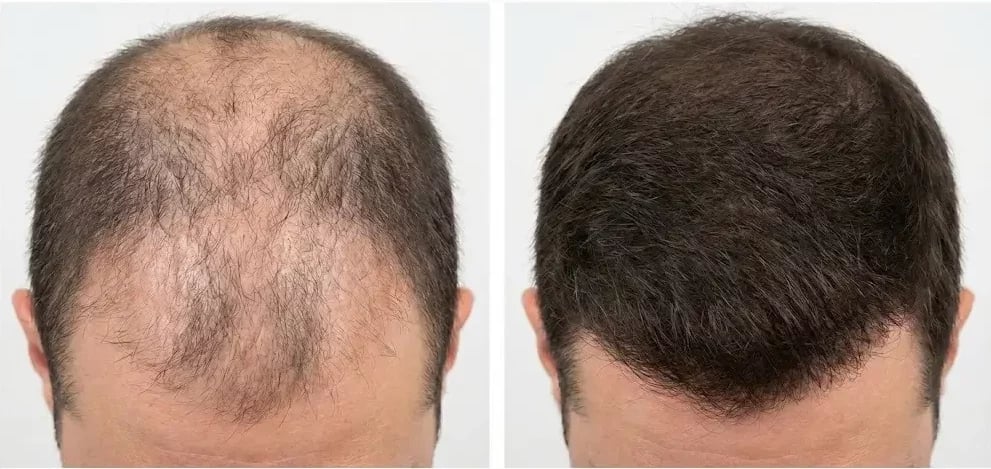
What Does Hair Look Like Before and After Ozempic Hair Loss?
Hair loss shows a distinct change in volume, texture, and appearance. Hair appears healthy, thick, and in its active growth phase before experiencing hair loss, with a balanced hair cycle that includes growing, resting, and shedding hair. The texture is smooth, and the volume is consistent. The body begins to respond to Ozempic by losing weight or changing its metabolism, causing hair to enter the resting phase prematurely, which results in telogen effluvium. Hair appears thinner, weaker, and more brittle during the phase, with noticeable shedding during daily activities (brushing, showering, or sleeping).
The hair regrows within several months after Ozempic causes hair loss. Hair follicles resume their normal growth cycle as weight loss slows and nutritional intake improves. Before and after weight loss hair loss is marked by gradual regrowth, and hair appears finer or softer before returning to its previous texture and volume. The process takes three to six months. A rapid weight loss and nutrient changes caused by medications like Ozempic cause temporary hair loss, but hair regrows once the body stabilizes, according to research titled “Telogen Effluvium Following Weight Loss: A Review of Mechanisms” by Dr. Clara Williams in 2021.
How to Stop Hair Loss from Ozempic
To stop hair loss from Ozempic, follow the seven steps below.
- Consult a healthcare provider. Seek professional advice to confirm that the hair loss is related to Ozempic and not another underlying condition. A healthcare provider assesses whether a dose adjustment or alternative treatment is necessary.
- Stabilize weight and nutrition. Focus on maintaining a balanced diet with adequate protein, vitamins, and minerals to support hair growth. Nutritional deficiencies worsen hair loss during rapid weight loss.
- Avoid excessive stress. Manage stress levels through relaxation techniques, as stress worsens telogen effluvium, the condition responsible for hair shedding during weight loss.
- Maintain proper hydration. Stay hydrated to improve scalp health and hair quality. Dehydration weakens hair follicles, contributing to increased shedding. Proper hydration supports the Ozempic hair loss treatment process and helps rejuvenate hair growth.
- Consider topical treatments. Use over-the-counter products like minoxidil to stimulate hair regrowth. Minoxidil is effective for patients experiencing hair loss due to telogen effluvium.
- Monitor the progress. Track hair regrowth over time. Effectiveness varies, but patients experience noticeable regrowth within 3 to 6 months once the body stabilizes from weight loss and nutritional balance is restored.
- Reassess treatment options. Consider adjusting the treatment plan if hair loss persists or worsens. Discuss other weight loss medications or therapies with a healthcare provider that do not have similar side effects, ensuring an alternative for hair loss treatment.
What Are the Best Vitamins for Ozempic Hair Loss?
The best vitamins for Ozempic hair loss are listed below.
- Vitamin A: Vitamin A is essential for Ozempic hair loss treatment as it regulates the health of hair follicles by stimulating sebum production, which nourishes and moisturizes the scalp. The vitamin helps maintain the vitality and strength of hair follicles, which promotes hair growth. Vitamin A supports cellular growth and differentiation, ensuring the proper function of hair follicles and skin cells. It is essential in Ozempic hair loss, as rapid weight loss stresses hair follicles. Adequate Vitamin A levels help restore sebum production and support hair regrowth, making it a component in managing hair loss during Ozempic treatment.
- Biotin (Vitamin B7): Biotin is helpful in Ozempic hair loss treatment by increasing the production of keratin, the primary protein that strengthens hair. Biotin is crucial for maintaining hair health and preventing brittle hair, which is common during weight loss. Vitamin B deficiency leads to hair thinning and breakage, and ensuring adequate levels helps maintain hair strength and promote regrowth. Biotin is essential for hair health, making it a vital vitamin in managing Ozempic hair loss, as it supports the structure of hair strands and encourages healthy growth.
- Vitamin C: Vitamin C supports Ozempic hair loss treatment by acting as a powerful antioxidant that protects hair follicles from oxidative stress, which leads to hair thinning. Vitamin C aids in the production of collagen, a protein that strengthens hair structure. It helps the body absorb iron, which is essential for hair health. Iron deficiency worsens hair loss during rapid weight loss. Vitamin C promotes healthy hair follicles and improves scalp circulation, which helps to encourage hair regrowth during Ozempic treatment and prevent hair loss during weight loss.
- Vitamin D: Vitamin D is vital for Ozempic hair loss treatment as it stimulates hair follicles and promotes new hair growth. Low levels of Vitamin D have been linked to hair thinning and even hair loss. Vitamin D regulates the hair growth cycle, facilitating the transition between the resting and growing phases of hair follicles. Vitamin D is essential for supporting the health and regeneration of hair follicles after rapid weight loss, contributing to the regrowth process after Ozempic hair loss. Vitamins to prevent hair loss during weight loss, like Vitamin D, are essential to supporting the transition of hair follicles back to the growing phase.
- Vitamin E: Vitamin E is essential in Ozempic hair loss treatment due to its antioxidant properties, which protect hair follicles from oxidative damage. Vitamin E improves blood circulation to the scalp, ensuring that hair follicles receive the necessary nutrients for healthy growth. It promotes a healthy scalp environment by reducing inflammation and supporting scalp health. Its ability to support circulation and protect hair follicles makes Vitamin E a key player in reversing hair loss during Ozempic treatment, as it helps rejuvenate and restore hair health.
What Are the Most Effective Hair Loss Prevention Pills for Ozempic Users?
The most effective hair loss prevention pills for Ozempic users are listed below.
- Natrol Biotin Maximum Strength: Natrol Biotin Maximum Strength is a beneficial supplement for Ozempic hair loss, as it helps strengthen hair follicles and promotes regrowth. Biotin helps in the production of keratin, a protein vital for hair structure. It supports the health of hair cells, increasing their resilience and encouraging growth. Biotin is essential for Ozempic hair loss because it restores hair strength, reduces brittleness, and improves hair health during the weight loss process.
- Nature Made Vitamin D3: Nature Made Vitamin D3 is beneficial for Ozempic hair loss because it helps regulate the hair growth cycle. Vitamin D is essential for stimulating hair follicles and encouraging new hair growth. It plays a crucial role in the health of hair follicles, supporting their regeneration and the transition of hair from the resting phase to the growing phase. Adequate vitamin D levels are significant during rapid weight loss, as vitamins help prevent thinning and promote healthy hair development, making it a key component of hair loss prevention pills.
- Zinc Picolinate by Pure Encapsulations: Zinc Picolinate by Pure Encapsulations is effective in Ozempic hair loss treatment as zinc is involved in the regeneration of hair follicles and the production of keratin. Zinc supports the growth and health of hair cells by aiding in protein synthesis and cell division, which are necessary for healthy hair production. Zinc deficiency increases hair shedding during weight loss, and the supplement is essential for treating Ozempic hair loss.
- Nature’s Bounty Iron Supplements: Nature’s Bounty Iron Supplements play a vital role in Ozempic hair loss prevention by ensuring that hair follicles receive proper oxygenation. Iron is necessary for the production of red blood cells, which carry oxygen to hair follicles, supporting their growth. Inadequate iron levels lead to hair thinning and shedding during rapid weight loss. Iron promotes cell health and is essential for preventing Ozempic hair loss caused by nutritional deficiencies.
- Solgar Vitamin E 400 International Unit (IU): Solgar Vitamin E 400 IU is necessary for Ozempic hair loss treatment due to its antioxidant properties, which protect hair follicles from oxidative damage. Vitamin E improves blood circulation to the scalp, ensuring that hair follicles receive the necessary nutrients for healthy growth. Vitamin E helps maintain the strength and vitality of hair by reducing oxidative stress and supporting follicle health, making it essential for treating Ozempic hair loss.
- Viviscal Maximum Strength: Viviscal Maximum Strength is a powerful hair treatment pills for Ozempic hair loss, containing a blend of vitamins, minerals, and marine proteins that promote healthy hair growth. The ingredients in Viviscal help nourish hair follicles, strengthening existing hair and encouraging new growth. The supplement is beneficial during rapid weight loss, as it supports the health of hair cells by providing the necessary nutrients for regrowth. Viviscal Maximum Strength is crucial in Ozempic hair loss prevention because it improves hair growth by addressing nutrient deficiencies that increase shedding during weight loss.
- Kirkland Signature Hair, Skin & Nails: Kirkland Signature Hair, Skin & Nails is a valuable supplement for Ozempic hair loss due to its combination of biotin, vitamin C, and other essential nutrients for hair health. The vitamins play a critical role in collagen production, which strengthens hair follicles and promotes hair growth. Biotin helps improve hair strand structure, while vitamin C increases collagen production and protects hair follicles from oxidative stress. The supplement is essential for Ozempic hair loss as it provides targeted nourishment to support healthy hair growth and reduce shedding caused by weight loss and nutrient deficiencies.
How Effective Is Hair Transplant for Treating Ozempic Permanent Hair Loss?
Hair transplant is very effective for treating Ozempic permanent hair loss when other treatments have not provided satisfactory results. Ozempic-induced hair loss is temporary, but patients experience long-term shedding if their hair follicles do not recover fully after losing weight and undergoing metabolic changes due to their medication. A hair transplant provides a permanent solution once the medication-related hair loss has stabilized in such cases. It is crucial to wait until shedding has plateaued to ensure the best possible outcome from the procedure.
Hair transplant is recommended for Ozempic hair loss when shedding becomes permanent and other options like supplements or topical treatments are no longer effective. A hair transplant involves relocating healthy hair follicles from one area of the scalp to another, providing a long-term solution to hair thinning. Turkey has become a leading destination due to its affordable and high-quality procedures for patients seeking hair transplants. Vera Clinic in Turkey is one of the top hair transplant clinics, offering advanced techniques like FUE (Follicular Unit Extraction) and DHI (Direct Hair Implantation). The clinic is known for its high success rates, expert medical staff, and modern technology. Patients choose Turkey for hair transplants due to the lower costs compared to other countries, making it a popular and effective choice for treating Ozempic-related hair loss.
What to Expect Before and After a Hair Transplant for Ozempic Hair Loss
Expectation before and after a hair transplant for Ozempic hair loss involves ensuring metabolic stabilization, surgical preparation, and long-term recovery of hair growth. The hair transplant patient must wait until Ozempic has stabilized weight loss and medication-related shedding has plateaued before undergoing the procedure. The procedure ensures that the transplants are effective. Pre-operative evaluation includes an assessment of the scalp density, identification of donor hair areas, and medical clearance to ensure health, including the resolution of deficiencies caused by rapid weight loss. The surgical plan must proceed once shedding has stopped and hair loss has reached a stable stage.
Hair restoration clients expect a recovery period that includes initial shedding of the transplanted follicles within the first few weeks after the hair transplant. Follicular regrowth begins between three and four months post-procedure, with full results becoming visible between 9 and 12 months. The transplanted hair follicles require a proper nutrient and oxygen supply for optimal growth, and managing nutrition, protein, and vitamin intake is essential to ensure the longevity of the results. A follow-up regimen involving scalp treatments and monitoring of overall health is required to ensure the success of the procedure. The transplanted hair fails to thrive if Ozempic-related weight loss or nutritional deficiencies are not correctly managed post-surgery, resulting in brittleness or thinning. Expectations before and after a hair transplant for Ozempic hair loss must focus on medical stabilization and surgical success for optimal long-term results in the hair transplant before and after phase.
When to See a Dermatologist for Hair Loss due to Ozempic
See a dermatologist for hair loss due to Ozempic when shedding becomes excessive or persists beyond the initial stages of weight loss. Hair thinning or bald patches that develop in a short time must be treated with medical attention. Hair loss that exceeds 10% of body weight within three months indicates that the shedding is not resolving on its own. Symptoms (scalp irritation, redness, or pain) require a visit to a dermatologist. A dermatologist assesses whether Ozempic causes the hair loss or if other factors (nutritional deficiencies or other medical conditions) are contributing to the problem. Professional care provides appropriate treatments if hair loss persists or worsens, including topical solutions and advanced therapies like Hair Transplant Consultation. Prompt consultation ensures that underlying issues are addressed and that effective solutions are implemented to restore hair health.
How Ozempic Hair Loss Diagnosed? Ozempic hair loss is diagnosed by a combination of patient history, clinical evaluation, and ruling out other potential causes of hair shedding. The process begins with a healthcare provider evaluating the patient’s medical history, focusing on the use of Ozempic and associated weight loss. A physical examination of the scalp is conducted to assess the extent of hair thinning or bald patches. The dermatologist inquires about nutritional deficiencies or underlying medical conditions that contribute to hair loss. Blood tests are ordered to check for deficiencies in iron, biotin, or other nutrients that increase shedding in some cases. A biopsy or further dermatological tests are needed if the cause of hair loss remains unclear. The diagnosis of hair loss due to Ozempic is confirmed once other conditions have been excluded and the pattern of shedding aligns with the effects of rapid weight loss or medication-related changes. The diagnosis helps guide appropriate treatment options( hair restoration methods and nutritional interventions).
How to Prevent Hair Loss when Taking Ozempic
To prevent hair loss when taking Ozempic, follow the seven steps below.
- Consult a healthcare provider. Discuss potential risks of hair loss with a healthcare professional before starting Ozempic. A healthcare provider evaluates whether dosage adjustments or other medications are needed to mitigate hair loss.
- Maintain a balanced diet. Ensure adequate intake of essential nutrients (protein, biotin, zinc, and iron), which support hair health. Nutritional deficiencies contribute to hair loss during rapid weight loss.
- Manage stress. Engage in stress-reducing activities ( meditation, yoga, or deep breathing exercises). High stress levels increase hair shedding, and managing stress is crucial for maintaining healthy hair growth.
- Use hair growth supplements. Consider taking supplements like biotin or vitamin D to support hair health. The vitamins are essential for maintaining healthy hair follicles, and studies have shown their effectiveness in preventing hair thinning.
- Avoid harsh hair treatments. Limit the use of heat styling tools, chemical treatments, and tight hairstyles, as these techniques weaken hair and contribute to hair loss.
- Monitor hair changes. Track changes in hair growth or shedding patterns. Consult a dermatologist if hair loss persists or becomes excessive after the initial phase of treatment.
- Reassess weight loss progress. Discuss with a healthcare provider whether the weight loss process or Ozempic dosage needs to be adjusted to reduce stress on the body and scalp if hair loss persists. Weight loss caused by Ozempic causes temporary hair loss, but proper nutritional support and stress management prevent long-term damage, according to research titled “Gastrointestinal Adverse Events of GLP-1 Receptor Agonists” by Dr. Shivani Patel in 2023.
How to Reverse Hair Loss After Ozempic
To reverse hair loss after Ozempic, follow the seven steps below.
- Consult a dermatologist. Seek professional advice to assess the extent of hair loss and determine if other factors, such as nutritional deficiencies or underlying conditions, are contributing to the problem.
- Restore proper nutrition. Ensure a well-balanced diet that includes essential nutrients for hair health, such as biotin, zinc, iron, and vitamin D. Nutrient deficiencies during rapid weight loss increase hair shedding.
- Take hair growth supplements. Use supplements like biotin or vitamin D to support hair regrowth. The vitamins promote healthier hair follicles and improve hair thickness and strength over time.
- Manage stress levels. Engage in regular stress-reducing activities (meditation, deep breathing exercises, or yoga). Chronic stress worsens hair loss, and maintaining a calm, balanced lifestyle is crucial for recovery because stress triggers the release of hormones like cortisol, which disrupt the normal hair growth cycle.
- Consider topical treatments. Apply topical solutions like minoxidil, which has been shown to help with hair regrowth. Minoxidil stimulates hair follicles and improves hair density when used consistently.
- Reevaluate Ozempic usage. Consult a healthcare provider to determine if adjusting the Ozempic dosage or switching to a different medication reduces the negative impact on hair growth if hair loss continues after a few months.
- Maintain scalp health. Massage the scalp to improve blood circulation and hair follicle stimulation. Use gentle hair care products that do not irritate the scalp or damage hair strands.
What Are the Other Medications Commonly Causing Hair Loss Aside from Ozempic?
The other medications commonly causing hair loss aside from Ozempic are listed below.
- Wegovy Medicine Hair Loss: Wegovy hair loss occurs due to rapid weight loss caused by the medication’s action as a higher-dose Glucagon-Like Peptide (GLP-1) receptor agonist. Wegovy works by suppressing appetite and inducing weight reduction, which leads to metabolic stress, triggering telogen effluvium. The type of hair loss is temporary and linked to the body’s adjustment to rapid weight changes. Semaglutide is a component of Wegovy, which causes increased hair loss compared to Ozempic due to its higher dose, making Wegovy hair loss more prone in patients undergoing significant weight loss.
- Zepbound Medicine Hair Loss: Zepbound hair loss occurs like other GLP-1 receptor agonists, which cause hair loss through the stress induced by rapid weight loss. Zepbound leads to significant weight reduction, which disrupts the normal hair growth cycle and triggers hair shedding. Its formulation and dosing cause more pronounced metabolic shifts, leading to more noticeable shedding compared to Ozempic, making Zepbound hair loss more probable in patients undergoing significant weight loss.
- Mounjaro Medicine Hair Loss: Mounjaro hair loss occurs due to the medication’s dual action on GLP-1 and Gastric Inhibitory Polypeptide (GIP) receptors, which promotes weight loss that causes hair shedding. Rapid weight loss triggers telogen effluvium when hair follicles enter their resting phase, similar to Ozempic. Mounjaro’s dual mechanism of action leads to faster weight loss, resulting in more noticeable hair thinning compared to Ozempic, making Mounjaro hair loss more pronounced in patients experiencing rapid weight reduction.
- Tirzepatide Medicine Hair Loss: Tirzepatide hair loss occurs due to the medication’s dual mechanism involving GLP-1 and GIP receptors. The significant weight loss induced by Tirzepatide stresses the body, leading to hair shedding due to telogen effluvium. Tirzepatide results in faster or more extensive weight loss, increasing hair loss compared to Ozempic, making Tirzepatide hair loss more prominent in patients undergoing rapid weight reduction.
- Optavia Medicine Hair Loss: Optavia hair loss occurs through severe caloric restriction, which leads to nutrient deficiencies, including protein, vitamins, and minerals necessary for hair growth. The reason Ozempic causes hair loss is due to metabolic stress and rapid weight loss. Optavia’s hair loss is directly related to the lack of essential nutrients that support healthy hair follicles, making Optavia hair loss a result of poor nutrition rather than the medication itself.
Metformin Medicine Hair Loss: Metformin hair loss occurs in patients as a result of long-term use of the medication for managing type 2 diabetes. Metformin hair loss is related to its effects on insulin regulation and potential nutrient imbalances that affect hair health. Metformin causes less severe hair loss than Ozempic and over a longer time, making Metformin hair loss more gradual and less noticeable than that caused by other weight loss medications.