

Optavia hair loss is a potential side effect of the diet program due to rapid weight loss and significant calorie restriction. Optavia is a commercial weight-loss program to help lose weight quickly by providing a structured meal plan that includes pre-packaged Fuelings and lean-and-green meals. The program focuses on portion control and calorie reduction, limiting daily intake to 800 to 1,200 calories, which leads to rapid weight loss. The Optavia diet is effective for weight loss and some patients experiencing active weight reductions in body weight. Patients shed pounds quickly by following the structured plan, but it puts stress on the body and results in temporary hair loss when nutrient deficiencies or rapid caloric restrictions occur.
What is the Optavia diet? The Optavia diet is a low-calorie, meal-replacement-based plan that promotes quick weight loss. The rapid changes in calorie intake lead to telogen effluvium, which is effective for weight loss. Telogen effluvium is a condition where hair enters the resting phase, resulting in shedding. The hair loss is temporary and resolves once the body adjusts to the weight loss and nutritional balance is restored. Optavia hair loss refers to the temporary shedding of hair that occurs as a side effect of the Optavia weight-loss program due to rapid calorie restriction and potential nutritional deficiencies. The relation between Optavia and hair loss is linked to the body’s response to fast weight loss, which triggers telogen effluvium, a type of hair loss where hair follicles enter a resting phase, leading to shedding. The type of hair loss is temporary and resolves once the body adjusts to the new weight and nutrient levels.
Hair loss caused by Optavia is seen in patients aged 30 to 50, although it occurs at any age, especially for patients with more significant or rapid weight loss. Weight loss-induced hair loss indicates that it is more prevalent in women, with 30 to 50% of patients experiencing hair thinning during rapid weight reduction, according to the research “Common causes of hair loss–clinical manifestations, trichoscopy and therapy.” Aurora Alessandrini December 8, 2021. Optavia hair loss is temporary and improves once the body stabilizes after the diet.
How Common Is Hair Loss on the Optavia Weight-Loss Program?
Hair loss on the Optavia weight-loss program is common. The exact statistics for the Optavia weight-loss program are not available. Rapid weight loss is a known cause of telogen effluvium (TE), a temporary form of hair loss. Studies on other rapid weight-loss methods, such as bariatric surgery, show hair loss incidences as high as 57%. Weight-loss medications like GLP-1 receptor agonists have been linked to hair loss, with odds ratios of 2.46 for semaglutide and 1.73 for tirzepatide. Nutritional deficiencies in zinc, folic acid, and ferritin increase the risk of hair loss during weight loss. The risk factors from rapid weight loss and potential nutritional gaps suggest a higher likelihood of experiencing hair loss, while direct data for Optavia is lacking.
Why Is Hair Loss a Side Effect of Optavia?
Hair loss is a side effect of Optavia because of rapid weight loss, dietary changes, and potential nutritional deficiencies. Sudden caloric restriction shocks the body and pushes hair follicles into the resting phase of the growth cycle, causing hair loss, as seen in the Optavia diet. The condition (telogen effluvium) is temporary and occurs two to three months after the initial shock, according to the research,“ Telogen Effluvium – a review of the science and current obstacles. Journal of dermatological science” Yin, G., Siong-See, J., & Wang, E., Jan 23, 2021. Nutrient deficiencies in iron, zinc, and B vitamins contribute to weakened hair growth. The restrictive nature of the diet limits the intake of essential nutrients, while Optavia “Fuelings” are fortified. Insufficient protein intake hinders hair growth as hair is mainly composed of keratin, despite the diet’s focus on protein. Rapid weight loss places physical stress on the body, further disrupting the hair growth cycle. The condition is temporary, with hair loss patients seeing improvement within 3 to 6 months after shedding, although Optavia side effects include hair loss. Hair regrowth is observed after the body adjusts in the case of long-term side effects of Optavia. Optavia diet side effects (hair loss) are common during the initial phase but resolve in patients.
Is Hair Falling Out a Side Effect of Using Optavia?
Yes, hair falling out is a side effect of using Optavia. Rapid weight loss is a key component of the Optavia program and causes telogen effluvium. Telogen effluvium is a type of hair loss where hair follicles enter a resting phase, leading to shedding. It is triggered by the body’s response to stress, such as a significant reduction in caloric intake. Sudden caloric restriction pushes hair follicles into a resting phase, which leads to hair loss, according to the research “Dietary restriction delays but cannot heal irradiation-induced hair graying by preserving hair follicle stem cells in quiescence. Rejuvenation research” Rongrong Qiu, December 14, 2023. Nutritional deficiencies in vitamins like biotin, iron, and zinc, which are crucial for hair health, contribute to hair falling out. The restrictive nature of the diet leads to deficiencies in these essential nutrients, though Optavia provides fortified meals. The lack of sufficient protein is one ingredient that makes hair fall out, which is vital for hair growth.
How Does Optavia Cause Hair Loss?
Optavia causes hair loss by indirectly triggering a process called telogen effluvium due to rapid weight loss. Rapid caloric restriction is a key aspect of the Optavia diet and puts the body under stress, causing hair follicles to enter a resting phase, which leads to shedding. The hair loss occurs two to three months after the initial weight loss. The metabolic changes and potential nutritional deficiencies associated with significant weight reduction contribute to the condition, while Optavia does not directly cause hair loss. Rapid weight loss disrupts the normal hair growth cycle, leading to increased shedding, according to the research “Hair Loss after Weight Loss: Causes, Risks, and Prevention.” Karen Veazey, Sept. 30, 2021. Nutrient deficiencies in zinc, iron, and B vitamins worsen hair loss during restrictive diets like Optavia.
How Long does it take for Optavia to Cause Hair Loss? It takes two to three months for Optavia to cause hair loss. The delay occurs because hair loss due to rapid weight loss (telogen effluvium) follows after the body undergoes metabolic stress. Hair follicles shift into a resting phase, leading to shedding during the period. Hair regrowth resumes within 3 to 6 months once the body adjusts to the new diet and weight, although the shedding phase starts a few months after significant weight loss.
How Does Optavia Cause Hair Thinning during Weight Loss?
Optavia causes hair thinning during weight loss by triggering a process known as telogen effluvium, which occurs due to rapid weight loss and significant dietary changes. Rapid caloric restriction is common in the Optavia diet, and it shocks the body and diverts energy from non-essential functions like hair growth. The weight loss in the 12-week Optimal Weight 5&1 Plan led to hair follicles shifting into a resting phase, causing noticeable hair thinning. It works quickly by reducing calorie intake to 800 to 1,200 calories per day, which accelerates weight loss and results in hair thinning. Optavia is prescribed off-label for weight loss management. Hair thinning is a common side effect when following the Optavia diet due to nutrient deficiencies in proteins, vitamins, and minerals vital for healthy hair growth. The hair loss due to weight loss is linked to drastic weight reduction and nutrient shortages. 95% of patients experience hair regrowth after 3 to 6 months, provided nutrient levels are restored and weight loss stabilizes, according to the research “Does the Optavia Diet Cause Hair Loss? – Healthline,” Jillian Kubala, MS, RD. April 11, 2022. Hair thinning and weight loss are related, and if these factors persist, the thinning continues.
How Does Optavia Weight Loss Trigger Telogen Effluvium?
Optavia weight loss triggers telogen effluvium by causing rapid weight loss and significant caloric restriction. The body responds to a drastic reduction in calories by diverting energy away from non-essential functions like hair growth. Hair follicles prematurely shift from the growing (anagen) phase to the resting (telogen) phase, leading to hair thinning and shedding. Telogen effluvium becomes noticeable around two to three months after the onset of rapid weight loss and lasts for up to six months. Specific statistics for telogen effluvium directly caused by the program are not available, while hair loss is a common side effect of the Optavia diet. However, research on weight loss-induced telogen effluvium shows that a mean weight loss of 15.21% and a weight loss rate of 3.54 kg per month trigger hair loss. Studies indicate that the prevalence of telogen effluvium from weight loss is higher in women and older adults. A Telogen Effluvium caused by rapid weight loss resolves within 3 to 6 months, with most individuals regrowing their hair within the period.
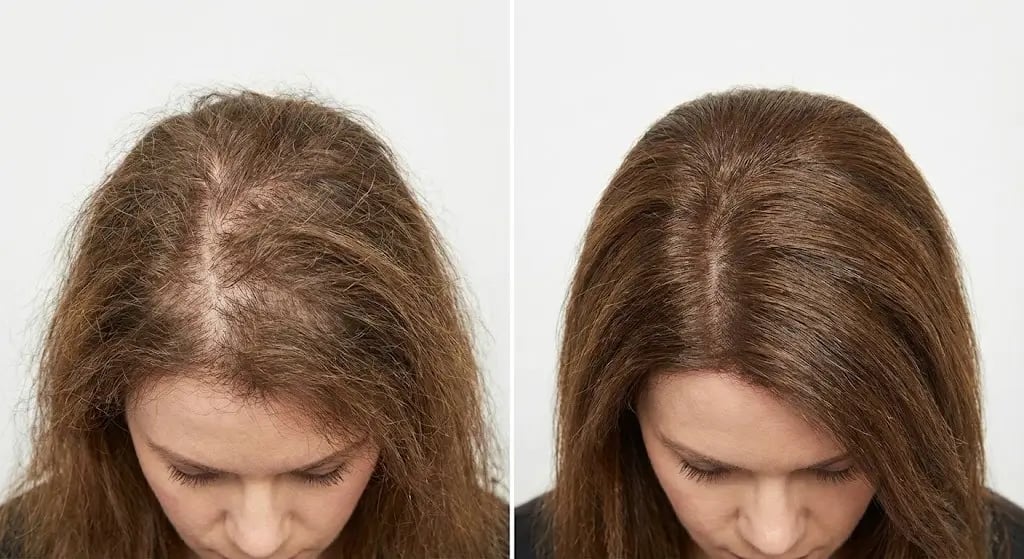
What Does Hair Look Like Before and After Optavia Hair Loss?
Hair looks thick and healthy before, and thin or light after Optavia hair loss. Hair is full, strong, and appears to have a normal density before experiencing hair loss. Hair appears thinner after rapid weight loss on the Optavia program, with noticeable shedding and some areas becoming sparse. The hair strands look weaker, and there is a lack of volume due to the shift of hair follicles into the resting phase. However, hair regrowth occurs, and it returns to its previous state within a few months once the body adjusts and the stress of rapid weight loss subsides.
Hair appears healthy and thick, with a natural shine and volume, before hair loss with Optavia.
Hair appears noticeably thinner, with more visible scalp, and lacks volume and shine after Optavia hair loss. It feels weaker, more fragile, and prone to breakage.
How to Stop Hair Loss from Optavia
To Stop Hair Loss from Optavia, follow the six steps listed below.
- Adjust Caloric Intake. Gradually increase caloric intake to prevent the shock to the body from rapid weight loss. Slowing down the weight loss process reduces strain on hair follicles and gives the body the energy needed to support healthy hair growth. The method helps minimize hair thinning over time, with recovery taking 3 to 6 months as hair follicles transition back to the growth phase.
- Improve Nutritional Intake. Ensure that the diet is rich in essential nutrients (protein, iron, zinc, and B vitamins), all vital for hair health. Supplement the diet to address any deficiencies if necessary. Proper nutrition plays a significant role in improving hair growth and preventing further thinning. It takes about 3 to 6 months to see visible results after adjusting the nutritional intake.
- Manage Physical Stress. Physical and emotional stress exacerbate hair loss, so manage stress levels. Practicing relaxation techniques (meditation, deep breathing, or gentle exercise) helps lower cortisol levels and promote a balanced hair growth cycle. Reducing stress takes a few months to show visible improvement in hair thinning.
- Consider Protein Supplements. Hair is composed of protein, so ensuring patients have sufficient protein intake is critical for regrowth. Adding supplements helps prevent hair from entering the resting phase if the current diet is insufficient in protein. Increasing protein intake reduces hair loss, with results visible in 3 to 6 months.
- Transition to a Balanced Diet. Transition to a more balanced, sustainable diet that includes a variety of nutrients once patients have achieved their weight loss goals. A diet with sufficient calories and essential nutrients supports long-term health and hair regrowth. Transitioning to a balanced diet leads to noticeable hair recovery within 3 to 6 months.
- Seek Medical Advice. Consult a healthcare provider or dermatologist if hair loss persists or worsens beyond 6 months. They help identify any underlying health issues or recommend treatments (topical solutions or blood tests). Medical advice is effective in addressing ongoing hair loss, with improvements visible within a few months to a year.
How Effective Is Hair Transplant for Treating Hair Loss Caused by Optavia?
Hair transplant for treating hair loss caused by Optavia is 85 to 90% effective. A hair transplant is a permanent solution for hair loss and is considered once the hair loss caused by Optavia has stabilized. It is recommended that after the hair thinning due to rapid weight loss or dietary restrictions has subsided, allowing the body to return to its normal state. The procedure involves relocating healthy hair follicles to thinning or balding areas, ensuring natural and lasting results. Hair transplant is recommended for some patients who experience persistent or severe hair loss after other treatments have not been successful.
Turkey is a popular destination due to its advanced technology and affordable prices for patients considering a hair transplant. One of the best hair transplant clinics in Turkey is Vera Clinic. Vera Clinic is known for its high success rates and skilled professionals. The Hair Transplant treatments in Turkey offer quality services at a fraction of the cost compared to many other countries.
What to Expect Before and After a Hair Transplant for Optavia Hair Loss?
Expect to undergo a thorough consultation before a hair transplant for Optavia hair loss. The doctor assesses the extent of the hair loss, reviews the medical history, and determines if the patient is a good candidate for the procedure during the consultation. The patient is advised to stop taking certain medications and asked to follow specific instructions to prepare for the surgery. The scalp is numbed using local anesthesia, and the hair follicles are harvested from a donor area (the back of the head), using a method like FUE or FUT before the procedure. The transplanted follicles are placed in areas where hair thinning or loss has occurred. Expect some swelling and redness in the treated areas following the transplant.
Experience some initial shedding of transplanted hair, which is normal after a hair transplant for Optavia hair loss. New hair growth begins to appear within 3 to 6 months, and full results take up to 12 months. Follow aftercare instructions to avoid infection and promote healing. The hair transplant before and after results vary, but most patients see a significant improvement in hair density and natural-looking results after the procedure.
Optavia-induced hair loss leads to thinning, shedding, and bald spots due to rapid weight loss and nutrient deficiencies before a hair transplant. Hair regrows naturally in the treated areas, restoring volume and confidence, with noticeable results in 3 to 6 months and full results in 12 to 18 months after the transplant.
When to See a Dermatologist for Hair Loss due to Optavia?
See a dermatologist for hair loss due to Optavia when experiencing severe symptoms (excessive shedding, noticeable thinning in large patches, or sudden bald spots). Medical attention is necessary if hair loss persists beyond six months or if it worsens despite adjustments in diet and stress management. Notice any signs of infection, scarring, or if the scalp becomes red, painful, or inflamed, because these are clear indicators that a dermatologist’s expertise is required. A dermatologist helps diagnose whether the hair loss is related to Optavia or another underlying condition and recommends the best course of treatment. The dermatologist suggests a hair transplant consultation if the hair loss is deemed permanent and other treatments have not been effective.
How is Optavia Hair Loss Diagnosed?
Optavia hair loss is diagnosed through a thorough clinical evaluation by a dermatologist. The doctor assesses the medical history, including any recent weight loss or dietary changes, and inquires about any medications patients are taking. They examine the scalp to determine the extent of hair loss and identify any signs of telogen effluvium, a condition commonly triggered by rapid weight loss. The doctor performs blood tests to check for nutritional deficiencies, thyroid imbalances, or other underlying health conditions that contribute to hair loss. The diagnosis is based on the symptoms, history of rapid weight loss, and physical examination of the scalp. Further tests are conducted to rule out other causes of hair loss if necessary.
How to Prevent Hair Loss when Following the Optavia Diet
To Prevent Hair Loss when following the Optavia Diet, follow the seven steps listed below.
- Gradually Adjust Caloric Intake. Slow down the rate of weight loss by increasing the caloric intake slightly. It reduces the shock to the body caused by rapid calorie restriction. A gradual approach allows the body to adjust without placing excessive stress on hair follicles. Slower weight loss is less likely to cause telogen effluvium (temporary hair loss).
- Prioritize Nutritional Balance. Ensure patients consume a well-balanced diet rich in essential vitamins and minerals (iron, zinc, biotin, and vitamin D), all vital for healthy hair growth. Optavia Fuelings are fortified, but the restrictive nature of the diet leads to nutrient deficiencies. Supplementing with additional vitamins helps support hair health. Nutrient deficiencies in zinc and iron are linked to increased hair shedding, according to the research “Zinc and Hair Loss: Understanding the Essential Mineral’s Role” Natasha Stasko, March 2025.
- Increase Protein Intake. Protein is crucial for hair growth as hair is made of keratin, a type of protein. Get enough protein, even Optavia includes protein in its meals. Add more lean proteins to the diet or consider protein supplements to ensure patients are meeting the required intake for healthy hair growth, if necessary.
- Manage Physical and Emotional Stress. Practice stress management techniques (yoga, meditation, or light exercise). Stress increases cortisol levels, which disrupt the hair growth cycle and trigger hair loss. Managing stress helps maintain hormonal balance and prevents excessive hair shedding.
- Maintain Hydration. Stay well-hydrated to support body function, including hair health. Dehydration leads to dry and brittle hair, increasing the risk of hair thinning. Drinking enough water ensures that the body has the necessary nutrients to keep hair follicles healthy.
- Transition to a Balanced Diet Post-Weight Loss. A balanced diet is necessary to avoid further strain on the body once patients reach their weight-loss goal and shift to a more sustainable one. A balanced diet supports health and helps maintain hair growth by ensuring proper nutrient intake. Individuals who transition to a well-rounded diet experience less hair loss after weight reduction, according to the research “How Diet Affects Hair Loss – Healthline” Jillian Kubala, MS, RD. August 3, 2021.
- Consult a Healthcare Provider. Seek guidance from a healthcare provider or dermatologist if hair loss persists or worsens despite following these steps. They recommend tests to check for nutritional deficiencies or other health issues contributing to hair loss. A healthcare provider suggests further treatments, such as topical solutions or a hair transplant consultation, if necessary.