

A moustache transplant is a facial hair restoration procedure that transfers healthy hair follicles to the upper lip to create or thicken a moustache. It uses the same principle as a scalp hair transplant, but the focus is on achieving precise direction, density, and natural texture in a small, highly visible area.
Hair transplants in general involve moving hair from a donor area, usually the back or sides of the scalp, to a site that has thinning or no hair. While this is most often done for scalp restoration, the same method applies to facial hair such as beards, sideburns, and moustaches.
A moustache transplant works by extracting hair follicles with techniques like Follicular Unit Extraction (FUE) or Follicular Unit Transplantation (FUT) and placing them into the upper lip region at the correct angle and depth. On average, 300–500 grafts are needed for full moustache coverage, though the exact number depends on the existing density and desired style. FUE is the preferred method for moustache work due to faster healing and minimal scarring (Dua et al., 2021).
For men who struggle to grow a full moustache because of genetics, burns, scars, or alopecia, a moustache hair transplant procedure is permanent and a natural solution. Unlike cosmetic fillers or temporary products, transplanted moustache hair grows like natural facial hair and is trimmed, shaved, or styled without limitations. Graft survival for facial hair transplants is generally favorable, with patient satisfaction closely tied to matching the moustache design to the person's facial proportions.
Retrospective cohort data from Vera Clinic Academy adds further detail to this picture. In a study of single-region Sapphire FUE hair transplantation to the beard, moustache, eyebrow, and sideburn, 15 moustache-region patients were assessed at 12 months. Graft survival averaged 91.8% (range 82–99%), and independent observer rating scored naturalness and symmetry as good to very good in 86.7% of cases. Mean patient-reported satisfaction was 4.3 out of 5, and all recorded complications (13.3%) were mild and transient, according to the Facial Hair Transplant Satisfaction Study (Vera Clinic Academy, 2026).
Moustache transplants restore fullness, cover patchy or scarred areas, and allow men to achieve specific styles that are not possible naturally. For those who have always wanted a thick, well-shaped moustache, a mustache hair transplant is the most direct and lasting way to reach that goal.
When Is Moustache Transplant Necessary?
A moustache transplant is necessary when a man does not naturally grow sufficient hair in the upper lip area and wants a permanent, natural-looking solution. In some cases, a mustache transplant is a way to restore appearance after trauma, surgery, or medical conditions. The procedure becomes appropriate when other methods, such as topical treatments or temporary cosmetic products, have failed to produce lasting or satisfactory results.
The most common reasons patients seek this procedure include:
- Congenital inability to grow a moustache due to genetics
- Patchy or uneven growth that does not respond to other treatments
- Hair loss from burns, scars, or injuries affecting the upper lip
- Alopecia areata or other localized hair loss conditions
- Restoring facial hair after surgery, including cleft lip repair
- Thickening a naturally thin or sparse moustache for aesthetic preference
Men with sparse or uneven moustache growth often find it difficult to achieve their desired style or thickness. In cultures where facial hair is tied to identity, maturity, or confidence, this has a psychological impact. Facial hair transplants, including moustache restoration, offer long-term satisfaction rates above 90% when the design complements the face shape and proportions.
In reconstructive cases, such as scarring from burns or accidents, a moustache transplant restores symmetry and texture. The transplanted hair retains its growth pattern and is trimmed or styled normally, with predictable outcomes reported across published clinical series.
Why Are Mustache Transplants Gaining Popularity?
Moustache transplants are gaining popularity because they provide a permanent, natural solution that other cosmetic methods do not match. The procedure allows men to grow, trim, and style their moustache without relying on temporary products or dealing with fading results. Social influence plays a significant role, with celebrities and public figures making facial hair a prominent style statement, which encourages more men to pursue similar looks.
Advances in techniques like Follicular Unit Extraction (FUE) have contributed, as they enable surgeons to place individual hairs at precise angles for realistic results while keeping healing times short. For men with scars, patchy growth, or hair loss from conditions like alopecia, moustache transplants offer a discreet and reliable way to restore symmetry and density. Clinical data and patient experiences show a steady increase by over 90% between 2016 and 2022, alongside patient surveys indicating satisfaction rates above 90% when the design matches facial proportions.
Compared to temporary moustache cosmetics such as dyes or pencil fillers, a transplant delivers real hair that grows naturally and remains for life, making it a preferred choice for those seeking lasting results.
Why Is Turkey a Common Destination for Moustache Transplants?
Turkey is a frequently chosen destination for moustache transplants due to a combination of lower relative cost, high procedure volume, and established medical tourism infrastructure. Procedures cost less than in Western Europe or the USA, and clinics commonly offer all-inclusive packages covering surgery, accommodation, transfers, and translation support, which simplifies the process for international patients. Turkish clinics operate under Ministry of Health oversight, and surgeons in high-volume centers perform a large number of procedures annually, contributing to consistent technique and reported graft survival rates in line with those seen in the broader literature.
For patients traveling from abroad, Vera Clinic provides a seamless medical tourism experience with multilingual support and short waiting times. This combination of surgical expertise, patient-focused care, and modern technology makes Vera Clinic a leading choice for anyone seeking a moustache transplant in Turkey.
How Much Does Moustache Transplant Cost?
A moustache transplant cost is the amount a patient pays for hair follicle extraction and implantation in the upper lip area. The price depends on the country, clinic standards, surgeon skill, technique used, and the desired moustache style. Costs for “facial hair transplants” vary between countries due to differences in labor costs, currency values, and healthcare infrastructure. The final amount changes based on how many grafts are needed and whether the surgeon uses FUE or FUT.
- Price Range: In most countries, moustache transplants range from $2,000 to $7,000. Medical tourism destinations often offer lower prices without compromising on safety or results.
- Country Variation: Prices differ widely across the globe. Turkey, India, Thailand, Mexico, and Poland are known for offering affordable, high-quality moustache transplants, often at less than half the cost seen in the USA or Western Europe.
- Shape and Technique Impact: Complex moustache shapes and styles require more grafts and precision, increasing the price. FUE, which involves placing individual follicles at precise angles, generally costs more than FUT due to the extra time and detail involved.
- Low-Cost Countries: Countries with lower medical costs and strong cosmetic surgery sectors offer the most competitive rates. Patients often choose these locations for their combination of affordability, skilled surgeons, and advanced clinic facilities.
| Country | Estimated Cost (USD) | Estimated Cost (Local Currency) |
| Turkey | $1,500 – $3,000 | ₺50,000 – ₺100,000 |
| India | $1,200 – $2,500 | ₹100,000 – ₹210,000 |
| Thailand | $2,000 – $3,500 | ฿72,000 – ฿126,000 |
| Mexico | $2,000 – $3,000 | Mex$36,000 – Mex$58,000 |
| Poland | $2,200 – $3,800 | zł8,800 – zł15,200 |
Mustache hair transplant in Turkey is the most common alternative because it offers internationally recognized surgeons, high graft survival rates, and advanced clinic technology at a fraction of the cost charged in many Western countries. The strong medical tourism infrastructure, short waiting lists, and all-inclusive care packages make it a preferred choice for patients from around the world.
How Does a Mustache Hair Transplant Look Like Before and After?
Before the procedure, the moustache area looks thin, patchy, or irregular. Hair density breaks along the philtrum or corners. Gaps show skin clearly. Edges look uneven when you shave or trim.
Right after the procedure, you see tiny implantation points and mild redness. Hairs sit at a shallow angle to match natural growth. Swelling is usually light. Crusting clears within 7–10 days if you follow wash instructions.
In the first month, most transplanted hairs shed. The skin looks calm. Follicles stay in place under the skin. This phase is normal and temporary.
From month 3 to month 6, new hairs start to grow. Texture looks thicker each week. Hairs accept shaping with scissors or a trimmer. Direction follows the implant angle and lines look sharper.
By month 9 to month 12, density looks stable and natural. The moustache holds shape across the philtrum and commissures. Color and coarseness match the donor hair. Shaving, waxing the edges, or styling without limits is possible. Scars in the recipient area are not visible to the eye when FUE is used correctly.
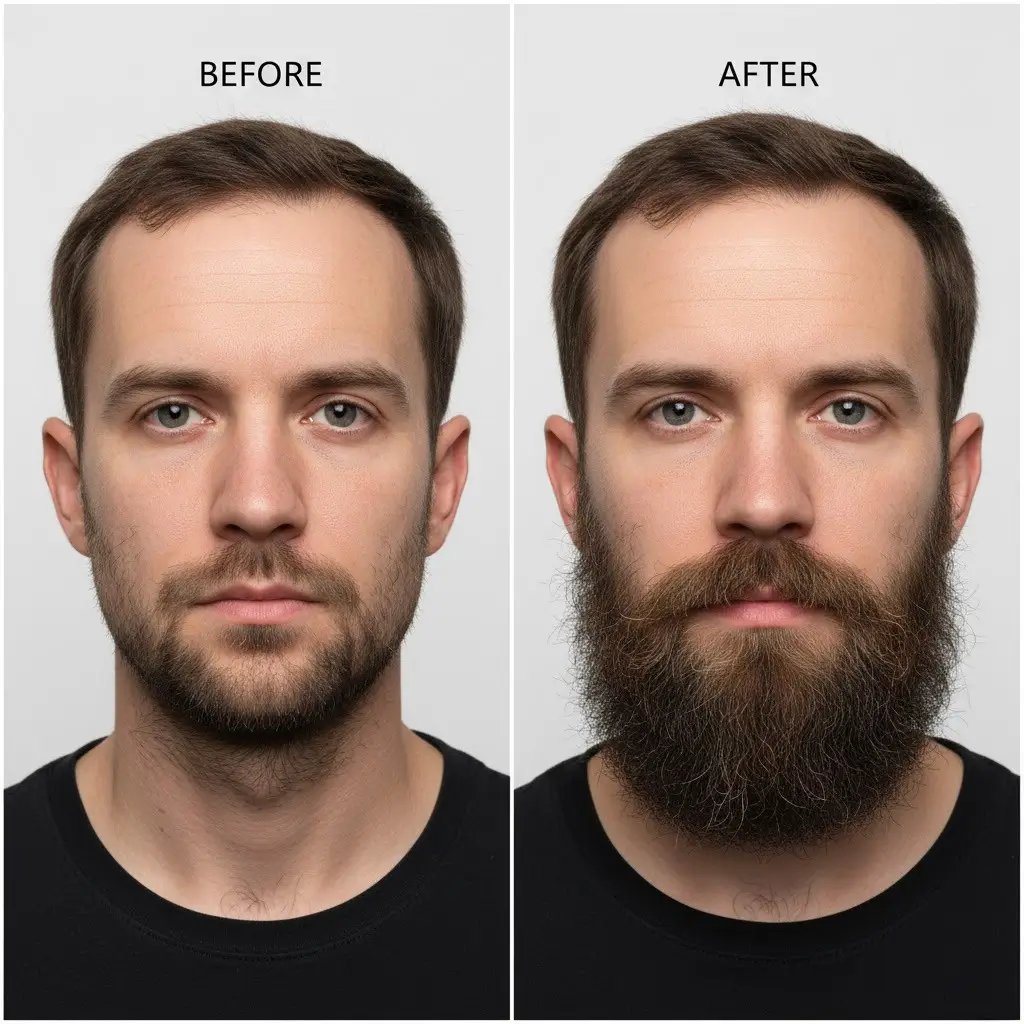
Check the mustache hair transplant before and after to see the difference.
How Does a Full Beard Transplant with Mustache Look Like Before and After?
A full beard transplant with mustache produces a continuous, natural frame around the mouth, cheeks, jawline, and chin once maturation completes. Before surgery, the beard often looks patchy, asymmetric, or scarred, and the moustache does not connect at the commissures. After 9–12 months, density looks uniform, the moustache connects smoothly to the beard transplant, edges look sharp yet natural, and growth direction sits low and parallel to the skin so stubble and longer styles both read as authentic. These changes align with clinical guidance that facial hair transplants use FUE or FUT to place follicular units at acute angles, with regrowth beginning around month 3–4 and final appearance between months 10–14.
How Does the Mustache Hair Transplant Process Work?
A moustache transplant works by moving permanent follicles from the back of the scalp to the upper lip. These donor hairs are resistant to hormonal loss and continue to grow for life once implanted.
The procedure begins with consultation and moustache design, usually requiring 300–500 grafts depending on density goals. Local anesthesia is applied for comfort. Surgeons mostly use Follicular Unit Extraction (FUE), where a 0.7–0.9 mm punch removes follicles one by one. FUE is preferred because it heals faster and leaves minimal scarring compared to FUT.
In the next stage of the mustache hair transplant process, follicles are sorted into single or multiple hairs. Singles are used along the moustache outline for a natural look, while multi-hair grafts build central density. The surgeon creates tiny incisions in the moustache area at 10–15° angles, which is critical for hairs to lie flat against the skin. Grafts are then implanted individually.
Recovery shows redness and scabs for about a week. Most implanted hairs shed in the first month (shock loss). New growth starts around month 3 and becomes fuller by month 6. Final density appears between 9 and 12 months. Graft survival in this region is generally favorable when the technique is well matched to the patient's needs, consistent with high patient satisfaction when the design also matches facial proportions.
How Long Does a Mustache Hair Transplant Last?
Mustache hair transplant lasts a lifetime. Transplanted follicles keep their genetic resistance, grow naturally, and are shaved, trimmed, or styled permanently.
Who Is a Good Candidate for a Mustache Hair Transplant?
A good candidate for a moustache hair transplant is someone with a sparse, patchy, or absent moustache who wants a fuller and more defined look. The ideal candidate has healthy donor hair at the back or sides of the scalp, realistic expectations, and overall good health. Men who have moustache gaps due to genetics, aging, scarring, burns, or alopecia areata are often strong candidates because transplanted follicles provide a permanent solution.
Before undergoing the procedure, several factors must be considered. The surgeon assesses donor density to ensure there are enough grafts for both the moustache and potential future needs on the scalp. Skin health in the recipient area is important; conditions like active dermatitis, infections, or unstable autoimmune disorders interfere with healing. Patients should avoid unrealistic expectations; while a transplant restores natural density, it cannot exceed the maximum thickness determined by donor availability.
Not everyone is a suitable candidate. Men with advanced androgenetic alopecia and limited donor supply do not have enough follicles for both scalp and moustache coverage. Individuals with uncontrolled diabetes, clotting disorders, or severe keloid scarring are at higher risk for complications to be excluded. Smokers and those with poor circulation experience slower healing and lower graft survival.
Does donor hair grow back after hair transplant?
No, donor hair does not grow back once follicles are extracted. Each follicle is a permanent unit, and once removed, it cannot regenerate in the donor area. This is why surgeons carefully manage donor harvesting to avoid thinning at the back of the scalp while still achieving natural moustache density.
How Sparse Does a Mustache Have to Be Before Someone Should Consider a Mustache Hair Transplant?
A moustache is considered sparse enough for transplant when there are clear gaps, uneven distribution, or a lack of density that makes styling difficult and detracts from the desired look. Men who cannot grow a continuous moustache line, whose hair does not connect at the corners of the mouth, or who have visible patches of bare skin often meet the criteria for treatment. Clinical observations show that even men with partial growth benefit from transplantation, as filling in small gaps with 300–500 grafts create a dramatic improvement in symmetry and fullness. A transplant is particularly appropriate when patchiness is due to genetics, aging, scarring, or conditions like alopecia areata, and when non-surgical methods such as topical solutions or cosmetic fillers do not achieve lasting results.
How many hairs in a mustache?
An average adult male moustache contains between 5,000 and 15,000 hairs, depending on genetics and ethnicity. When density falls well below this range or coverage is inconsistent, a moustache transplant becomes a reliable option to restore balance and achieve a thicker, natural appearance.
What Are the Different Techniques Used for Moustache Hair Transplants?
A moustache hair transplant is performed using different surgical techniques. Each technique defines how the donor hair is removed and how it is implanted into the moustache area. While all hair transplant techniques aim to create natural growth, the procedure method influences recovery, scarring, and precision of results.
- Follicular Unit Extraction (FUE): FUE involves extracting individual follicular units from the donor area with a micro-punch (0.7–0.9 mm) and implanting them into the moustache region. This method leaves tiny dot scars that heal quickly and are barely visible. It remains the most widely used technique for moustache restoration because it allows precise placement of grafts at shallow angles, matching natural moustache growth. FUE hair transplant is generally associated with favorable graft survival and high patient satisfaction. Pain is minimal, usually limited to soreness for 2–3 days after surgery, and managed with mild painkillers.
- Sapphire FUE: Sapphire FUE is an advanced version of the standard FUE technique. Instead of steel blades, surgeons use sapphire blades to create micro-channels in the moustache area. This allows for smaller, more precise incisions, reduced tissue trauma, and faster healing. The result of the Sapphire FUE is a more natural-looking moustache with improved density and minimal scarring. Patients experience very mild discomfort for 2–3 days.
- Direct Hair Implantation (DHI): DHI uses a specialized implanter pen (Choi pen) to extract and implant follicles directly into the moustache area without creating prior incisions. This allows precise control of angle, depth, and direction. It is especially useful for smaller moustache corrections or highly detailed designs. DHI hair transplant is effective, though it is more time-intensive and costly than standard FUE. Pain levels are mild, with recovery discomfort lasting only 2–3 days.
- Follicular Unit Transplantation (FUT): FUT, known as the strip method, involves removing a strip of skin from the donor area, dissecting it into grafts, and implanting them into the moustache. While effective, it leaves a linear scar on the scalp, which makes it less popular for men who prefer short hairstyles. FUT hair transplant still provides dense grafts, but healing is slower compared to FUE. Patients report mild to moderate pain lasting around 5–7 days.
Which Technique is the Most Effective?
Among all techniques, Sapphire FUE is considered the most effective for moustache transplants due to its precision, minimal scarring, high graft survival, and fast recovery.
Which Mustache Hairstyle Is Best for your Face Shape?
A moustache hairstyle is the design and shape created either naturally or through a moustache transplant to suit the individual’s face. Different styles change how the upper lip, jawline, and overall face proportions appear. Choosing the right moustache style is important because it affects balance, symmetry, and personal expression.
Chevron Mustache: The Chevron moustache is thick, full, and covers the entire upper lip. It is one of the most classic moustache styles, popularized by figures like Tom Selleck. This style is common worldwide because of its bold, masculine look. It suits men with oval or long face shapes, as the density helps balance proportions.
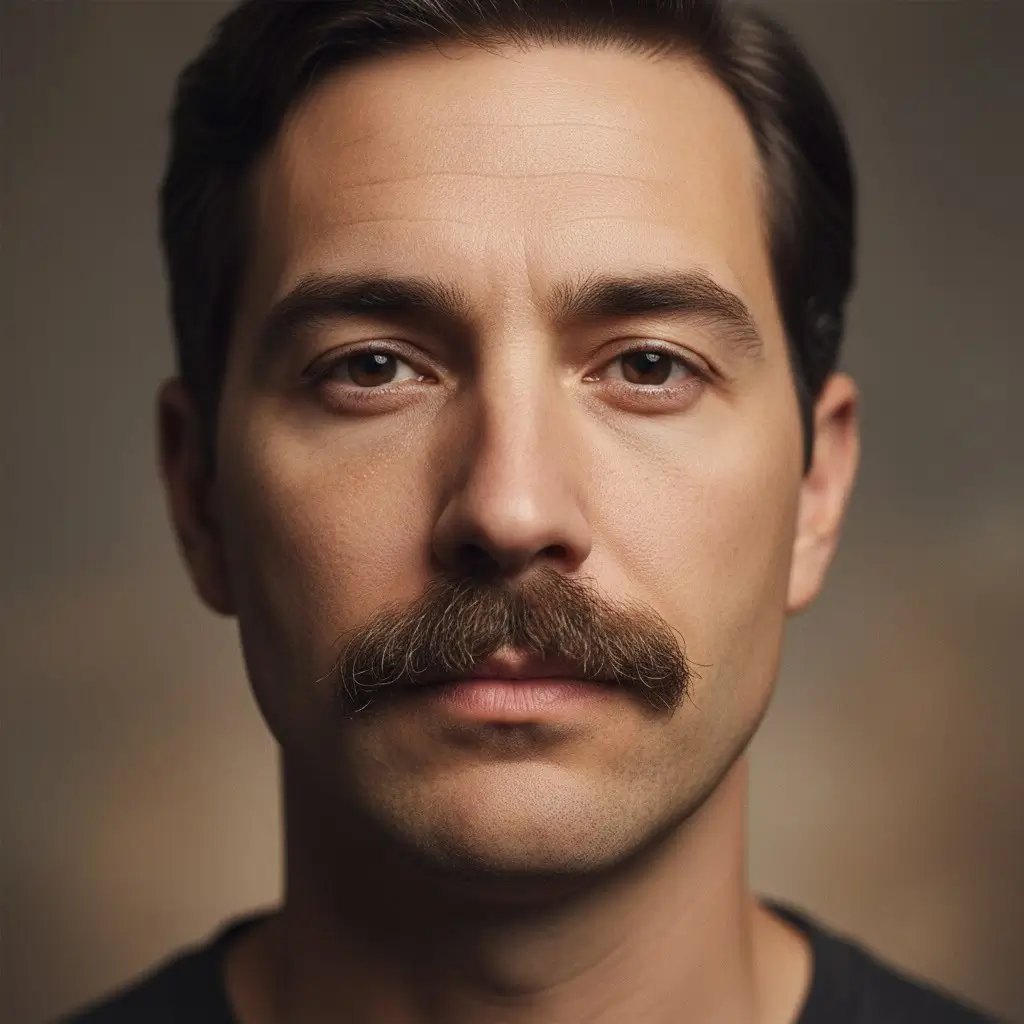
Pencil Mustache: The Pencil moustache is thin, sharply defined, and runs just above the lip line. It became famous in the 1930s for its refined, elegant appeal and is still chosen for a stylish, minimalist look. This moustache is ideal for men with square or angular faces, where the slim lines highlight sharp features.
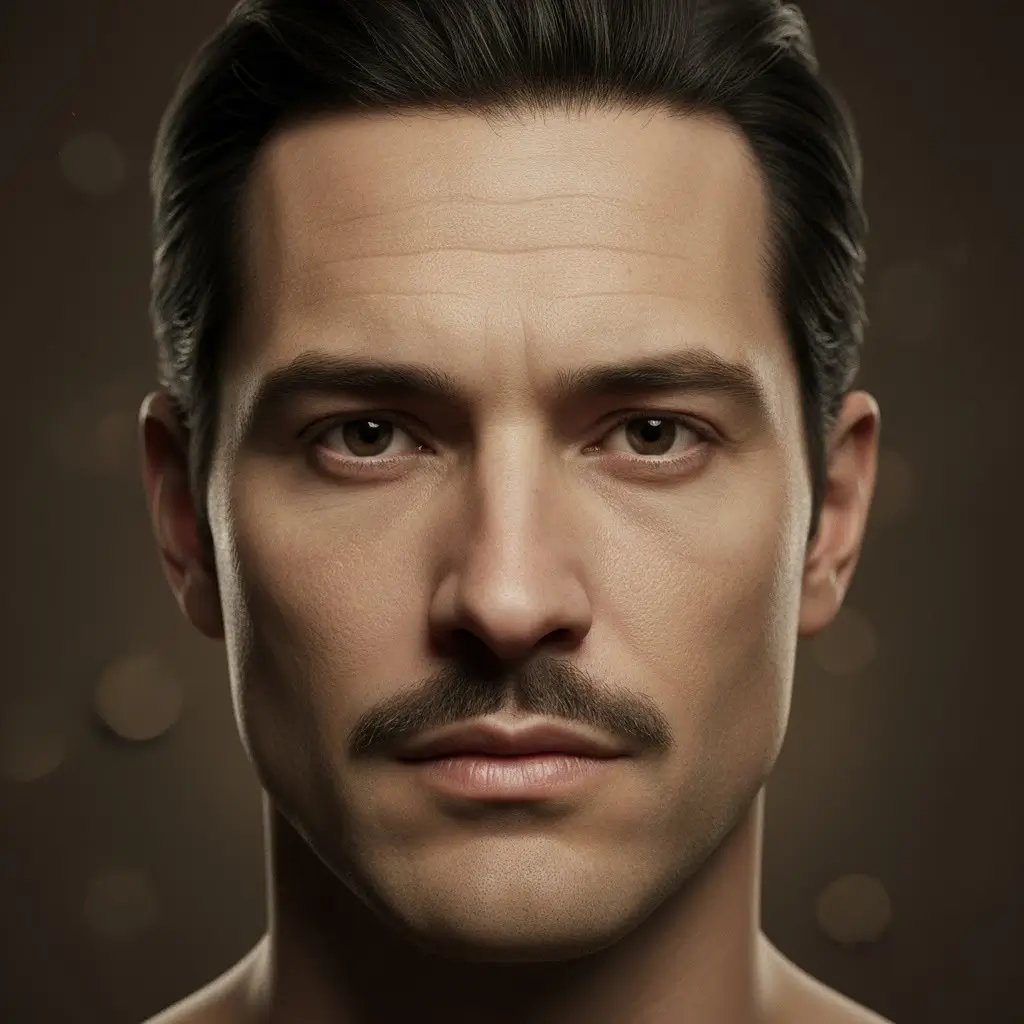
Handlebar Mustache: The Handlebar moustache is thick, with ends curled upward. While less common than other styles, it is highly distinctive and often chosen for a bold or artistic statement. It suits men with round or square faces, as the upward curls help elongate the face.
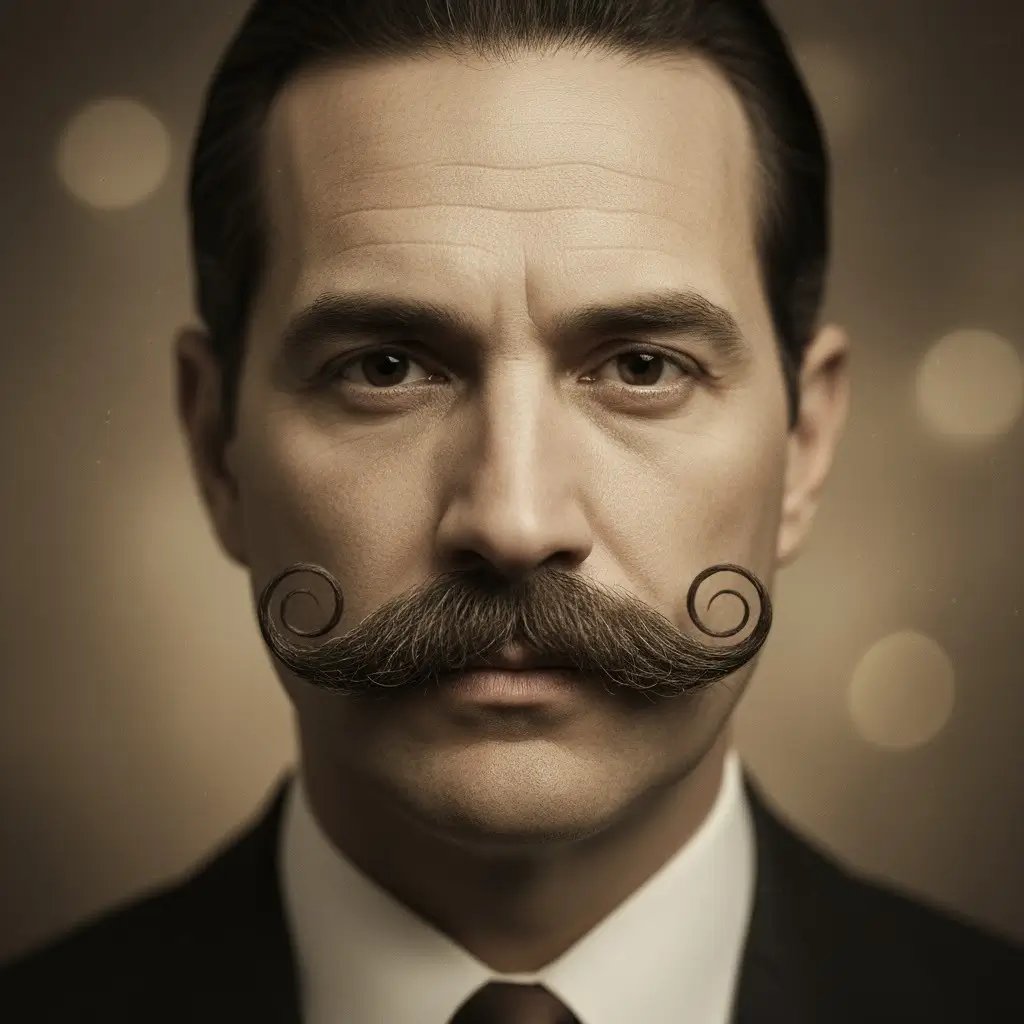
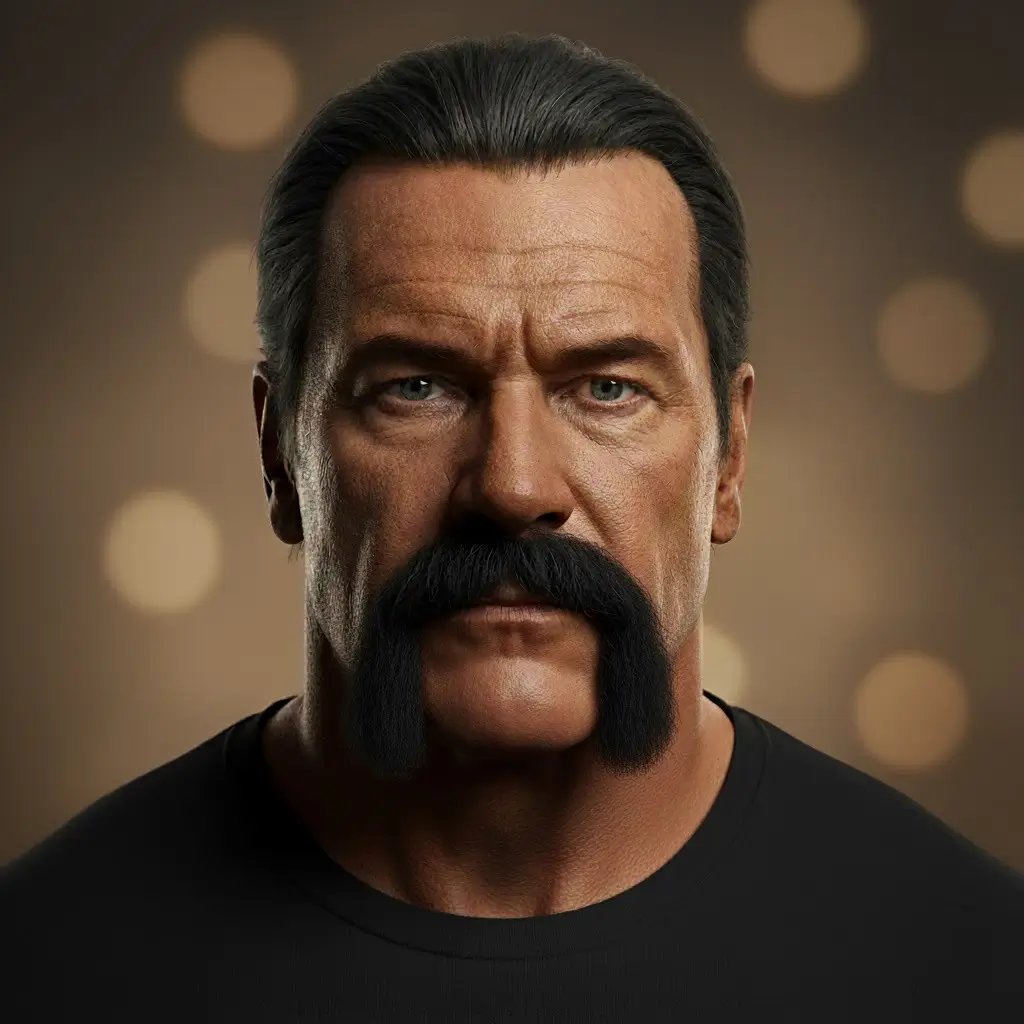
Horseshoe Mustache: The Horseshoe moustache extends downward along the sides of the mouth, creating an inverted U shape. Known as the “biker moustache,” it gives a rugged look and remains popular in subcultures. It is best suited for men with rectangular or elongated faces, as the vertical lines add width and strength to the jawline.
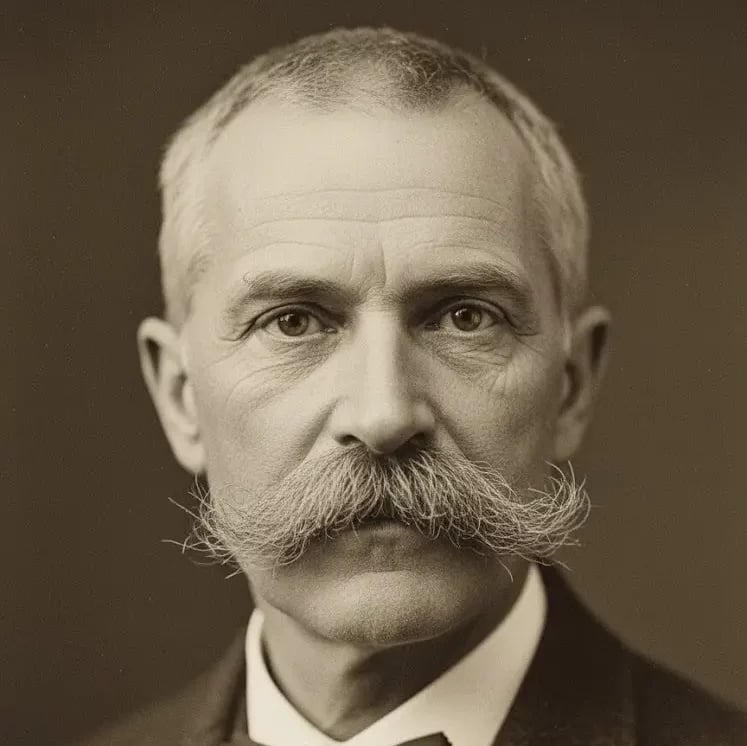
Walrus Mustache: The Walrus moustache is very thick, heavy, and droops over the lips. It was common in the 19th and early 20th centuries and still attracts men who want a bold, vintage look. This style works best for men with large or broad faces, as the fullness balances overall proportions.
Is It Possible to Style a Mustache with Gap in the Middle with Hair Transplant?
Yes, it is possible to style a moustache with a gap in the middle using a hair transplant. The procedure allows surgeons to implant hair follicles into the philtrum area, which is the central part of the upper lip where gaps most commonly occur. By placing follicles at the correct angle and density, the gap either is filled to create a continuous moustache or left slightly open but shaped more evenly, depending on the patient’s style preference.
With modern FUE techniques, most transplanted follicles take root and grow permanently, giving reliable results even in cases with a central gap. This allows men who previously had patchy or separated moustaches to achieve a fuller and more balanced look. Some patients even choose to maintain a small central gap for stylistic reasons, but a transplant ensures that the surrounding hair is dense enough to frame it naturally.
Surgeons emphasize that symmetry and direction are key. If the middle gap is caused by scarring or congenital hair absence, transplanted follicles restore coverage in that zone. For men who want to preserve a fashionable split look (similar to certain trending moustache styles), the transplant simply enhances density on either side while keeping the natural break. In both cases, the moustache gains versatility, and styling options expand beyond what natural growth allows.
How Long Does It Take for a Moustache to Grow Back?
A moustache hair transplant takes on average 9 to 12 months for full growth results. The transplanted hairs go through a predictable cycle after surgery. In the first 7–10 days, redness and small scabs appear and then fall away. By the end of the first month, most transplanted hairs shed in a process called shock loss, which is temporary. From month 3, new moustache hairs begin to sprout, and by month 6 the density becomes noticeable. The final result, with full thickness and natural texture, is usually achieved between month 9 and month 12.
Recovery time varies from person to person. Younger patients or those with strong donor hair notice earlier growth, while older patients or those with medical conditions need longer. Factors such as smoking, poor circulation, or not following aftercare instructions delay the hair transplant timeline, slow healing, and reduce graft survival.
Complications like infection prolong recovery significantly. If bacteria affect the grafts, inflammation prevents follicles from anchoring properly. This delays the growth cycle and lowers overall survival rates. For this reason, strict hygiene and post-operative care are critical. These timelines are broadly consistent with recovery patterns reported for facial hair transplants, where most patients can expect dense and natural growth by this stage.
How Hair Infection can Prolong the Recovery of Mustache Hair Transplant?
Hair infection after a moustache transplant can lead to redness, swelling, and pus around grafts, which delays the healing process. In severe cases, infection damages follicles permanently, meaning new hairs fail to grow. Treating infection quickly with prescribed antibiotics or antiseptic care is essential to protect the outcome and avoid extended recovery times.
What Are the Potential Risks and Side Effects of Mustache Hair Transplant?
A moustache hair transplant is safe in skilled hands, but some risks and side effects occur. These side effects of hair transplant depend on the method used (FUE, FUT, or DHI), patient health, and post-op care.
- Redness and Swelling: Appears in the first 3–7 days as a normal healing response. More noticeable with FUT than FUE (Rose, 2013).
- Crusting and Scabbing: Tiny scabs form in the first week and clear in 7–10 days. Improper washing extends healing (Kerure & Patwardhan, 2018).
- Shock Loss: Transplanted hairs shed in the first month, then regrow within 6–8 weeks. More common when grafts are tightly packed.
- Infection: Rare, but sometimes occurs with poor hygiene. Slightly higher risk with FUT due to larger wounds.
- Scarring: FUT leaves a linear scar, FUE leaves small dot scars. FUE scars are almost invisible when punches are 0.7–0.8 mm.
- Numbness or Tingling: Temporary nerve irritation lasts weeks to months. Sensation returns faster with FUE.
- Uneven Growth: Occurs if grafts aren't placed at 10–15° angles. This is largely technique-dependent and tied to surgeon precision.
- Keloid Formation: Rare but possible in patients prone to raised scarring. More common with FUT and darker skin types.
- Donor Area Thinning: Happens if too many grafts are harvested from one zone. Prevented by spreading extractions evenly; a point often overlooked on most websites.
Most of these effects are temporary and manageable with proper aftercare, with technique choice playing the largest role in how mild the recovery feels.
What Is the Difference Between Mustache Transplants and Mustache Implants?
A moustache transplant is a surgical procedure where natural hair follicles are taken from a donor area, usually the back of the scalp, and implanted into the upper lip. A moustache implant, in contrast, usually refers to synthetic hair fibers or artificial fillers placed in the moustache area to mimic hair.
When comparing results, moustache transplants achieve more natural and permanent outcomes. Transplanted follicles grow like normal facial hair, are shaved, trimmed, or styled, and last for life because donor follicles are resistant to hormonal loss. Implants, however, do not grow, often look less natural, and lose their texture over time.
In terms of effectiveness, moustache transplants are generally considered reliable and predictable when performed by an experienced surgeon. Implants, on the other hand, carry higher risks of rejection, infection, or breakage because the body treats synthetic fibers as foreign material.
Longevity differs. A moustache transplant is permanent, while moustache implants are temporary and require replacement within months or years, depending on the material used.
Cost comparisons reflect these differences. A moustache transplant costs $2,000–$7,000, depending on country, technique, and graft numbers, while moustache implants are cheaper upfront (around $500–$2,000) but become more expensive long-term due to repeated maintenance or replacements. The transplant procedure involves surgical follicle extraction and precise implantation, while implants are less invasive but do not integrate naturally into the skin.