
A mustache transplant or moustache transplant, is a refined form of facial hair restoration, one that restores, reshapes, or thickens hair on the upper lip using your own follicles. Whether for cultural identity, aesthetic confidence, or to fill in patchy areas caused by genetics, scarring, or hormonal changes, the moustache hair transplant offers a permanent solution with natural-looking results.
The mustache hair transplant procedure uses the FUE (Follicular Unit Extraction) method, an advanced technique where individual hair follicles are extracted from a donor area (commonly the back of the scalp) and implanted into the mustache region. The results are gradual but lasting. Once the transplanted hairs settle and begin to grow, they blend seamlessly into the surrounding facial hair.
Many people are drawn to the idea of a fuller, more symmetrical mustache, but they hesitate due to uncertainty around the mustache transplant cost and the process itself. This is where Turkey has earned its reputation, for its skilled surgeons, advanced clinics, and for affordability. As facial hair transplantation has grown as a category, Turkey has become one of the more frequently chosen destinations for the procedure.
Turkish clinics combine specialized surgical experience with lower pricing relative to Western Europe and North America (Ateş & Sunar, 2024). What costs between €3,500–€9,000 in the US is often done for a fraction of the price in Turkey, with the similar clinical standards. The mustache transplant cost that ranges between €1,500–€2,500, is much lower than in Western countries, often including full care packages with no hidden fees.
What Are the Advantages of Getting a Mustache Transplant in Turkey?
A mustache hair transplant in Turkey offers several distinct benefits: surgeon experience with facial hair procedures, lower relative pricing compared to Western Europe and North America, minimal wait times, and strong support for international patients. Turkish specialists place particular emphasis on hair angle and density matching when designing mustache transplant results.
- Medical Expertise and Experience: Turkish clinics perform thousands of moustache hair transplant procedures annually. Surgeons in these clinics are highly specialized in facial hair transplantation, with deep, hands-on experience in follicular unit extraction (FUE) techniques applied specifically to the upper lip region.
- Affordable Mustache Transplant Cost: The mustache transplant cost in Turkey is between €1,500–€2,500, often 30–80% less than the same procedure in Western Europe or North America (Lunt et al., 2011). This price usually includes the surgery, consultation, medications, accommodation, airport transfers, and follow-ups, offering excellent value.
- Natural Aesthetic Results: Surgeons in Turkey pay meticulous attention to hair direction, angulation, and density, which are critical for a natural-looking mustache. This detail-oriented approach is crucial for men aiming to achieve the refined, masculine appearance associated with the “Turkish mustache man”, a cultural icon symbolizing strength, maturity, and pride.
- Established Medical Tourism Infrastructure: Turkey is among the countries with a significant medical tourism sector. Clinics cater specifically to international patients with multilingual staff, seamless scheduling, and personalized care. Over 750,000 foreign patients sought cosmetic and medical procedures in Turkey in 2022 alone (Turkish Ministry of Health, 2022).
- Quick Scheduling and Recovery Support: In Turkey, waiting lists are minimal. Most clinics book a consultation and procedure within a week. Recovery is supported with dedicated follow-up teams, online consultations, and comprehensive aftercare kits designed for international travelers (Collins et al., 2022).
Despite Turkey’s strengths, a few moustache hair transplant drawbacks exist. Long travel is tiring post-surgery, and minor issues like swelling need local care at home (Dinçer et al., 2016). Clinic quality varies, some budget options cut corners, affecting outcomes (Gürleyen & Çınar, 2021). Language barriers, though rare, impact follow-up (Altın et al., 2012).
Vera Clinic offers professional translation services and personalised support throughout your medical journey, ensuring seamless communication every step of the way.
Why Choose Vera Clinic for Mustache Transplants in Turkey?
Awarded with the European Awards in Medicine 2021 in the Hair Transplant Surgery category, Vera Clinic is widely recognized as one of the leading clinics in Turkey for mustache hair transplants. The clinic is led by one of Turkey’s best hair transplant surgeons, with over 5,000 successful beard and moustache cases, consistent with Vera Clinic's reported 96% success rate for moustache transplantation.
What sets Vera Clinic apart is its specialization in facial hair design. As a highly experienced beard transplant clinic, it combines surgical precision with an artistic understanding of facial symmetry, especially in delicate areas like the upper lip. Whether the goal is to enhance masculinity, restore hair after scarring, or reshape a patchy mustache, a Vera Clinic mustache transplant offers a permanent, natural-looking solution trusted by both local and international patients.
What is Included in a Vera Clinic Hair Transplant Package?
A Vera Clinic hair transplant package is structured to cover the full patient journey, from pre-operative assessment through the procedure itself to post-operative recovery support.
- Accommodation: 2 to 3 nights in a 4- or 5-star partner hotel, near the clinic.
- VIP Transfers: All airport–hotel–clinic transportation with private drivers.
- Medical Consultation: Pre-operative assessment, hair analysis, and custom treatment plan.
- Hair Transplant Procedure: Performed using Sapphire FUE, DHI, or another suitable technique.
- PRP Therapy: Platelet-Rich Plasma treatment to support graft survival and healing.
- Medications: Post-op antibiotics, pain relievers, and anti-inflammatory prescriptions.
- Hair Care Kit: Includes medical shampoo, lotion, and aftercare instructions.
- Translator Support: Multilingual team assistance in English, French, Arabic, Spanish, and more.
- Growth Guarantee: Up to 18 months of follow-up support for graft success.
Accommodation, procedure, and aftercare are bundled into a single coordinated package rather than arranged separately.
How Successful Are Mustache Hair Transplants in Turkey?
Mustache hair transplantation in Turkey is generally regarded as a successful procedure when performed by qualified surgeons in accredited clinics. Due to the country's specialization in hair restoration and facial aesthetics, mustache transplant success rates in Turkey are reported to be one of the leading destinations globally.
In a retrospective case series of patients who underwent beard and moustache restoration using FUE, the majority of patients rated the outcome as satisfactory or very satisfactory at a median follow-up of 39 months (Civaş et al., 2020).
Mustache-region outcomes are also documented in a retrospective cohort analysis by Vera Clinic Academy of single-region Sapphire FUE hair transplantation to the beard, moustache, eyebrow, and sideburn. Among 15 mustache-region patients assessed at 12 months, graft survival averaged 91.8% (range 82–99%), and independent observer rating scored naturalness and symmetry as good to very good in 86.7% of cases. Mean patient-reported satisfaction was 4.3 out of 5, and all recorded complications (13.3%) were mild and transient, according to the Facial Hair Transplant Satisfaction Study (Vera Clinic Academy, 2026).
“The mustache is one of the most unforgiving zones in hair restoration. The skin is thinner, the blood supply is directional, and even a one-degree error in angle becomes visible once the hair grows. What determines success isn’t graft survival alone, but follicle exit choreography. In mustache transplants, we implant fewer grafts per square centimeter than the scalp, but with tighter directional control. When that balance is right, survival follows naturally. When it’s wrong, even a 95% take rate still looks artificial.”
-Dr. Emin Gül (Vera Clinic Surgeon)
In a case series of 20 patients who underwent FUE-based facial hair reconstruction, transplanted hair began growing at 3 months and was fully established by 12 months, with density outcomes rated favorably in cases of congenital hair absence, though more variable in cases involving burn or post-acne scarring, illustrating how case-specific factors shape the hair transplant success rate (Yaseen et al., 2021).
How Much Are Mustache Transplants in Turkey?
The average mustache transplant cost in Turkey ranges between €1,500 and €2,500 depending on several individual and clinic-specific factors. Compared to Europe or North America, where similar procedures exceed €5,000, Turkey offers a cost-effective yet medically advanced alternative. This pricing difference, combined with the availability of experienced facial hair transplant surgeons, is a common reason patients travel to Turkey for facial hair restoration.
Several factors influence the moustache hair transplant cost in Turkey. The extent of hair loss plays a major role, patients needing fuller or more dense coverage will require a higher number of grafts, which increases the total cost. The chosen technique matters; advanced methods such as Sapphire FUE or DHI tend to be priced slightly higher due to their precision and faster healing. Additionally, the reputation of the clinic, the surgeon’s experience, and whether services such as VIP transfers, hotel accommodation, translation support, and post-op care are included in the package all impact the final price.
How Much Do Mustache Transplants Cost in Turkey Compared to Other Countries?
The cost of mustache hair transplant procedures varies greatly from one country to another, depending on clinic quality, surgeon experience, available technology, and what’s included in the treatment package. Turkey remains one of the most cost-effective and trusted destinations, offering high-quality mustache transplants for an average of €1,500 and €2,500.
Other popular countries like India, Thailand, and Mexico offer affordable moustache transplant procedures, with costs ranging between €950 and €3,500 depending on the technique (such as Sapphire FUE or DHI), graft numbers, and post-op services. In comparison, treatments in the United Arab Emirates or the United States reach as high as €5,500 or more, without inclusive packages.
Several key factors influence the overall cost of a mustache transplant. The technique used (such as Sapphire FUE, DHI, or standard FUE) affects pricing, with more advanced methods costing more due to their precision and efficiency. Additionally, the clinic’s reputation, international medical certifications, and the experience level of the surgical team raise or lower the cost. Many clinics offer all-inclusive packages that cover hotel accommodation, airport transfers, post-operative medication, and follow-up care; factors that add value and convenience to the final price.
In the context of cost-effectiveness, countries like Turkey, India, and Thailand are commonly compared as budget-friendly destinations for mustache transplants. Turkey in particular is praised for its high surgeon experience, affordable pricing, and medical tourism infrastructure.
| Country | Avg. Cost (EUR) |
| Turkey | €1,500 – €2,500 |
| India | €950 – €3,500 |
| Thailand | €1,000 – €4,000 |
| Mexico | €1,500 – €4,000 |
| United Arab Emirates | €3,700 – €5,500 |
Country-to-country price differences largely track technique availability, service inclusions, and accreditation standards rather than the procedure itself.
How Does the Cost of Mustache Transplants in Turkey Differ by the Technique Used?
Different mustache hair transplant techniques are employed to deliver natural-looking and long-lasting results, with each method offering a distinct trade-off between precision, healing time, and cost, factors that ultimately shape which hair transplant techniques best suit a given patient.
1. Moustache FUE Transplant Cost in Turkey
FUE (Follicular Unit Extraction) is a minimally invasive method where individual follicles are harvested from the donor area (usually the back of the scalp) and implanted into the mustache region. The various components of a FUE moustache hair transplant are described below:
- Cost Range: Ranges from €1,500 to €2,500
- Advantages: Minimal scarring, shorter recovery, suitable for small or moderate graft needs
- Disadvantages: Time-consuming for large areas; requires skill for facial symmetry
- Distinct Feature: Follicles are removed one by one, reducing visible scarring
- Key Characteristics: Precision, versatility, commonly used in facial hair procedures
Opt for Standard FUE over FUT if you want a balanced approach: less scarring than FUT and a lower cost than Sapphire FUE or DHI, though with slightly less precision.
2. Moustache DHI Transplant Cost in Turkey
DHI (Direct Hair Implantation) is a technique where hair follicles are extracted and implanted simultaneously using a Choi implanter pen; ideal for dense and natural facial designs. The various components of a DHI moustache hair transplant are described below:
- Cost Range: Ranges from €2,000 to €2,500
- Advantages: High precision, no channel opening, faster implantation, better for density
- Disadvantages: Higher cost, longer surgery time, requires advanced expertise
Distinct Feature: Use of Choi pens allows direct placement of each graft without prior incisions - Key Characteristics: Ideal for detailed mustache shaping, reduced trauma to skin
DHI is chosen over FUT because DHI allows precise placement without scarring (crucial for facial areas) while FUT leaves a visible linear scar and lacks accuracy in direction.
3. Moustache FUT Transplant Cost in Turkey
FUT (Follicular Unit Transplantation), called the strip method, involves removing a strip of scalp, dissecting it into grafts, and implanting those into the mustache area. The various components of a FUT moustache hair transplant are described below:
- Cost Range: Ranges from €1,000 to €2,500
- Advantages: More grafts in one session, lower cost
- Disadvantages: Linear scar in donor area, longer recovery, not ideal for facial hair
- Distinct Feature: Strip harvesting method; not commonly preferred for mustaches today
- Key Characteristics: More suitable for scalp restoration than precise facial work
Pick FUT only if cost is a major concern and graft quantity is more important than aesthetics, though it’s rarely recommended for facial hair today.
4. Mustache Sapphire Transplant Cost in Turkey
Sapphire FUE is an enhanced version of FUE that uses sapphire-tipped blades for channel opening, offering higher precision and reduced tissue trauma. The various components of a Sapphire FUE moustache hair transplant are described below:
- Cost Range: Ranges from €2,000 to €2,500
- Advantages: Faster healing, finer incisions, higher graft survival
- Disadvantages: Slightly more expensive than standard FUE, not available in all clinics
- Distinct Feature: Sapphire blades allow smaller, cleaner incisions compared to steel
- Key Characteristics: Ideal for natural direction, density, and recovery in facial transplants
Choose Sapphire FUE over Standard FUE if you want faster healing and a more natural look, thanks to its finer, sapphire-tipped blades.
What Are the Factors to Consider when Choosing a Mustache Transplant Technique in Turkey?
Choosing the right mustache transplant technique in Turkey depends on your personal goals, your physical requirements and your budget. The factors listed below help guide your decision:
- Graft requirement: The number of grafts needed depends on how sparse or patchy your mustache area is. DHI or Sapphire FUE provide more control over density and placement, while FUT offers more grafts in a single session.
- Desired shape and density: If you're aiming for sharp definition or dense volume, DHI is the most suitable. It allows for high-precision implantation, ideal for customizing facial hair lines and symmetry.
- Healing and downtime: Sapphire FUE and DHI offers quicker healing with less skin trauma, while FUT has a longer downtime and leaves a visible scarring in the donor site.
- Skin and hair type compatibility: Some techniques are better for certain hair textures or skin types. FUE and Sapphire FUE are recommended for coarse or curly hair types due to their individual follicle handling.
- Budget: Standard FUE is generally more affordable, while DHI and Sapphire FUE come at a premium due to their complexity and required tools. FUT, although cheaper, is less commonly recommended today due to scarring.
- Clinic and surgeon expertise: Not all clinics are equally skilled in every technique. It’s essential to choose a clinic, like Vera Clinic, with experience across multiple methods and a track record of delivering natural, high-density mustache results.
No single technique is universally best; the right choice depends on how graft needs, healing tolerance, and budget align for each patient.
What Is the Process for Moustache Transplants in Turkey?
A moustache transplant in Turkey follows a medically supervised and highly specialized process. Below are the key steps from consultation to final recovery:
- Consultation: The doctor evaluates your facial hair density and donor area availability. The most suitable technique is determined and the number of grafts needed are estimated.
- Planning & design: A custom moustache design is created based on facial symmetry, hair direction, and patient preference. The surgeon maps out the area, defining graft distribution and desired density for a natural look.
- Donor area preparation: Hair follicles are extracted from the back of the scalp, using a method like FUE or DHI. This area is trimmed and locally anesthetized for comfort.
- Graft extraction: Depending on the technique, individual follicles (usually 1–3 hairs per graft) are harvested. In Sapphire FUE, for example, a micromotor tool is used to ensure precision.
- Implantation into the mustache area: Grafts are implanted into the upper lip using specialized tools. DHI allows for direct placement without pre-cutting channels, ensuring precise angle and depth.
Each step builds on the last, from donor assessment to final placement, so that angle and density decisions made early carry through to the finished result.
Who Is a Suitable Candidate for a Mustache Transplant in Turkey?
The ideal candidate for a mustache transplant in Turkey is a healthy individual with thin, patchy, or uneven facial hair growth, whether due to genetics, scarring, or past trauma.
Men with stable donor hair at the back of the scalp and realistic expectations about the results are best suited for a hair transplant for mustache.
Individuals with active skin conditions (like folliculitis or severe eczema), autoimmune disorders such as alopecia areata, or poorly controlled chronic illnesses face increased risks or lower success rates.
Not every male candidate qualifies for a mustache hair transplant in Turkey. Eligibility for a successful hair transplant for a mustache depends on overall health, donor hair quality, and skin condition, which is why a thorough evaluation is required before proceeding.
What Mustache Styles Are Available Through Mustache Transplants in Turkey?
Mustache transplants in Turkey are not just about restoring lost facial hair, they’re about crafting a personal style. At Vera Clinic, patients choose from a range of mustache styles, with the most popular ones explored.
Chevron: The Chevron is a thick, full mustache shaped like an upside-down V that covers the upper lip. It's one of the most requested styles due to its bold, masculine appeal. Ideal for men with oval or rectangular face shapes.
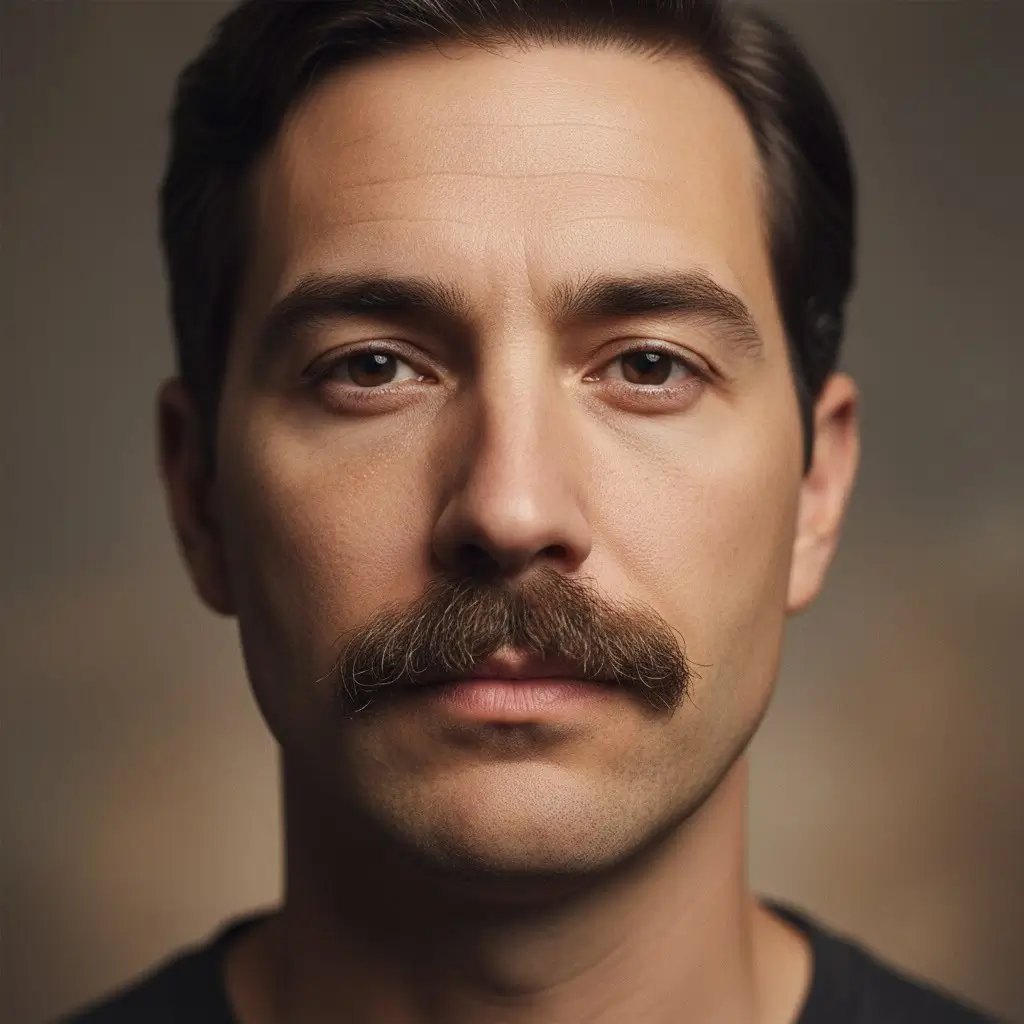
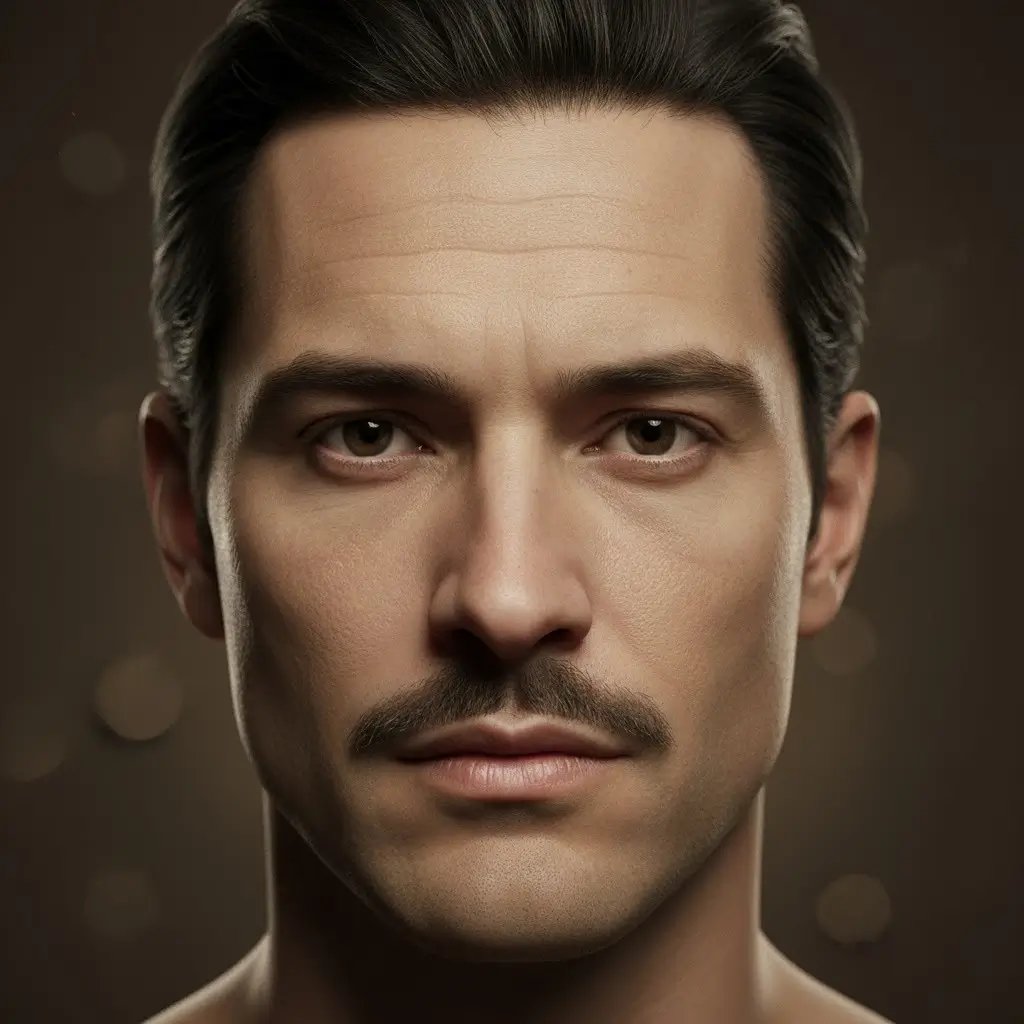
Pencil: This sleek and narrow mustache lies just above the upper lip in a fine line. Popular among those seeking a vintage or refined style, the Pencil mustache works best on slimmer faces with defined features.
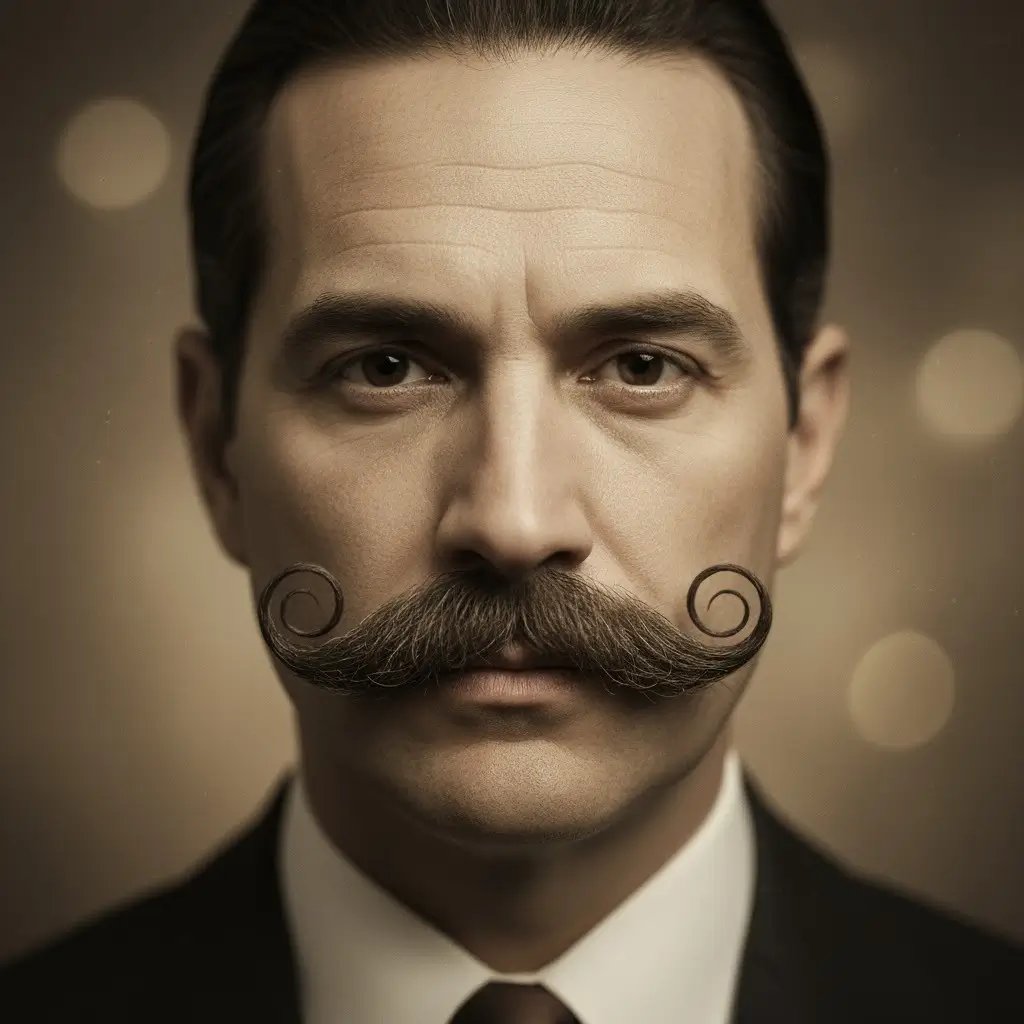
Handlebar: Known for its curled tips and expressive flair, the Handlebar mustache adds character and personality. It’s a favorite among men who enjoy grooming and stand-out styles. This look suits longer or angular faces.
Horseshoe: Bold and structured, the Horseshoe mustache extends vertically down the sides of the mouth, forming an upside-down U shape. Often seen in athletes or those going for a rugged image, it’s ideal for round or square face shapes
Walrus: Thick, heavy, and often draping over the lip, the Walrus style offers a mature, intellectual aesthetic. Best for wide or rectangular faces, this mustache type is ideal for men with coarse hair or ample donor follicles.
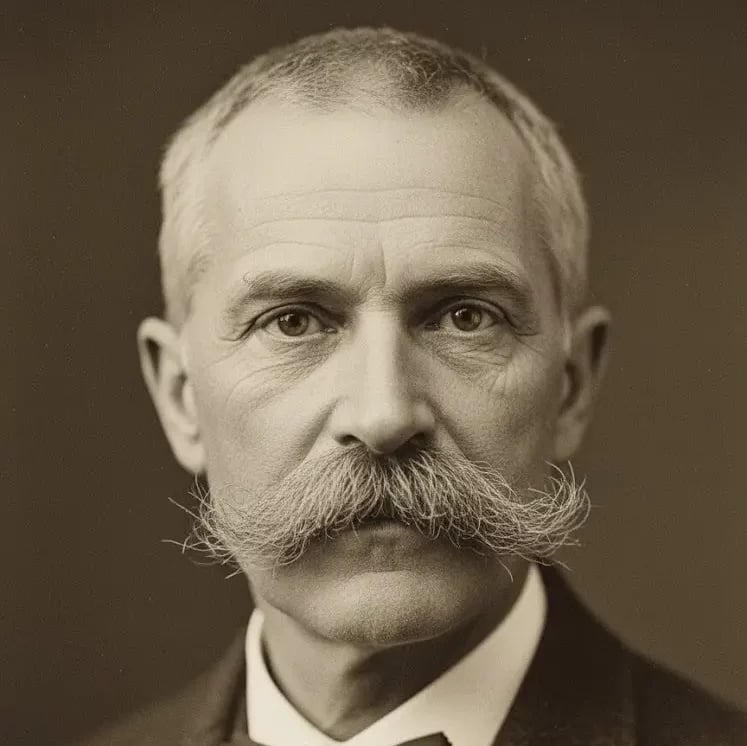
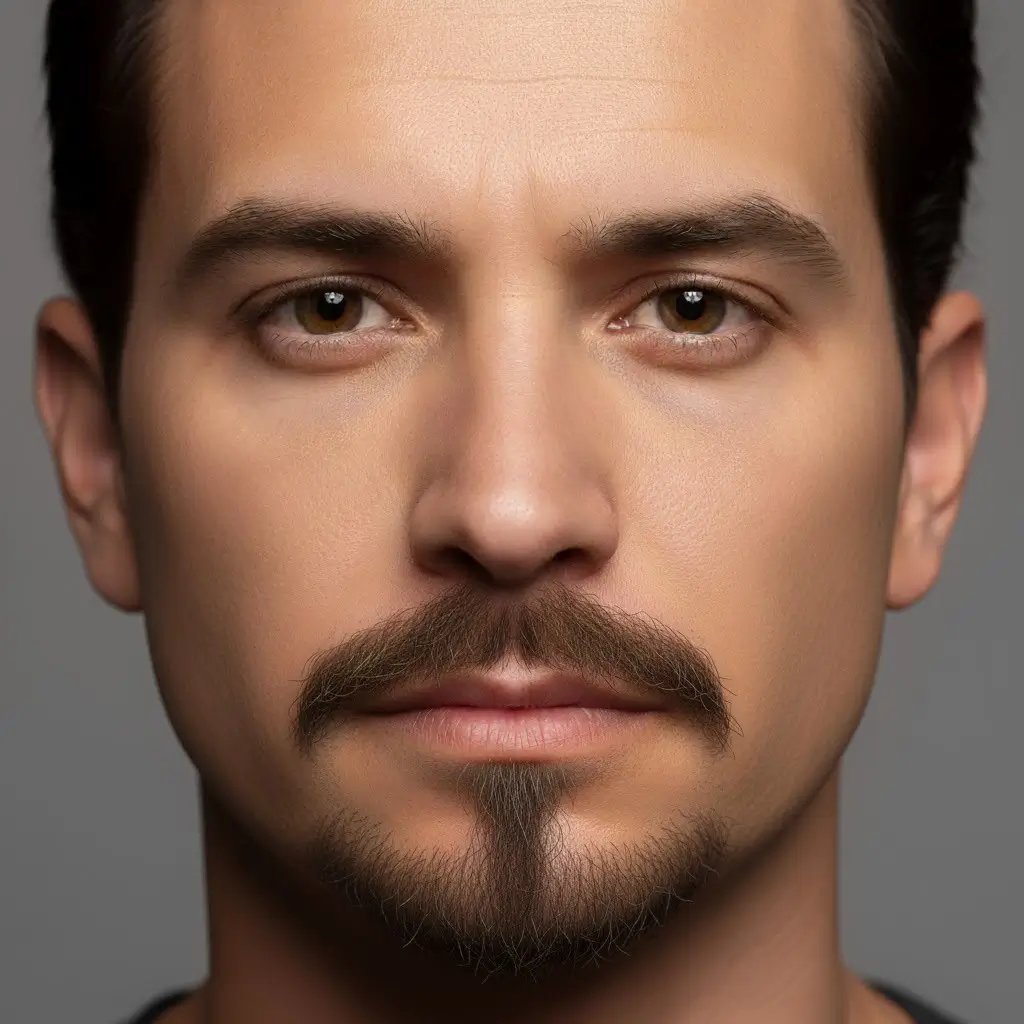
Anchor: The Anchor combines a pointed beard and a defined mustache to mimic the shape of a ship’s anchor. It’s a stylish, structured choice that pairs well with strong jawlines and heart-shaped faces.
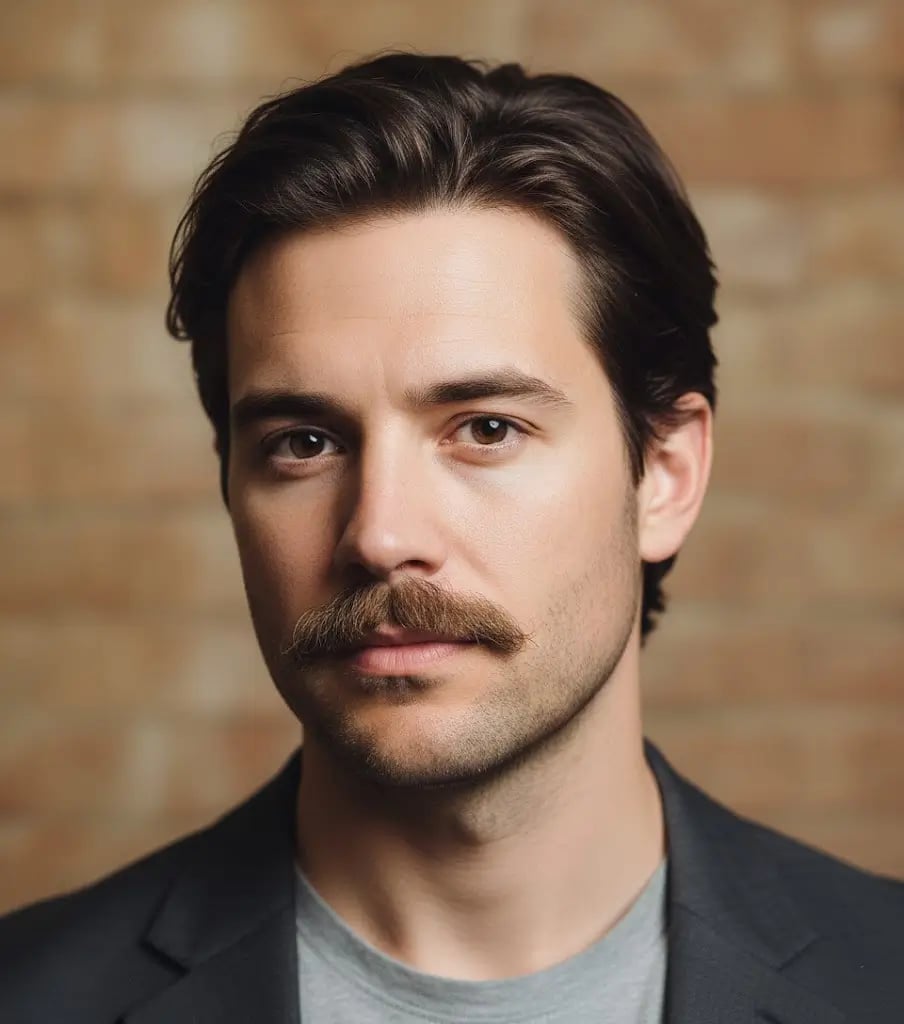
Painter’s Brush: Simple yet full, the Painter’s Brush covers the entire upper lip without extending past the corners of the mouth. It offers a clean, masculine look and suits most face shapes, especially oval or diamond.
How Long Does the Mustache Transplant Procedure Take in Turkey?
A mustache transplant in Turkey takes 2 to 5 hours, depending on factors like the number of grafts, the chosen technique (such as FUE, DHI, or Sapphire FUE), and the level of design precision. DHI offers meticulous control over hair direction as well as density; thus, it requires great precision and the medical expertise of the surgeon. Owing to its sapphire-tipped blades, Sapphire FUE enables tighter incisions and allows transplanting up to 4,000 grafts or more in a single session with minimal trauma.
Do Different Types of Techniques in Turkey Have Different Procedure Lengths?
Yes, the duration of a mustache transplant in Turkey varies by technique. DHI takes the longest (around 4–5 hours) due to its precise, direct implantation method using a Choi pen. FUE and Sapphire FUE last 3–4.5 hours, with Sapphire offering finer incisions for better healing. FUT, though rarely used for mustaches, is quicker (2–3 hours) but less precise and leaves a linear scar. The choice of technique affects both the timing and the final aesthetic outcome.
What's the Recovery Timeline for Mustache Hair Transplants in Turkey?
The recovery timeline for a mustache hair transplant in Turkey unfolds in distinct phases. In the early recovery phase (first 5–7 days), patients experience mild redness, swelling, and tiny scabs around the transplanted area.
By the mid-recovery phase (2–4 weeks), scabs fall off naturally, and transplanted hairs begin to shed, a normal process called “shock loss.” Patients should avoid shaving and refrain from using harsh skincare products.
In the long-term healing and hair growth phase (months 3–12), new hairs gradually begin to grow with visible improvements seen by month 4. Reaching maximum density and full hair growth takes place between 9 to 12 months, consistent with the general hair transplant recovery timeline seen across facial hair procedures.
What Are the Things to Avoid in Mustache Transplant Recovery Phases?
Certain habits can disrupt healing or reduce graft survival during the recovery period. Patients should avoid the following:
- Touching or scratching the transplanted area, especially within the first week
- Shaving the mustache area for at least 3–4 weeks
- Direct sun, steam, or sweat exposure, particularly in the first week
- Smoking and alcohol consumption, which can slow healing
- Harsh skincare products on or near the recipient area
Following these precautions during the early recovery window helps protect the grafts and supports a natural, even growth pattern.
How Long Do Mustache Transplant Results in Turkey Last?
Mustache transplants performed in Turkey are generally permanent, as they use hair follicles extracted from the patient’s own donor area at the back of the scalp which are genetically resistant to hair loss. Once these follicles are transplanted into the mustache region and successfully take root, they continue to grow naturally for a lifetime, just like native facial hair.
Long-term success depends on several factors. These include the quality of the donor hair, the skill of the surgical team, post-operative care, and the patient’s overall health (Khanna, 2008).
Conditions such as alopecia areata, uncontrolled hormonal imbalances, or chronic stress, in rare cases, affect the longevity of results (Jimenez et al., 2021). Improper graft handling or poor technique leads to lower survival rates of the transplanted hairs (Parsley, 2010).
Moustache transplants in Turkey last a lifetime, especially when performed at a reputable clinic like Vera Clinic. Success lies in the combination of experienced surgeons, modern techniques, and diligent aftercare, all of which support the long-term permanency of hair transplant results (Dua et al., 2021).
How Do Mustache Transplants Differ from Beard Transplants in Turkey?
While both facial-hair restoration procedures use similar harvesting techniques like FUE or DHI, a mustache transplant focuses solely on the upper lip area. This requires far more precision in hair angle, direction, and symmetry around the mouth and philtrum (Bared, 2019).
Beard transplantation Turkey, covering larger areas such as the cheeks, chin, jawline, and sideburns, demands a greater number of grafts and varied implantation angles to mimic natural facial hair patterns (Dua et al., 2021).
FUE is highly effective for both mustache and a beard transplant in Turkey, provided it’s performed by skilled practitioners using fine grafts and precision tools tailored to different facial zones (García & Garces, 2020).
Best practices in facial hair restoration emphasize that each facial region has unique anatomical needs, particularly in graft direction and density, which must be handled distinctly during transplantation (Epstein, 2013).
Are Moustache Hair Transplants Better Than Moustache Hair Implants?
Yes. Mustache transplants outperform mustache implants. Transplants involve extracting your own hair follicles and implanting them into the upper lip, ensuring both natural growth and durability. Implants rely on biocompatible synthetic fibers, which do not integrate well, causing rejection, and offering only temporary results.
A moustache transplant using the patient's own hair follicles produces a permanent result, unlike synthetic implants, which carry a risk of rejection and require replacement. The more artificial moustache implant method seems easier, but it often falls short on appearance, durability, and integration.In cases such as insufficient donor hair or certain medical conditions, implants are considered (Näslund-Koch et al., 2020). Transferrable hair provides more reliable, natural, and lasting outcomes.