

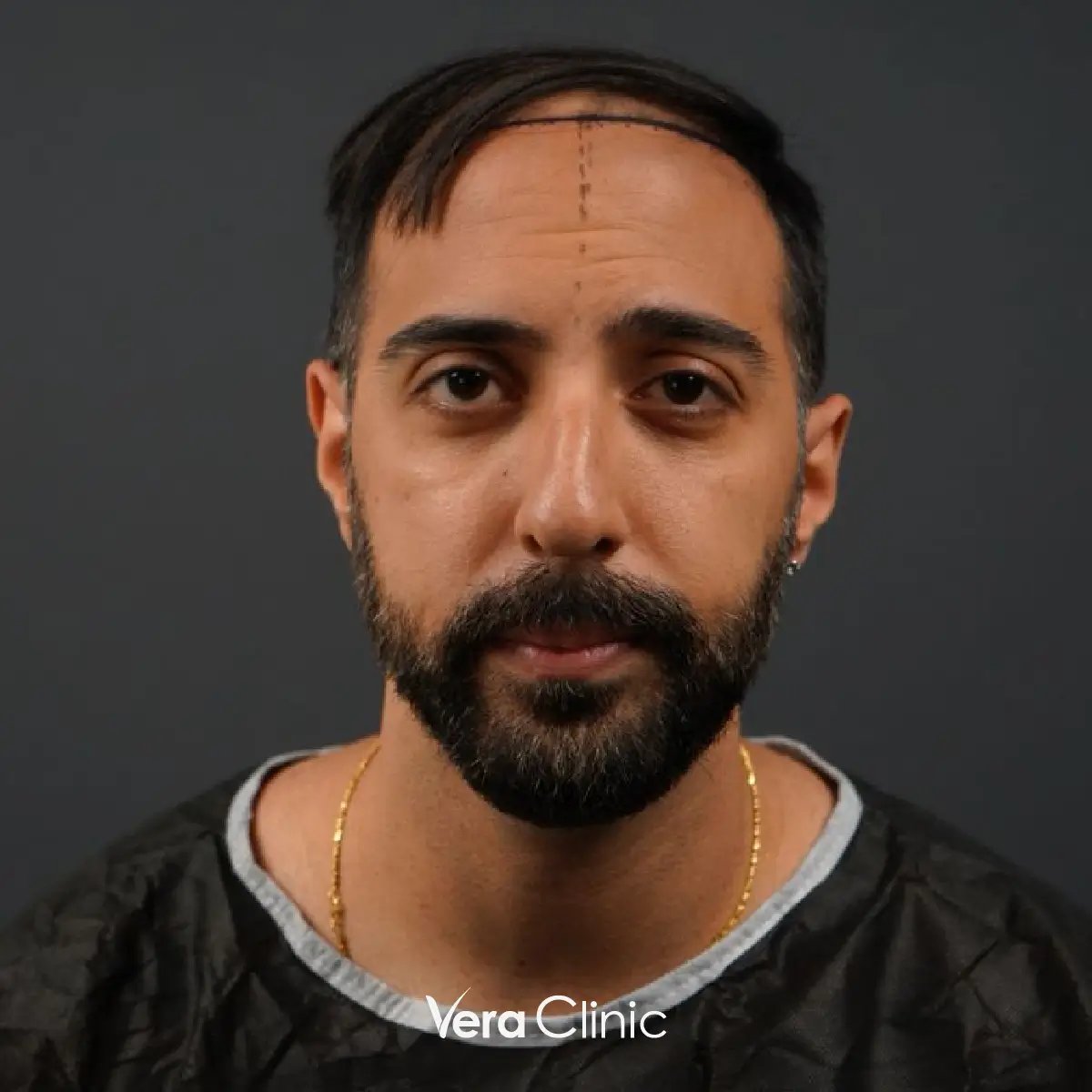
Hair transplant before and after images show the clear change from thinning areas to natural density. Aftercare is vital to protect fragile grafts and keep survival rates near 90–95%. Before and after hair transplant reflects both visible results and emotional renewal. Modern hair restoration methods like FUE, DHI, FUT, Sapphire FUE, and stem cell support create seamless, scar-free outcomes. Turkey is a major destination for affordable hair transplant procedures.
Which Hair Transplant Technique Shows the Best Before and After Results?
The best results depend on matching the right technique to the patient’s hair type, scalp condition, and density goals. FUE, DHI, Sapphire FUE, FUT, and stem cell–enhanced transplants each offer unique advantages; from scar-free healing to higher graft survival. Modern clinics in Turkey, like Vera Clinic, refine these hair transplant techniques to reach 90–95% graft survival rates and natural hairline angles.
What do the FUE Hair Transplant Technique before and after Results Look like?
FUE hair transplant results show natural density and minimal scarring.
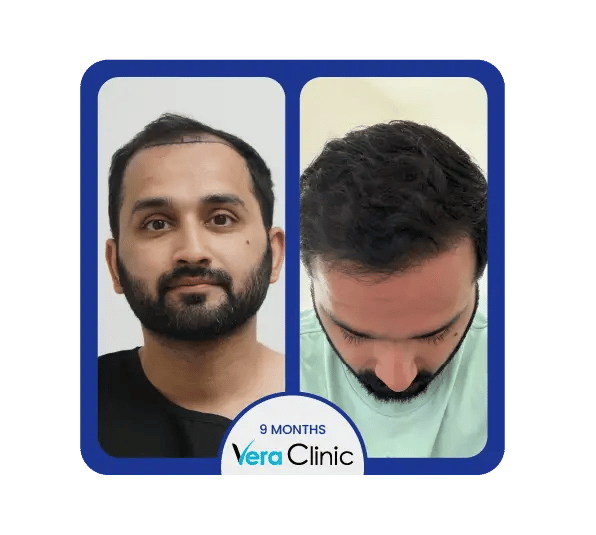
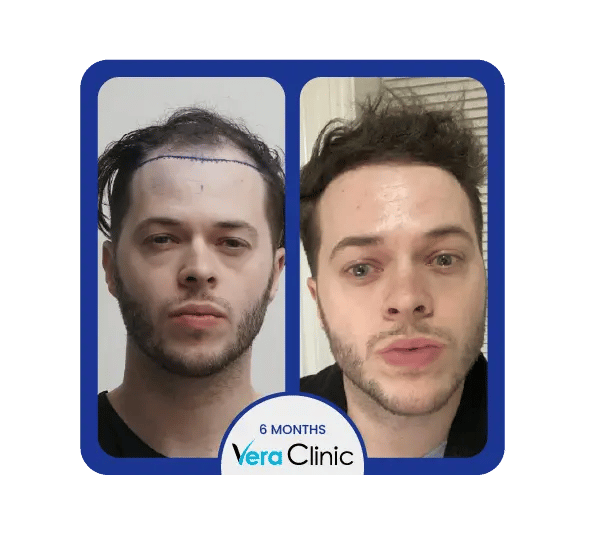
What do the DHI Hair Transplant Technique before and after Results Look like?
DHI hair transplant before and after images display precise hairline design and faster recovery.
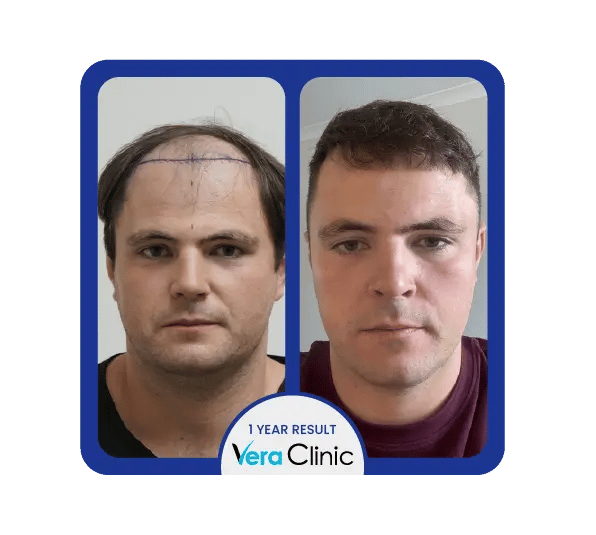
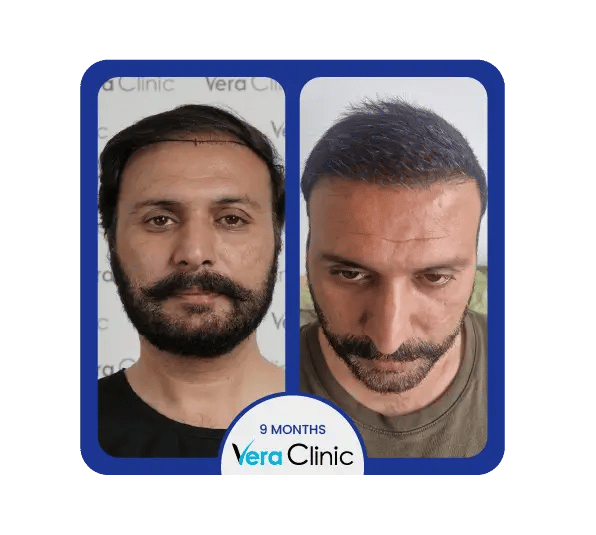
What do the Sapphire FUE Hair Transplant Technique before and after Results Look like?
Sapphire FUE hair transplant before and after photos highlight cleaner incisions and quicker healing with seamless density.
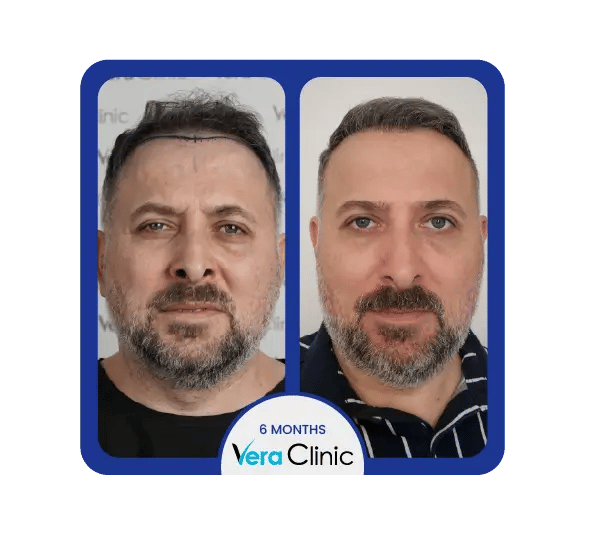
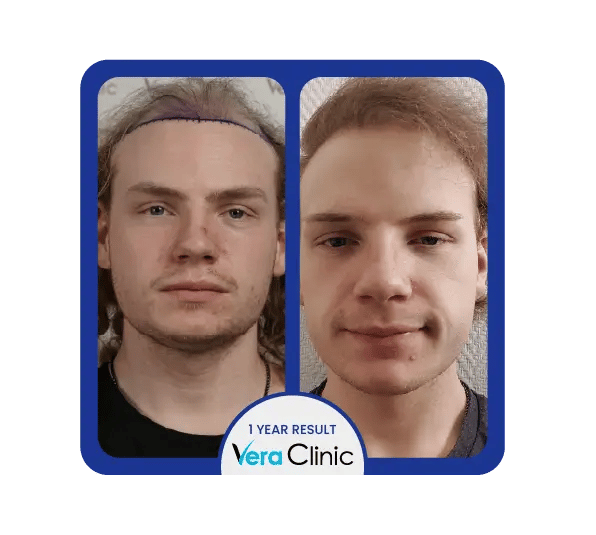
What do the Stem Cell Hair Transplant Technique before and after Results Look like?
Stem cell hair transplant before and after images show improved graft survival and thicker regrowth.
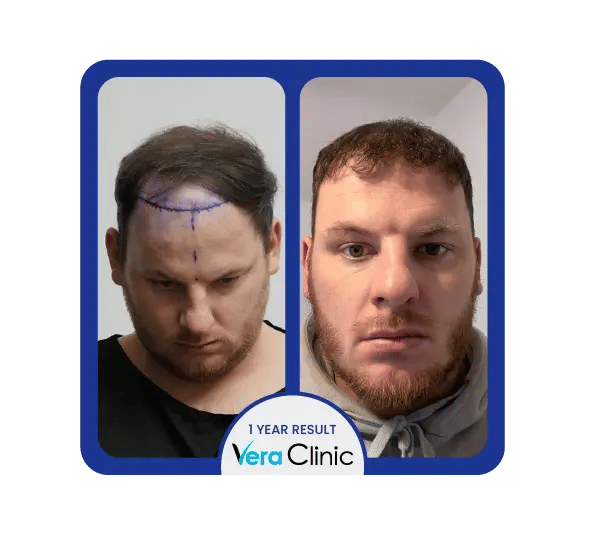
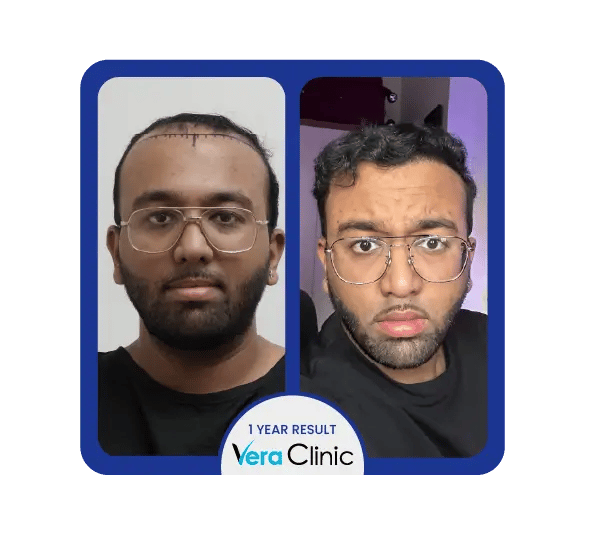
Which Type of Hair Transplant Shows the Best Before and After Results?
Different types target different areas: beard, mustache, eyebrow, sideburn, and female hairline restoration. Beard and eyebrow transplants require fine graft placement for density without visible scarring. Female hairline correction uses smaller grafts to maintain softness.
What do the Female Hair Transplant Technique before and after Results Look like?
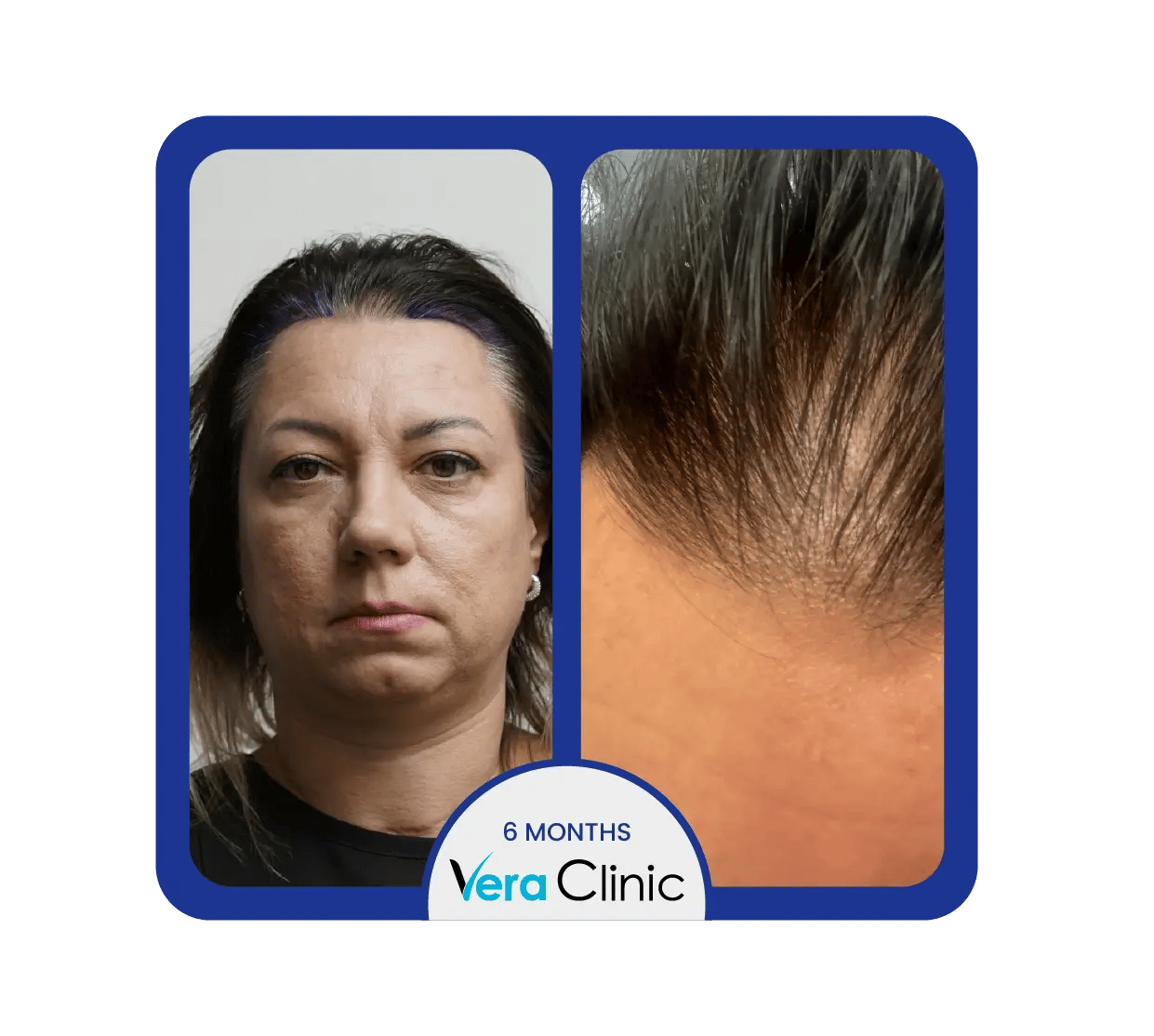
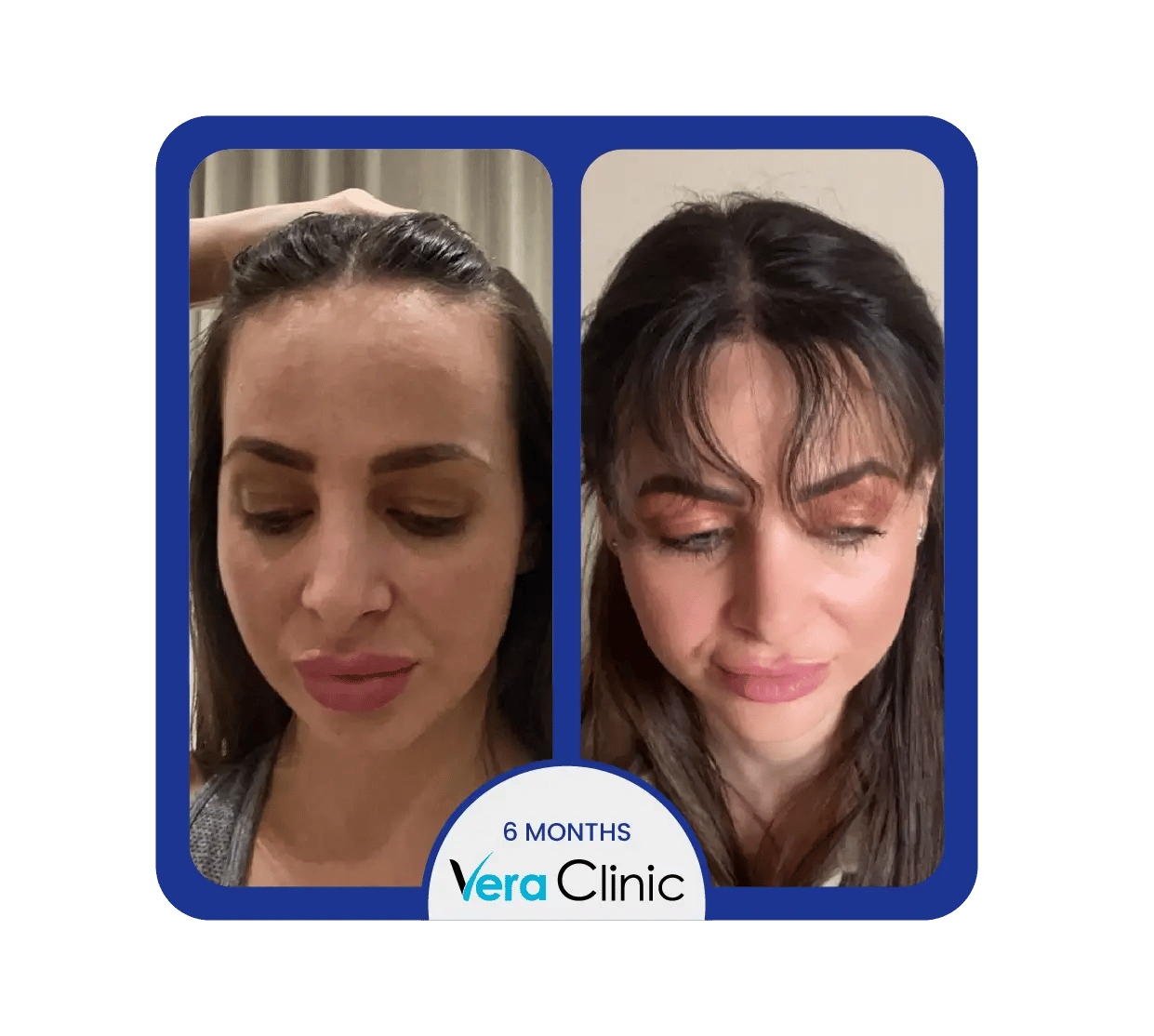
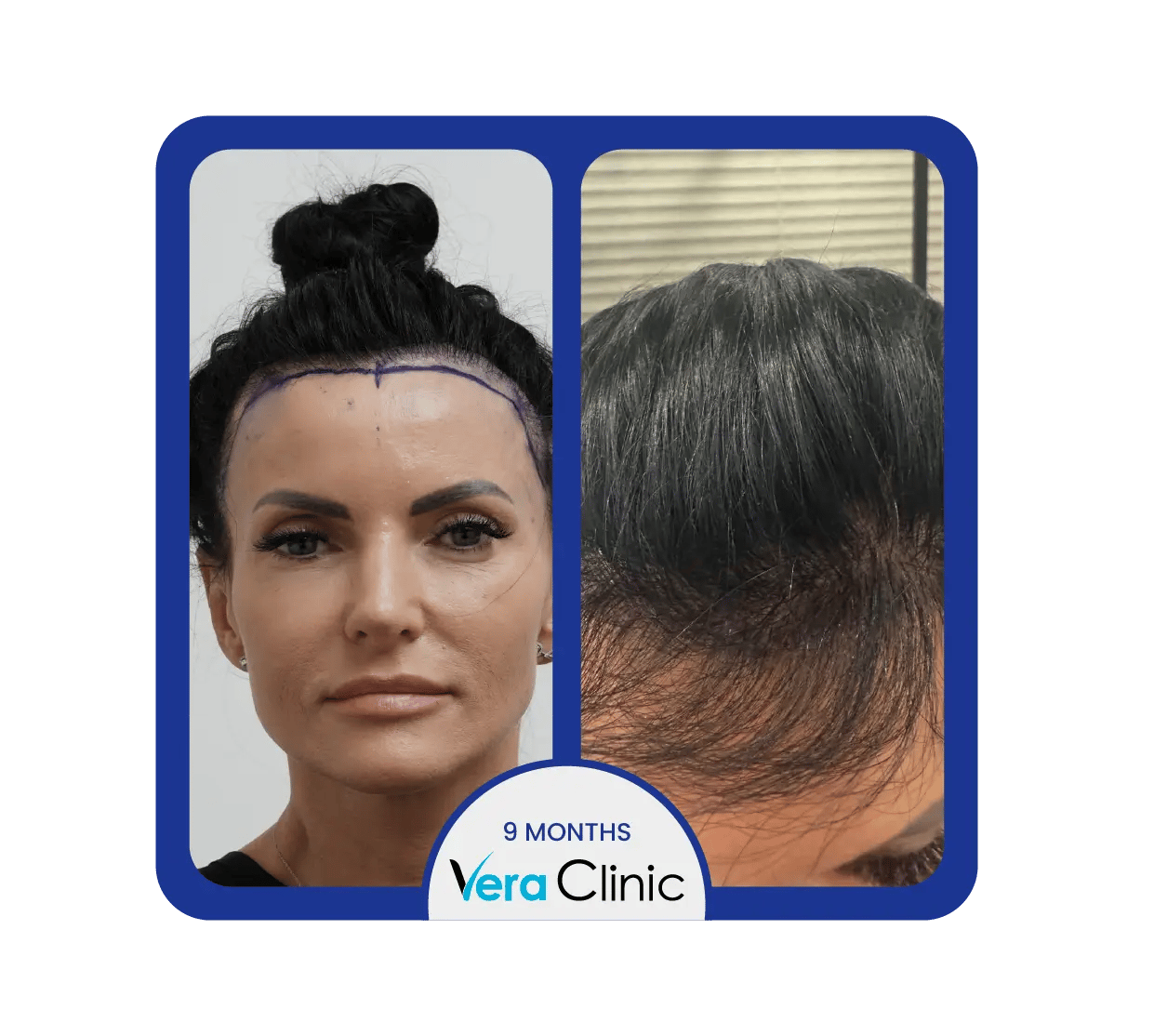
Female hair transplant in Turkey before and after photos show softened hairlines and thicker coverage.
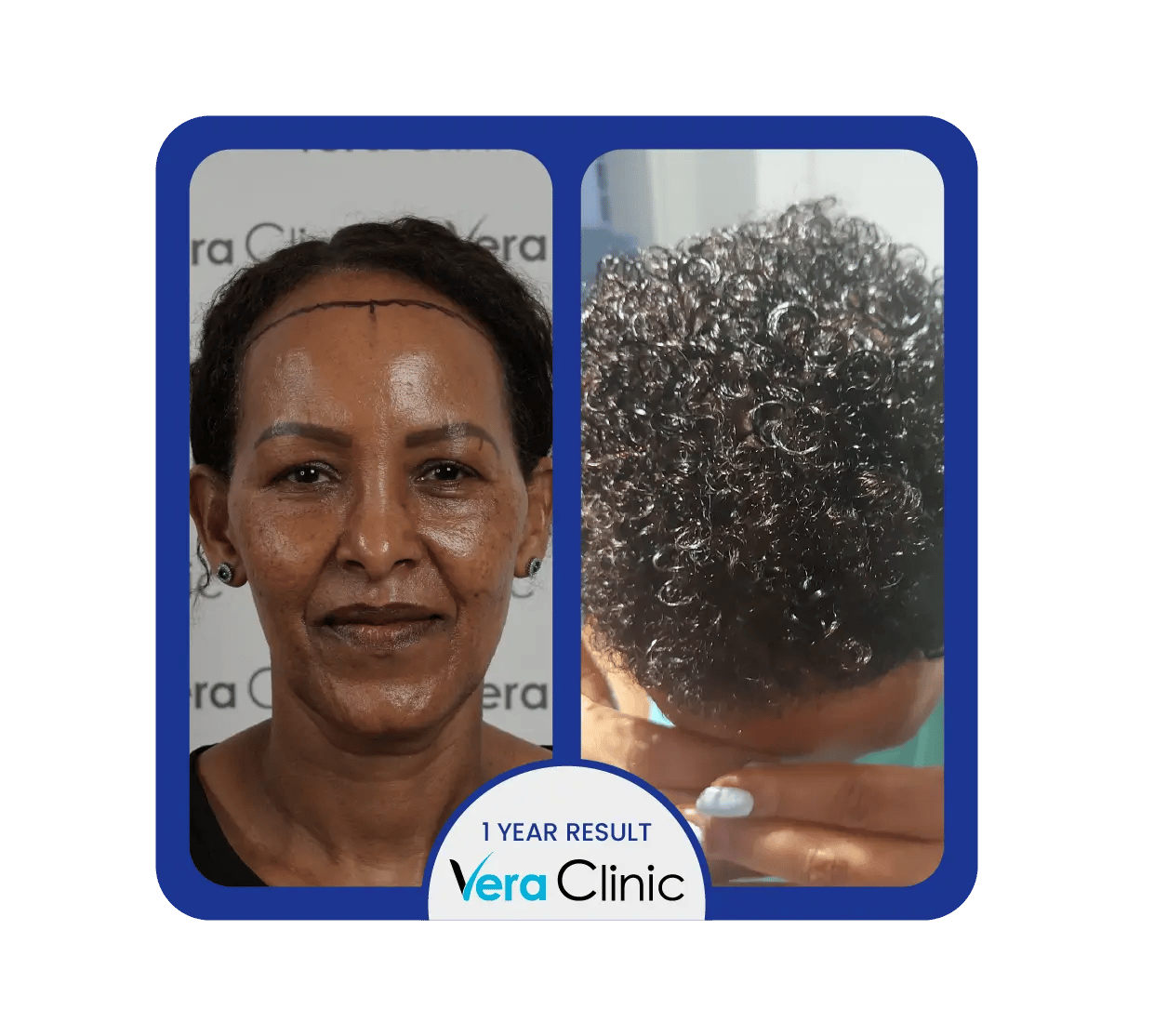
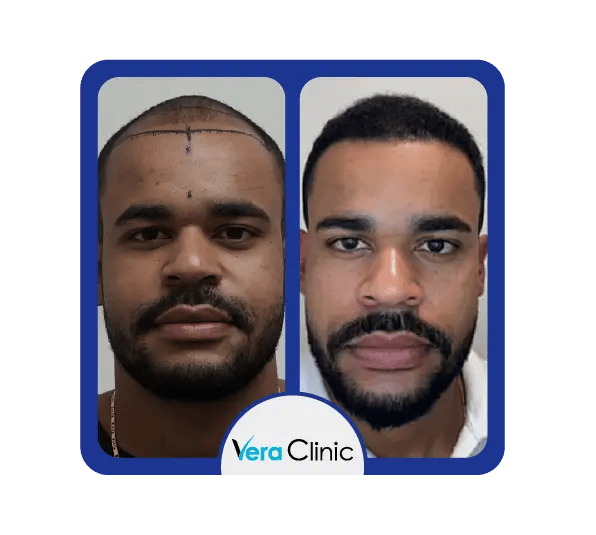
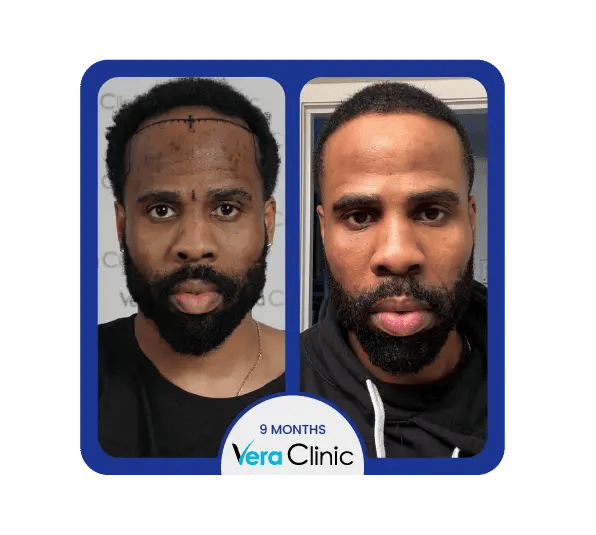
What do the Afro Hair Transplant Technique before and after Results Look like?
Afro hair transplant in Turkey before and after pictures highlight how the procedure is tailored both to the biological traits of curl-textured hair and to the cultural and aesthetic identity.
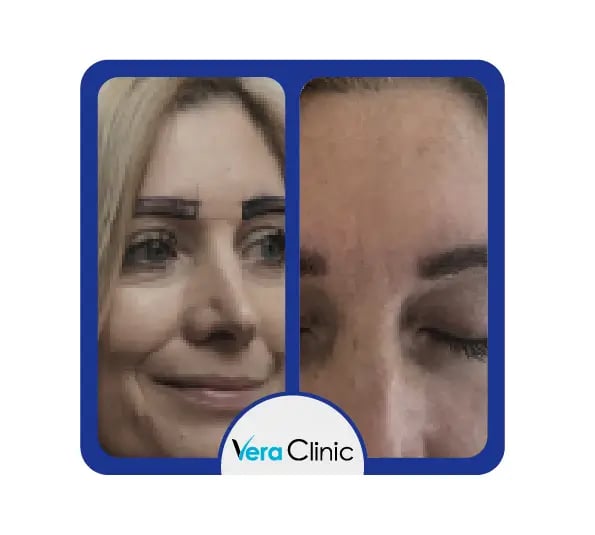
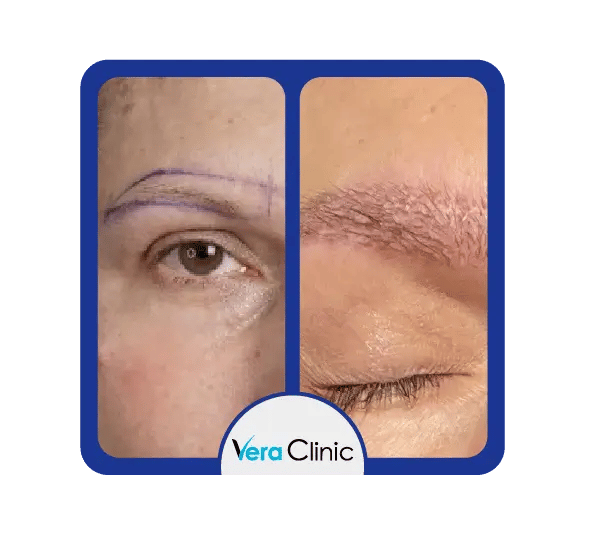
What do Eyebrow Hair Transplant Technique before and after Results Look like?
Eyebrow transplant in Turkey before and after results display balanced arches and improved density.
What do Beard Hair Transplant Technique before and after Results Look like?
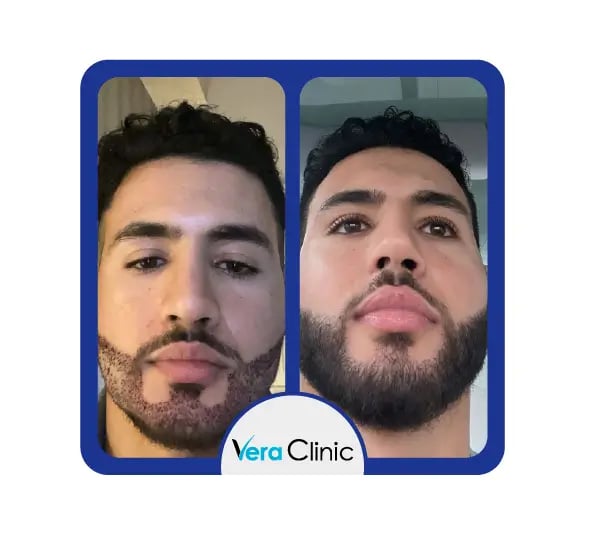
Beard transplant in Turkey before and after photos show fuller, even facial hair.
Which Graft Count in Hair Transplant Has the Best Before and After Results?
Results improve when graft count matches the patient’s thinning area and donor capacity. Smaller sessions (1,000–2,000 grafts) refine hairlines or scars, while 3,000–5,000+ grafts rebuild dense coverage for advanced loss. Clinics often plan in two stages for extreme cases with high hair graft to maintain donor health.
What does a 1000 Graft Hair Transplant Look Like Before and After?
1000 graft hair transplant before and after images show subtle hairline refinement.
What does a 1200 Graft Hair Transplant Look Like Before and After?
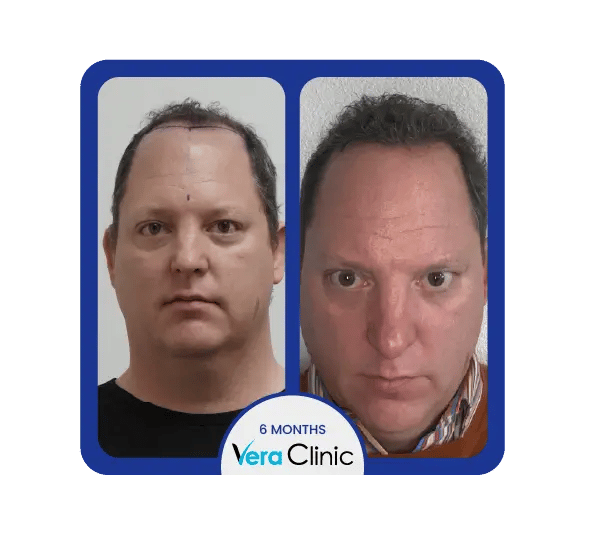
1200 graft hair transplant before and after photos reveal light density improvement for small areas.
What does a 1500 Graft Hair Transplant Look Like Before and After?
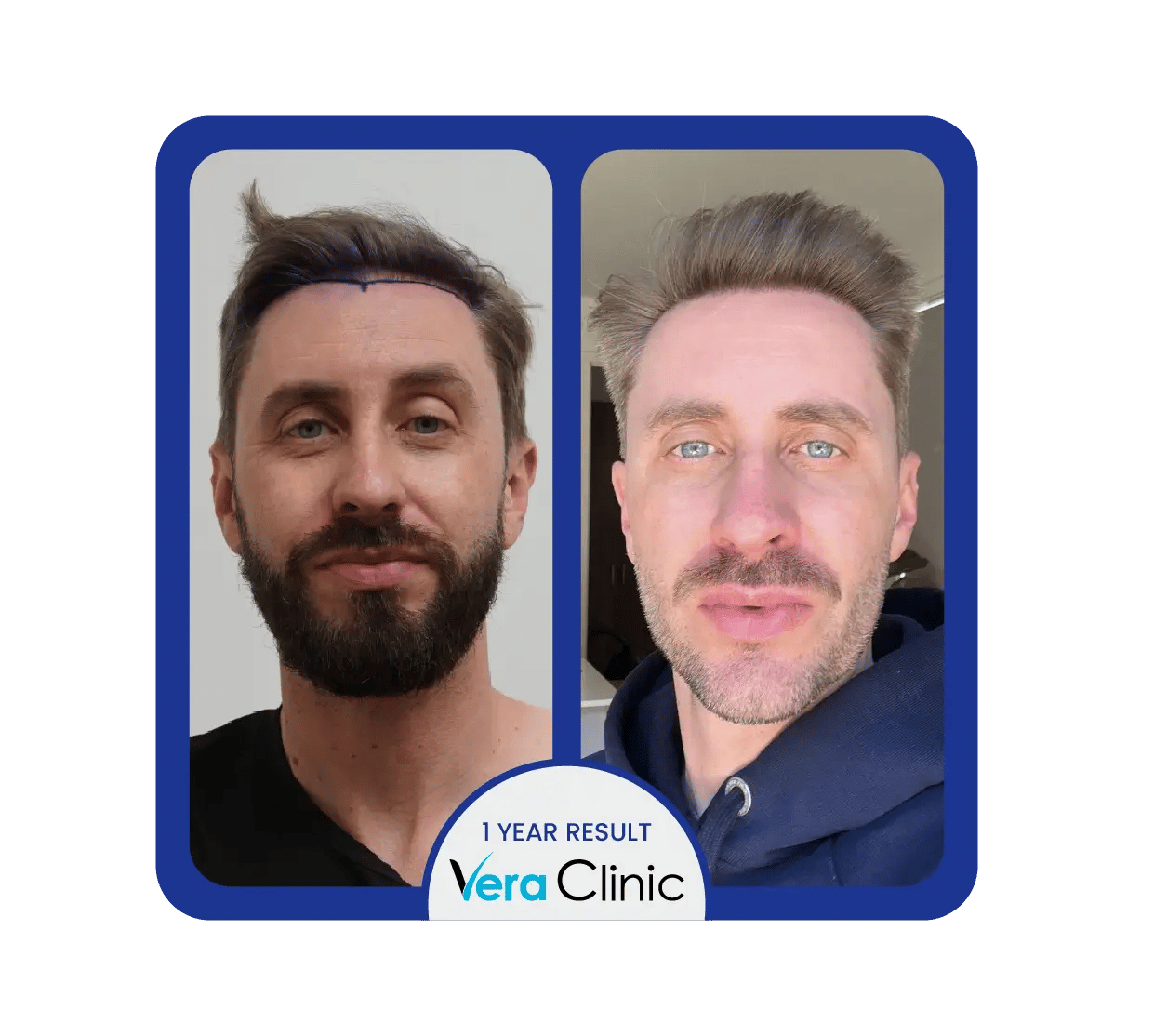
1500 graft hair transplant before and after pictures show natural coverage for receding hairlines.
What does a 2000 Graft Hair Transplant Look Like Before and After?
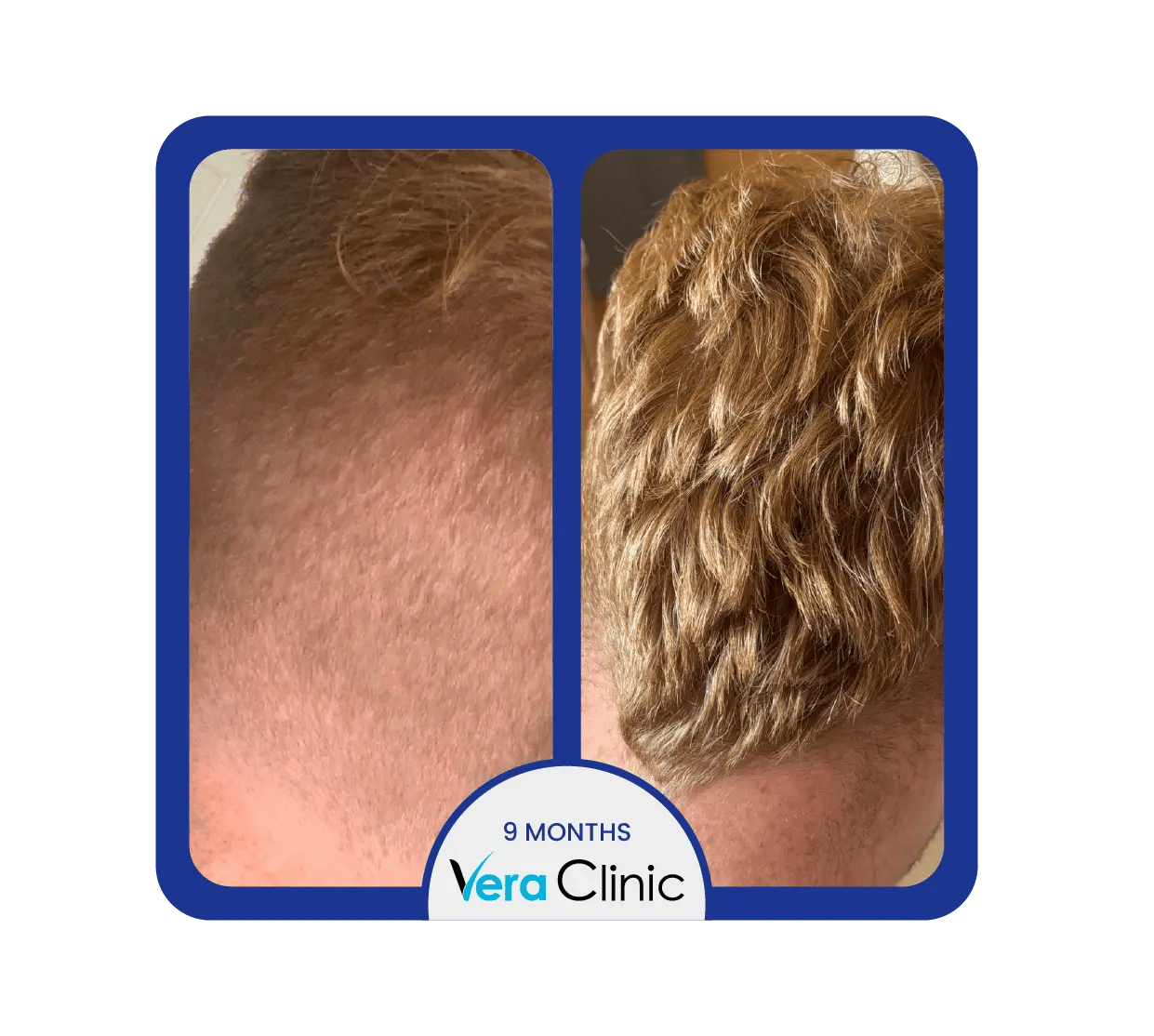
2000 graft hair transplant before and after results deliver moderate density across thinning zones.
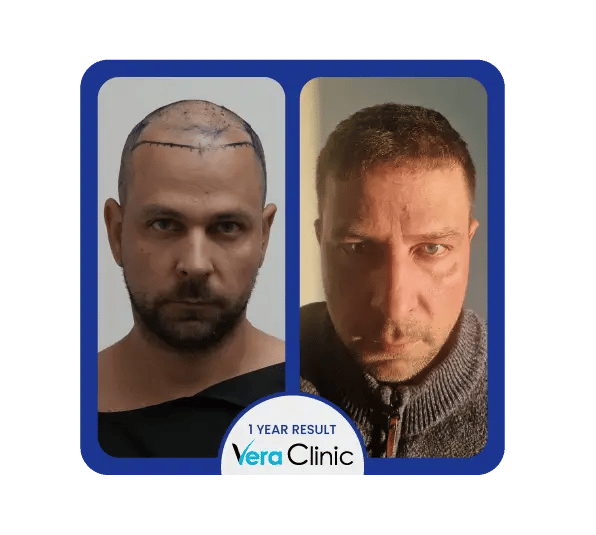
What does a 2500 Graft Hair Transplant Look Like Before and After?
2500 graft hair transplant before and after images highlight balanced density for mid-stage hair loss.
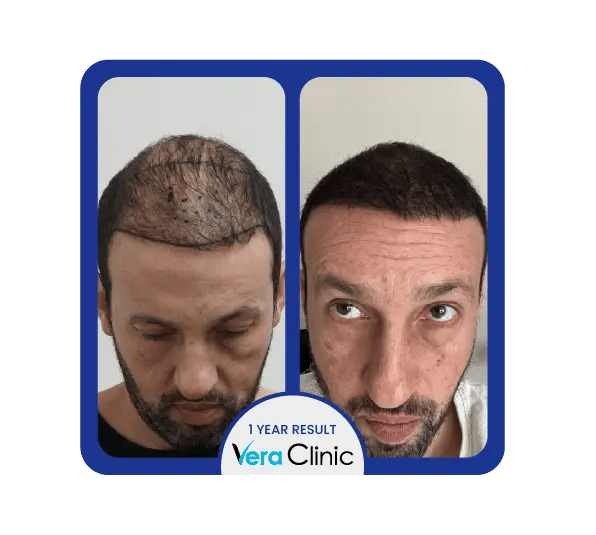
What does a 3000 Graft Hair Transplant Look Like Before and After?
3000 graft hair transplant before and after photos create fuller coverage for advanced recession.
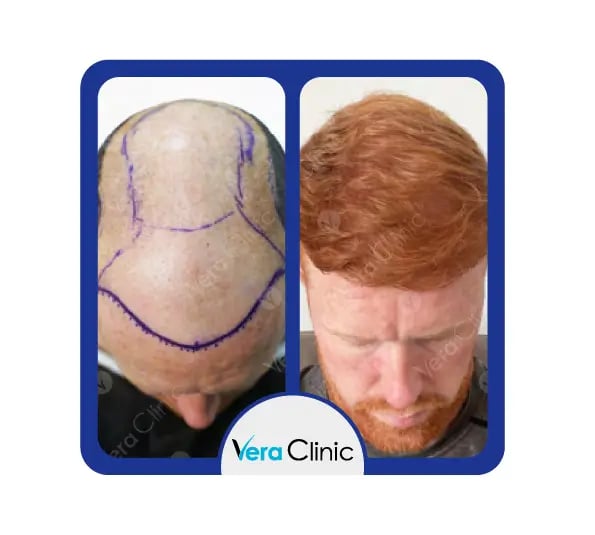
What does a 3500 Graft Hair Transplant Look Like Before and After?
3500 graft hair transplant before and after pictures display strong density for larger bald areas.
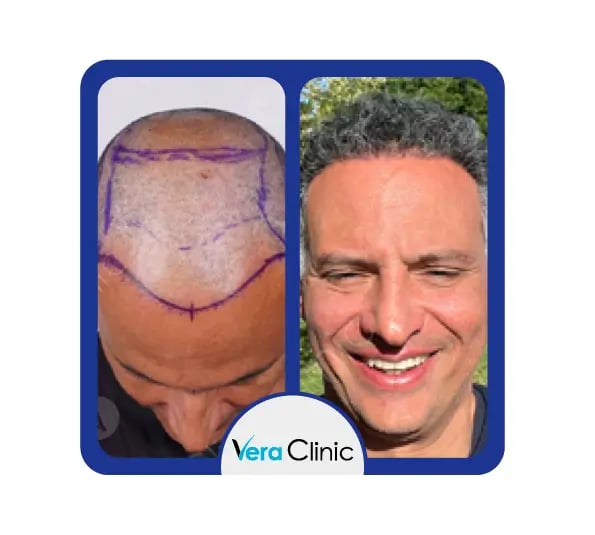
What does a 4000 Graft Hair Transplant Look Like Before and After?
4000 graft hair transplant before and after results restore a complete hairline and crown.
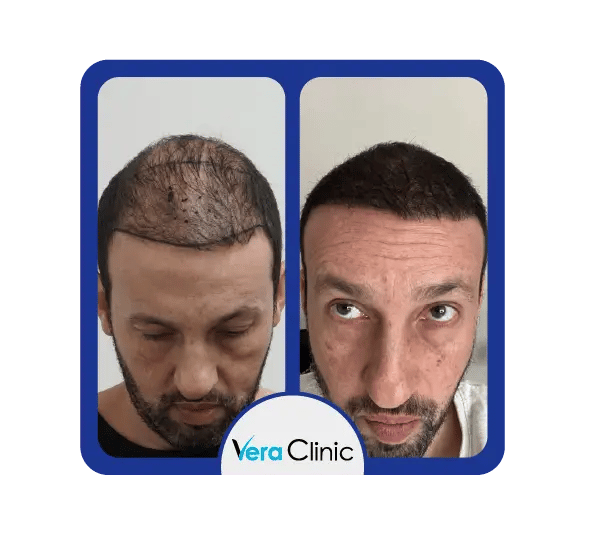
What does a 4500 Graft Hair Transplant Look Like Before and After?
4500 graft hair transplant before and after images rebuild dense coverage for severe hair loss.
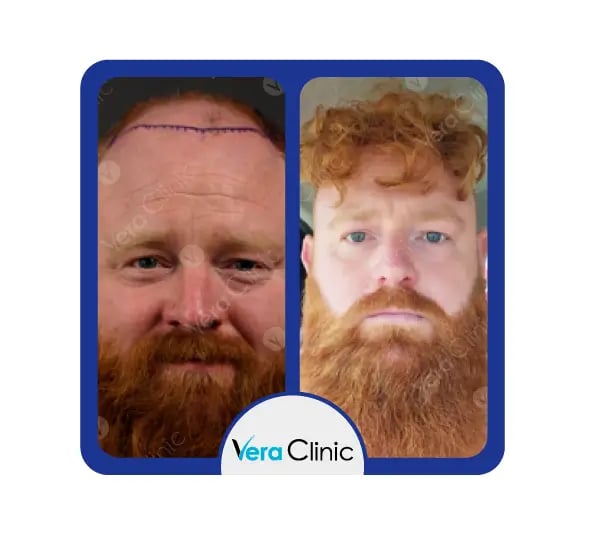
What does a 5000 Graft Hair Transplant Look Like Before and After?
5000 graft hair transplant before and after photos show dramatic transformation for extensive baldness.
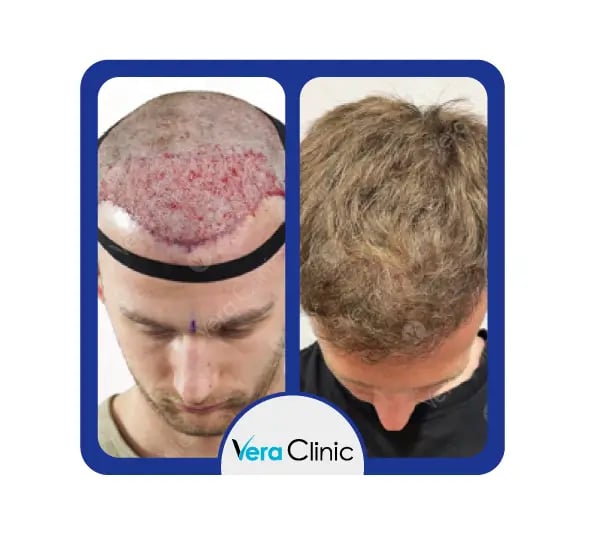
How Many Grafts Are Needed for Noticeable Crown Hair Transplant Results?
Most patients need 1,500–2,500 grafts for noticeable crown coverage. The exact number depends on baldness size, hair thickness, and desired density. Larger or advanced crown loss requires multiple sessions for full coverage. A consultation with a qualified surgeon is essential for a personal estimate. Crown restoration falls within this graft range for natural-looking density, consistent with published graft-count guidance in the hair restoration literature (Parsley & Perez-Meza, 2010).
What Role Do Graft Counts Play in Visible Before-and-After Transformations?
More grafts mean fuller, denser visible results in before-and-after photos. But the “right” number depends on the person’s hair loss pattern, hair thickness, donor area quality, and aesthetic goals. Too few grafts look thin, too many in one session stress graft survival or donor area health.
Both graft quantity and graft quality matter; thicker or curlier hair gives more visual impact per graft, meaning fewer grafts achieve similar appearance when hair characteristics are favorable.
What Does the Hair Transplant Donor Area Look Like Before and After Surgery?
The donor area starts healthy and full of hair before surgery. Right after extraction, it appears red with tiny marks or a thin line depending on the method used. Within a few days to weeks, healing restores a normal look, and regrown hair conceals almost all traces. Different techniques (FUE, FUT, DHI, Sapphire FUE, and Stem Cell) leave different patterns of marks on hair transplant donor area or scars, making method choice important for long-term appearance.
FUE Hair Transplant Donor Area
Before: The donor area is shaved short for precise follicle extraction and appears healthy with no scars.
After: Tiny red dots appear where follicles were removed. Within weeks, these dots fade and hair regrowth conceals them, leaving no linear scar.
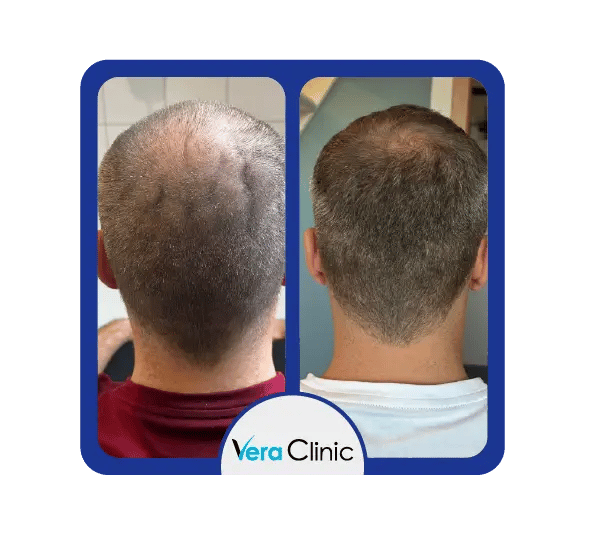
DHI Hair Transplant Donor Area
Before: The area is trimmed for follicle harvesting but remains healthy and scar-free. back.
After: Small red marks are visible immediately after surgery. These marks heal within days to weeks and are nearly invisible once hair grows
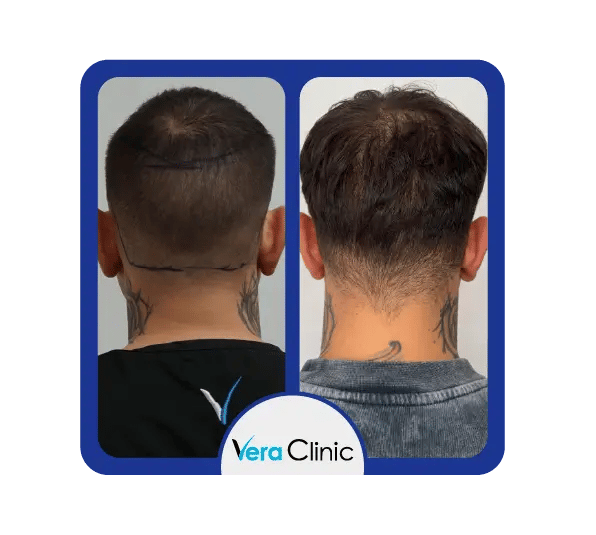
Sapphire FUE Hair Transplant Donor Area
Before: Similar to standard FUE, the donor area is shaved to allow sapphire blades to extract follicles.
After: Small, precise incisions leave minimal dot-like marks that heal quickly, blending seamlessly with regrown hair.
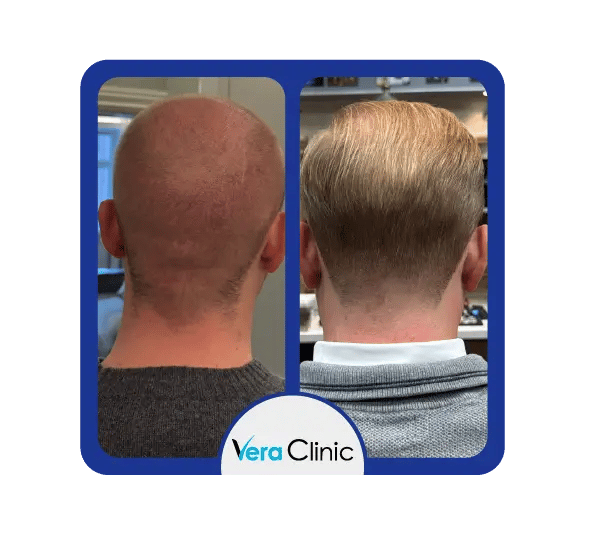
Stem Cell Hair Transplant Donor Area
Before: The donor region appears untouched before follicle harvesting with stem cell assistance.
After: Tiny puncture marks are visible at first but typically heal faster and with less redness thanks to stem cell–enhanced recovery, leaving no visible scars once hair regrows.
FUT Hair Transplant Donor Area
Before: The donor site looks normal and full before a narrow strip of scalp is removed.
After: A thin linear scar forms at the extraction site. When healed, surrounding hair usually covers it, after FUT Hair Transplant but the line remains if hair is cut very short.
What Does Hair Transplant Look Like After Surgery?
The path to a full head of hair is gradual. Each stage shows unique signs;from shedding and patchiness to visible density.
Hair Transplant Surgery After 1 Month
Hair transplant 1 month after is the “shock loss” phase. Most transplanted hairs fall out, which is normal and necessary for new growth.
- Redness and scabs are gone.
- Transplanted hair shedding is at its peak.
- The scalp looks close to pre-surgery as follicles heal under the skin.
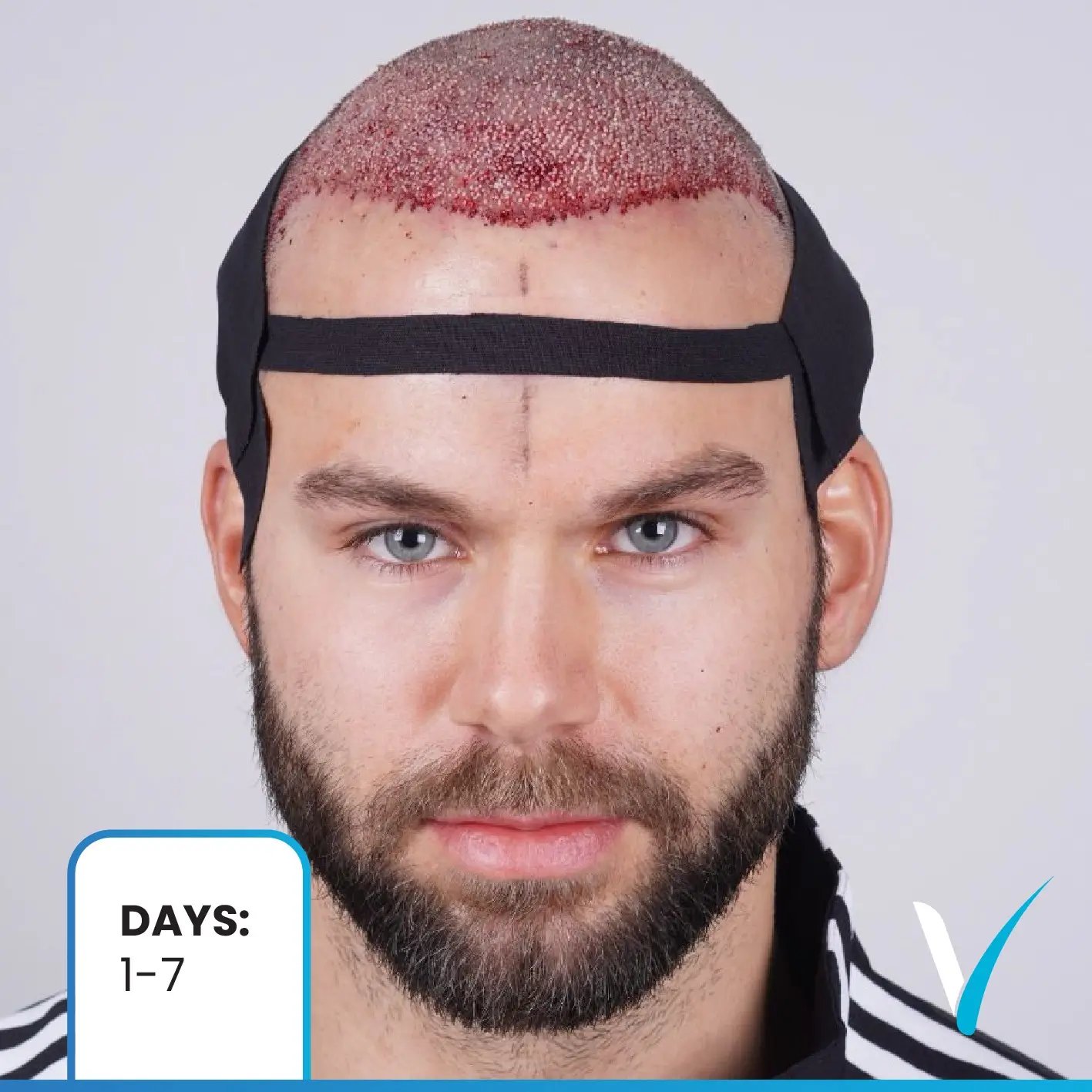
Hair Transplant Surgery After 2 Months
Hair transplant result after 2 months is the shedding phase is nearly complete.
- The scalp looks thin or patchy.
- Follicles are active beneath the surface but not yet visible.
- Healing continues without major visible change.
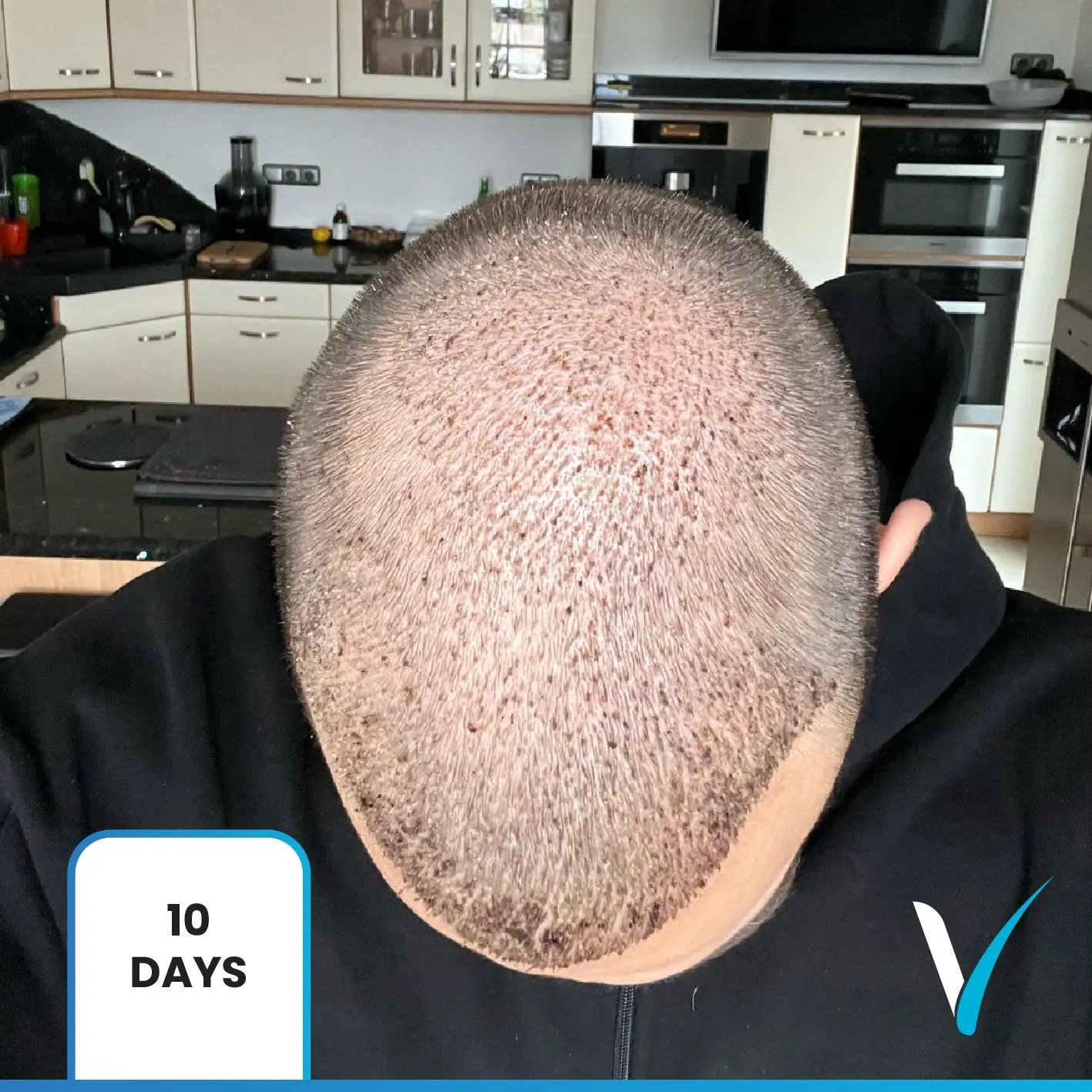
Hair Transplant Surgery After 3 Months
In a hair transplant after 3 months pictures, fine new hairs start appearing
- Early regrowth is visible to close observers.
- Density remains low but progress begins.
- The scalp is fully healed.
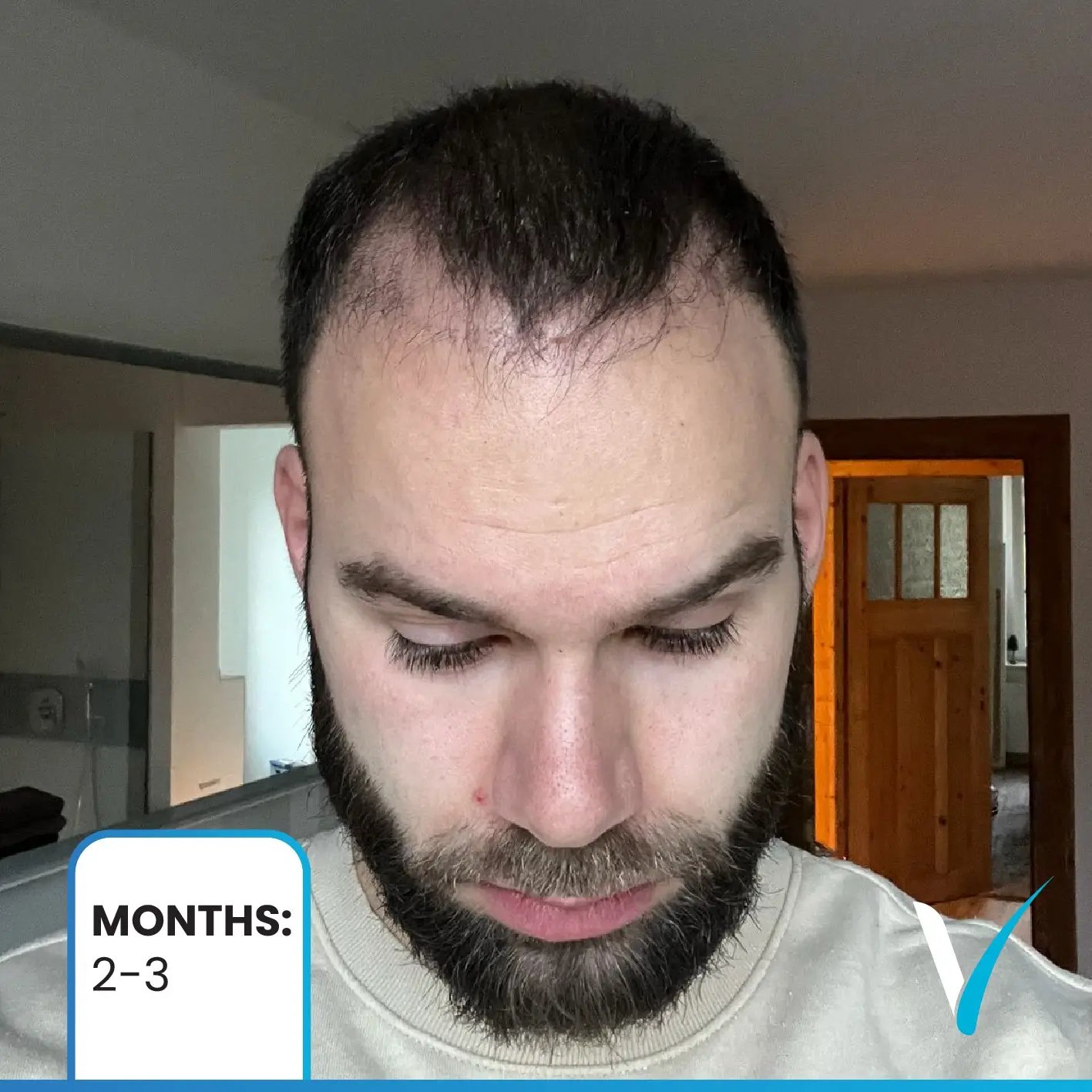
Hair Transplant Surgery After 4 Months
In the hair transplant after 4 months pictures, growth becomes more noticeable.
- New hairs thicken and blend better.
- Patchiness decreases.
- Hairline definition starts forming.
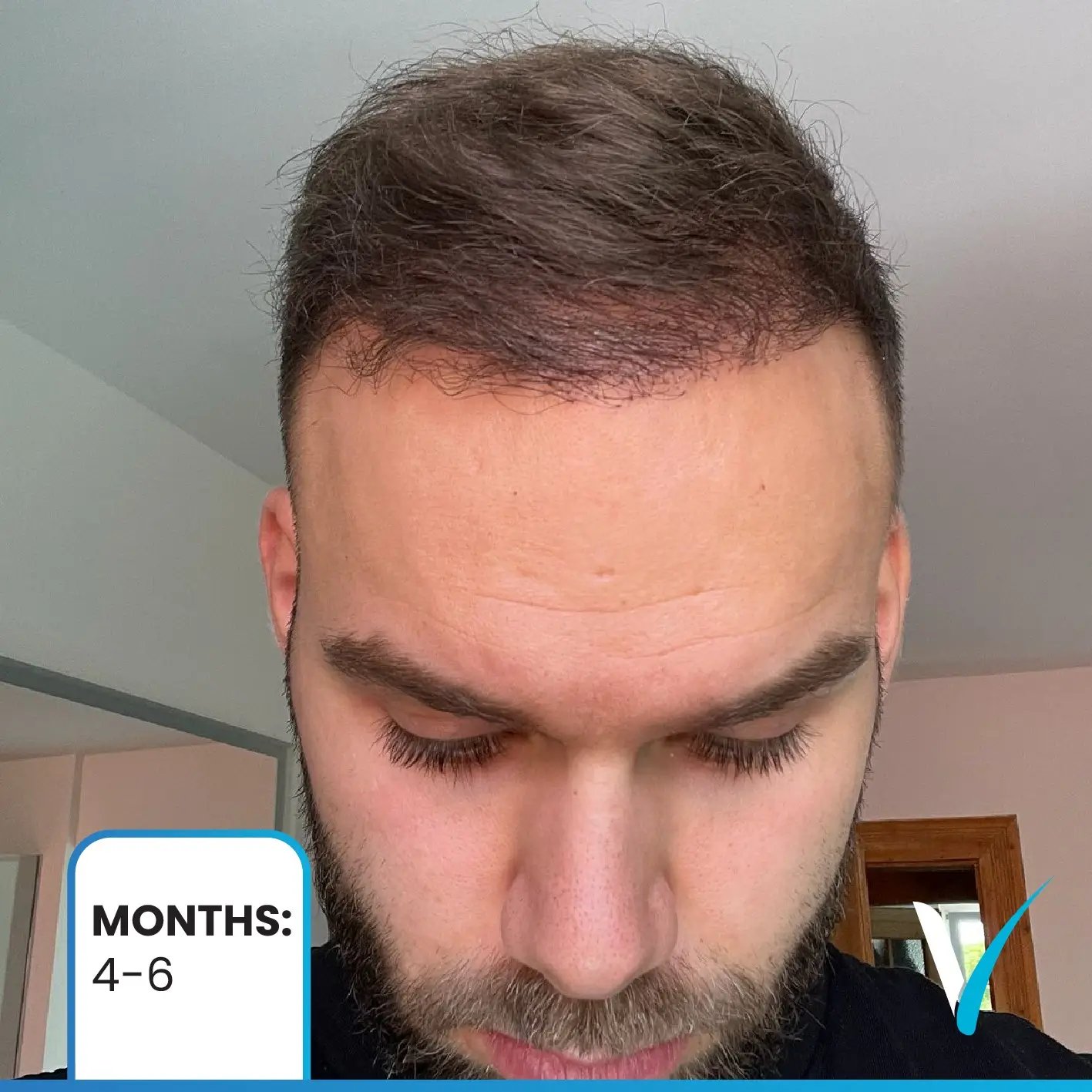
Hair Transplant Surgery After 6 Months
At the sixth month of the hair transplant, around 50–60% of final density is visible.
- Coverage improves in all treated areas.
- Hair shafts become thicker and stronger.
- Styling options start to expand.
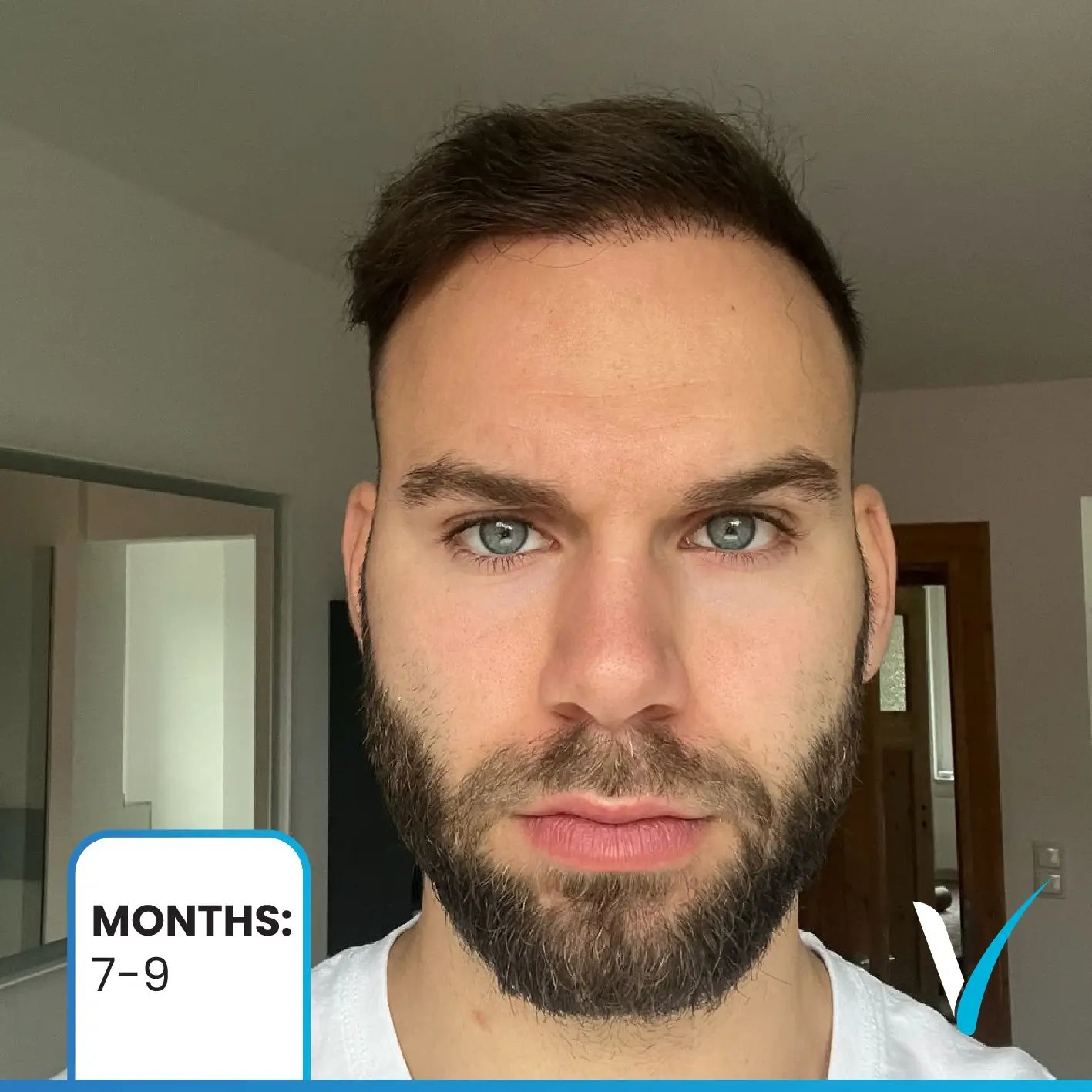
Hair Transplant Surgery After 1 Year
Most patients see 90–95% of the final result 1 year after hair transplant.
- Hair behaves naturally: style, cut, or dye freely.
- The graft growth cycle is complete, and density and hairline reach their baseline.

Which Celebrities Have the Most Impressive Hair Transplant Before and After Results?
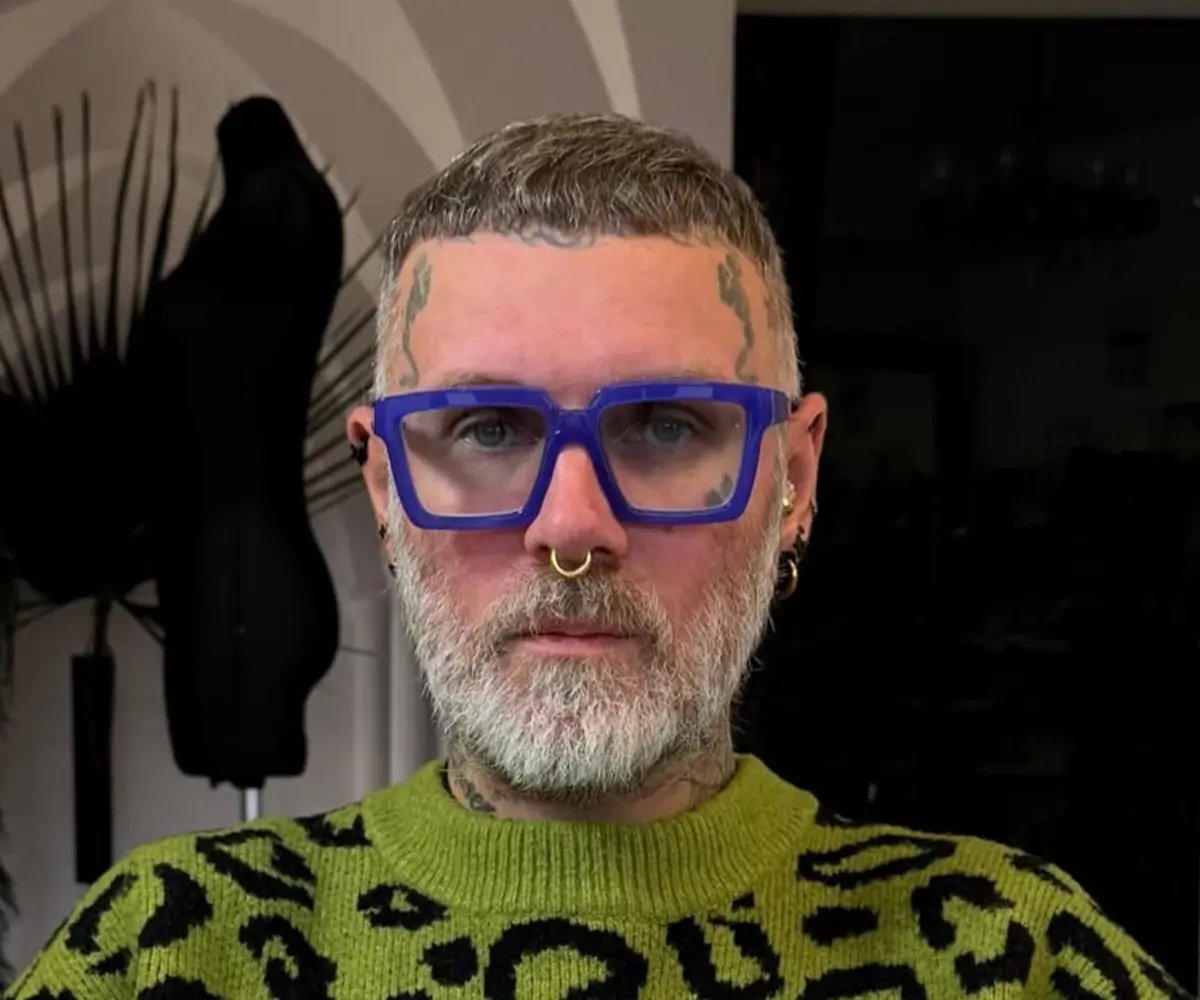
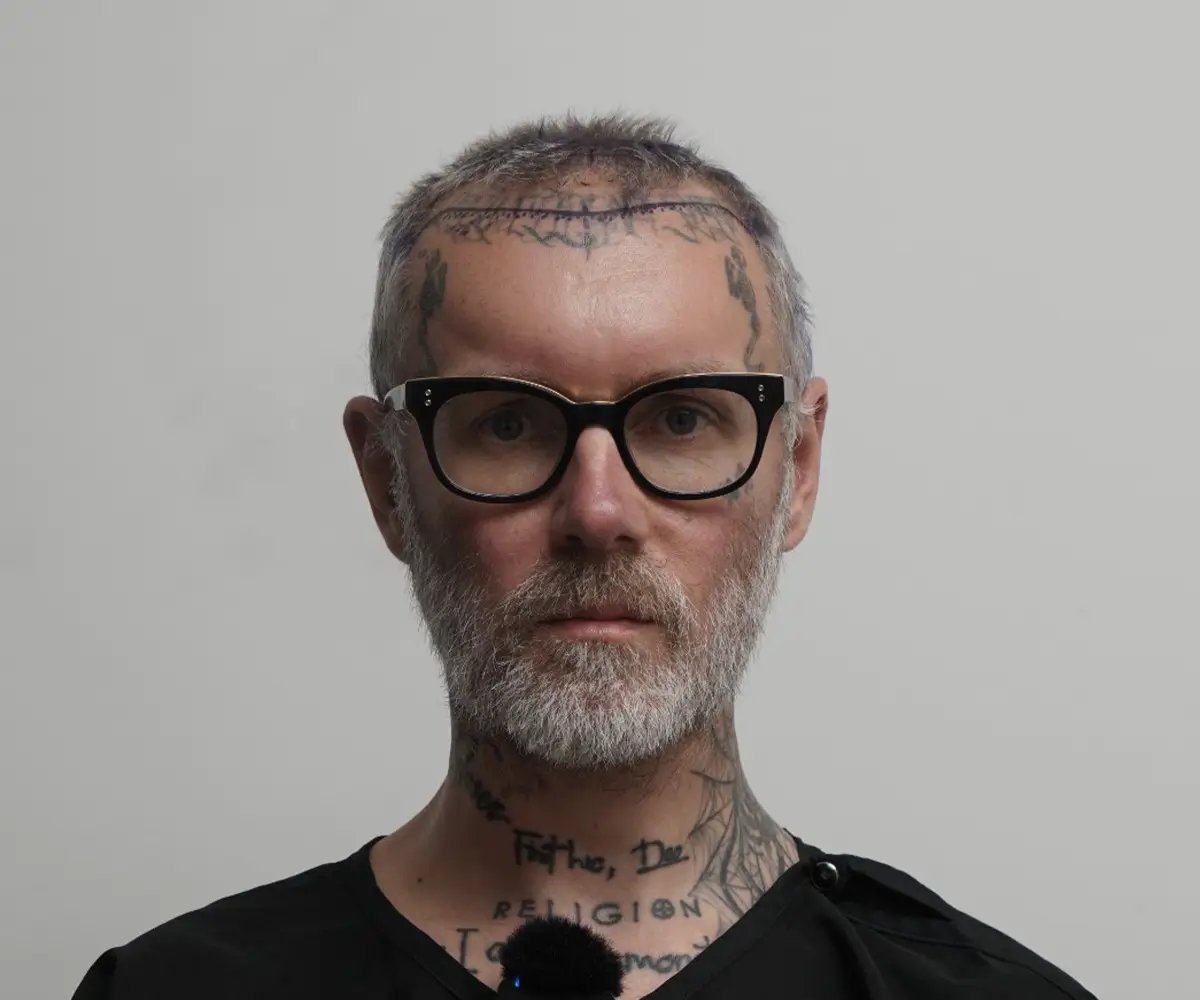
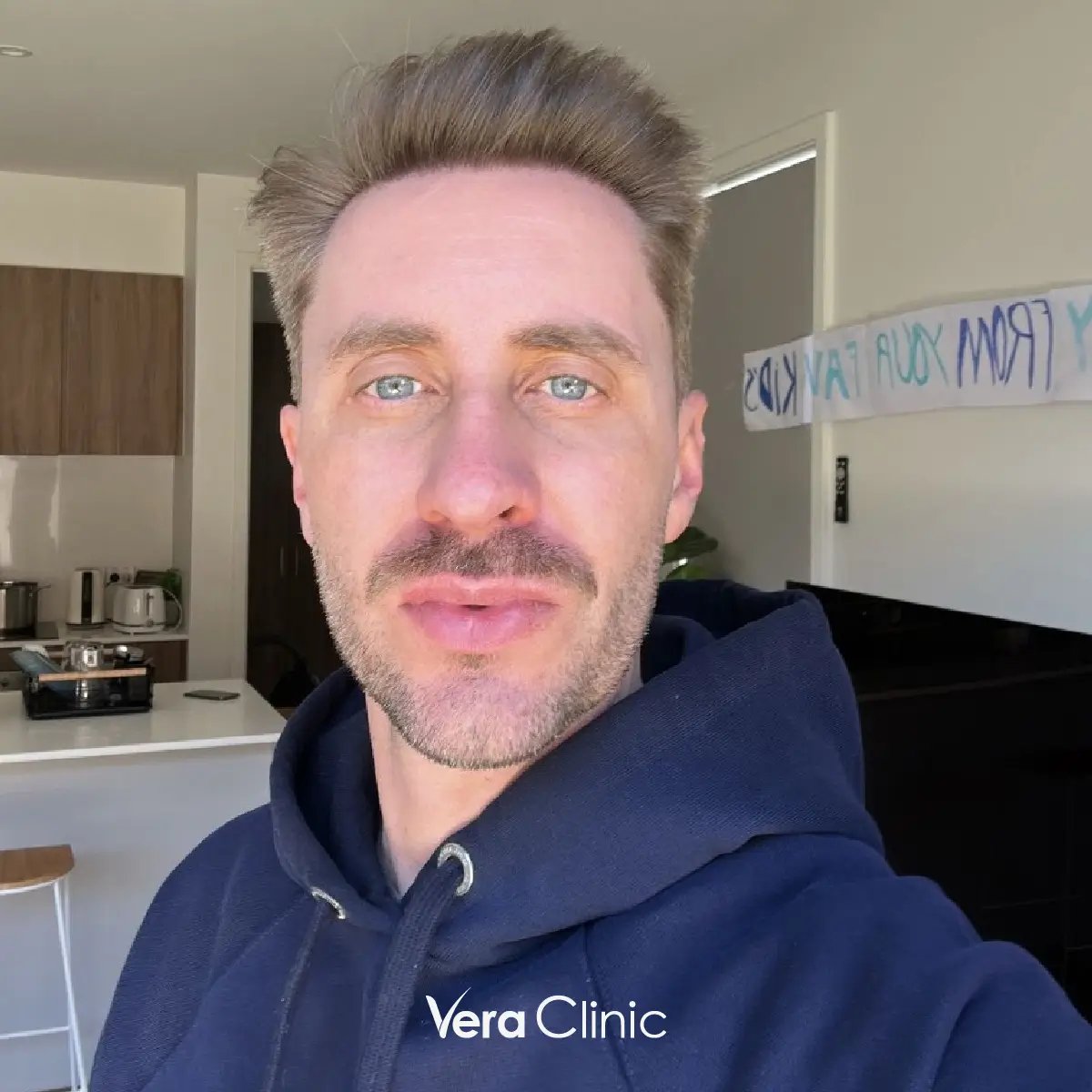
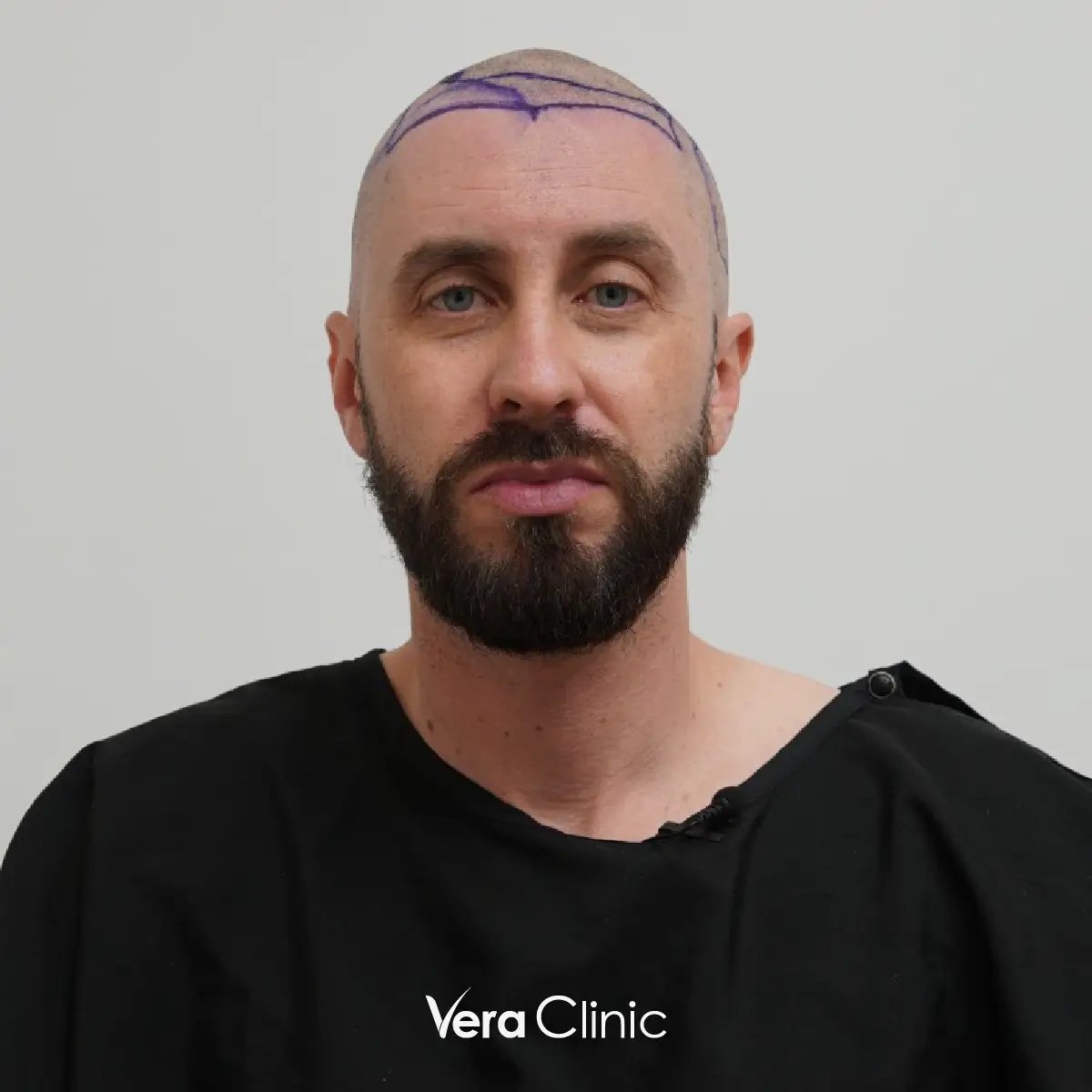
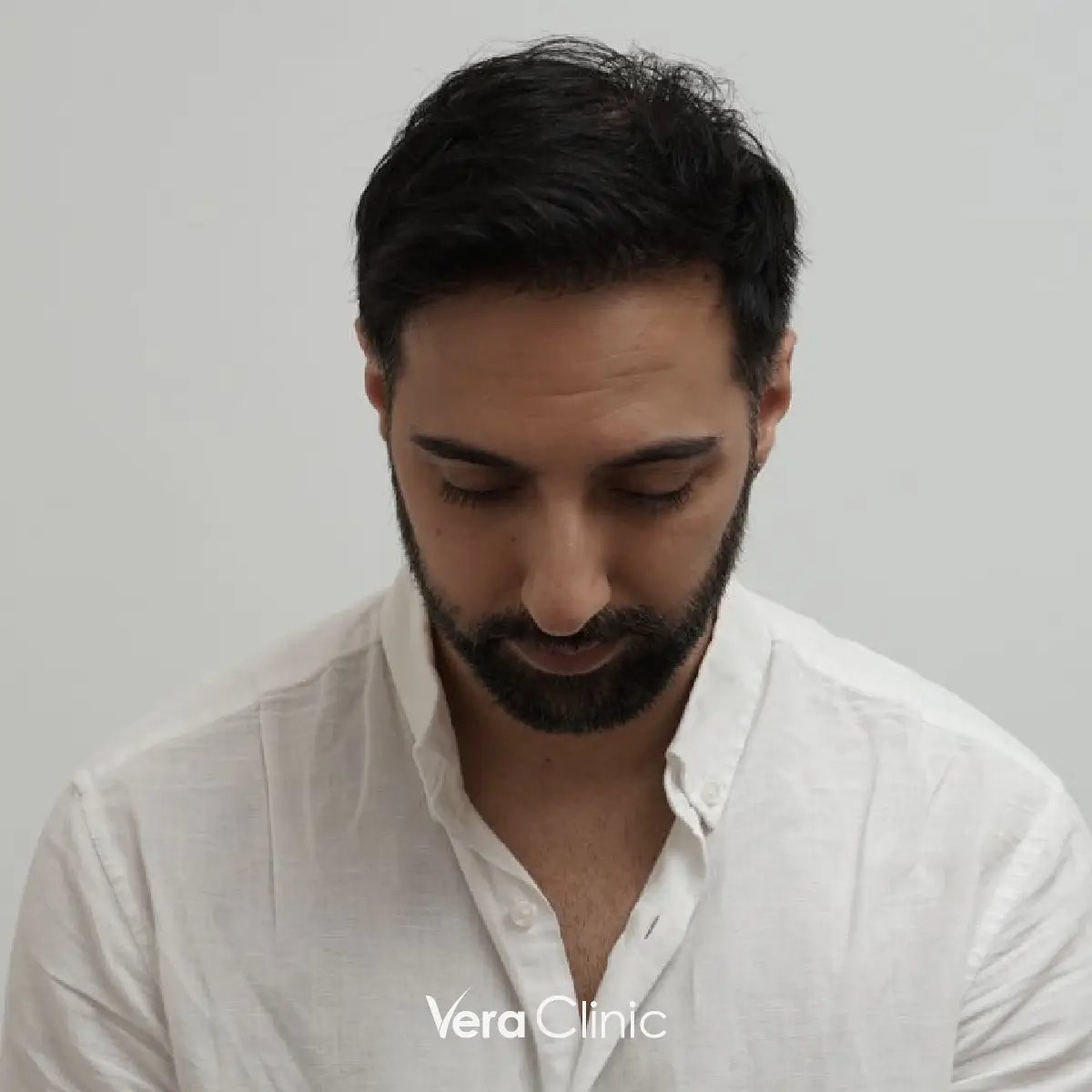
Liutauras Salasevicius, Jamie Perkins, Ryan Kelley, Matthew Fox, and David Kim achieved some of the most impressive hair transplant transformations at Vera Clinic, thanks to advanced Sapphire FUE and Hyper DHI techniques that ensured dense, natural results with invisible donor marks.
Their success highlights the importance of proper aftercare (including gentle washing, avoiding scratching, sleeping with head elevation, and using prescribed medications) which supports graft survival and natural growth. Ignoring aftercare causes infection, graft loss, and uneven healing.
How Important is Aftercare for Achieving the Best Hair Transplant Before and After Results?
Post-op care is essential for the best hair transplant results. Gentle washing, avoiding scratching, upright sleeping, and prescribed medication protect grafts. Ignoring care leads to infection, graft loss, or slow healing. Strict hair transplant aftercare is widely associated with improved graft survival and density, consistent with the broader hair restoration literature on post-operative wound management (Parsley & Perez-Meza, 2010).
How Long Does It Take to See Results of a Hair Transplant?
You’ll notice new growth around 3–4 months with full hair transplant results by 12–18 months. Transplanted hairs shed first, then regrow naturally. Hair transplant timeline varies by technique, health, and aftercare. Visible density commonly appears between 6–12 months after surgery, consistent with the standard graft maturation timeline (Parsley & Perez-Meza, 2010).
What Do Hair Transplant Results Look Like Five Years After Surgery?
Since most hair transplant results are assessed within the first 12 to 18 months, patients naturally want to know what happens further down the line. To answer this, Vera Clinic Academy conducted a five-year follow-up study on 187 patients who underwent FUE hair transplantation between 2018 and 2020, tracking graft survival, hair density, and patient satisfaction annually from Year 1 through Year 5. Follow-up assessments continued through 2026 to allow each patient to reach the full five-year mark. Long-term data of this kind remains rare in hair restoration research, where most published outcomes stop at the one-year mark. The table below summarizes how each measure changed over the five-year period.
| Measure | Year 1 | Year 3 | Year 5 |
|---|---|---|---|
| Graft survival | 94.2% | 89.7% | 85.3% |
| Hair density (recipient area) | 68.4 FU/cm² | 63.9 FU/cm² | 61.2 FU/cm² |
| Patient satisfaction (0–10) | 8.4 | 7.9 | 7.6 |
| Native hair loss progression | 18.2% | 54.0% | 78.1% |
Graft survival and hair density declined gradually rather than sharply over the five years studied. This pattern is closely linked to the ongoing progression of androgenetic alopecia in the surrounding native hair, not to failure of the transplanted grafts themselves. Despite this gradual change, patient satisfaction remained high throughout the study, with most patients still rating their results 7 or above out of 10 at the five-year mark. These findings support setting realistic long-term expectations rather than treating the one-year result as a permanent endpoint, a picture detailed in the Five-Year FUE Hair Transplant Follow-Up Study.
Why Is Turkey Popular for Hair Transplant Results?
Turkey delivers hair transplant results comparable to top global clinics at lower cost. Accredited facilities, advanced methods like Sapphire FUE and stem cell therapy, and experienced surgeons contribute to Turkey’s position as a leading destination. Turkey performed an estimated 1.1 million to 1.5 million hair transplant procedures in 2024 to 2025, representing an estimated 25 to 35% of global procedure volume, based on Turkish Ministry of Health procedure data and independent health tourism analyses (Turkish Ministry of Health, 2024).
Which Clinic in Turkey Offers the Best Hair Transplant Results?
Turkey ranks among the top countries globally for hair transplants, with an estimated 25 to 35% of global procedure volume performed there (Turkish Ministry of Health, 2024), driving searches for hair transplant clinics in Turkey.
Vera Clinic is recognized as a leading hair transplant clinic by European Awards in Medicine and “2025 Hair Transplant Industry Update: Top 10 Hair Transplant Clinic in Turkey Announced” published by The Street. It offers affordable cost, highly experienced surgeons, and advanced techniques like FUE, DHI, and Sapphire FUE (introduced at Vera Clinic in 2017)
The clinic operates in JCI-accredited hospital settings with strict hygiene protocols, publishes authentic before-and-after photos, and maintains high patient success rates and reviews. Its Oxycure Therapy and Smart Aftercare Technology enhance graft survival and long-term results, while structured post-op follow-up ensures patient safety.
These methods and post-operative standards are part of Vera Clinic‘s approach to hair transplant care in Turkey.