

Female hair transplant is a medical procedure where doctors extract follicles from the safe donor zone at the back of the head and implant them into thinning areas. It is different from male transplants because women rarely lose their hairline completely; instead, they deal with diffuse thinning across the crown or parting. Graft survival in female cases ranges from 85–95% at 12 to 18 months when graft handling and storage are optimal (Vera Clinic Academy Database, 2026). ISHRS 2025 data confirm women represented 15.3% of all surgical hair restoration patients globally in 2024, up from 12.7% in 2021 (ISHRS Practice Census, 2025).
In female cases, surgeons target 30 to 50 follicular units per cm², which is the density needed to restore full coverage without creating unnatural bulk (Vera Clinic Academy Database, 2026).
Female pattern hair loss affects approximately 25% of women by age 50 and 41 to 50% by age 70 or older, with androgenetic alopecia being the leading cause (CMAJ, 2026). Hair loss carries a measurable psychological burden, which makes female hair transplant not only a cosmetic solution but a quality-of-life treatment.
The average female hair transplant cost in Turkey ranges between €2,000 and €6,000 for all-inclusive packages, depending on the number of grafts, technique, and clinic standards. At Vera Clinic, the female hair transplant process in Turkey includes Sapphire FUE for scar-free implantation, OxyCure Therapy to support oxygen supply during healing, and optional Stem Cell Hair Treatment to support graft survival. This combined approach helps women achieve denser coverage in fewer sessions and shorter recovery timelines.
The following guide explains the process, costs, and quality standards for women considering a female hair transplant in Turkey.
Why Get a Female Hair Transplant in Turkey?
Because Turkey offers experienced surgeons, techniques like DHI and Sapphire FUE, and all-inclusive packages at lower prices.
As the leading country in hair transplantation, clinics in Turkey have more experience with female hair transplants.
Female hair transplant cost in Turkey ranges from €2,000 to €6,000 compared to €8,000 to €14,000 in the UK and US, a cost saving of 60 to 70%, while graft survival rates remain above 90% (Vera Clinic Academy Database, 2026).
What Are the Advantages of Getting a Female Hair Transplant in Turkey?
This section outlines the pros and cons of undergoing a female hair transplant in Turkey. It covers practical factors like cost, technique, outcomes, and potential challenges such as distance and follow‑up care.
- Affordability: Turkey offers some of the lowest cost per graft globally; around $1.07 per graft versus $5.44 in the US (Statista, 2025). Package deals include surgery, accommodation, transfers, and aftercare, making the total expense 60 to 70% lower than in Western countries (Vera Clinic Academy Database, 2026).
- Expertise and Volume: Clinics in Turkey perform an estimated 1.1 to 1.5 million hair transplant procedures annually, giving surgeons high case volume and broad experience across hair loss patterns (Turkish Ministry of Health, 2024).
- Precision Techniques: Clinics in Turkey use methods like Sapphire FUE and DHI for precision and minimal scarring. These techniques help achieve natural density, and no-shave DHI allows women to maintain their hair length.
- Physical Transformation & the "Turkish Hairline": Turkish clinics have become known for a recognizable house style patients call the "Turkish hairline": a low, full frontal line with dense packing and a clearly drawn shape. For women the same skill is applied differently, toward a softer, rounded line with density along the part and frontal frame, built through careful angle mapping and fine graft placement so the result frames the face rather than sitting on top of it.
- Confidence & Emotional Impact: Women report a psychological boost post-procedure. Patient satisfaction in hair restoration is commonly reported between 75 and 90% at 12 to 18 months among patients who saw improved density and self-image (Journal of Cosmetic Dermatology, 2025).
While the advantages are strong, there are some disadvantages that women should weigh before traveling abroad for treatment.
When getting a hair transplant abroad, follow-up is handled online, so if a complication comes up your doctor won't be nearby, which is why clear aftercare and reachable post-op support matter when you pick a clinic. Quality and safety vary widely between clinics, with some operating under unqualified personnel; the problem is common enough that 59% of ISHRS surgeons reported unlicensed clinics operating in their own cities in 2024, which makes careful vetting essential (ISHRS Practice Census, 2025). Choosing a clinic with proper medical oversight and accredited facilities is what separates a safe procedure from a risky one.
How Successful Women Hair Transplants in Turkey?
Women's hair transplants in Turkey are highly successful, with reputable clinics reporting graft survival rates of 85 to 95% at 12 to 18 months when graft handling and storage are optimal (Vera Clinic Academy Database, 2026). These outcomes come from surgeon expertise, high patient volumes, and methods such as Sapphire FUE and DHI.
Follicular unit extraction (FUE) procedures show survival rates above 90% when performed in controlled conditions (BMC Surgery, 2024). Most women report visible regrowth and improved self-image after surgery, with patient satisfaction commonly reported between 75 and 90% (Journal of Cosmetic Dermatology, 2025).
Female hair restoration patients increased by 16.5% from 2021 to 2024, a trend detailed in female hair transplant statistics, indicating growing demand globally (ISHRS Practice Census, 2025). The same census reports that ISHRS physicians performed an average of 15 procedures per month in 2024, a caseload that reflects direct surgeon involvement per case rather than high-throughput delegation (ISHRS Practice Census, 2025).
Together, these data points reflect both the clinical outcomes and the volume of skilled practitioners in Turkey.
Why is Turkey known for Hair Transplants?
Turkey is known for hair transplants because it combines affordability, surgeon experience, and high-volume practice. With more surgeries performed than in most other countries and methods like Sapphire FUE pioneered locally, Turkey has become a global benchmark for hair restoration.
Which Is the Best Hair Transplant Clinic in Istanbul?
Vera Clinic is one of the most recognized hair transplant clinics in Istanbul, named among the leading clinics in Turkey in 2025 industry coverage by outlets including Oxford Mail and BBN Times. The clinic has completed more than 40,000 procedures across all methods and holds a 4.8 patient rating across 1,400+ Google reviews, reflecting its experience in Sapphire FUE and DHI.
Vera Clinic's reputation is built on both clinical expertise and patient trust. The clinic has received a European Award in Medicine and is recognized among leading Istanbul clinics for its work in Sapphire FUE, Stem Cell Hair Treatment, and OxyCure Therapy.
See what real patients are saying on forums like Trustpilot and Reddit!
Vera Clinic
I had my hair transplant done at Vera Clinic and honestly, it was one of the best decisions I’ve made. The staff were super friendly, the doctors explained everything clearly and in English, and the procedure was way smoother, advanced and high tech than I expected. The clinic itself is modern and very clean, which made me feel comfortable right away. Highly recommend Vera Clinic and their packages. They are one of the best. You can’t go wrong!
Vera clinic #1 hair transplant facility…
Vera clinic #1 hair transplant facility in Istanbul exceeded my expectations. From communication with my medical consultants Kayra & Merve, to my translator Ebru who made sure I felt safe & comfortable every step of the way. Every member of the team who I encountered was warm, friendly, & attentive - I was truly impressed. Celebrity treatment from Mercedes sprinter service to 5 star resort experience at Elite World both the clinic and hotel did not miss a beat and are incredibly accommodating. Pain management was excellent too; I’m looking forward to seeing my results in the upcoming months. If you are considering having this procedure done there is no better choice than Vera clinic. Thank you Vera family & Elite World! 🙏🏻


See how Vera Clinic combines science and care across real patient cases and measured outcomes.
E. R., a 32-year-old woman from the United Kingdom, presented with diffuse thinning in the mid-scalp and frontal parting (Ludwig stage II). She reported a strong psychological burden, scoring 21/30 on the Hairdex quality-of-life scale, which indicates moderate-to-severe distress.
At 12 months, her hair density reached 48 FU/cm², which is within the cosmetic threshold of 45–50 FU/cm² cited in the Journal of Cutaneous and Aesthetic Surgery (2021).
Patient-reported impact:
- Confidence gain: Measured increase on the Rosenberg Self-Esteem Scale
- Psychological relief: Hairdex improved from 21/30 to 6/30 (similar to findings in Annals of Dermatology, 2013)
- Physical recovery: Crusting cleared in 10 days; redness resolved in 3 weeks with OxyCure support
The case demonstrates Vera Clinic’s ability to combine modern science with supportive care, resulting in measurable clinical outcomes and meaningful improvements in patient well-being.
A parallel finding Vera Clinic Academy has also measured systematically, in a retrospective cohort of 68 women with a Hamilton-Norwood pattern, a less common presentation resembling male-pattern baldness. Self-esteem scores rose by nearly five points on the same Rosenberg scale on average over 12 months following recipient-unshaved DHI, with the largest gains among women who started with the most advanced hair loss, according to the Vera Clinic Academy Self-Esteem After Unshaven DHI Hair Transplant in Women Study (Vera Clinic Academy, 2026).
Why Choose Vera Clinic for Hair Transplant in Istanbul?
Vera Clinic is a hair transplant center in Istanbul that treats both male and female patients, with female cases handled by its surgical team using female-specific hairline design. The clinic delivers natural outcomes and comprehensive patient care across more than 40,000 procedures to date according to the Vera Clinic Academy.
Unlike many clinics that focus almost exclusively on male patients, Vera Clinic offers frontal female hair transplant procedures tailored to women's diffuse thinning patterns. Balanced, natural hairlines are built through precise angle mapping and density planning rather than graft count alone.
“I chose Vera Clinic because they actually understood female hair loss. My hairline wasn’t pushed back or overfilled. Everything looked soft, balanced, and still felt like me. The planning mattered more than the graft count, and that’s what made the difference.”
-Giedrė Stonkienė
Among hair transplant clinics in Turkey, Vera Clinic stands out on technology and track record:
- 40,000+ procedures completed across all methods, with patients from Europe, the Middle East, and North America
- Recognized by Oxford Mail and BBN Times as one of the leading hair transplant clinics in Turkey
- Thousands of patient reviews on Reddit, Quora, and Trustpilot, with a 4.8 rating across 1,400+ Google reviews
Vera Clinic is officially certified as a Great Place to Work® and ranked 4th among the Best Workplaces in Healthcare & Pharma 2025, showing that the culture of excellence extends to both staff and patients. For women seeking a safe, evidence-based solution, Vera Clinic offers female hair transplants led by an experienced surgical team in Istanbul.
What Is Included in a Turkey Hair Transplant Package?
A Turkey hair transplant package combines the medical procedure with travel and aftercare services, making the process easier for international patients. Below is what most female hair transplant packages include.
- Medical Procedure: The core service is the transplant itself, most often Sapphire FUE or DHI. Packages cover the surgeon's fee, surgical team, anesthesia, and all sterile materials needed for the operation.
- Accommodation: Most clinics include hotel stays ranging from 2 to 4 nights, in 4- or 5-star hotels to support comfort during recovery.
- Transfers: VIP airport pick-up and drop-off, plus daily transfers between the hotel and clinic, are included in most packages. This reduces stress for international patients navigating Istanbul.
- Medications and Post-op Kit: Standard packages include antibiotics, pain relievers, shampoos, lotions, and sometimes neck pillows or recovery accessories.
- Translation Services: English- and other language-speaking coordinators are available to guide patients through each step.
- Initial Consultation & Aftercare Instructions: Pre-op consultation, hairline design planning, and written post-op care guides are part of most packages.
Questions to Ask Clinics About Packages
- Does the quoted price include accommodation and airport transfers?
- Are all medications and aftercare products included, or are some charged separately?
- Will I meet the surgeon directly, or only technicians?
- Is follow-up care (online or in person) included in the package?
How Much Female Hair Transplant Surgery in Turkey?
A female hair transplant in Turkey costs between €2,000 and €6,000 for all-inclusive packages, far lower than the hair transplant cost charged in the USA or Western Europe: €8,000–€14,000, while graft survival rates remain above 90% (Vera Clinic Academy Database, 2026).
The price depends on the extent of hair loss, the number of grafts needed, and the chosen technique, with Sapphire FUE and DHI priced higher than standard FUE. Costs vary by clinic reputation and the experience of the surgeon, as well as the services included in the package.
What Is the Price Difference Between Turkey and Other Countries for Female Hair Transplants?
The cost of female hair transplants varies widely across countries. In Turkey, procedures cost between €2,000 and €6,000, while in countries like the USA they reach €8,000 to €14,000. Other popular medical tourism destinations fall between these ranges.
Cost disparities stem from local cost of living, surgical expertise, clinic reputation, and whether the price includes perks like accommodation or transport. Turkey remains among the most affordable locations thanks to its competitive market and efficient infrastructure.
| Country | Avg. Cost (EUR) |
|---|---|
| Turkey | €2,000 – €6,000 |
| India | €1,000 – €4,000 |
| Thailand | €2,000 – €4,500 |
| Mexico | €3,000 – €9,000 |
| USA | €8,000 – €14,000 |
How Does the Cost of a Female Hair Transplant in Turkey Vary Based on the Technique Used?
The cost depends on the surgical method chosen; FUT, FUE, or DHI, each with different processes, advantages, and price ranges.
- FUT: the most affordable option (€2,000–€3,500) but leaves a linear scar.
- FUE: mid-range (€2,500–€4,500), scar-free with >90% survival rates.
- DHI: premium (€3,000–€5,000), precise, no-shave, ideal for women’s frontal zones.
Female FUT Hair Transplant Cost in Turkey
FUT (Follicular Unit Transplantation) provides a high graft yield in one session, making it suitable for women with larger thinning areas.
Advantages: Max graft numbers, shorter surgery for big sessions.
Disadvantages: Leaves a linear donor scar, longer recovery.
Learn MoreRanges from €2,000 to €3,500, the most affordable option in Turkey.
Get QuoteEfficient for coverage, cost-effective, less popular today.
Distinct feature: Strip extraction, grafts dissected under a microscope.
Ideal Candidates Women with advanced baldness who wear long hair to cover scars.
Explore DetailsWomen FUE Hair Transplant Price in Turkey
FUE (Follicular Unit Extraction) removes follicles one by one, leaving no linear scar and offering natural density with survival rates above 90%.
Advantages: Scar-free donor area, quicker recovery, highly natural results.
Disadvantages: Procedure takes longer, partial shaving required in most cases.
Learn MoreGenerally priced between €2,500 and €4,500, a mid-range option in Turkey.
Get QuoteScar-free, modern, and widely used in female cases.
Distinct feature: Punch extraction of individual follicles.
Ideal Candidates: Women with diffuse thinning or androgenetic alopecia seeking natural density.
Explore DetailsFemale DHI Hair Transplant Fee in Turkey
DHI (Direct Hair Implantation) uses a Choi implanter pen to place grafts directly without pre-incisions, allowing dense packing and no-shave procedures.
Advantages: Maximum precision for angle and direction, natural hairline design.
Disadvantages: More expensive, longer surgery time, requires high surgical skill.
Learn MoreRanges from €3,000 to €5,000, the premium option for female patients.
Get QuotePremium, precise, minimally invasive, ideal for frontal and parting density.
Distinct feature: Direct implantation with an implanter pen.
Ideal Candidates: Women wanting hairline refinement, temple filling, or parting restoration without shaving.
Explore DetailsHow Does Female Hair Transplant in Turkey Work?
A female hair transplant in Turkey follows a step-by-step process that begins with consultation and ends with visible hair growth results within 12–15 months.
-
Consultation and Diagnosis: The process begins with a
medical consultation where the doctor examines the scalp, evaluates the
pattern of hair loss, and runs tests if needed. Accurate diagnosis is critical, and female surgical patients rose
16.5% between 2021 and 2024
(ISHRS Practice Census, 2025).
-
Hairline Design and Planning: The surgeon maps out the
female hairline, which is softer and more rounded than a male
hairline. Proper angle mapping and density planning are essential for
natural outcomes.
-
Donor Area Preparation: For women, donor follicles are
taken from the back of the scalp. In female cases, partial shaving
or no-shave methods are used, especially with DHI, to maintain hairstyle.
-
Graft Extraction: Depending on the chosen method:
- FUT: a strip of scalp is removed and dissected into grafts.
- FUE: follicles are taken one by one using a micro punch.
- DHI: follicles are extracted and directly implanted with a Choi pen.
-
Recipient Site Creation: Tiny incisions or direct channels
are made in the thinning areas. For female patients, the surgeon pays
special attention to preserving existing hairs and avoiding over-density
that could damage surrounding follicles.
-
Graft Implantation: Grafts are placed into the recipient
sites with careful control of angle and direction. In DHI, this is done in
one motion using the implanter pen, which is particularly beneficial for
frontal female hair transplants where precision is
critical.
-
Recovery and Aftercare: Scabbing clears in 7–10 days, and
redness fades within weeks. Shock loss occurs but is temporary. Supportive
therapies like OxyCure Therapy (hyperbaric oxygen) and
Stem Cell Hair Treatment are used in Turkey to support healing and graft survival.
- Visible Results: New growth begins at 3–4 months, with noticeable density by 6–8 months and final results at 12–15 months. Most women report improved self-image after transplantation, with patient satisfaction commonly reported between 75 and 90% (Journal of Cosmetic Dermatology, 2025).
Who Is a Good Candidate for a Female Hair Transplant in Turkey?
The ideal candidate for a female hair transplant in Turkey is a woman experiencing stable, localized thinning with a healthy donor area at the back of the scalp, and realistic expectations about the outcome.
Women who benefit most are those with female pattern hair loss, whether the more common Ludwig Scale pattern (stages I–II) or the less common Hamilton-Norwood pattern, along with scarring alopecia from trauma or burns, or localized thinning such as a receding frontal line or widening part.
Candidacy is not universal. Conditions like diffuse unpatterned alopecia, untreated hormonal imbalances (thyroid disease, PCOS), or active autoimmune disorders limit success since these affect donor hair stability. Excessive scarring tendencies or insufficient donor density make surgery less effective. For such cases, doctors recommend alternative therapies such as medical management, stem cell therapy, or PRP before or instead of surgery.
“In women, candidacy isn’t decided by how much hair is missing, but by how predictable the loss is. A female scalp can look stable while the biology underneath is still shifting. We often see women with enough donor hair who technically qualify, yet the miniaturization pattern hasn’t finished declaring itself. Transplanting too early locks follicles into a moving system. That’s why in female patients, timing is a stronger success factor than technique. The best candidates are not the most desperate cases, but the quiet, stable ones where the loss has already chosen its boundaries.”
- Dr. Emin Gül, Vera Clinic Surgeon
Can Every Female Have a Hair Transplant in Turkey?
Not every woman is a candidate. Factors that prevent surgery include unstable or diffuse hair loss, insufficient donor hair, untreated hormonal disorders, or active scalp disease. Careful evaluation is required to determine the safest and most effective treatment path.
How Long Does the Female Hair Transplantation in Turkey Take?
A female hair transplantation in Turkey takes 6 to 8 hours in a single day, though larger cases extend to two consecutive sessions.
The duration of surgery depends mainly on the number of grafts, the technique used, and the complexity of female hairline design. For example, FUT is faster because grafts are taken in strips, while FUE and DHI are more time-intensive as follicles are extracted individually. A session involving 2,000–2,500 grafts lasts around 5–6 hours, whereas procedures above 3,500 grafts take 8–10 hours. FUE and DHI, while more precise, demand longer operating times due to meticulous graft handling. Additional factors that prolong the process include donor hair quality, density, patient comfort breaks, and no-shave methods like DHI no-shave implantation, which requires extra precision. Despite the duration, most procedures are completed within one day, and patients return to their hotel the same evening.
Does a Female Hair Transplant in Turkey Hurt?
No, a female hair transplant in Turkey does not hurt because the procedure is performed under local anesthesia, which numbs the scalp completely during both extraction and implantation.
Patients feel only the initial small injections of anesthesia, after which the procedure is painless. Most women describe the process as a sensation of pressure or mild tugging rather than pain. In a Vera Clinic study of 19,586 patients using needle-free pneumatic anesthesia, patients reported an actual pain score of 1.70 out of 10, far below the 7.36 out of 10 they expected before the procedure (Vera Clinic Academy Database, 2026).
Hair Transplant Pain ResearchAfter the procedure, you feel:
- Mild tightness or scalp sensitivity in the donor or recipient area
- Temporary swelling that subsides within a few days
- Minor scabbing and itching as part of the natural healing process
- Relief through prescribed painkillers, anti-inflammatories, and aftercare shampoos
These effects are short-lived and resolve within the first week, leaving patients comfortable during recovery.
When Should You Expect Results from a Female Hair Transplant in Turkey?
Early new hairs appear at 3 to 4 months, visible density builds by 6 to 8 months, and full results are seen within 12 to 15 months after a female hair transplant in Turkey.
The first week focuses on healing as scabs fall and redness reduces. Around the third month, transplanted follicles begin to grow fine new hairs. By six to eight months, the hairs become thicker and more noticeable, creating visible coverage. Final density, natural texture, and mature results are reached between one year and fifteen months.
Is there a factor that can delay the timeline or recovery?
Yes, recovery can be delayed by several factors. Hormonal conditions such as PCOS or thyroid imbalance can cause extended shedding, which pushes visible growth back by 2 to 3 months compared to other patients. Smoking narrows the blood vessels and reduces blood flow to the scalp, which lowers graft survival and delays healing by several weeks (Plastic and Reconstructive Surgery, 2018).
Patients who skip aftercare, for example, not washing with the provided shampoo or exposing the scalp to UV light in the first month, risk losing up to 10-15% of grafts, stretching the growth timeline toward the 15 to 18 month mark instead of 12. Even lifestyle factors like low iron or vitamin D deficiency slow follicle activity, while patients who follow medical and nutritional advice can see early sprouting as soon as week 10 to 12.
What Are the Benefits of Getting Hair Transplant for Women in Turkey?
The benefits of a female hair transplant in Turkey include access to precision technology and techniques, highly experienced surgeons, lower costs compared to Western countries, and procedures customized for women that deliver natural-looking and permanent results.
Turkey has become a global hub for hair restoration because clinics use methods such as Sapphire FUE and DHI, which minimize scarring and improve graft survival. Surgeon teams in Turkey perform an estimated 1.1 to 1.5 million procedures annually, which builds broad surgical experience that also applies to female patterns like diffuse thinning and frontal hairline recession (Turkish Ministry of Health, 2024).
Costs are a major advantage: on average, a transplant in Turkey is 60 to 70% more affordable than in the UK or USA, while maintaining graft survival rates above 90% (Vera Clinic Academy Database, 2026). Another key benefit is personalization, with female patients receiving hairline designs tailored to softer, rounded proportions and density planning that blends with existing hair. The outcomes are permanent, as transplanted follicles are resistant to hormonal shedding. Together, these benefits make Turkey a strong destination for women seeking safe, effective, and natural-looking hair restoration.
What Are the Different Types of Female Hair Transplants in Turkey?
Women undergo the same core transplant methods as men, but the planning differs: surgeons refine hairline design and part-line density to match feminine patterns. Each method comes with its own balance of density, recovery time, and visibility during healing.
- Sapphire FUE: In this approach, follicular units are harvested one by one and inserted into micro-channels created with sapphire blades. The sharper tool allows tighter spacing and more natural angulation, which makes the front hairline and temples look natural. Most women report only mild soreness after anesthesia, easing within two to three days. Sapphire FUE hair transplant is especially suited for those seeking dense coverage with minimal trace of surgery.
- DHI (Direct Hair Implantation): Here, extracted grafts are loaded directly into implanter pens and inserted without prior incision-making. This provides surgeons with fine control in delicate areas like the part line and frontal hairline. Patients may feel mild to moderate discomfort for a couple of days. DHI hair transplant is a strong choice for women who want precise, directional placement without shaving large areas of hair.
- FUE (Follicular Unit Extraction): Individual grafts are removed using micro-punches and implanted into thinning zones. This technique produces natural outcomes with almost no visible scarring. Discomfort is minor after local anesthesia and fades in a few days. Because of its versatility, FUE hair transplant works well for most female cases when donor hair is healthy.
- No-Shave / Partial-Shave FUE: This variation of FUE allows women to keep most of their hair length during surgery. Only small donor sections are trimmed, so changes to hairstyle are subtle and recovery is easier to conceal. Pain levels are the same as standard FUE, with mild soreness for one to three days. Women who want a discreet procedure tend to prefer this method.
- Robotic-Assisted FUE: With robotic support, grafts are selected and removed with high consistency across the donor area. The system ensures even spacing, while surgeon supervision remains essential. Recovery feels the same as conventional FUE. Robotic FUE is ideal when broad donor coverage is needed with mechanical precision.
- FUT / Strip Method (used less commonly in women): A thin strip of scalp is removed from the donor region, closed with sutures, and dissected into grafts under a microscope. This provides large numbers of grafts in one session, but it leaves a linear scar that restricts hairstyle options. Donor tightness and mild discomfort last about a week. FUT hair transplant is considered by women willing to accept a scar in exchange for higher graft numbers.
- Supportive Therapies: Whichever method is chosen, adjuncts like PRP, low-level laser therapy, and medication (such as minoxidil or anti-androgens when appropriate) are added to protect native hair and enhance density over time. Graft survival rates range from 85 to 95% at 12 to 18 months when graft handling and storage are optimal (Vera Clinic Academy Database, 2026). The best results appear when diagnosis is accurate and donor quality is strong.
Which Hair Transplant Technique Is Best for Women?
One of the best hair transplant techniques for women in Turkey is DHI (Direct Hair Implantation with no-shaving option), as it allows grafts to be implanted directly without shaving the head, provides natural density, and is especially effective for restoring female hairlines and parting areas.
DHI uses a Choi implanter pen to place follicles directly into the scalp without creating prior incisions, which shortens the time grafts spend outside the body and improves survival. The no-shave DHI approach is advantageous for women, since it preserves their existing hairstyle and avoids the social and cosmetic challenges of shaving. It enables denser packing in delicate areas such as the frontal hairline, temples, or widening part, where precision is most critical for a natural look.
FUE remains another strong option, especially for diffuse thinning, but it requires partial shaving and takes longer due to individual follicle extraction. FUT is rarely recommended for women because of the visible linear scar.
No-shave DHI is the preferred technique among hair transplant techniques for many female patients, combining discretion, precision, and permanent results.
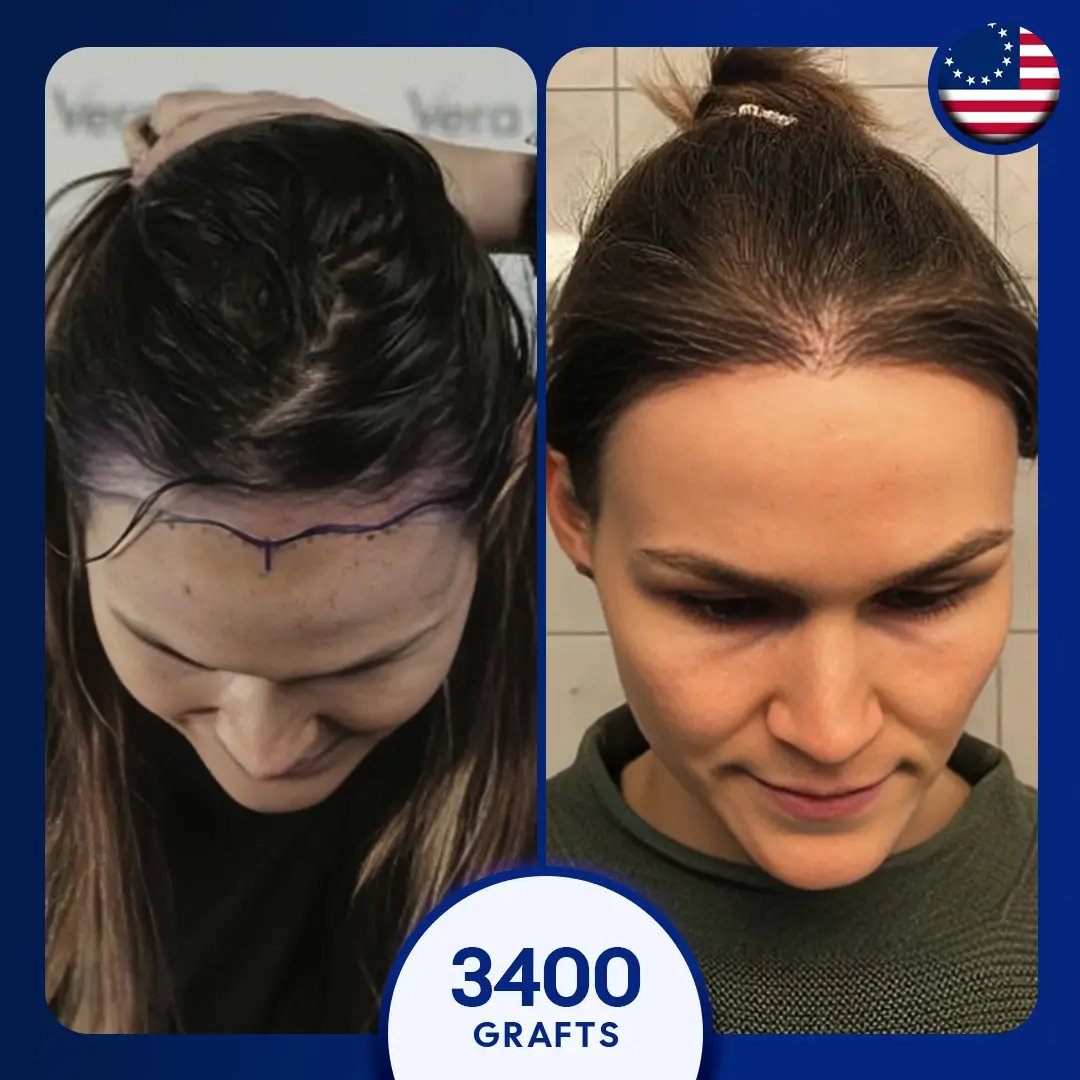
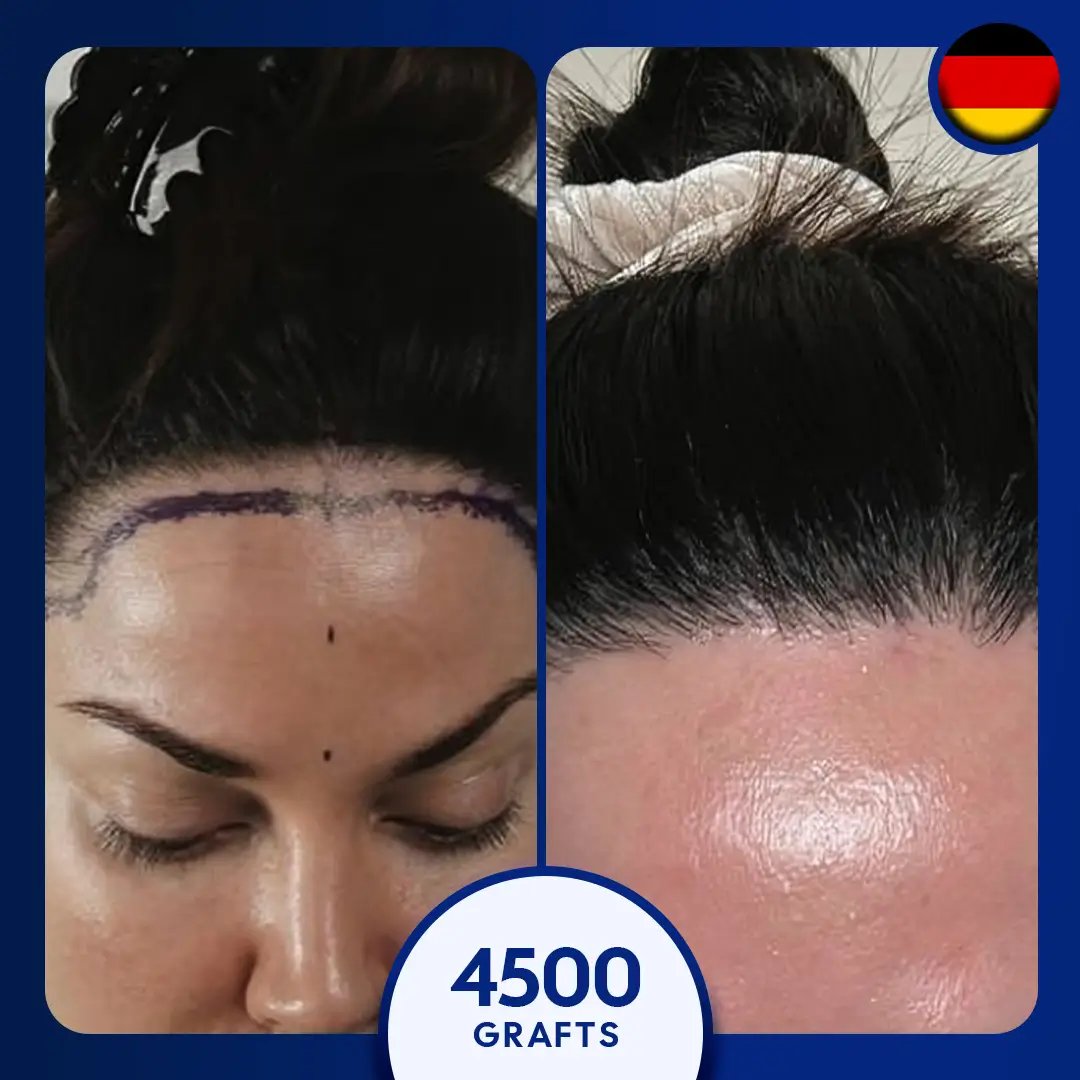
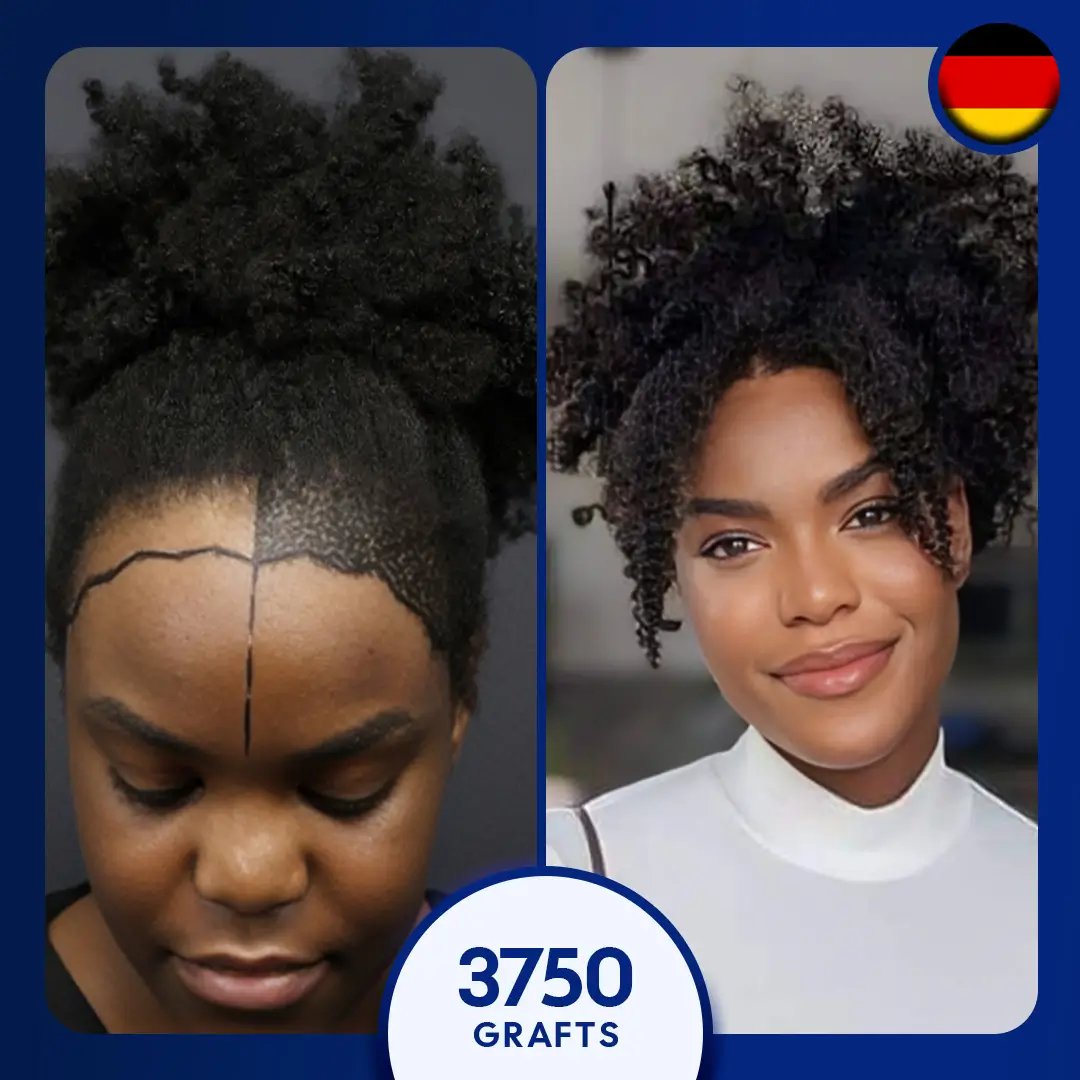
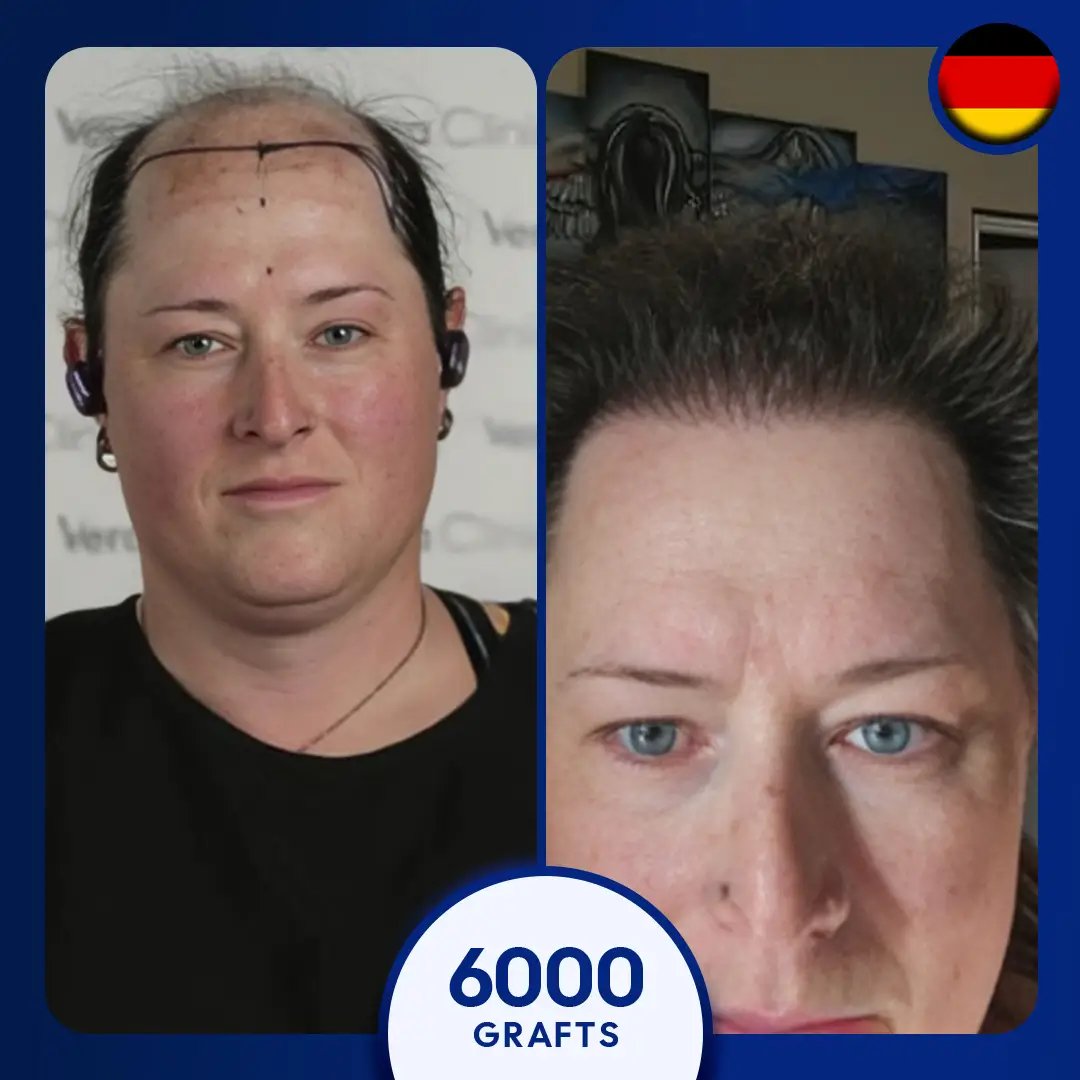
What Does Turkish Female Hair Transplant Look Like Before and After?
Before a female hair transplant in Turkey, women show thinning along the mid-scalp, widening part lines, or receding frontal hairlines; after the procedure, the hair looks fuller, denser, and more defined with natural flow and permanent coverage.
In FUE transplants, the before image shows scattered thinning across the scalp, while the after image reveals evenly distributed density that blends with existing hair. With DHI (no-shave), the contrast of women hair transplant before and after is even more visible: a sparse or uneven hairline becomes soft, rounded, and naturally dense, restoring feminine proportions. In rare FUT cases, the before photo highlights large bald patches, while the after photo displays strong coverage across wide areas, though with a concealed donor scar.
Across all techniques, female hair transplant results stand out for their natural appearance (hair grows in the same angle and direction as native strands) and their permanence, as transplanted follicles resist future hormonal shedding. Women report both aesthetic improvements and psychological relief, as fuller hairlines restore balance to facial features and build lasting confidence.
Check our women hair transplant before and after galleries for each technique to see real transformations in density, hairline design, and natural results!
Female FUT Hair Transplant in Turkey
FUT was once a common method for female hair restoration, but today it is largely considered outdated. The procedure involves removing a strip of scalp to harvest grafts, which leaves a linear scar and causes longer healing times. For women, this method is not preferred, as it carries higher risks of complications, visible scarring with certain hairstyles, and post-operative discomfort.
Modern techniques such as FUE, Sapphire FUE, and DHI have largely replaced FUT, offering natural results, minimal scarring, and faster recovery. FUT is rarely performed in Turkey and is not the technique of choice for women seeking hair transplantation.
Women FUE Hair Transplant in Turkey
Before FUE, female patients have scattered thinning or widening part lines that make hair look less defined. After surgery, the scalp shows evenly distributed density that blends naturally with existing hair. The strength of FUE lies in its scar-free donor area and high survival rates, giving women a soft, natural flow with restored volume and confidence.
Female DHI Hair Transplant in Turkey
Before DHI, women experience a sparse or receding frontal hairline, thinning temples, or reduced density in the mid-part. After the transplant, these areas appear naturally dense and more defined, with hair implanted at precise angles. The strength of DHI is its no-shave option and refined placement, which allow women to achieve natural, feminine hairlines and visible fullness without disrupting their hairstyle.
What’s the Difference Between Female Hair Transplants and Hair Replacement in Turkey?
A female hair transplant in Turkey is a medical procedure where a woman's own donor follicles are permanently implanted into thinning areas, while hair replacement systems are non-surgical prosthetics that cover bald spots without creating new growth. The key difference is that transplants restore living, natural hair that continues to grow for life, whereas replacements require constant upkeep and eventual replacement.
With techniques such as Sapphire FUE and no-shave DHI, transplanted follicles achieve survival rates above 90%, producing permanent results (Vera Clinic Academy Database, 2026). A single transplant session in Turkey costs between €2,000 and €6,000, but it is a one-time investment. By comparison, a hair replacement system starts cheaper at around €300 to €800 per unit, yet each unit lasts only 2 to 4 months and needs monthly upkeep, putting the yearly cost of professional hair replacement at roughly €3,000 to €4,500, so cumulative costs can exceed the price of a transplant within a few years (industry estimates, 2025). Beyond expense, replacements can cause sweating, itching, and hygiene issues, while transplants integrate with natural hair flow, allowing women to style freely without restrictions.
For women, another difference is psychological. Hair replacement feels temporary and artificial, while a transplant restores a permanent female hairline, improves scalp coverage in widening parts, and increases styling confidence; hair transplantation is associated with measurable quality-of-life improvement in women with androgenetic alopecia (Actas Dermo-Sifiliográficas, 2025).
While hair replacement covers the problem, a hair transplant in Turkey solves it permanently, making it a strong choice for women seeking durable, natural, and cost-effective results.
How Is Female Turkish Hair Transplant Different from Female Turkish Hair Plugs?
A female Turkish hair transplant uses modern methods such as FUE and no-shave DHI to implant natural follicles with high survival rates and natural density, while hair plugs are an older technique where large grafts are placed in groups, resulting in an artificial look.
The difference between the two is clear in both appearance and outcome. In a modern hair transplant, surgeons extract follicles individually or implant them directly with tools like the Choi pen, creating natural growth patterns. Hair plugs, by contrast, use larger grafts of 10 to 20 hairs that cause the "doll's hair" effect, making them outdated in Turkey today.
Women's hair transplant cost differs: a modern female transplant in Turkey ranges from €2,000 to €6,000, depending on graft numbers and technique, while plugs were once cheaper but frequently required costly corrections later. In terms of recovery, modern transplants heal within 7–10 days and produce visible growth by 3–4 months, while plugs leave noticeable scars and offer less predictable results.
For women, the biggest advantage of today’s techniques is the ability to achieve soft, rounded female hairlines, permanent results, and natural density, which hair plugs cannot provide.
What Are the Common Causes of Hair Loss in Women?
Hair loss in women has many causes. The list below states each cause, how it works, and why it affects women.
- Female Pattern Hair Loss (FPHL): In women with Female Pattern Hair Loss (FPHL), hair follicles become sensitive to androgens, which leads to gradual miniaturization along the part line and frontal scalp. Over time, this appears as a widening part and a progressively thinner ponytail. FPHL is recognized as the most common cause of hair thinning in women, according to the American Academy of Dermatology article “Thinning hair and hair loss: Could it be female pattern hair loss?”
- Telogen Effluvium (stress, illness, crash diets): A trigger shifts more hairs into the resting phase at once. Shedding starts about three months after the event and then settles as the trigger resolves. Nutritional gaps, systemic illness raise the risk of telogen effluvium.
- Postpartum Telogen Effluvium: This occurs when estrogen levels drop sharply after childbirth, causing a large number of hairs to enter the shedding phase at the same time. On average, hair loss begins around 3 months after delivery, reaches its peak at about 5 months, and subsides by the 8th month. Most women see their hair growth return to normal within 6 to 12 months. These timelines are supported by the study “Investigation of Exacerbating Factors for Postpartum Hair Loss: A Questionnaire-Based Cross-Sectional Study” published in the National Library of Medicine.
- Iron Deficiency and Low Ferritin: Low iron stores reduce anagen duration and increase shedding. Studies link better outcomes when ferritin exceeds about 40 μg/L and show improvement after supplementation. Menstruation and pregnancy increase risk of hair loss due to iron deficiency in women. (“Female pattern hair loss: A clinical, pathophysiologic, and therapeutic review” published in NIH)
- Thyroid Disorders: Hypothyroidism and hyperthyroidism disrupt the hair cycle and cause diffuse thinning due to thyroid issue. Women have a higher thyroid disease burden, so screening can find the cause. Hair regrowth follows correction in many cases.
- PCOS and Androgen Excess: Elevated androgens drive FPHL in women with PCOS. Guidelines advise monitoring hair thinning as a clinical sign and treating the hormonal driver for hair loss due to PCOS. Because PCOS is the most common endocrine condition linked to female pattern hair loss, hormonal health is an important factor in candidacy.
- Traction Alopecia: Tight styles create chronic pull at the follicles, especially along the hairline and temples. The risk of traction alopecia is higher with frequent tight braids, weaves, or high ponytails; changing styles early prevents permanent loss.
- Scarring Alopecias (Frontal Fibrosing Alopecia and Lichen Planopilaris): Autoimmune inflammation destroys follicles and causes permanent loss. FFA affects mainly peri- and post-menopausal women and starts with eyebrow loss; some evidence links cosmetic exposures as potential modifiers. Early diagnosis limits scarring according to “Lichen planopilaris and frontal fibrosing alopecia: review and update of diagnostic and therapeutic features”.
- Central Centrifugal Cicatricial Alopecia (CCCA): This scarring alopecia primarily affects women of African descent and begins at the vertex. Central Centrifugal Cicatricial Alopecia (CCCA) is associated with a higher tendency for keloid scarring. This means that people who develop CCCA are more prone to forming keloids.
- Alopecia Areata: Autoimmunity targets anagen follicles and causes patchy or diffuse loss. Lifetime incidence is about 2 percent, and episodes recur; women are affected by alopecia areata during high-stress periods.
- Chemotherapy and Radiotherapy (Anagen Effluvium): Cytotoxic drugs and scalp radiation injure rapidly dividing matrix cells and cause abrupt hair loss due to chemo. Onset occurs 1 to 3 weeks after chemotherapy starts; regrowth is common but is delayed or persistent in some cases.
- Medications and Supplements: Retinoids, some blood-pressure and gout drugs, and high vitamin A doses trigger shedding. A detailed drug history helps patients to understand their triggers and avoid hair loss due to medications.
- Rapid Weight Loss and Restrictive Diets: Calorie and protein deficits push follicles into telogen and increase shedding. Correcting deficits reduces loss over the following months.(“Male and female pattern hair loss: Treatable and worth treating” published in CCJM.org)
In women with diffuse shedding, clinicians check ferritin, thyroid function, and signs of hyperandrogenism together. This bundle catches the most actionable, female-specific hair loss drivers in one visit and prevents missed causes.