
A beard transplant in Turkey is a cosmetic procedure that restores facial hair by moving follicles from the scalp to the beard area. Surgeons use modern methods such as FUE or DHI to implant grafts one by one. Survival rates often reach 90–95% in experienced hands according to the International Society of Hair Restoration Surgery (ISHRS, 2022).
Hair loss in the beard often comes from genetics, scars, or hormones. A transplant replaces missing hairs permanently. Patients restore density in the mustache, cheeks, or jawline with natural angles and growth.
Cost is the main reason men search for a beard transplant in Turkey. In Europe or the US, the price reaches €6,000–12,000. Beard transplant cost in Turkey is usually €2,000–3,500 while clinics follow international medical standards.
What Are the Advantages of Getting a Beard Transplant in Turkey?
A beard transplant in Turkey offers several distinct advantages: significant cost savings compared to Europe or the US, experienced surgeons, high graft survival rates, and positive psychological impact.
- Cost Advantage: A beard transplant in Turkey costs €2,000–3,500, compared to €6,000–12,000 in the US or Europe (International Clinics, 2023).
- Surgeon Experience: Turkey performs thousands of beard transplants annually, giving surgeons extensive practical expertise (ISHRS 30th World Congress in Panama City, Panama, 2022).
- High Success Rate: 90–95% graft survival reported when modern FUE or DHI methods are used (ISHRS Practice Census, 2022).
- Permanent and Natural Results: Transplanted follicles grow permanently, blending with native facial hair in texture and direction.
- Physical and Psychological Impact: Fuller beards improve facial harmony. Surveys show 83% of patients report higher confidence after hair restoration (ISHRS Practice Census, 2022).
- All-Inclusive Packages: Clinics offer bundles with surgery, accommodation, transfers, and aftercare, making the process easier for international patients.
Although there are many benefits to getting a beard transplant in Turkey, there are some potential disadvantages that patients should consider:
- Travel Distance: Patients must fly to Turkey, manage visas, and plan for at least a few days of stay.
- Recovery Timeline: Redness, swelling, and crusts appear in the first week. Full results require 6–12 months for complete growth.
- Shock Shedding: Transplanted hairs shed within 4–8 weeks before regrowth begins.
- Side Effects: Possible risks include mild infection, folliculitis, or uneven density, though these are uncommon with sterile technique.
- Patience Required: The process demands strict aftercare and emotional patience until final results are visible.
From cost efficiency to psychological impact, a beard transplant in Turkey brings together financial, medical, and emotional considerations that shape the overall patient experience.
Why Is Turkey Leading in Beard Hair Transplants?
Turkey leads beard hair transplants because its surgeons combine high case volume, modern techniques, and prices of €2,000–3,500, drawing over 100,000 hair restoration patients yearly (ISHRS, 2022).
High patient flow gives Turkish surgeons more practical experience than most global peers. Clinics use Sapphire FUE and DHI methods, often reporting 90–95% graft survival in published studies. With average cost per graft at US $1.07 (Vera Clinic 2025 Statistics), Turkey offers among the lowest pricing globally while maintaining international medical accreditation. This mix of affordability and proven outcomes cements its lead in beard transplants.
Why Choose Vera Clinic for Beard Transplant in Turkey?
Vera Clinic is recognized as one of the leading beard transplant clinics in Turkey, with experienced beard transplant surgeons, and the pioneer of both Sapphire FUE and the in-house Oxycure (Hyperbaric Oxygen Therapy) that redefine beard restoration worldwide.
Vera Clinic stands out as among beard transplant clinics because of its medical innovations and verified trust signals. The clinic pioneered Sapphire FUE in 2017, a technique now adopted internationally for scar-free, high-density results. It remains the only Turkish clinic offering in-house hyperbaric oxygen chamber, proven to speed graft vascularization and improve survival rates.
Vera Clinic is both a medical leader and a recognized brand of excellence. It received the European Award in Medicine, earned the Great Place to Work certification for workplace culture, and won the IDA Design Awards 2024, blending medical precision with patient-centered design. These recognitions, alongside thousands of successful beard transplant Turkey cases, support Vera Clinic's reputation for authority in hair restoration.
What Are Included in a Vera Clinic Beard Hair Transplant Package?
- Beard transplant with Sapphire FUE or DHI methods
- Oxycure Hyperbaric Oxygen Therapy session
- Stem cell–enhanced graft support if indicated
- Luxury accommodation and private transfers
- English-speaking medical consultants available 24/7
Medical pioneering, in-house technology, and independent recognition together position Vera Clinic among Turkey's established choices for beard restoration.
How Successful Are Beard Hair Transplants in Turkey?
Turkish beard transplants in reputable clinics reach 90–95% graft survival rates, and hair transplant clinic Turkey reviews consistently show high patient satisfaction.
Modern methods such as FUE and DHI, widely used in Turkey, deliver survival rates above 90%, and a 95% one-year beard graft survival rate has been reported in a peer-reviewed comparative study in the Journal of Cutaneous and Aesthetic Surgery (Gupta et al., 2019), consistent with Turkish beard restoration outcomes. Independent analyses of hair transplant clinic Turkey reviews show patients highlight natural density, long-lasting growth, and overall beard hair transplant success rate, which supports the country’s reputation for successful procedures.
Beard-region outcomes in particular are supported by a retrospective cohort analysis by Vera Clinic Academy of single-region Sapphire FUE hair transplantation to the beard, moustache, eyebrow, and sideburn. Among 35 beard-region patients assessed at 12 months, graft survival averaged 93.4% (range 85–99%), the highest of the four facial regions studied, and independent observer rating scored naturalness and symmetry as good to very good in 88.6% of cases, also the highest among the regions. Mean patient-reported satisfaction was 4.5 out of 5. In the beard region, these three measures moved together, with high graft survival, naturalness, and patient satisfaction reinforcing one another, a pattern the study notes did not hold consistently across all facial subregions. All recorded complications (11.4%) were mild and transient, consisting mainly of oedema, erythema, and self-limiting folliculitis, according to the Facial Hair Transplant Satisfaction Study (Vera Clinic Academy, 2026).
“The hardest part was trusting the early phase. The beard looked sparse at first, but around month four everything started connecting. Now the density makes sense, and I don’t have to shape around empty spots anymore.”
-Jay Galang
How Much Is a Beard Transplant in Turkey?
The average beard transplant cost in Turkey ranges from €2,000 to €3,500, depending on graft number, technique, and clinic reputation.
Several factors influence beard hair transplant Turkey cost.
- Extent of hair loss: Larger beard gaps require more grafts.
- Technique: Sapphire FUE and DHI are slightly higher in cost but offer denser results.
- Surgeon’s experience: Senior surgeons with high international demand often price at the upper end.
- Clinic reputation: Accredited clinics with awards and international recognition maintain premium pricing.
- Included services: Packages include accommodation, transfers, aftercare, and therapies like Oxycure.
Graft count remains the primary cost driver, with technique and clinic reputation adjusting the price around it.
How Much Do Beard Hair Transplants Cost in Turkey Compared to Other Countries?
Beard hair transplant costs vary widely across countries. Turkey offers one of the most affordable and reliable options, with prices ranging between €2,000 and €3,500, considerably lower than the US, where costs range from €6,500 to €14,000 or more. Other destinations such as India, Thailand, Mexico, and the UAE fall within their own distinct ranges, though beard hair transplant cost in Turkey remains among the most competitive globally.
| Country | Avg. Cost (€) |
|---|---|
| Turkey | €2,000 – €3,500 |
| India | €1,850 – €5,500 |
| Thailand | €1,850 – €4,600 |
| Mexico | €2,400 – €3,950 |
| UAE | €2,500 – €6,300 |
- India offers affordable rates ranging between €1,850 and €5,500, often bundled with full-service tourism experiences.
- Thailand falls between €1,850 and €4,600, attractive to patients seeking cosmetic tourism in Southeast Asia.
- Mexico ranges from €2,400 to €3,950, particularly popular among North American patients due to proximity and value.
- UAE (Dubai) sees costs between €2,500 and €6,300, reflecting higher living costs and luxury positioning.
What Methods of Beard Hair Transplants are Used in Turkey?
Different techniques are employed in Turkey to achieve the best possible beard transplant results, with the choice depending on graft count, desired density and patient needs.
- Follicular Unit Extraction (FUE): Individual follicles are extracted from the donor area, usually the back of the scalp, and implanted into the beard. This method offers minimal scarring and a natural look.
- Sapphire FUE: An advanced version of FUE where surgeons use sapphire blades to create micro-channels. This allows denser packing, faster healing, and reduced tissue trauma. Vera Clinic pioneered Sapphire FUE method in 2017.
- Direct Hair Implantation (DHI): Follicles are loaded into implanter pens and directly placed into the recipient area without prior incisions. This ensures high precision in angling and direction, making it ideal for shaping the mustache and jawline.
- Stem Cell-Supported Transplant: Some clinics, including Vera Clinic, use mesenchymal stem cells to enhance graft survival and healing, supporting denser and healthier beard growth.
- FUT: Strip harvesting that leaves a scar; largely outdated for beard surgery.
Today, Sapphire FUE and DHI are considered the most effective beard hair transplant techniques in Turkey, offering high survival rates, natural flow, and fast recovery.
Which Facial Hair Transplant Technique in Turkey is Best for Beard Restoration?
In Turkey, the best beard restoration techniques are Sapphire FUE and DHI, offering survival rates of 90–95% with natural results.
Sapphire FUE was pioneered in Turkey and first performed at Vera Clinic, establishing the country as an early adopter and reference point for scar-free beard surgery. It creates sharper cheek and jaw lines with faster recovery. DHI is widely used in Turkish clinics for precise mustache and cheek shaping. Standard FUE remains reliable, while FUT is mostly abandoned due to scarring.
What Beard Styles Are Available Through Beard Transplants in Turkey?
Beard transplants in Turkey recreate or enhance a wide variety of styles, each tailored to the patient’s facial features and goals.
Complete coverage across cheeks, jawline, chin, and moustache, designed for maximum density and a natural masculine frame.
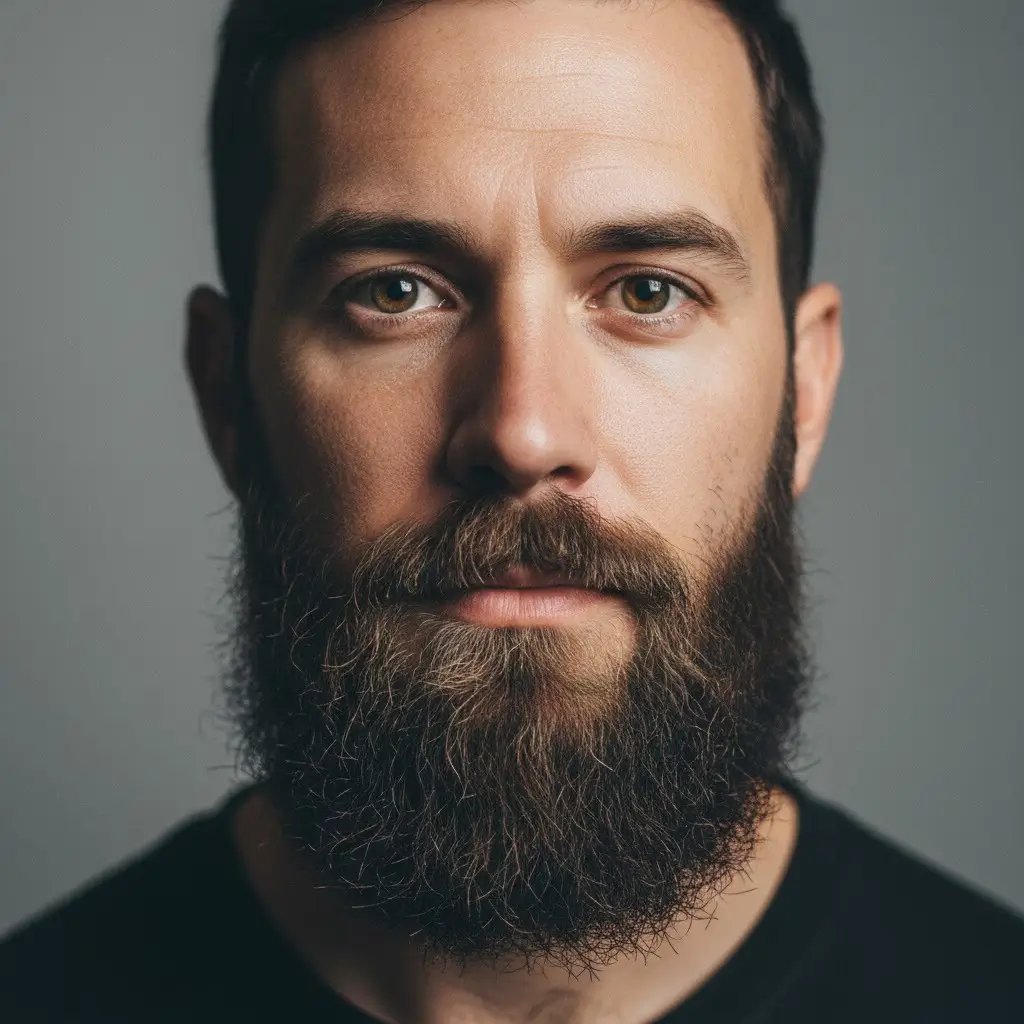
Trimmed cheek lines with defined jaw and chin coverage, ideal for a sharp, professional look.
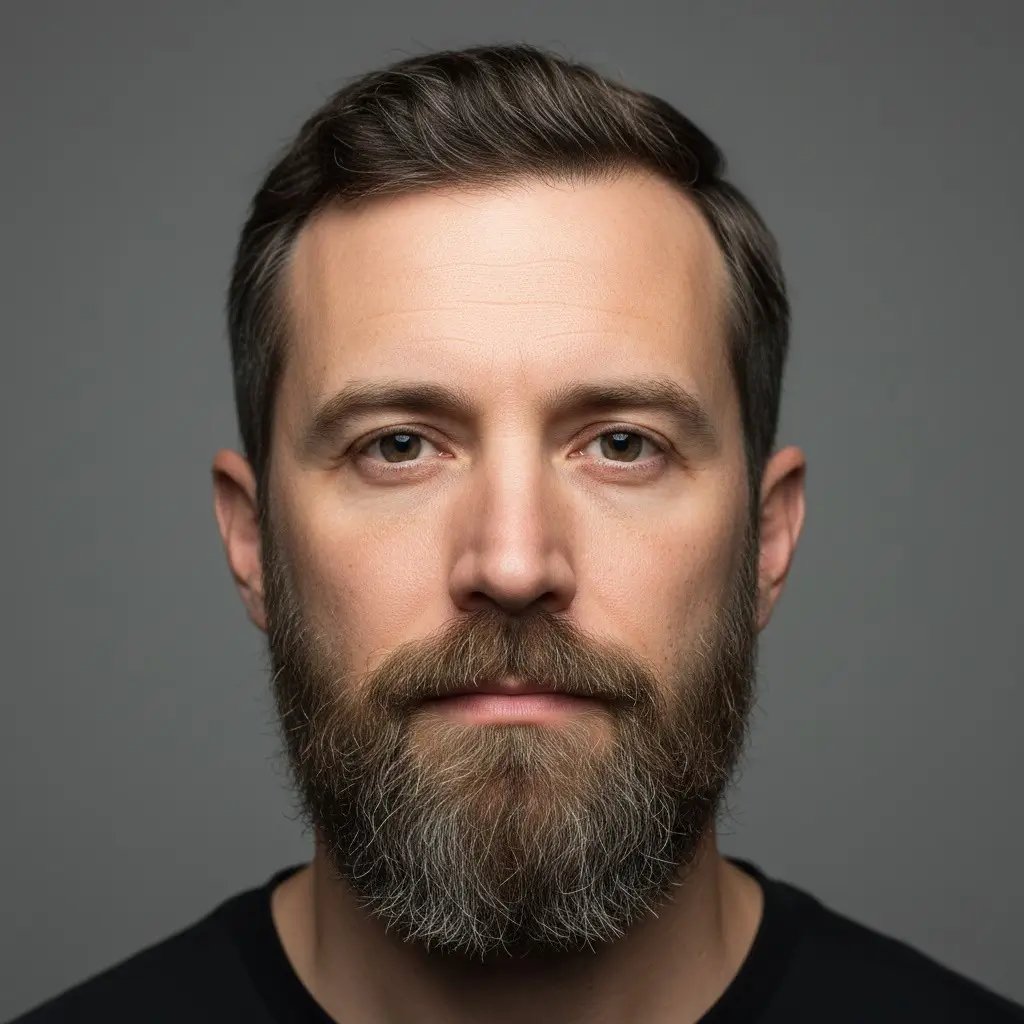
Strong growth along the jaw and chin, often with reduced or no cheek coverage, giving a sculpted aesthetic
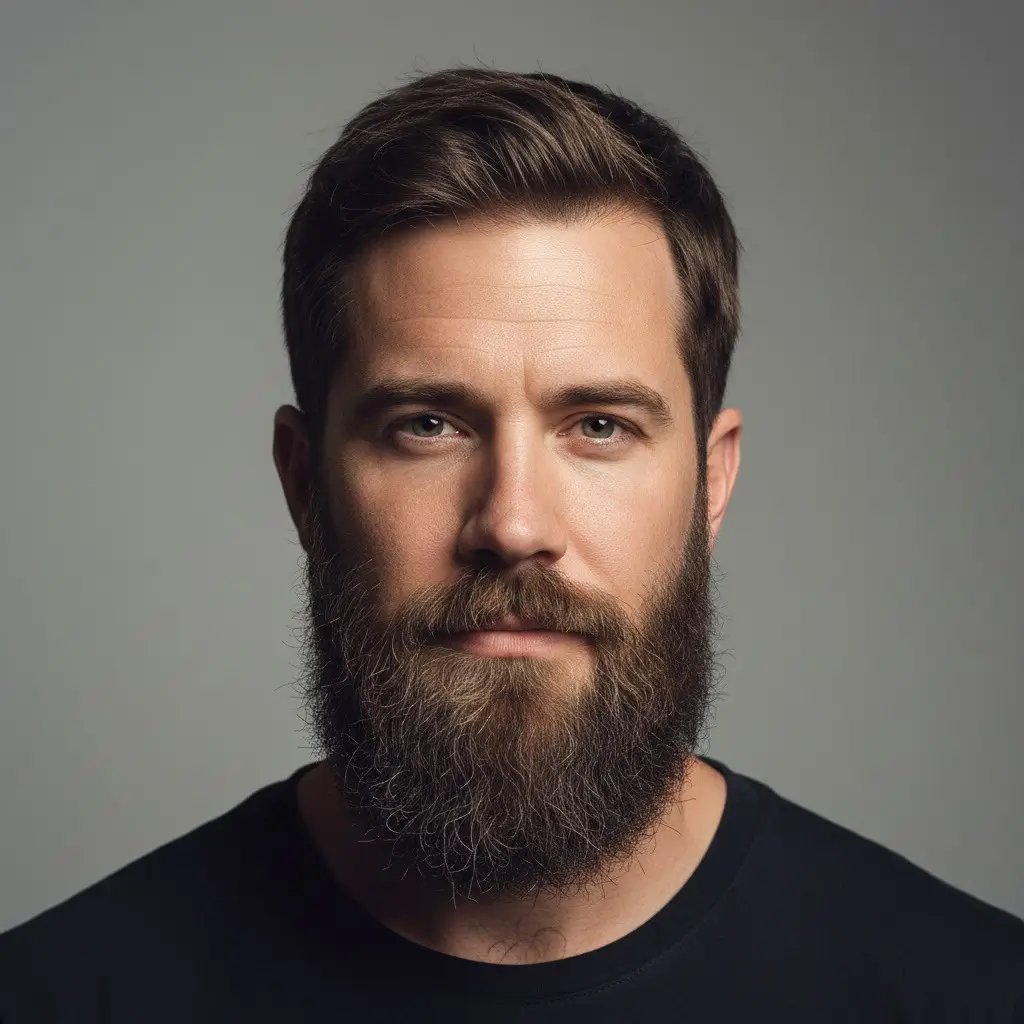
Connection of the chin beard and moustache in a rounded frame around the mouth.
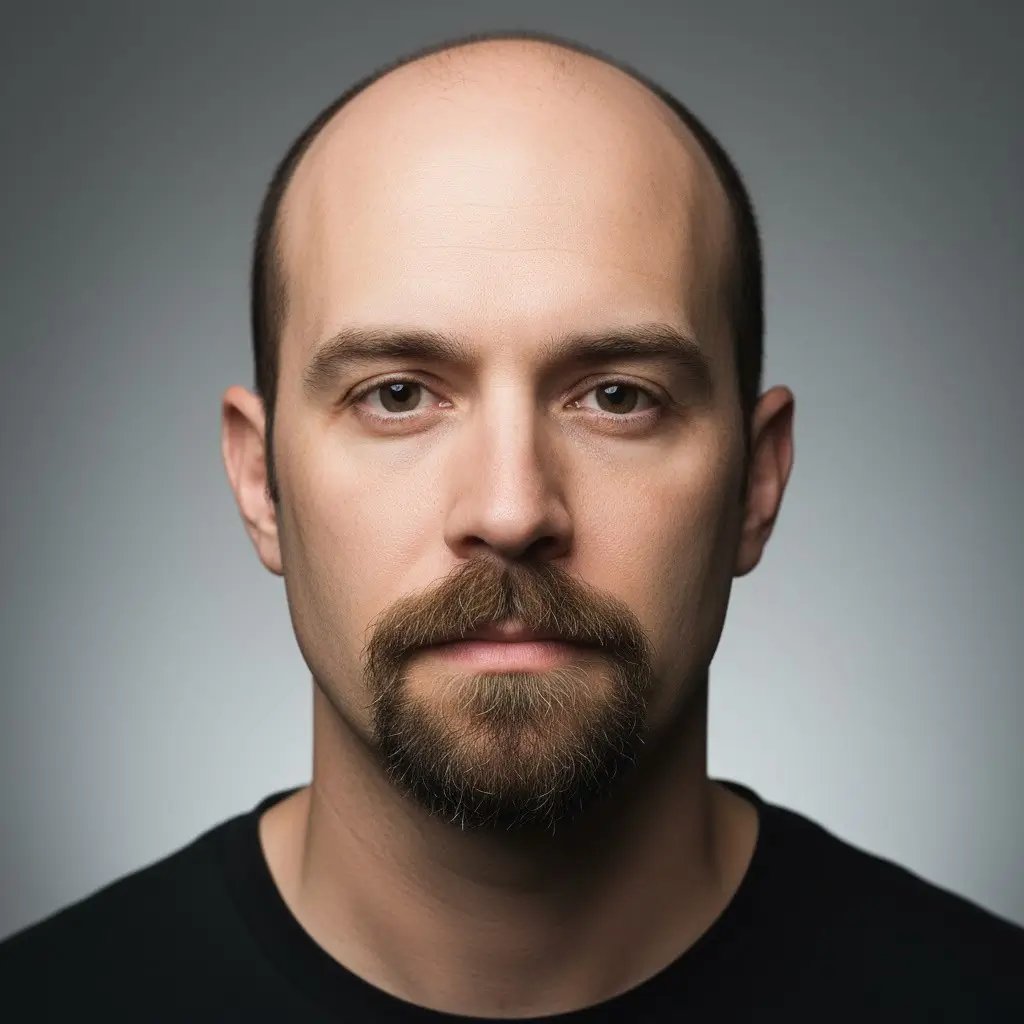
Chin-focused beards paired with a styled moustache, offering creative and distinctive looks.
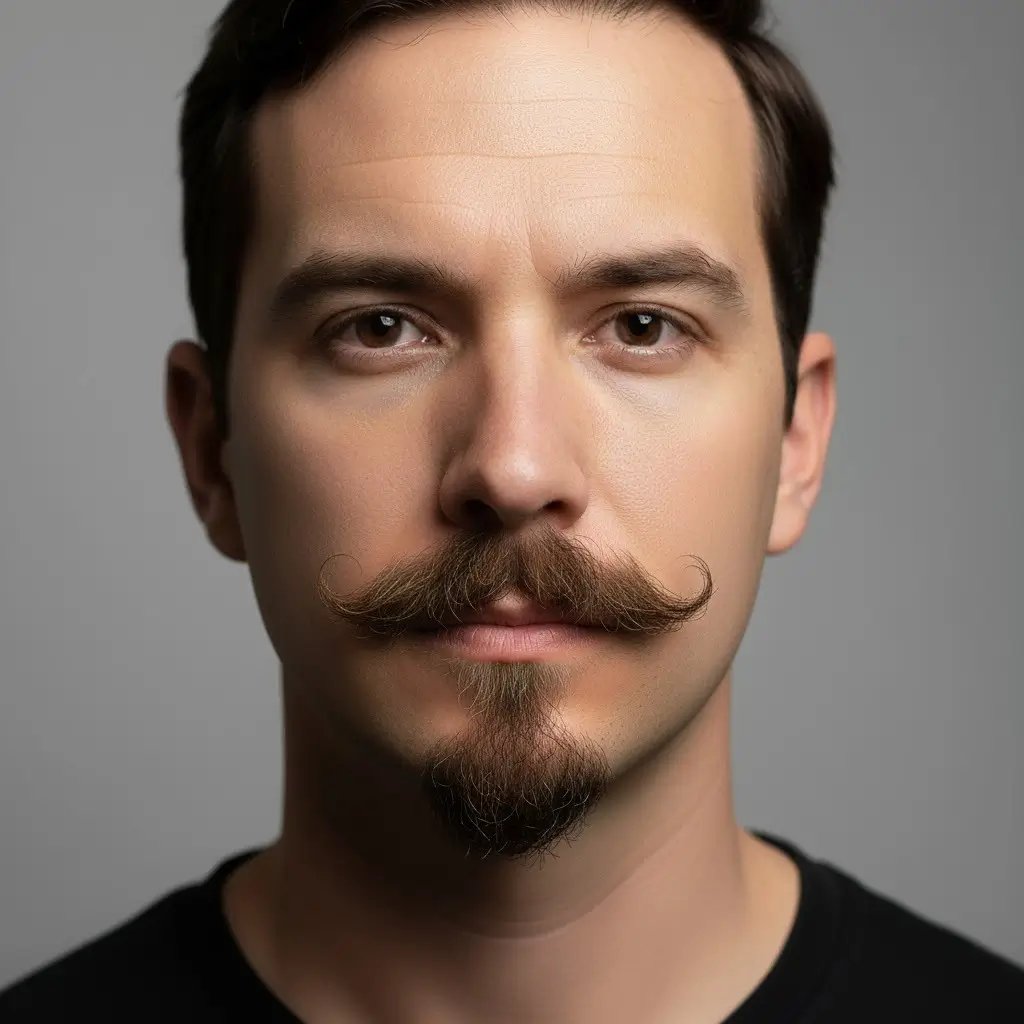
Continuous line along the jaw, sometimes extending into connectors or a curtain-like effect.
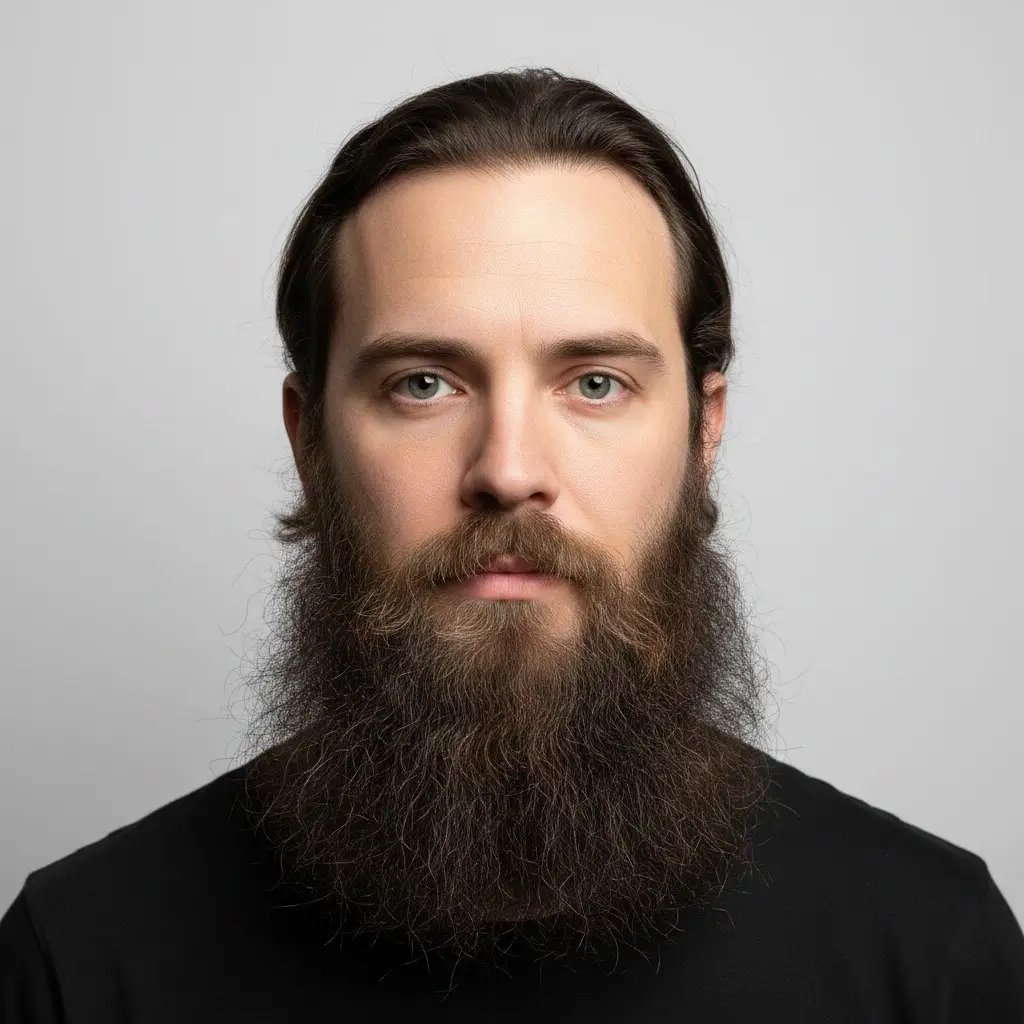
Prominent sideburns extended onto the cheeks, sometimes paired with a moustache.
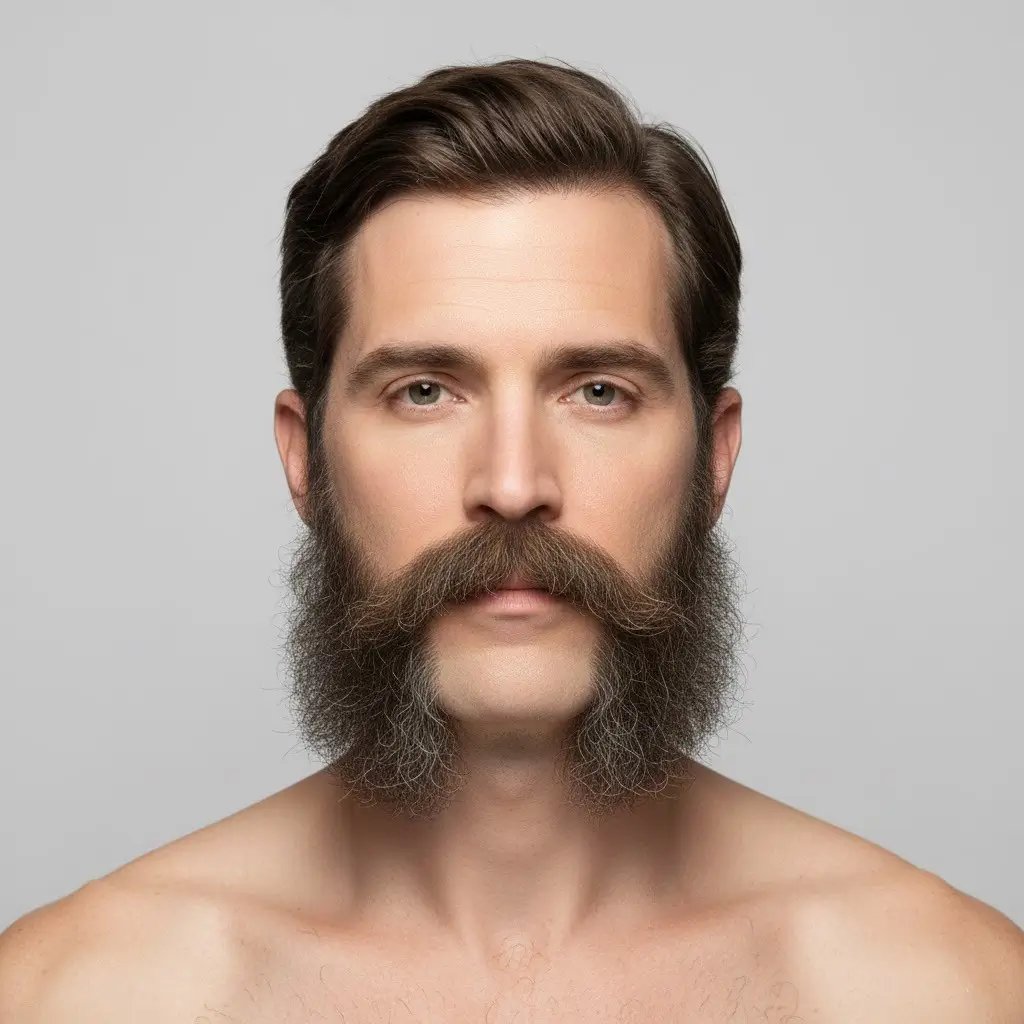
Targeted grafting to correct patchy stubble, maintaining a short but even appearance.
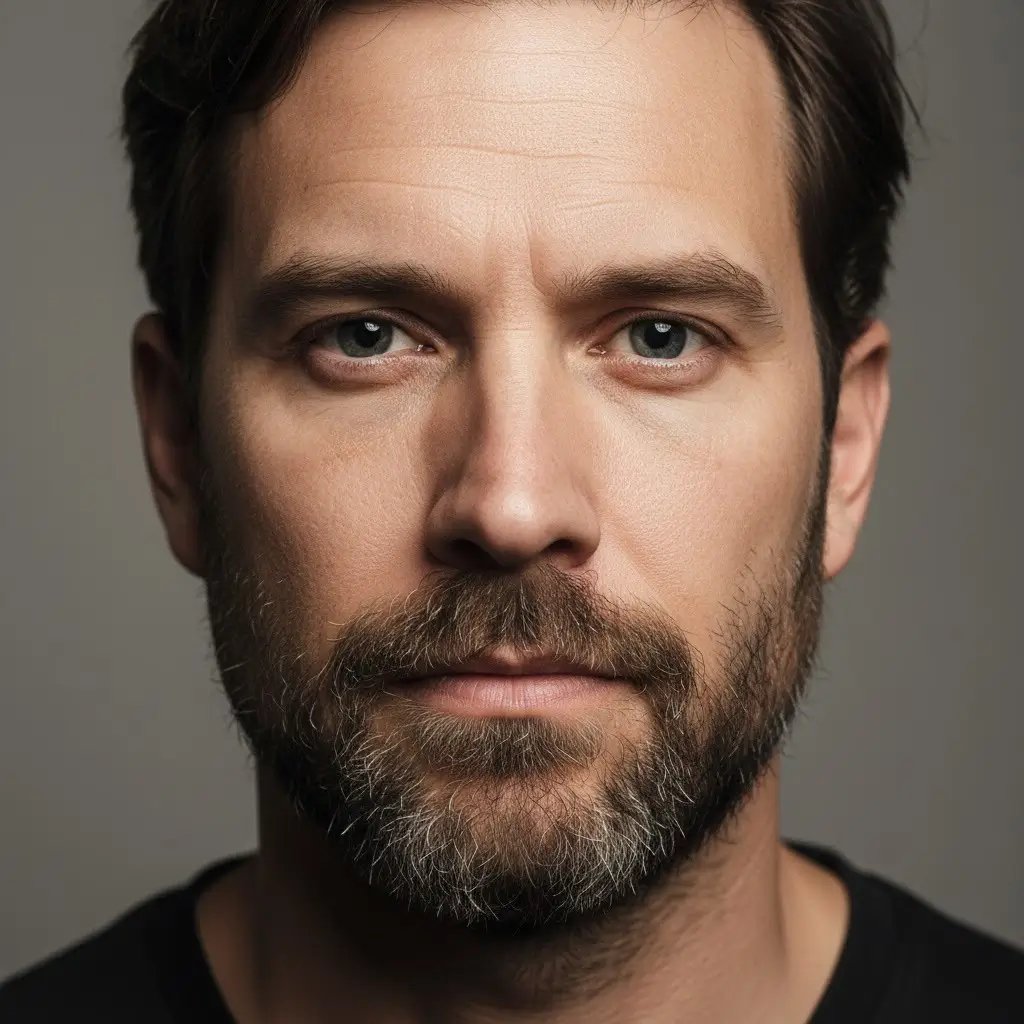
Focused placement to conceal scars in beard-bearing areas, restoring uniform texture.
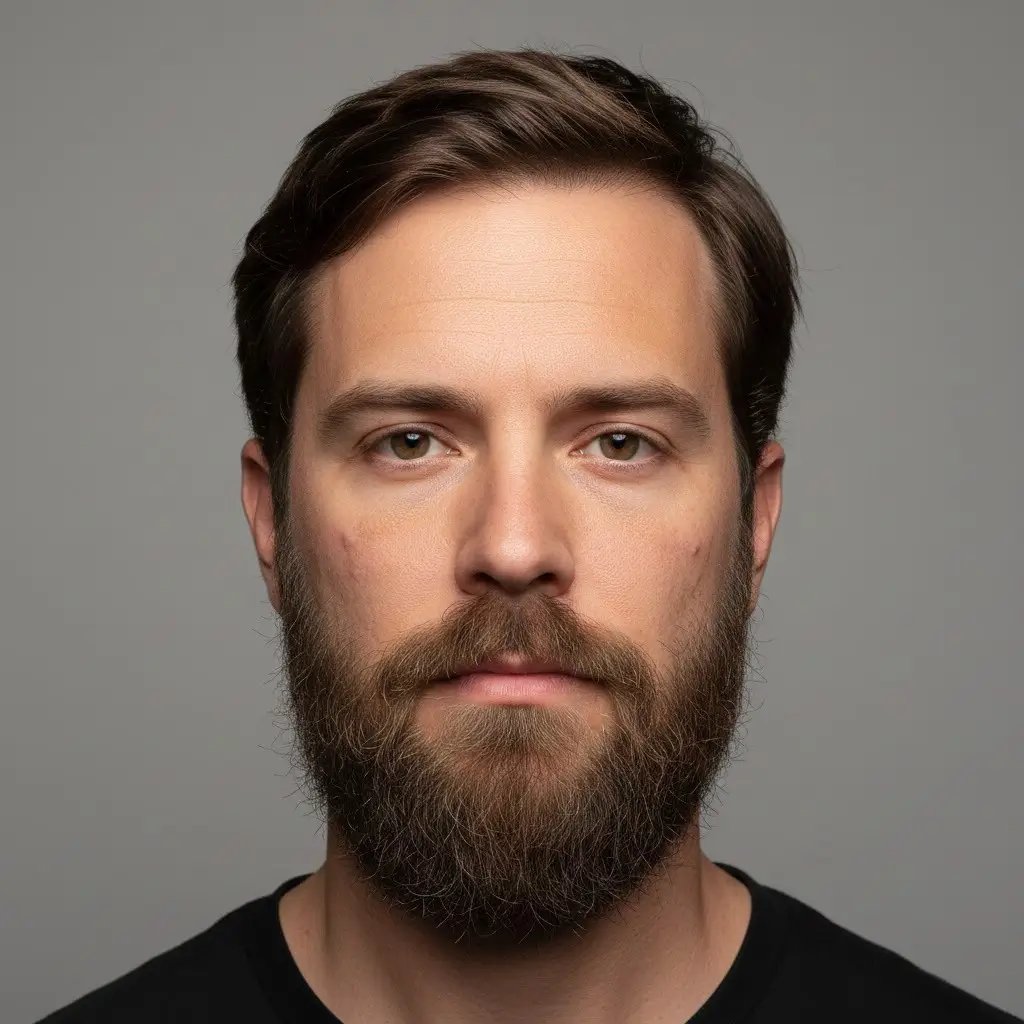
Localized transplants to rebuild or thicken sideburns and connectors to the beard or moustache.
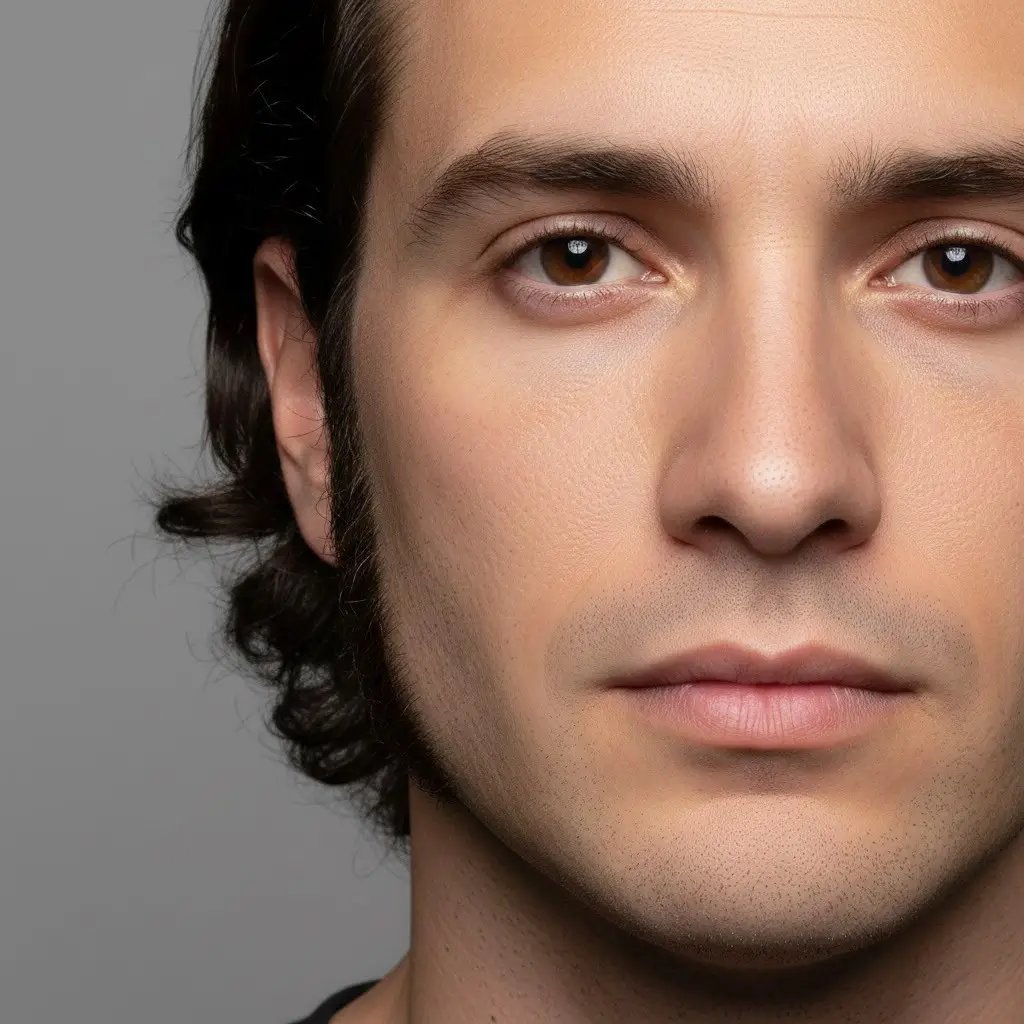
Beard hair transplant price is linked more to graft count than to the specific beard style chosen. Fuller beard designs, such as a complete beard or extended jawline style, require more grafts than targeted goatee or sideburn restorations, which makes them more expensive overall.
What Are the Procedures for a Beard Hair Transplant?
The procedure follows a clear sequence, and the first step is knowing where the best clinic for beard hair transplants in Turkey is located, since clinic quality directly determines results.
- The journey starts with a consultation, where the surgeon examines the donor area and designs the beard line.
- Patients must identify and choose the best beard transplant clinic, ideally one with international recognition, proven techniques like Sapphire FUE and DHI, and advanced recovery support such as Oxycure Therapy.
- Hair follicles are extracted from the donor area, usually the scalp, using FUE or Sapphire FUE.
- Micro-channels are created in the beard zone at precise angles and density to ensure natural growth.
- Extracted follicles are implanted into the beard using either forceps or DHI implanter pens for better angle control.
- After surgery, the treated areas are cleaned and the donor site is bandaged.
- Clinics like Vera Clinic provide immediate Oxycure sessions and other kinds of aftercare technologies, which accelerate healing and allow patients to track recovery remotely.
- Final results appear after 6–12 months, with ongoing follow-up and support provided by the clinic.
Consultation, extraction, channel creation, and implantation combine into a single continuous session, with structured aftercare carrying the result through to final growth.
Who Is Eligible for a Beard Transplant in Turkey?
Ideal candidates for a Turkish beard transplant are men with patchy or thin beards who have a healthy donor area on the scalp and no medical conditions preventing safe surgery.
A Turkish beard is most effective for men with good overall health, realistic expectations, and stable hair growth at the donor site. Candidates should be over 20, as hormones and hair patterns stabilize by this age. Men with scarring, genetic gaps, or sparse growth are eligible. Factors that prevent a beard transplant include uncontrolled diabetes, blood clotting disorders, severe skin disease, or insufficient donor hair. Smoking, autoimmune conditions, and certain medications lower candidacy by reducing graft survival. Surgeons in Turkey evaluate each case individually to ensure safety and natural results.
Not every male candidate qualifies for a beard hair transplant in Turkey. Eligibility depends on overall health, donor hair quality, and other risk factors, which is why an individual evaluation is essential before proceeding.
How Long Does the Beard Transplant Procedure Take in Turkey?
A beard transplant Turkey procedure lasts 4 to 8 hours, depending on the number of grafts and the technique used.
The duration varies with factors such as beard coverage, graft count, and chosen method. Standard FUE sessions with fewer grafts take around 4 hours, while dense restorations with Sapphire FUE or DHI extend to 7–8 hours. Precision work for jawline and mustache zones adds time, since each follicle must be angled carefully. Larger graft sessions, patient skin sensitivity, and breaks during surgery prolong the procedure. Despite the length, beard transplant surgery is performed under local anesthesia and is comfortable for patients.
Different beard hair transplant techniques do result in different procedure lengths. DHI generally takes longer than standard FUE, while Sapphire FUE is slightly faster due to smoother channel creation.
Is Beard Transplant in Turkey Permanent?
A beard transplant in Turkey is usually permanent because transplanted follicles taken from the scalp retain their genetic growth cycle and continue producing hair for life.
The principle of donor dominance, first established by Orentreich (1959), explains why transplanted scalp follicles survive permanently when moved to the beard area. Clinical studies on FUE and DHI techniques report graft survival rates of 90–95% with long-term stability (Gupta et al., 2019; Bared, 2020).
Still, permanence is not absolute. Cases of impermanence occur when donor reserves are weak, aftercare is neglected, or systemic conditions interfere with growth. Alopecia areata, hormonal disorders, smoking, and chronic skin inflammation reduce survival. Trauma to the implanted area or poor surgical execution can also limit the permanency of hair transplant results.
How Many Grafts Can Be Implanted to the Beard in Turkey?
A beard transplant in Turkey usually requires 1,500–5,000 grafts, depending on beard style and density goals.
Light stubble needs around 1,500–2,000 grafts, while a full beard requires 4,500–5,000. Surgeons use single-hair grafts for the mustache and outline, and multiple-hair grafts for the chin and jawline to maximize density. Scalp grafts adapt to the facial region within 12–18 months, thickening under hormonal influence for a natural “Turkish beard” look. Beard hair graft planning is essential to balance fullness with donor capacity, which is why experienced Turkish surgeons tailor every case individually.
How Does Turkish Beard Surgery Look Like Before and After?
Beard surgery before and after images show density gain, sharper lines, and uniform texture. Results appear natural when graft angles match native growth.
- Density: Patchy areas fill in; cheeks, mustache, and jawline show continuous coverage.
- Line Design: Cheek and neckline become cleaner with symmetric edges.
- Texture Match: Single-hair grafts shape outlines; multi-hair grafts thicken chin and jaw.
- Timeline: Day 0 shows redness and dots; week 3–6 shedding; month 4–6 visible growth; month 9–12 near-final look of the full beard transplant before and after.
- Naturalness: Correct angle and direction prevent “pluggy” look and keep stubble fade realistic in beard hair transplant before and after.
Density, line design, texture matching, timeline, and naturalness combine to determine whether the final result looks fully grown-in and undetectable as a hair transplant.
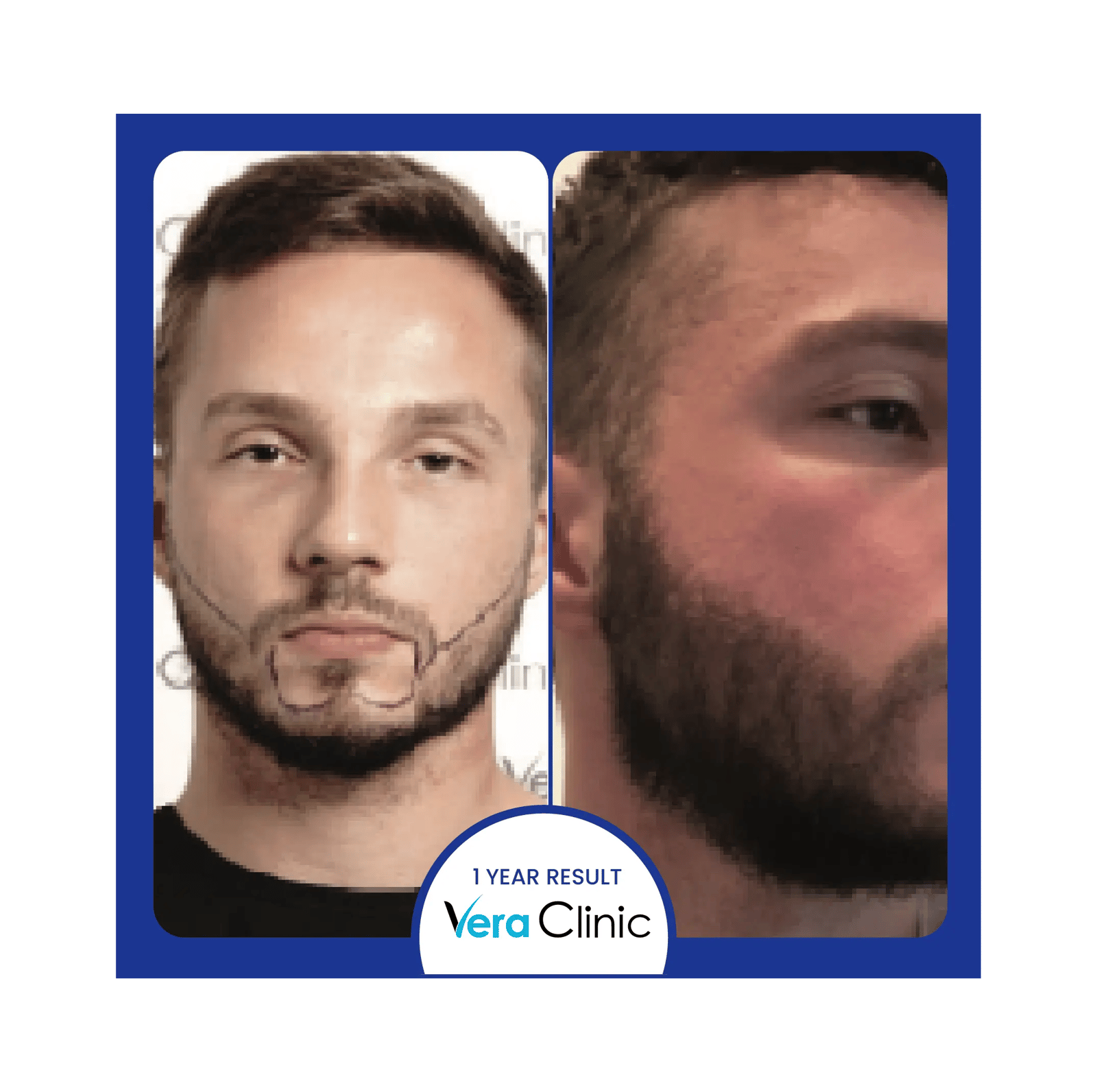
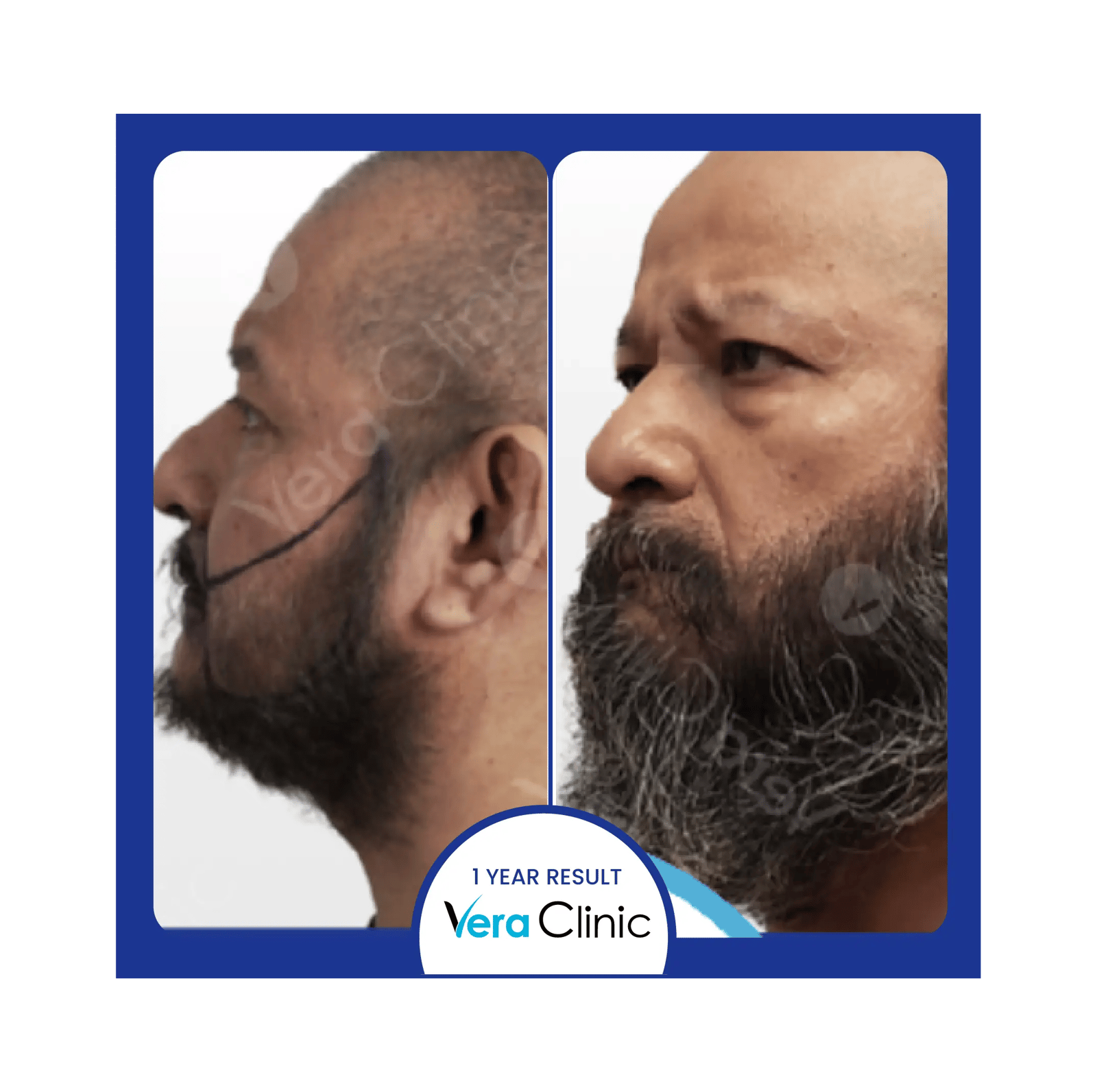
Beard FUE Transplant in Turkey
Sapphire FUE micro-channels allow tight spacing and quick recovery. Results look natural in close-up photos and short trims for FUE beard hair transplant.
Beard DHI Transplant in Turkey
Implanter pens control depth and angle, ideal for delicate zones. Hair grows with a uniform lay and minimal trauma look in DHI beard hair transplant.
What Are the Differences Between Beard Transplants and Moustache Transplants in Turkey?
A beard transplant in Turkey targets the cheeks, jawline, and chin with 2,000–5,000 grafts, while a facial hair procedure for the upper lip usually needs only 400–800 grafts.
Graft angles differ by zone; shallow angles for moustache hairs to match lip contour, and deeper angles for beard grafts on the chin and jawline (Dua et al., 2021). This makes a moustache transplant in Turkey more detail-intensive, despite requiring fewer grafts. Both achieve survival rates above 90% in Turkish clinics, but combining them is often chosen for a full Turkish beard appearance.
Are Beard Hair Transplants Better Than Beard Hair Implants?
In Turkey, beard hair transplants are better than beard implants because they provide permanent, natural growth at lower cost, while implants are synthetic and less reliable.
Turkish surgeons use FUE and Sapphire FUE to restore beard density with survival rates of 90–95% (Dua et al., 2021). These transplanted follicles adapt to facial hormones, thickening over time into a natural Turkish beard.
Beard implants, by contrast, involve synthetic fibers. Beard implants cost more than a €2,000–3,500 beard transplant in Turkey, carry risks of rejection and infection, and often need replacement. That is why Turkish beard transplants are widely regarded as a reliable, long-lasting restoration option.