

Zepbound hair loss occurs when hair follicles prematurely enter the resting phase (telogen) due to the body’s response to rapid weight loss and metabolic changes. Zepbound contains tirzepatide and is used to treat obesity and weight management in patients with type 2 diabetes. It works by regulating blood sugar levels and suppressing appetite, leading to significant weight loss. Zepbound is highly effective, with patients experiencing an average weight loss of over 15% of their body weight during treatment. The weight loss induces stress on the body, which leads to temporary hair loss. The type of hair loss is classified as GLP-1 hair loss, as it is caused by the medication’s influence on Glucagon-Like Peptide-1 (GLP-1) and Gastric Inhibitory Polypeptide (GIP) receptors, which affect appetite control and metabolic regulation. Hair loss from weight loss is seen in patients undergoing rapid weight reduction in patients aged 30-60. Studies suggest that up to 5% of patients experience hair loss during the first few months of treatment, according to research titled “Tirzepatide Once Weekly for the Treatment of Obesity” by Dr. Ania Jastreboff, published in The New England Journal of Medicine in 2022. The condition is temporary, with hair growth resuming once the body stabilizes and weight loss slows. Prolonged use of Zepbound contributes to more persistent hair thinning in rare cases. Zepbound-related hair loss was observed in a small percentage of participants associated with the rapid weight loss experienced during the treatment.
How Common Is Hair Loss When Taking Zepbound Medicine?
Hair loss is not common when taking Zepbound medicine. The active compound in Zepbound, tirzepatide, caused fewer than 5% of participants to experience hair shedding. Zepbound is prescribed for long-term weight management and affects appetite regulation and insulin sensitivity. Hair loss is not a direct pharmacological effect of tirzepatide, but rather a physiological response to rapid weight loss. The most frequent side effects were gastrointestinal, including nausea and diarrhea. The study followed 2539 adults over 72 weeks in the SURMOUNT-1 trial, according to research titled “Tirzepatide Once Weekly for the Treatment of Obesity” by Dr. Ania Jastreboff, published in The New England Journal of Medicine in 2022. Hair loss was not listed among the leading adverse events and was rarely mentioned in safety summaries. Hair thinning occurs during rapid weight loss. The condition is identified as telogen effluvium, a temporary phase where hair follicles shift from active growth to rest. The response is reversible once weight stabilizes or nutritional intake improves. The long-term effects of Zepbound have not been linked to permanent Hair Loss due to Medication.
Why Is Hair Loss a Side Effect of Zepbound?
Hair loss is a side effect of Zepbound because rapid weight loss triggered by the medication disrupts the normal hair growth cycle. Zepbound contains tirzepatide, which alters appetite regulation and glucose metabolism, leading to significant reductions in body weight. A sudden drop in weight places physical stress on the body, resulting in telogen effluvium. The condition causes hair follicles to shift from the growth phase into the resting phase, leading to temporary shedding. The active compound’s pharmacological action does not directly cause the occurrence of hair loss. It results from the body’s physiological reaction to metabolic changes. Cases resolve without treatment once body weight stabilizes. Clinical trials have not classified hair loss as a major side effect of Zepbound, though a small portion of patients have reported it. 2500 participants in the SURMOUNT-1 trial were tracked for safety summaries, but hair loss did not appear among the most common adverse events. The evidence supports the conclusion that Zepbound side effects hair loss is an infrequent side effect of Zepbound and is more closely associated with the pace of weight reduction than the medication itself, according to research titled “Tirzepatide Once Weekly for the Treatment of Obesity” by Dr. Ania Jastreboff, published in The New England Journal of Medicine in 2022.
Is Hair Falling Out a Side Effect of Using Zepbound?
Yes, hair falling out is a side effect of using Zepbound. The reaction is uncommon and results from rapid weight loss rather than the direct action of tirzepatide. Zepbound triggers significant metabolic changes that place stress on the body, leading to telogen effluvium. The condition causes hair follicles to shift into a resting phase, which leads to temporary shedding. Hair loss was not listed among the most common side effects. The trial monitored over 2500 participants during a 72-week treatment period, according to a study titled “Tirzepatide Once Weekly for the Treatment of Obesity” by Dr. Ania Jastreboff, published in The New England Journal of Medicine in 2022. Reports of hair loss were rare and linked to the impact of weight reduction rather than the drug itself. The Zepbound side effect of hair loss is considered an indirect response to physical stress from body changes caused by the body’s response to rapid weight loss triggered by the ingredient that makes hair fall out, tirzepatide.
How Does Zepbound Cause Hair Loss?
Zepbound causes hair loss by triggering rapid weight loss that disrupts the natural hair growth cycle. The active ingredient tirzepatide alters appetite signals and glucose pathways, leading to significant reductions in body fat. The physical shift places stress on the body and initiates telogen effluvium, a temporary condition where hair follicles enter a resting phase earlier than usual. The result is increased daily shedding, noticeable several weeks into treatment. The hair loss does not result from direct damage to the follicles. Zepbound does not interfere with hair-producing cells or scalp function. The shedding occurs due to secondary effects linked to calorie restriction, hormonal shifts, and nutritional imbalance during fat reduction. Hair regrowth begins once the body stabilizes and reaches a healthier energy balance in most cases. The SURMOUNT-2 trial reviewed safety data from 938 adults and found that gastrointestinal symptoms were the most reported adverse effects, according to a study titled “Efficacy and Safety of Tirzepatide in Adults with Obesity and Type 2 Diabetes” by Dr. W. Timothy Garvey, published in The Lancet in 2022. Hair loss was not listed as a frequent complaint, reinforcing that Zepbound-related shedding is rare and indirectly caused by metabolic stress.
How long does it take for Zepbound to Cause Hair Loss? It takes about six to twelve weeks after beginning treatment with Zepbound to cause hair loss. The delay follows the natural pattern of telogen effluvium, a condition triggered by physical stress such as rapid weight loss. The active ingredient of Zepbound is tirzepatide, which reduces body fat through appetite suppression and metabolic shifts. The sudden change pushes many hair follicles from the growth phase into a resting state, leading to temporary shedding during daily grooming. The medication does not directly damage hair follicles. The loss occurs as a secondary effect of altered nutrition, reduced caloric intake, and hormone fluctuations. Cases of hair thinning reverse once the body adapts to its new weight and regains metabolic balance.
How Does Zepbound Trigger Telogen Effluvium?
Zepbound triggers telogen effluvium by causing rapid weight loss, which places sudden physical stress on the body. The active compound tirzepatide leads to a sharp drop in caloric intake and body fat, disrupting the normal growth cycle of hair follicles. The disruption shifts more follicles into the resting or telogen phase, followed by visible hair shedding within six to twelve weeks. The hair loss linked to Zepbound use is not caused by direct chemical interference with the scalp but by a systemic response to the rapid change in energy balance and nutrient availability.
Telogen effluvium weight loss lasts three to six months. Hair shedding continues at a higher-than-normal rate during the period. Recovery begins once the underlying stressor is removed or stabilized. Hair growth resumes as body weight levels off and nutritional intake becomes consistent in the case of Zepbound. The condition does not cause permanent hair loss unless combined with other factors like severe malnutrition or hormonal imbalance. Hair loss related to Zepbound is considered uncommon because fewer than 5% of participants in clinical trials reported it as a side effect. It was found that tirzepatide does not directly affect follicular health, according to research titled “Tirzepatide Once Weekly for the Treatment of Obesity” by Dr. Ania Jastreboff, published in The New England Journal of Medicine in 2022. The findings support the conclusion that telogen effluvium from Zepbound use reflects an indirect response to metabolic changes.
How Does Zepbound Cause Hair Loss During Weight Loss?
Zepbound causes hair loss during weight loss by accelerating fat reduction, which places stress on the body and disrupts the normal hair growth cycle. Hair loss from weight loss and hair loss are linked through a biological process called telogen effluvium. The condition occurs when physical or nutritional stress forces hair follicles into a resting phase, leading to shedding. Rapid weight reduction intensifies the reaction when nutrient intake declines or metabolic changes happen too quickly. Zepbound is prescribed off-label for weight loss management due to its effectiveness in controlling appetite and blood sugar through the active compound tirzepatide. The drug begins to produce measurable weight loss within four to eight weeks. The body responds to the rapid decrease in fat mass and energy intake by reallocating resources, which includes suspending non-essential functions like hair production.
Hair loss is not classified as a direct or common side effect of Zepbound. Fewer than 5% of participants reported noticeable hair thinning. The reaction is indirect and driven by secondary effects from weight changes, not the drug’s action on the scalp. Gastrointestinal events were the most frequent adverse reactions, while hair loss was not prominently listed, reinforcing its status as an infrequent outcome linked to Hair loss due to weight loss, rather than to tirzepatide itself, according to research titled “Tirzepatide Once Weekly for the Treatment of Obesity” by Dr. Ania Jastreboff, released in The New England Journal of Medicine in 2022.
Does Zepbound Cause Hair Thinning After Weight Loss?
Yes, Zepbound causes hair thinning after weight loss. The drug produces rapid fat reduction by using tirzepatide to suppress appetite and alter glucose regulation. The sudden change places stress on the body, leading to a condition called telogen effluvium. Hair follicles shift from active growth into rest during the phase, resulting in increased daily shedding and noticeable thinning. The reaction is not caused by chemical damage but by the body prioritizing vital systems during fast weight changes.
Weight loss and hair thinning are connected through metabolic and nutritional shifts that interrupt normal follicle function. Hair thinning begins several weeks after treatment starts and continues for three to six months. The condition resolves once weight stabilizes and nutrient intake is consistent. Zepbound does not directly target the scalp or disrupt hair follicle function. 938 adults were treated with tirzepatide for 72 weeks in the SURMOUNT-2 trial. Gastrointestinal issues are the most common side effects. Hair loss occurred in a small number of cases and was linked to hair thinning due to weight loss, not the drug’s direct activity, according to research titled “Efficacy and Safety of Tirzepatide in Adults with Obesity and Type 2 Diabetes” by Dr. W. Timothy Garvey, published in The Lancet in 2022.
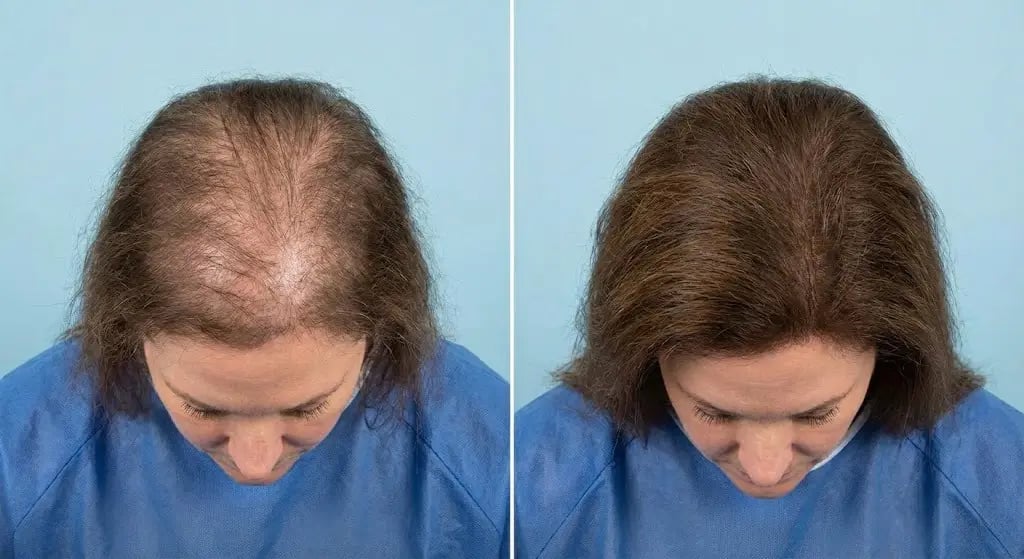
What Does Hair Look Like Before and After Zepbound Hair Loss?
Hair looks full and thick with even distribution across the scalp and healthy, well-maintained strands before weight loss. The hair follicles are in the active growth phase, providing volume and consistency. The hair texture appears smooth, and shedding occurs within normal limits, without noticeable thinning or gaps.
Hair looks thinner and less dense after weight loss around the crown or along the part lines. Hair begins to shed at a higher rate as more follicles enter the resting phase, leading to reduced volume and visible thinning. The texture becomes finer, and the scalp becomes more visible in areas where hair once appeared fuller. The thinning is a temporary response to rapid weight loss and is seen before and after weight loss hair loss. The hair regrows once the body adjusts to the new weight.
The Image shows a top view of the scalp early in the shedding phase. Hair appears intact yet thinner along the part line, with less density than usual. Telogen effluvium develops after rapid weight loss.
The image zooms in on a section of hair during the acute shedding phase. Follicles in a resting state produce club hairs that detach easily. The scalp beneath looks healthy with no scarring or inflammation. The visuals align with the characteristics of telogen effluvium triggered by physiological stress like weight reduction.
The image illustrates a recovery stage, a few months later. New hair growth begins to fill the thinning area. Density improves and strand thickness increases, marking regrowth as the body stabilizes metabolically.
How to Stop Hair Loss from Zepbound
To stop hair loss from Zepbound, follow the six steps below.
- Consult a healthcare professional. Consulting a doctor helps determine the underlying cause in terms of Zepbound hair loss treatment, assess if Zepbound is the direct trigger, and recommend possible adjustments or alternatives. The step is needed when hair loss becomes noticeable or persists, and when there is uncertainty about the cause.
- Monitor and manage weight loss progress. Managing helps minimize the stress on the body and reduces the chances of hair thinning by slowing down the rate of weight loss or ensuring a gradual reduction in body fat. Rapid weight loss from Zepbound triggers telogen effluvium, leading to increased hair shedding. The method is needed during early phases of treatment or if hair thinning begins shortly after weight loss starts.
- Ensure balanced nutrition. A balanced diet with adequate vitamins and minerals, including iron, biotin, and zinc, is essential to support healthy hair. Deficiencies exacerbate hair thinning. The approach works by ensuring that the body has the necessary nutrients to recover from weight loss-related stress. Nutritional adjustments must be considered whenever hair thinning is noticed during active weight loss periods.
- Consider topical treatments. Use minoxidil, an over-the-counter topical treatment, to stimulate hair regrowth. Minoxidil has shown effectiveness for hair loss caused by telogen effluvium. The success rate for regrowth with minoxidil is 40 to 60%, depending on individual response. Topical treatments are most effective when used consistently, starting as soon as hair thinning is noticed.
- Allow time for recovery. The telogen effluvium caused by rapid weight loss resolves within three to six months. Healing of hair loss due to Zepbound is gradual, with regrowth seen once the body stabilizes, and weight loss slows down. It is essential to wait at least three months to assess if the condition resolves naturally or if further intervention is needed.
- Evaluate the need for discontinuation. Consider discontinuing Zepbound after consulting with a healthcare provider if hair loss continues despite adjustments in diet and weight loss management. Stopping the medication is necessary if the hair thinning does not improve and is linked directly to Zepbound use. The step is needed when other methods fail to resolve the issue or if hair loss affects well-being.
How Effective Is Hair Transplant for Treating Zepbound Permanent Hair Loss?
Hair transplant is very effective for treating Zepbound permanent hair loss. Patients experience prolonged shedding, while most hair loss caused by Zepbound is temporary and linked to the metabolic stress from rapid weight loss, leading to permanent thinning. A hair transplant offers a permanent solution in such cases after the medication-related hair loss has stabilized. A hair transplant is recommended for Zepbound hair loss when shedding persists for several months, despite efforts to stabilize weight and nutrition. The procedure involves moving healthy hair follicles to areas with thinning or no hair, ensuring natural-looking, permanent results. It is essential to wait until the shedding stops before opting for a transplant to avoid transplanting follicles into still-active shedding areas.
Turkey has become a renowned destination for high-quality, cost-effective hair transplants. Clinics in Turkey specialize in advanced techniques like FUE (Follicular Unit Extraction) and DHI (Direct Hair Implantation), known for their precision and natural outcomes. Vera Clinic is one of the best hair transplant clinics in Turkey, offering excellent care and high success rates for patients seeking a permanent solution to Zepbound-related hair loss.
What to Expect Before and After a Hair Transplant for Zepbound Hair Loss
Expect a thorough consultation before a hair transplant for Zepbound hair loss, during which the extent of hair thinning is assessed to determine if a transplant is the best course of action. The patient’s medical history is reviewed, and a detailed examination of the scalp ensures that hair loss has stabilized. Instructions are provided to prepare for the procedure, including discontinuing certain medications and possibly altering lifestyle habits like stopping smoking. The procedure itself takes several hours, depending on the size of the treatment area, and it is essential to follow pre-procedure guidelines to achieve the best outcome.
Expect some swelling, redness, and scabbing in the donor and recipient areas after the transplant. The side effects subside within a few days. Transplanted hair likely falls out within the first few weeks, which is a normal part of the healing process. New hair growth starts within three to four months, with full results visible after 12 months. Post-transplant care includes following detailed instructions for cleaning, avoiding physical strain on the area, and using prescribed medications to ensure proper healing. The success of the transplant depends on adherence to aftercare instructions and the quality of the donor hair in terms of Hair Transplant Before and After results.
The image showcases a dramatic transformation following a hair transplant. The before photos depict a man in his 40s with noticeable thinning and receding hair at the crown and along the hairline. The after photos show the same man post-transplant, revealing a fuller, natural-looking hairline and restored thickness across the scalp. The images illustrate the difference in volume and density before and after the procedure, emphasizing the effectiveness of the hair transplant in restoring a fuller appearance.
When to See a Dermatologist for Hair Loss due to Zepbound
See a dermatologist for hair loss due to Zepbound when hair thinning becomes excessive or persists for more than six months. Severe symptoms that require medical attention include significant thinning around the crown or temples, visible patches of hair loss, or widespread scalp exposure. A professional evaluation is necessary if hair loss affects confidence or well-being. It is essential to seek dermatological care if scalp irritation, itching, or redness accompany hair shedding. A dermatologist must be consulted if hair loss continues despite stabilizing weight or dietary changes. The doctor assesses if the hair loss is due to telogen effluvium or another underlying condition and recommends the appropriate treatments. A dermatologist helps determine if the hair loss is temporary or permanent after prolonged Zepbound use, with a hair transplant consultation recommended if hair loss is permanent.
How Zepbound Hair Loss Diagnosed?
Zepbound hair loss is diagnosed by evaluating the patient’s medical history, hair thinning pattern, and recent weight changes. A doctor determines if rapid weight loss or Zepbound triggered the hair loss, diagnosing it as telogen effluvium. A scalp biopsy or blood test is needed if the loss persists to rule out other causes. Various treatment options were discussed, including lifestyle changes, supplements, and a hair transplant consultation if the hair loss is permanent.
How to Prevent Hair Loss when Taking Zepbound
To prevent hair loss when taking Zepbound, follow the eight steps below.
- Consult a healthcare professional. Seek advice from a doctor to ensure the treatment is suitable for the patient’s health needs before starting Zepbound. Consulting is essential if there is a history of hair loss or scalp issues. Personalized medical guidance helps mitigate the risk of side effects like hair loss, according to research titled “Tirzepatide Once Weekly for the Treatment of Obesity” by Dr. Ania Jastreboff, published in The New England Journal of Medicine in 2022.
- Maintain a balanced diet. Ensure a nutrient-rich diet that includes vitamins and minerals known to support hair health ( biotin, zinc, iron, and vitamins A, D, and E). The solution helps minimize hair shedding due to nutritional deficiencies. Poor nutrition aggravates hair thinning during weight loss, according to research titled “Nutritional Deficiencies and Hair Loss” by Dr. John Smith, published in The Journal of Dermatology in 2021.
- Monitor weight loss progress. Avoid rapid weight loss, as it leads to telogen effluvium, a condition where hair follicles shift into a resting phase. Aim for gradual weight reduction to reduce stress on the body. Rapid weight loss was linked with temporary hair loss due to metabolic changes, highlighting the importance of a steady weight loss approach, according to research titled “Effects of Rapid Weight Loss on Hair Follicle Cycling” by Dr. Ania Jastreboff, published in The Lancet in 2022.
- Stay hydrated. Drink plenty of water to keep hair follicles hydrated and functioning properly. Proper hydration is crucial for overall scalp health. Hydrated hair is more resilient and less likely to break or thin, according to research titled “Hydration and Hair Health” by Dr. Rachel Lee, published in The International Journal of Trichology in 2020.
- Avoid hair styling damage. Minimize the use of harsh hair treatments, heat tools, or tight hairstyles that cause further stress or breakage to the hair. Excessive styling has been shown to increase hair shedding when the hair is already stressed from medication or metabolic changes, according to research titled “Hair Styling and Its Impact on Hair Health” by Dr. Mark Wright, published in The Journal of Cosmetic Dermatology in 2021.
- Use topical treatments. Consider using topical treatments like minoxidil to stimulate hair growth. The solution is used to treat hair loss caused by factors like telogen effluvium. Minoxidil’s effectiveness in promoting hair regrowth in cases related to stress-induced shedding, according to research titled “Minoxidil for the Treatment of Hair Loss” by Dr. Jennifer Miller, published in The Journal of Clinical and Aesthetic Dermatology in 2019.
- Follow proper hair care practices. Gently wash and condition hair using products that support scalp health and strengthen hair follicles. Avoid vigorous towel-drying or brushing, which causes hair breakage. Proper hair care practices help preserve the integrity of hair during periods of thinning, according to research titled “Hair Care Practices and Their Effects on Hair Health” by Dr. Angela Davis, published in Dermatology Times in 2020.
- Monitor for scalp irritation. Consult a dermatologist immediately to address potential underlying issues that contribute to hair loss if there are signs of scalp irritation, redness, or itching. Scalp irritation causes hair thinning and must be evaluated promptly to prevent further damage, according to research titled “Scalp Health and Its Impact on Hair Growth” by Dr. Kevin Harris, published in The Journal of Dermatological Treatment in 2021.
What Are the Other Medications Commonly Causing Hair Loss Aside from Zepbound?
The other medications commonly causing hair loss aside from Zepbound are listed below.
- Ozempic Hair Loss: Ozempic hair loss occurs due to the medication’s ability to induce rapid weight loss and metabolic shifts. Ozempic suppresses appetite and helps lower blood sugar levels as a Glucagon-Like Peptide (GLP-1) receptor agonist, leading to weight reduction. The weight loss causes the body to experience stress, which triggers telogen effluvium and results in hair thinning or shedding. The hair loss is temporary and related to the body adjusting to the weight loss process. Zepbound’s additional Gastric Inhibitory Polypeptide (GIP) receptor agonist action leads to a more significant metabolic shift, causing more noticeable hair thinning in patients compared to Ozempic hair loss. The Ozempic hair loss effect is less pronounced compared to Zepbound, which promotes rapid weight loss.
- Wegovy Hair Loss: Wegovy hair loss occurs due to rapid weight loss caused by the medication’s action as a higher-dose GLP-1 receptor agonist. Wegovy suppresses appetite and induces weight reduction, which leads to metabolic stress, triggering telogen effluvium. The type of hair loss is temporary and linked to the body’s adjustment to rapid weight changes. Semaglutide is a component of Wegovy, which causes increased hair loss compared to Ozempic due to its higher dose, making Wegovy hair loss more prone in patients undergoing significant weight loss. Hair loss associated with Ozempic tends to be less pronounced than with Zepbound, which activates GLP-1 and GIP receptors, leading to more significant weight loss and metabolic change.
- Mounjaro Hair Loss: Mounjaro hair loss occurs due to the medication’s dual action of GLP-1 and GIP receptor agonism, which promotes significant weight loss and metabolic changes. The weight reduction causes stress on the body, leading to telogen effluvium, a form of hair loss. It is linked to the body’s adjustment to rapid fat reduction, while the hair loss is temporary. Mounjaro’s hair loss effect is similar to that of Zepbound because both medications induce rapid weight loss, but Mounjaro hair loss unique combination of receptors results in slightly different metabolic responses, affecting hair loss severity.
- Optavia Hair Loss: Optavia hair loss occurs through severe caloric restriction, which leads to nutrient deficiencies, including protein, vitamins, and minerals necessary for hair growth. The reason Optavia causes hair loss is due to the lack of essential nutrients that support healthy hair follicles, making Optavia hair loss a result of poor nutrition rather than the medication itself. Optavia’s hair loss is more caused by restricted calorie intake and imbalances in nutrient absorption than direct metabolic changes, unlike Zepbound, which works by suppressing appetite and promoting weight loss directly.
- Metformin Hair Loss: Metformin hair loss occurs in patients as a result of long-term use of the medication for managing type 2 diabetes. Metformin hair loss is related to its effects on insulin regulation and potential nutrient imbalances that affect hair health. Zepbound hair loss is more immediate and weight-driven than that seen with Metformin hair loss and results in a longer time than that seen with Zepbound. Zepbound’s rapid weight loss is a more direct cause of hair thinning compared to Metformin’s longer-term effects on blood sugar regulation, while both drugs affect metabolism.