

FUE vs DHI is one of the most common comparisons people make when looking for a hair transplant. Understanding the differences between DHI vs FUE helps you choose the method that fits your goals, lifestyle, and budget.
Hair transplants are a reliable solution for people who want to restore hair and confidence. Whether dealing with male pattern baldness, thinning hair, or receding hairlines, many people turn to hair transplants to achieve fuller hair. Choosing the right method affects your results, recovery, and long-term satisfaction.
FUE (Follicular Unit Extraction) and DHI (Direct Hair Implantation) are the two leading hair transplant methods worldwide. Each uses a different implantation approach and suits different patient goals. Understanding their differences helps you make a decision that fits your hair goals, lifestyle, and budget.
Hair restoration procedures work by taking healthy hair follicles from a donor area, the back of the head, and placing them in areas with hair loss. Hair transplant offers a long-term solution for men and women who want natural results. FUE remains the standard for broad coverage, while DHI is selected for precise, high-density placement in smaller treatment zones.
Understanding the fundamental difference between FUE and FUT is the first step in choosing the right hair restoration technique for your needs. Each method offers unique advantages depending on hair loss severity, styling preferences, and recovery expectations.
DHI vs FUE Hair Transplant Overview
When looking at DHI vs FUE, it helps to understand how each method works before deciding which is right for your hair restoration journey.
Follicular Unit Extraction (FUE)
FUE hair transplant is a method where individual hair follicles are taken from the donor area, usually the back of the head, using a micro-punch tool. After extraction, the surgeon makes small channels in the balding area and implants each graft into these channels by hand. This method is known for minimal scarring, flexibility in hairstyle choices after recovery, and the ability to cover larger areas in a single session. Over 75% of hair restoration surgeries worldwide use the FUE technique, showing its reliability and popularity among patients seeking hair restoration. (International Society of Hair Restoration Surgery 2022 Practice Census Results)
Direct Hair Implantation (DHI)
DHI hair transplant is a variation of FUE that uses a Choi Implanter Pen to implant hair follicles directly into the scalp without creating pre-made channels. Like FUE, it involves extracting individual follicles using a micro-punch tool, but with DHI, the implantation and channel creation happen in one step. This improves the precision of placement. Reducing the time grafts spend outside the body is associated with higher survival rates, with research showing survival can drop by approximately 1% for every additional hour grafts remain outside the body before implantation (Sethi & Bansal, Journal of Cutaneous and Aesthetic Surgery, 2013). DHI’s single-step process is designed to minimize this interval, though survival ultimately depends on overall handling and surgical skill.
DHI vs FUE Hair Transplant Process
Understanding how the DHI and FUE hair restoration process works is important before deciding on the best hair transplant procedure. Knowing the differences helps you prepare for what to expect on surgery day, how long the hair transplant process will take, and how your recovery might feel. It helps you choose the best hair transplant method for your goals and lifestyle, aligning your expectations with the procedure you choose.
| Aspect | DHI (Direct Hair Implantation) | FUE (Follicular Unit Extraction) |
|---|---|---|
| Full Name | Direct Hair Implantation | Follicular Unit Extraction |
| Technique | Uses a Choi Implanter Pen to implant follicles directly while creating channels simultaneously. | Extracts individual follicles with a micro-punch, then places them into pre-made channels in the recipient area. |
| Procedure Time | Longer, 6–10 hours for 3,000 grafts due to the precision of direct implantation. | Shorter, 4–8 hours for 3,000 grafts depending on the surgeon’s speed and area covered. |
| Pain | Mild discomfort, less pain during implantation due to local anesthesia and fewer incisions. | Mild discomfort, minimal pain during extraction and implantation under local anesthesia. |
| Graft Harvesting Speed | Slower due to careful placement with the implanter pen. | Faster, as extraction and implantation are separate steps allowing batch handling of grafts. |
| Hair Follicle Extraction Method | Individual follicular unit extraction with a micro-punch, same as FUE. | Individual follicular unit extraction with a micro-punch from the donor area. |
DHI vs FUE Hair Transplant Cost
Understanding the differences in dhi vs fue cost helps you plan your hair restoration journey with clear expectations. The price of a hair transplant affects your choice of method, clinic, and even the number of grafts you choose to restore your hairline and density. It matters because hair transplants are a long-term investment in your appearance and confidence, and knowing the financial commitment helps you prepare without surprises.
DHI hair transplant often costs more than FUE due to the specialized tools, the slower and more detailed implantation process, and the higher level of surgeon involvement during placement. FUE is more cost-efficient for larger areas since it allows for faster graft placement with reliable results. The choice should align with patient goals, hairline density expectations, and the extent of coverage needed for natural results..
| Cost Factor | DHI | FUE |
|---|---|---|
| Average Cost (Global) | €3,500–€8,000 | €2,500–€6,000 |
| Average Cost (Local Currency) | ₺120,000–₺275,000 | ₺85,000–₺205,000 |
| Per Graft Price | €1.50–€3 per graft | €1–€2.50 per graft |
| Surgeon Fees | Higher due to direct implantation | Moderate |
| Facility & Equipment Cost | Higher (Choi pens and single-use tools) | Moderate |
| Post-Operative Care Cost | Similar | Similar |
| Number of Sessions Needed | Often 1, sometimes 2 for high density | Often 1, sometimes 2 for larger areas |
| Long-Term Maintenance Cost | Similar, depends on hair loss progression | Similar, depends on hair loss progression |
| Cost Efficiency per Graft | Lower for large areas, higher precision | Higher for large areas |
| Insurance Coverage | Rarely covered, considered cosmetic | Rarely covered, considered cosmetic |
DHI vs FUE Hair Transplant Recovery and Result
Both DHI and FUE offer effective hair restoration with low complication rates when performed by experienced surgeons. DHI’s single-step process is designed to reduce the time grafts spend outside the body, which is associated with improved graft survival in general hair restoration literature. Implanter-based placement has shown survival rates around 92% at 6 months in clinical evaluation, though comparable results have also been reported with standard FUE when graft handling is optimized (Lee et al., Dermatologic Surgery, 2001).
| Aspect | DHI (Direct Hair Implantation) | FUE (Follicular Unit Extraction) |
|---|---|---|
| Healing Time | 7–10 days in recipient area with minimal crusting | 7–14 days, more crusting due to channel incisions |
| Pain After Procedure | Mild during first 2 days, less during implantation | Mild during first 2–3 days, minor donor discomfort |
| Scarring | Minimal, fewer micro-injuries in recipient area | Tiny dot scars in donor and recipient areas |
| Shock Loss Risk | Lower due to less graft handling | Slightly higher, temporary |
| Donor Hair Survival Rate | 90–95% with skilled implantation | 90–95% with skilled extraction |
| Stitches Required | None | None |
| Post-Op Swelling | Mild, resolves in 2–4 days | Moderate, lasts up to 5 days |
| Risk of Infection | Very low with post-op care | Very low with post-op care |
| Physical Activity Restrictions | Avoid heavy activity for 10 days | Avoid heavy activity for 14 days |
| Visible Signs of Surgery | Redness and small scabs, clear by day 10 | Redness, scabbing, visible up to 14 days |
| Hair Growth Timeline | Shedding at 2–4 weeks, regrowth starts at 3 months, visible results at 6–12 months | Shedding at 2–4 weeks, regrowth starts at 3–4 months, visible results at 8–12 months |
| Natural Appearance | High density in targeted zones, natural angles | High natural look, consistent density over larger areas |
DHI vs FUE Hair Transplant Breakdown
When deciding between DHI and FUE, a clear breakdown of each method helps you match your goals with the technique that best suits your lifestyle, expectations, and budget. This comparison covers important attributes such as technique, procedure time, recovery, cost, and final results to guide your decision confidently.
| Aspect | DHI (Direct Hair Implantation) | FUE (Follicular Unit Extraction) |
|---|---|---|
| Technique | ✅ Uses Choi Implanter Pen for direct implantation | ❌ Uses pre-made channels for implantation |
| Procedure Time | ❌ Longer (6–10 hours for 3,000 grafts) | ✅ Shorter (4–8 hours for 3,000 grafts) |
| Pain | ✅ Less discomfort during implantation | ✅ Mild discomfort, similar level |
| Graft Harvesting Speed | ❌ Slower due to precise placement | ✅ Faster, extracts and implants in batches |
| Hair Follicle Extraction Method | ✅ Individual extraction with precise implantation | ✅ Individual extraction with manual placement |
| Average Cost (Global) | ❌ €3,500–€8,000 | ✅ €2,500–€6,000 |
| Average Cost (Local Currency) | ❌ ₺120,000–₺275,000 | ✅ ₺85,000–₺205,000 |
| Per Graft Price | ❌ €1.50–€3 per graft | ✅ €1–€2.50 per graft |
| Surgeon Fees | ❌ Higher due to detailed placement | ✅ Lower, less direct placement time |
| Facility & Equipment Cost | ❌ Higher (Choi pens, single-use tools) | ✅ Lower, standard micro-punch tools |
| Post-Operative Care Cost | ✅ Similar | ✅ Similar |
| Number of Sessions Needed | ✅ Often 1, sometimes 2 for density | ✅ Often 1, sometimes 2 for coverage |
| Long-Term Maintenance Cost | ✅ Similar, depends on progression | ✅ Similar, depends on progression |
| Cost Efficiency per Graft | ❌ Lower for large areas | ✅ Higher for large areas |
| Insurance Coverage | ❌ Rarely covered | ❌ Rarely covered |
| Healing Time | ❌ 7–14 days, more crusting due to channels | ✅ 7–10 days in recipient area with minimal crusting |
| Pain After Procedure | ✅ Mild, slightly more in donor area | ✅ Mild during first 2 days, less during implantation |
| Scarring | ✅ Minimal scarring in recipient area | ✅ Tiny dot scars in donor area |
| Shock Loss Risk | ✅ Lower risk due to less graft trauma | ❌ Slightly higher, temporary |
| Donor Hair Survival Rate | ✅ 90–95% with skilled placement | ✅ 90–95% with skilled extraction |
| Stitches Required | ✅ None | ✅ None |
| Post-Op Swelling | ✅ Mild, resolves in 2–4 days | ❌ Moderate, up to 5 days |
| Risk of Infection | ✅ Very low with care | ✅ Very low with care |
| Physical Activity Restrictions | ✅ Avoid heavy activity 10 days | ❌ Avoid heavy activity 14 days |
| Visible Signs of Surgery | ✅ Redness/scabs clear by day 10 | ❌ Redness/scabs up to 14 days |
| Hair Growth Timeline | ✅ Regrowth from 3 months, visible 6–12 months | ✅ Regrowth from 3–4 months, visible 8–12 months |
| Natural Appearance | ✅ High density in targeted zones | ✅ High density over large areas |
What Are the Advantages of DHI Over FUE?
DHI offers several clear advantages over FUE for patients who prioritize precision, density, and comfort in targeted hair restoration zones. These benefits stem from the technique’s use of the Choi Implanter Pen, which allows simultaneous channel creation and implantation.
1. No Premade Incisions Needed
DHI implants each graft while creating the channel, eliminating the need for separate incisions. In FUE, surgeons first open channels across the scalp before placing grafts. With DHI, this single-step method reduces trauma to the scalp and speeds up the implantation process. Patients receiving DHI for hairline transplants have less visible trauma post-surgery since the pen implants follicles directly without multiple blade incisions.
2. Faster Implantation
DHI offers faster implantation per graft because the Choi Pen allows immediate placement after extraction. In FUE, grafts are collected in batches and implanted later, increasing the time each follicle remains outside the body. In high-density areas like the temples, DHI allows surgeons to implant grafts quickly after extraction, preserving graft moisture and viability.
3. Higher Graft Survival Rate
DHI’s implantation step occurs at the same time as channel creation, rather than as a separate step after channels are pre-made, which removes one source of variability in how long grafts wait before placement. Minimizing this interval is considered important because graft viability research has shown survival declining by roughly 1% for every additional hour outside the body, particularly in dense or large-session procedures (Garg & Garg, Journal of Cutaneous and Aesthetic Surgery, 2013).
4. Denser Hair Transplants Possible
DHI is advantageous for patients wanting higher density in specific areas because the Choi Pen enables closer placement without risking graft damage. Patients seeking a thick, natural hairline choose DHI because the pen places follicles in high-density patterns.
5. Faster Recovery and Less Bleeding
Less invasive placement reduces micro-injuries, which is associated with quicker healing and lower bleeding in the recipient area. This pattern also holds for Sapphire FUE: in a Vera Clinic Academy retrospective cohort study on Comparative Outcomes of Sapphire FUE and DHI, 384 patients who underwent either technique were followed for 24 months, and median recipient site healing time was one day shorter with DHI (7 days versus 8 days, p = 0.041).
6. Minimized Graft Exposure Time
Each graft is implanted immediately after extraction, lowering the risk of dehydration and oxidative stress on follicles.
7. Ideal for Eyebrow and Beard Transplants
DHI’s precise control over angle and depth makes it well-suited for eyebrow and beard transplants requiring natural direction and density. Clinics using DHI for eyebrow transplants report high take rates for each graft due to this immediate implantation process.
8. Less Scarring
The absence of premade channels is intended to reduce trauma in the implanted area, which may translate into less visible scarring. DHI’s single-step implantation is designed to reduce mechanical handling of the scalp during dense packing cases, which may result in less hair transplant scar. Patients with shorter hairstyles prefer DHI to minimize visible post-transplant signs.
9. Lower Risk of Shock Loss
Reduced trauma during implantation is thought to lower the risk of temporary shock loss in the transplanted area, since hair transplant shock loss is closely linked to disruption of blood supply around the follicles. DHI’s single-step process is designed to minimize this disruption, particularly in cases involving dense packing, though direct comparative data on shock loss incidence between the two techniques remains limited.
10. Less Swelling
Patients report less post-operative swelling in DHI due to the minimally invasive approach in the recipient zone. DHI patients return to non-strenuous work activities 1–2 days earlier on average than FUE patients due to reduced hair transplant swelling and crusting in the recipient area.
What Are the Advantages of FUE over DHI?
FUE offers practical advantages over DHI, especially for patients seeking larger coverage areas, cost efficiency, and widely accessible treatment options.
1. More Affordable
FUE is more affordable than DHI due to the absence of specialized implanter pens and a faster procedure flow. Patients needing 3,500+ grafts for crown and hairline restoration often choose FUE for budget-friendly coverage without compromising quality.
2. Faster Procedure Time
FUE has a shorter overall procedure time since grafts are implanted in batches into pre-made channels, speeding up large sessions. A 3,000-graft session takes 4 to 8 hours with FUE, compared with 6 to 10 hours with DHI, consistent with the additional time required for simultaneous channel creation and implantation.
3. Wider Surgeon Availability
FUE is more widely performed globally, making it easier to find experienced surgeons and clinics offering this method. In Turkey and Europe, most ISHRS-certified clinics offer FUE as their primary method due to high demand and established training protocols.
4. Great for Large Bald Areas
FUE is better suited for patients with extensive hair loss needing coverage over large areas, as it allows efficient placement of a high number of grafts in a single session. Patients with Norwood scale 5–6 hair loss select FUE to cover the crown and hairline in one procedure.
5. Proven Long-Term Success
FUE has a long track record, with graft survival rates of 90 to 95% reported when performed by skilled surgeons. Long-term follow-up data extending to 10 years show that most patients maintain high satisfaction, although hair density can show a modest decline over time, particularly in patients who are not consistent with hair loss medications (ISHRS Hair Transplant Forum International).
6. Easier for Surgeons to Perform
FUE requires less precision during implantation compared to DHI’s detailed graft-by-graft placement, making it more efficient for clinics managing high patient volumes. Many surgeons prefer FUE for high graft-count cases as it allows streamlined workflow while maintaining quality.
7. Less Pain
FUE is less uncomfortable in the recipient area since the channels are opened in advance, and the implantation step is faster, reducing pressure on the scalp. Patients report only mild discomfort and hair transplant pain during the procedure.
What Are the Differences in Results Between DHI and FUE Hair Transplants Before and After?
Hair Transplant Results
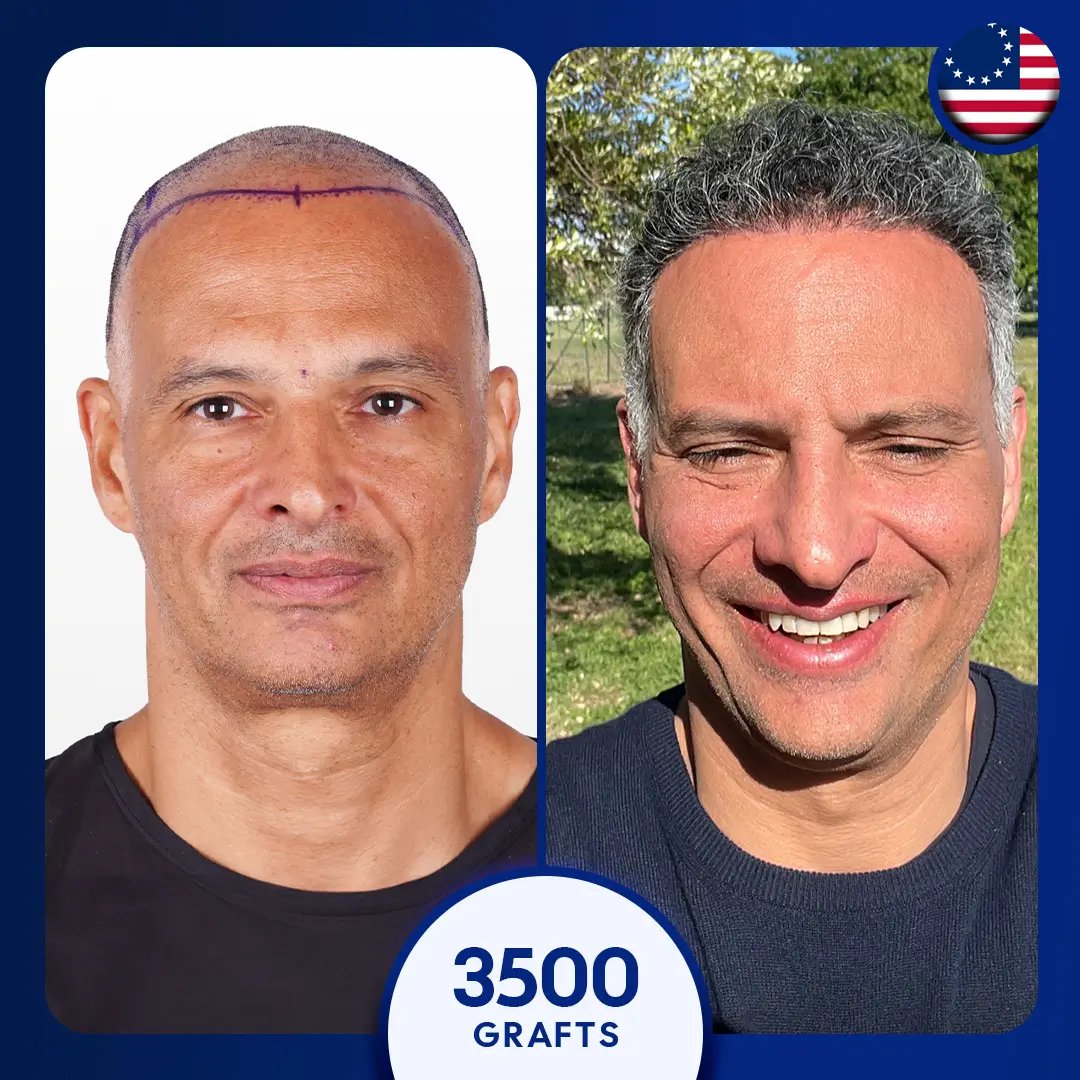
Before / After FUE Method
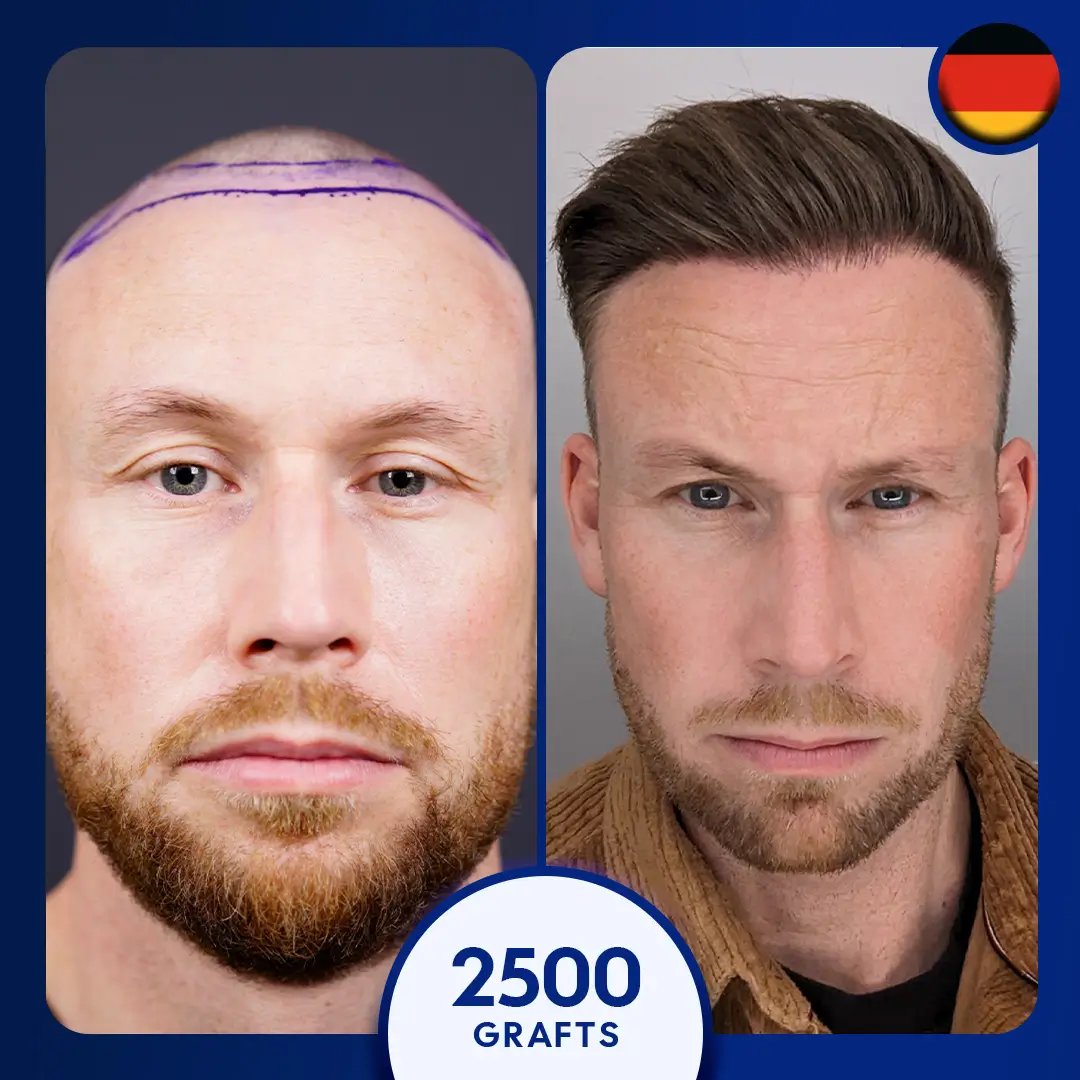
Before / After FUE Method
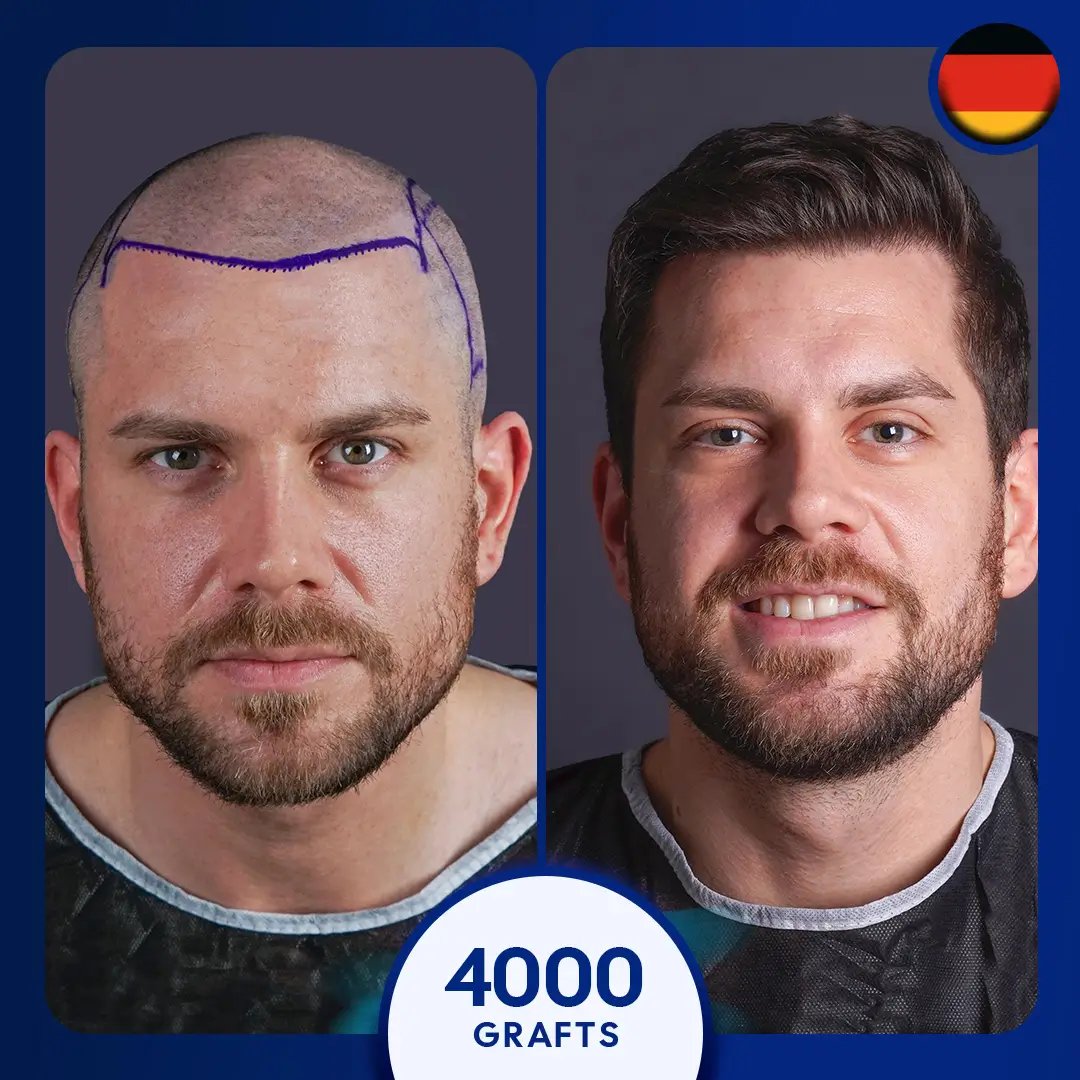
Before / After DHI Method
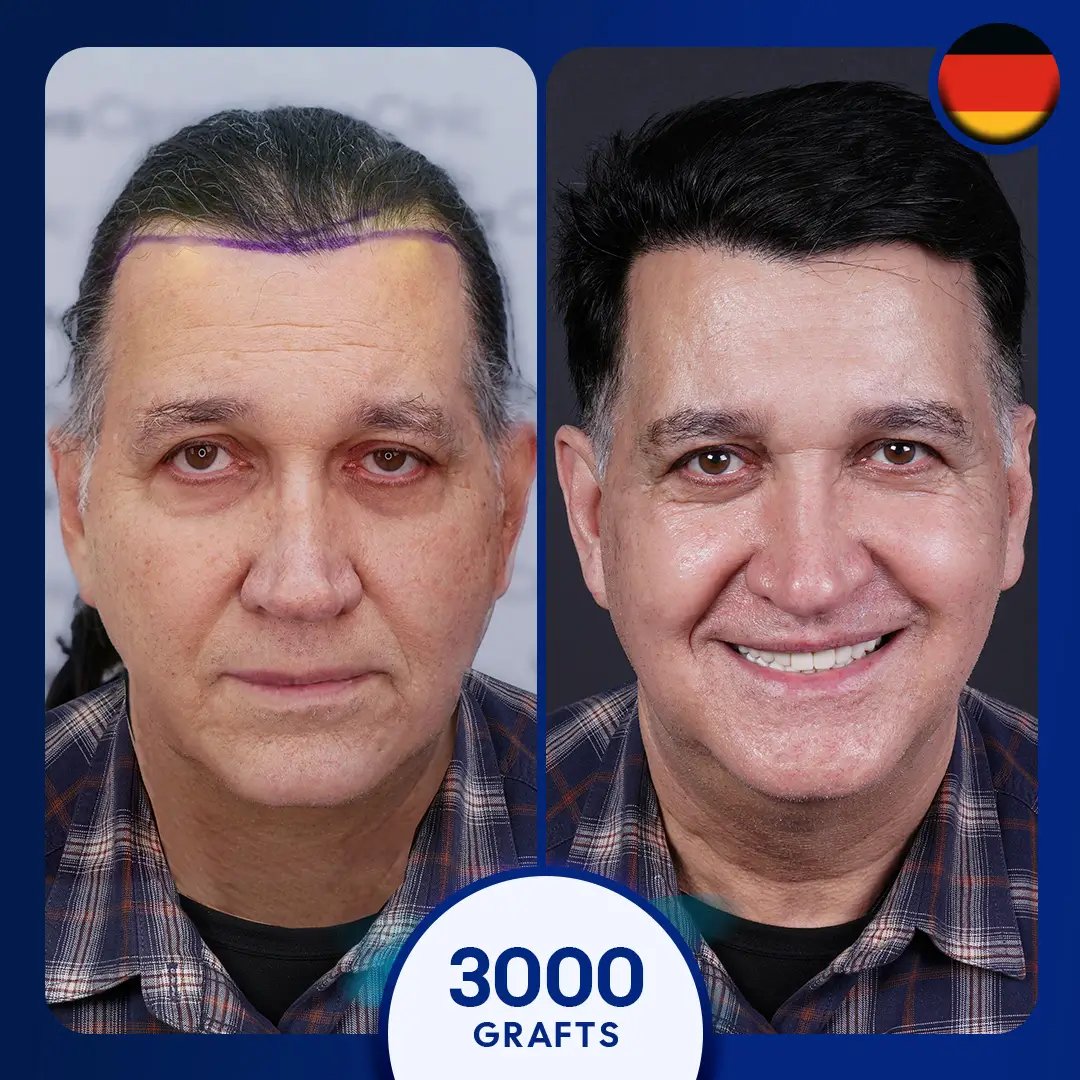
Before / After DHI Method
Before / After FUE Method
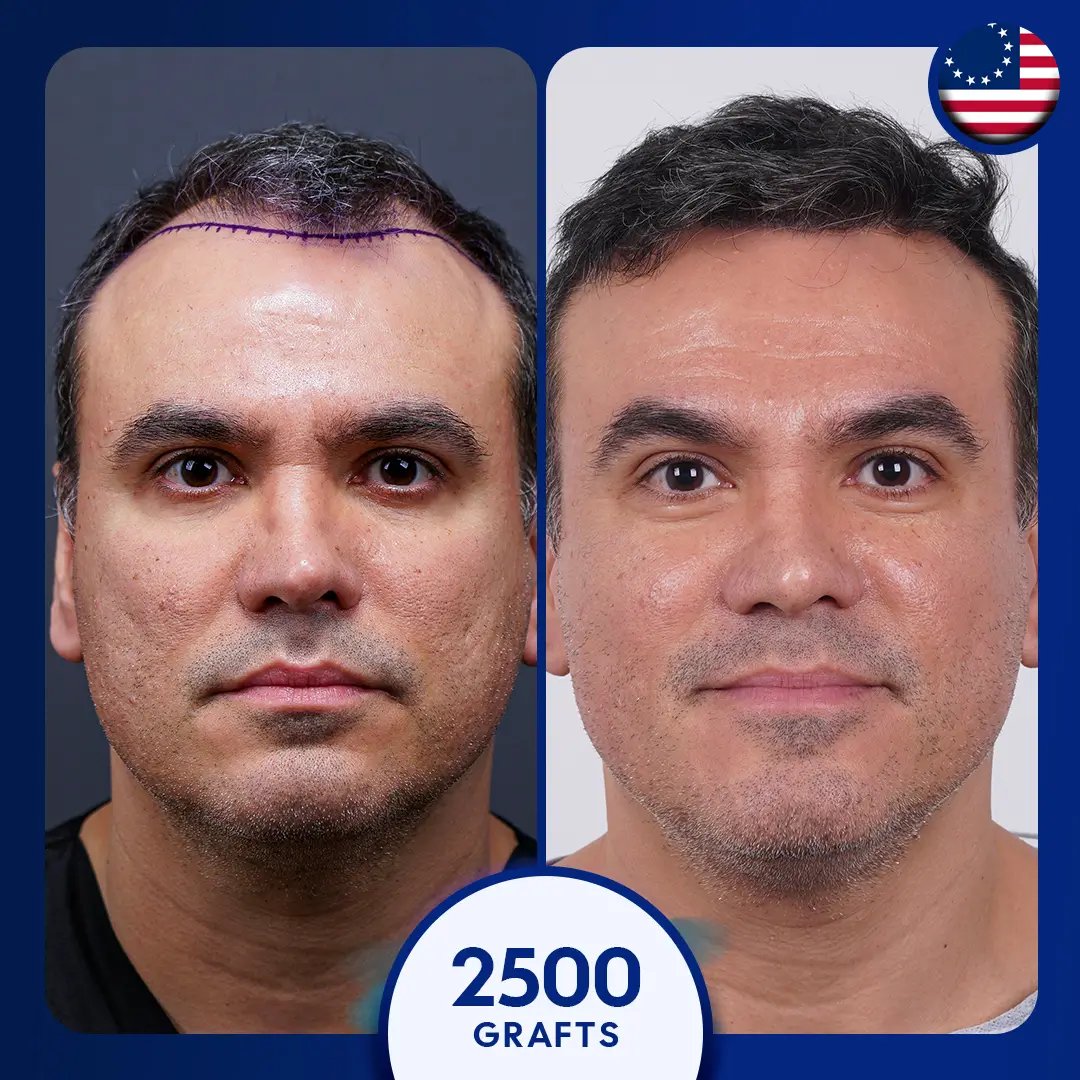
Before / After DHI Method
DHI hair transplant before and after gives a fuller, denser look in the hairline and temples, while FUE is great for covering larger areas like the crown with natural results. Both methods deliver visible, lasting hair restoration, but DHI achieves a sharper, detailed hairline, while FUE offers even coverage across broader zones.