

Hair transplant surgery is a proven medical treatment for people who experience permanent hair loss. For many patients, a hair transplant is the only permanent medical option to restore lost hair when treatments like medication or topical solutions no longer work. Modern techniques such as FUE and DHI achieve natural results with high graft survival rates and minimal scarring.
Some patients notice a sudden hair shedding after hair transplant called shock loss as an example of hair transplant side effects. This reaction is different from normal hair shedding that occurs in the natural hair cycle. Hair transplant shock loss happens because the scalp undergoes temporary trauma during the procedure.
In the first weeks, it is common for transplanted hair to fall out. This does not mean the grafts have failed. The roots stay alive beneath the scalp and begin growing new hair after a short resting phase.
Not everyone experiences shedding after a hair transplant. Some patients shed more hair, while others shed very little or none at all. The extent of shedding depends on individual healing response, hair type, and surgical factors.
Is shock loss a common side effect of hair transplant surgery?
Yes. 30–50% of patients experience some degree of shock loss after surgery. It is a temporary reaction of the scalp and does not affect long-term graft survival.
Why Does Shock Loss Occur After a Hair Transplant?
Shock loss happens because the scalp and hair follicles experience temporary trauma during surgery. When surgeons create micro-incisions and implant grafts, it disturbs the surrounding tissue and disrupts blood flow to nearby hairs. As a protective reaction, some of these hairs enter the telogen (resting) phase, causing them to shed a few weeks after the procedure.
This is often referred to as the shedding phase after hair transplant, and it begins within 2–4 weeks post-surgery. During this phase, both transplanted and some existing native hairs fall out. Importantly, the follicles remain alive beneath the skin and start to regrow new hair within three to four months.
30–50% of patients experience post-transplant shedding due to temporary shock to the scalp’s vascular and follicular structures according to “Complications in Hair Transplantation” published in PMC. The research indicates that these hairs regrow fully without permanent loss.
When Does Shock Loss Start After a Hair Transplant?
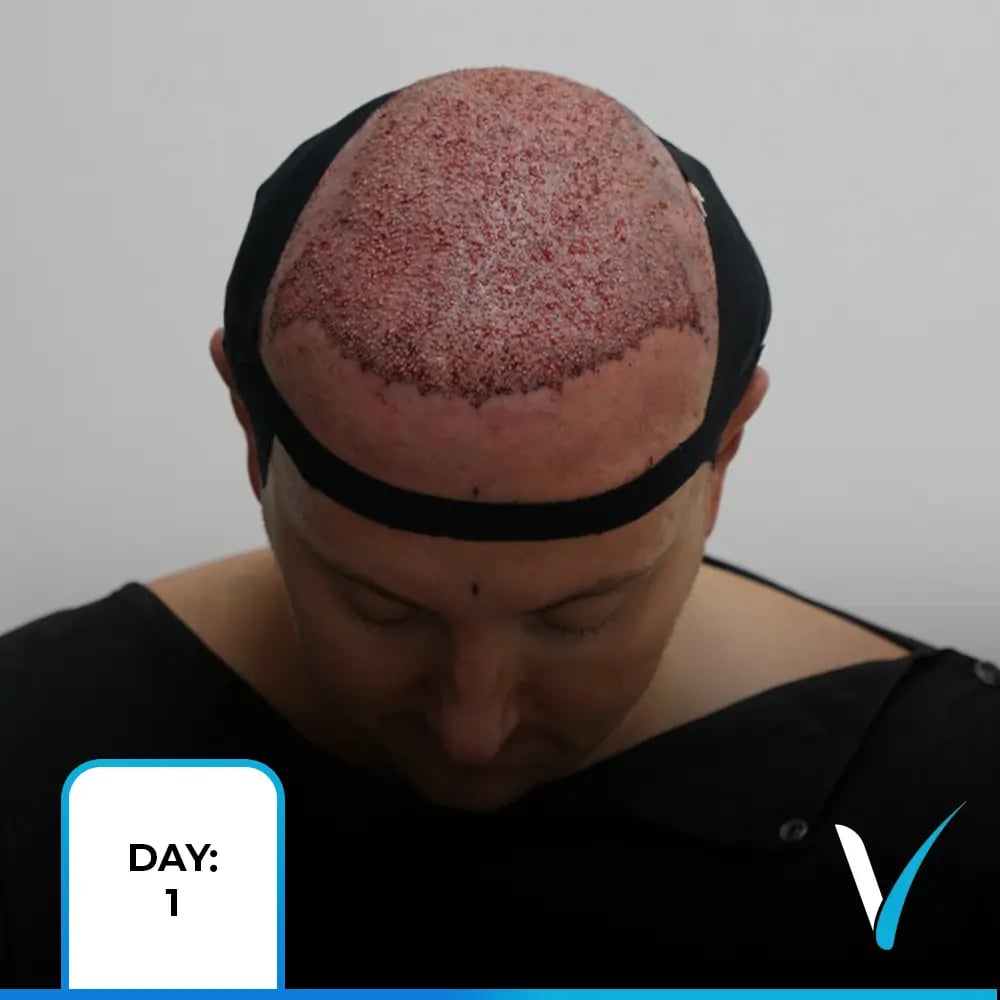
Shock loss begins 10–20 days after surgery. This happens because the scalp undergoes temporary trauma during the procedure, which pushes hair follicles into a resting phase. As a result, transplanted and sometimes nearby existing hairs fall out.
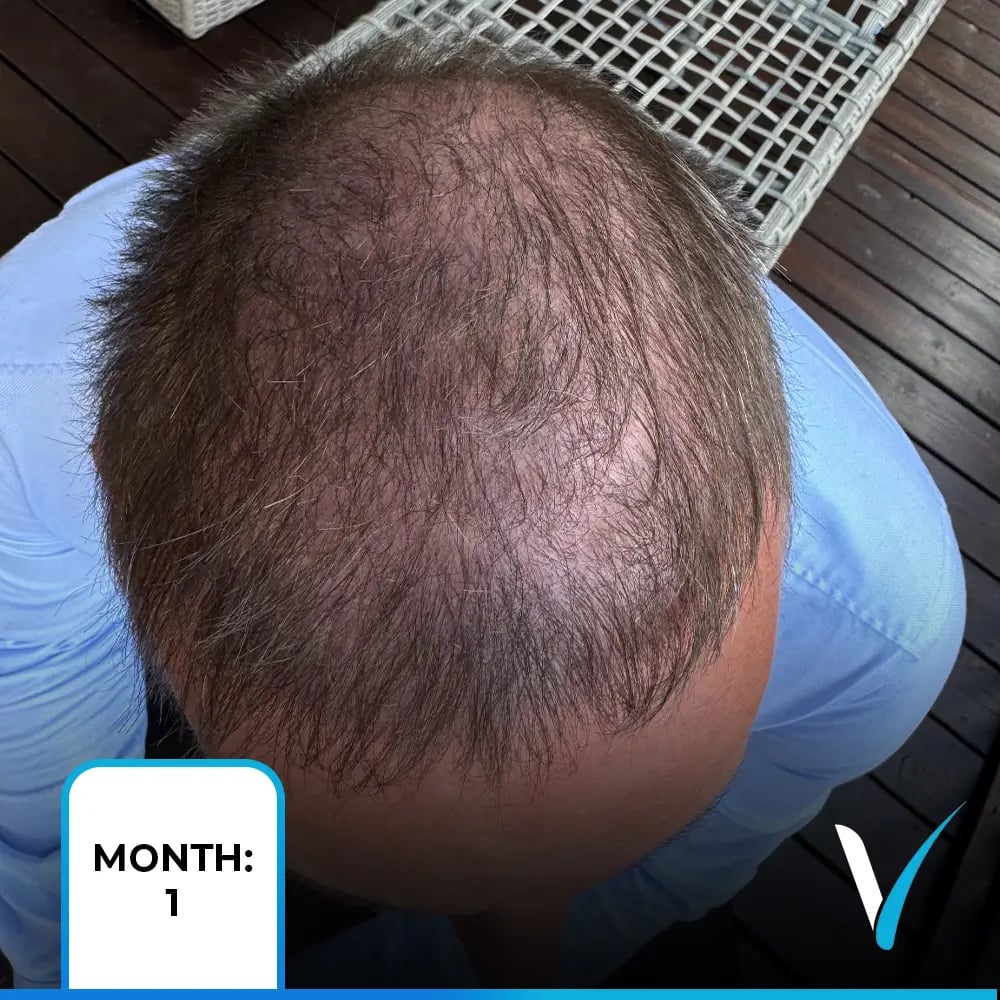
Most patients notice the most visible shedding around 2–6 weeks post-operation. The process continues for several weeks and sometimes lasts up to three months. Even though the hair shafts fall out, the transplanted follicles remain healthy beneath the skin and start growing again within three to four months.
Vera Clinic Academy’s Hair Transplantation Growth Timeline Research, a prospective observational cohort study of 789 patients, recorded shedding of transplanted grafts beginning at weeks 3–4 after surgery and affecting approximately 78% of implanted shafts, before early regrowth signals appeared, in line with the shedding pattern described above (Vera Clinic Academy, 2026).
Does Hair Falling Out After Transplant Mean the Surgery Failed?
No, hair falling out after a transplant does not mean the surgery failed. This shedding phase is a normal biological response called telogen effluvium. After surgery, hair shafts detach and fall out because the follicles temporarily stop producing visible hair. The roots remain healthy under the scalp and begin a new growth cycle after a short resting phase.
Over 90% of transplanted follicles survive despite early shedding as shown in “Using the follicular unit extraction technique in treatment of male androgenetic alopecia” from Xi’an Medical University (2024) . This phase is necessary for new, permanent hair to grow, and does not mean a failed hair transplant. Final results appear between 12–18 months post-surgery.
At Vera Clinic, post-operative shedding is treated as an expected phase of the regrowth cycle rather than a complication. Vera Clinic Academy observational data shows near-universal transplanted-graft shedding followed by a mean graft survival of 92% (range 90–96%) by month 12, so shedding within the first months is not considered a sign of graft failure (Vera Clinic Academy, 2026).
Does Everyone Get Shock Loss After Hair Transplant?
No, not everyone experiences shock loss after a hair transplant. The reaction is common but not universal. Studies show that a significant portion of patients, ranging between 30% and 50%, experience temporary shedding in the recipient or donor area following surgery.
Recipient-site effluvium shown as a typical post-surgical response according to “Complications in Hair Transplantation” (Journal of Cutaneous and Aesthetic Surgery, 2019). 30–50% of patients experience this shedding phase, which begins within 2–6 weeks and resolves as follicles enter a new growth cycle.
Can You Go Bald Again After a Hair Transplant due to Shock Loss?
No, shock loss alone cannot cause permanent baldness after a hair transplant. Shock loss is a temporary shedding phase. The transplanted follicles remain intact beneath the scalp and regrow new hair within a few months. >90% graft survival rates are stated post-FUE but long-term hair density depends on proper medical management of ongoing androgenetic alopecia. “Evaluation of Survival Rate and Safety of Follicular Unit Extraction Hair Transplantation.” BMC Surgery, 24, Article 221, Zheng, Y., et al. (2024).
You can experience new balding over time if you have progressive androgenetic alopecia (pattern hair loss). A transplant only relocates healthy follicles to balding areas; it does not stop the natural aging or genetic hair loss process in untreated regions.
While transplanted hairs are permanent and DHT-resistant, native non-transplanted hairs can continue to miniaturize and fall out over the years according to “Follicular Unit Transplantation: 2004 Update.” Dermatologic Surgery, 30(7), 1099–1109, Bernstein, R. M., & Rassman, W. R. (2004).
How Long Does Normal Hair Shedding Last After Hair Transplant Surgery?
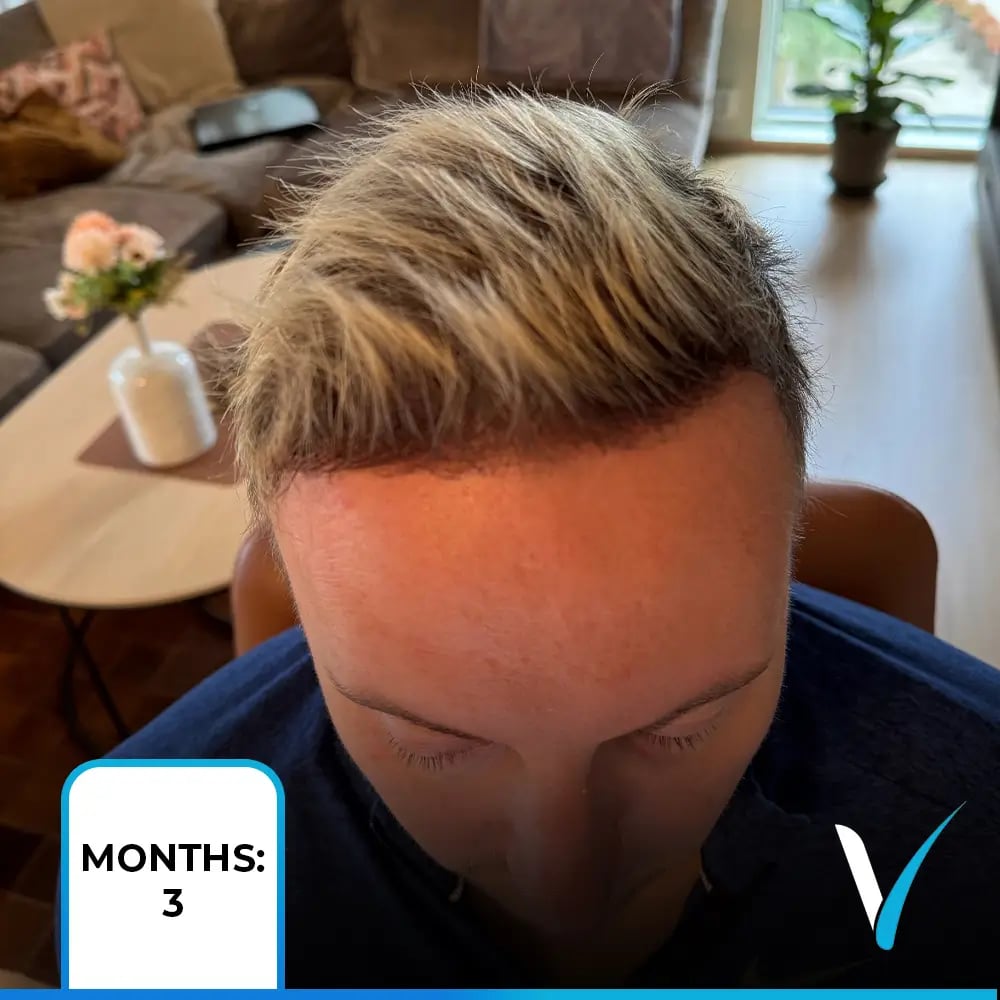
Normal hair shedding after a hair transplant lasts between 2 and 12 weeks. Shock loss often begins around 10 days post hair transplant and becomes more noticeable by 3 weeks (21 days). The shedding phase reaches its worst point around 2 months after hair transplant and gradually slows down as early regrowth begins to take hold. By 3 months post hair transplant, most patients stop shedding and see the first signs of new hair growth. This process is temporary and occurs because the scalp pushes transplanted and some native hairs into a resting phase due to surgical trauma.
Over 90% of transplanted follicles survive this phase and start regrowing within three to four months, with results continuing to develop until final outcomes stabilize 1 year after hair transplant. Factors that make shock loss last longer include pre-existing miniaturized hair near the transplant site, larger graft sessions, scalp sensitivity, or poor post-operative care. The shedding phase varies slightly across different parts of the scalp, with weaker areas shedding more noticeably.
Hair transplant shock loss timeline: Shedding after hair transplant begins as early as 10 days, peaks around 3 weeks to 2 months, improves by 3 months, and continues to fill in until 1 year after hair transplant when final results appear.
The month-by-month regrowth pattern recorded in the same Vera Clinic Academy hair transplant growth timeline cohort study referenced above is summarised below.
| Month | Mean regrowth rate | n analyzed | Dominant characteristic |
|---|---|---|---|
| Month 0 (Baseline) | 0.0% | 789 | Transplanted shafts trimmed to scalp surface |
| Month 1 | 30% | 789 | Shafts emerged above surface; shedding begins ~weeks 3–4 |
| Month 3 | 36% | 789 | Post-shedding; early anagen regrowth |
| Month 6 | 78.94% | 789 | Accelerated regrowth |
| Month 9 | 86.2% | 632 | Maturing regrowth / directional alignment |
| Month 12 (Final) | 92% (range 90–96%) | 564 | Final graft survival |
These figures show that visible regrowth is minimal in the first three months and accelerates from month three onward, reaching a mean graft survival of 92% (range 90–96%) by month 12 (Vera Clinic Academy, 2026).
Can You Avoid Shedding After a Hair Transplant Completely?
No, it is not possible to completely avoid shedding after a hair transplant. Shedding is a natural biological response that occurs when transplanted and some surrounding hairs enter the telogen (resting) phase due to surgical trauma. This process is essential for the follicles to reset and regrow stronger, permanent hair.
Some patients report “no shedding after hair transplant”, but this is uncommon and depends on individual healing patterns and smaller session sizes. Post-operative care and certain medications, such as minoxidil or low-level laser therapy, reduce the extent or duration of shedding but cannot fully prevent it. Early shedding is a normal part of follicular unit transplantation and avoiding it entirely is biologically unlikely according to “Hair Transplantation: Techniques, Innovations, and Challenges.” Dermatologic Clinics, 29(2), 319–328, Bernstein, R. M., & Rassman, W. R. (2011).
Shedding after surgery should not be viewed as a complication or surgical failure but rather a necessary phase before new, permanent hair growth begins.
What Causes Shock Hair Loss After a Hair Transplant Surgery?
Shock hair loss occurs because hair transplant surgery temporarily disturbs the scalp’s normal hair growth cycle. During procedures like FUE or FUT, the creation of tiny incisions and graft placement causes mild trauma to the skin and surrounding hair follicles. This trauma, along with temporary blood flow reduction, pushes transplanted and nearby native hairs into a resting phase known as telogen effluvium, leading to temporary shedding.
Factors that increase the likelihood or severity of shock loss include the size of the session, pre-existing miniaturized hairs around the transplant site, inflammation during recovery, and individual scalp sensitivity.
When does hair shedding after a hair transplant become permanent?
Hair shedding after a hair transplant only becomes permanent if the transplanted grafts fail to survive due to surgical complications or scalp damage. In normal shock loss, follicles remain intact and regrow hair within a few months, so permanent shedding is rare.
What Causes Shock Loss in the Donor Area?
Shock loss in the donor area happens when hair follicles surrounding the extraction sites enter a temporary resting phase due to surgical trauma. During follicular unit extraction (FUE), small punches are used to remove grafts from the donor region (the back or sides of the scalp). This process disturbs nearby hairs, leading to temporary thinning. The phenomenon is less common than recipient-site shedding but occurs, especially when a high number of grafts are harvested in a single session.
Factors that increase the risk of shock loss in the donor area include excessive extraction density, limited spacing between harvested follicles, pre-existing miniaturized hairs, and post-operative inflammation. Donor-site effluvium is generally mild and temporary, with most follicles recovering within three to four months according to “Complications in Hair Transplantation,” Journal of Cutaneous and Aesthetic Surgery (2019).
In terms of scarring, the hair transplant donor area is more prone to visible marks because of the extraction process, especially if overharvested or performed with larger punches. The recipient area heals with minimal scarring when micro-incisions are made correctly.
How Does Shock Loss After a Hair Transplant Cause Scars?
Shock loss itself does not directly cause permanent scars after a hair transplant. The shedding phase occurs when hair follicles temporarily stop producing hair due to surgical trauma, but the skin heals without leaving marks. Scarring only develops if there is significant damage to the scalp’s deeper tissue layers during surgery, improper wound healing, or post-operative complications such as infection.
In most modern techniques like FUE, micro-punches leave tiny extraction points in the donor area that heal within days, rarely leaving visible scars. Similarly, the recipient area heals without marks since the shedding does not damage the follicle or skin structure. Visible scarring from shock loss is extremely rare and linked to surgical errors or poor healing rather than the shedding process itself.
Where Do Hair Transplant Scars Form on the Scalp?
Hair transplant scars develop in specific regions of the scalp and surrounding donor areas depending on the surgical method and patient factors:
- Donor Area: Small round scars appear in the back or sides of the scalp where grafts are extracted during FUE. These are minimal and fade with time. In FUT (strip method), a linear scar forms in the same region due to strip removal. Donor sites heal well in most patients and rarely leave visible marks if performed correctly according to Complications in Hair Transplantation (Journal of Cutaneous and Aesthetic Surgery, 2019).
- Recipient Area: Scarring is less common here because micro-incisions are made for implantation. Shock loss causes temporary redness or crusts but heals without scars.
- Beard Area: In procedures like a beard transplant, scars form in the donor region (often the neck or under the jawline), though they are small and hidden.
- Rare Areas: Shock loss and scarring occasionally occur in less common regions like temple points or near the hairline if the skin is highly sensitive or if there’s poor healing response.
When do scars require medical attention?
Scars after a hair transplant require medical attention when they become raised, painful, infected, or show signs of poor healing such as persistent redness, pus, or widening over time. Abnormal scarring like keloids or hypertrophic hair transplant scars is rare but should be evaluated by a surgeon or dermatologist promptly for proper treatment.
Which Hair Transplant Techniques Have the Highest Risk of Shock Loss?
Certain hair transplant techniques are more likely to cause temporary shedding due to how grafts are extracted and implanted. Below are the main methods and their relative risk of shock loss.
How Does Shock Loss Risk Affect the Long-Term Results of FUE Hair Transplant?
Shock loss after FUE occurs when surrounding hair follicles enter a resting phase due to micro-punch extractions and channel creation.
-
Effect on Results:This shedding phase does not impact long-term graft survival. Over 90% of transplanted grafts survive and produce permanent hair regrowth after FUE hair transplant.
-
Research 2,000 patients are analyzed and reported a 95% follicle survival rate at 12 months, suggesting that initial shock loss does not affect final density. (“Evaluation of Survival Rate and Safety of Follicular Unit Extraction Hair Transplantation,” BMC Surgery, 24, Article 221, Zheng, Y., et al. (2024).)
What Makes FUT Hair Transplants More Prone to Shock Loss than Other Methods?
FUT involves removing a linear strip of scalp, which causes a wider wound compared to individual extractions in FUE.
-
Shock Loss Mechanism: The stretching of tissue during strip removal temporarily disrupts blood supply to nearby follicles, increasing shedding risk.
-
Research FUT hair transplant patients are 20–30% more likely to experience temporary effluvium due to wider tissue trauma during strip excision (“Follicular Unit Transplantation: 2004 Update,” Dermatologic Surgery, 30(7), 1099–1109, Bernstein, R. M., & Rassman, W. R.)
What Factors Increase Shock Loss in DHI Hair Transplants?
DHI uses implanter pens for direct graft placement, minimizing trauma compared to traditional methods.
-
Factors: High graft density in one session, miniaturized native hairs near implant sites, and individual scalp sensitivity still lead to temporary shock loss.
-
Research:While DHI hair transplant reduces overall trauma, patients with diffuse thinning show a higher chance of native hair shock loss if dense packing is performed according to “Complications in Hair Transplantation,” Journal of Cutaneous and Aesthetic Surgery, 2019.
How Does Sapphire FUE Hair Transplant Become More Vulnerable to Shock Loss?
Sapphire blades create finer, more precise channels than steel blades, designed to reduce trauma.
-
Vulnerability: Larger sessions with high-density grafting stress surrounding follicles, making shock loss slightly more likely even with sapphire blades.
-
Research: Sapphire FUE hair transplant reduced scarring by 15% but noted that loss remained similar to standard FUE in mega sessions (>3,000 grafts). (“Evaluation of Sapphire Blades in Follicular Unit Extraction Hair Transplants,” Aesthetic Surgery Journal, 2020.)
How Does Robotic Hair Transplant Technology Reduce the Risk of Shock Loss?
Robotic systems (e.g., ARTAS) automate FUE harvesting with image-guided precision.
-
Reduced Risk:Automated extraction minimizes human error and evenly distributes graft removal, leading to less trauma and reduced shock loss.
-
Research: Robotic FUE hair transplant procedures resulted in 12% fewer cases of donor-area shock loss compared to manual FUE due to consistent extraction depth and angling according to “The ARTAS Robotic Hair Transplant System: A Review of Technology and Clinical Applications,” Facial Plastic Surgery Clinics of North America, 2022.
How Does Stem Cell Hair Transplant Minimize the Risk of Shock Loss?
Stem cell-assisted transplants use autologous stem cells to enhance graft healing and follicular regeneration.
-
Impact: Improved vascularization and reduced inflammation around transplanted grafts lower the likelihood of shedding.
-
Research: Stem cell hair treatment improved early graft growth rates by 18% and reduced shock loss incidence compared to traditional FUE. (“Mesenchymal Stem Cells in Hair Follicle Regeneration: Current Perspectives,” Stem Cell Research & Therapy, 2020.)
How Does the Risk of Shock Loss Make the Micro FUE Hair Transplant Less Reliable?
Micro FUE uses ultra-fine punches (<0.8mm) for graft extraction.
-
Risk Level: This technique reduces, rather than increases, shock loss risk because smaller instruments minimize scalp trauma.
-
Research:Micro FUE hair transplant punches reduce visible scarring and post-op effluvium by minimizing trauma to surrounding follicles. (“Hair Transplantation: Techniques, Innovations, and Challenges,” Dermatologic Clinics, 29(2), 319–328, Bernstein, R. M., & Rassman, W. R. (2011).)
What Does Hair Transplant Shock Loss Look Like Compared to Normal Shedding?
Hair transplant shock loss appears as sudden, patchy thinning in both transplanted and nearby existing hair, while normal hair shedding is gradual and evenly distributed across the scalp.
Normal Post-Op Shedding
- What Sheds: Only the newly transplanted hair shafts fall out.
- When it Happens: Predictably, between 2-5 weeks after surgery.
- Appearance: A uniform “shed” across the entire recipient area. It looks like you’re back to square one before the new growth starts.
- Cause: A natural, healthy response. The follicles enter a resting phase (telogen) due to the trauma of being moved, before starting a new growth cycle.
- Outcome: This is a required step for new, permanent hair to grow. Growth begins 3-4 months later.
Loss (Telogen Effluvium)
- What Sheds: Your native, existing hair, around the transplant sites.
- When it Happens: Can be unpredictable, from a few weeks to 3 months post-op.
- Appearance: Can be diffuse, but often looks like patchy, alarming thinning in areas that previously had hair.
- Cause: The scalp’s trauma response to the surgery (incisions, swelling, anesthesia), which pushes healthy follicles into a temporary shedding phase.
- Outcome: Almost always temporary. The affected native hairs begin to regrow within a few months.
What Makes Eyebrow Transplants Susceptible to Shock Loss?
Eyebrow transplants are delicate procedures that require precise handling, making them moderately prone to temporary shock loss.
How prone is this type of hair transplant?
Eyebrow transplants are moderately prone to shock loss because the area is delicate and requires dense packing to achieve a natural look, increasing trauma risk to surrounding follicles.
How long will the shock loss last in this type of hair transplant?
Regrowth begins after 2–4 months, with full restoration taking several more months.
What makes this type of hair transplant prone to shock loss?
The main factors include surgical trauma from creating recipient sites in sensitive skin and the high-density implantation needed to mimic eyebrow fullness.
Dense packing in sensitive regions like in eyebrow transplant temporarily increases effluvium but maintains >90% follicle survival rates long-term according to “Eyebrow Restoration: Modern Techniques and Complications,” Facial Plastic Surgery Clinics of North America, 2022.
How Do Sideburn Hair Transplants Contribute to Shock Loss Risk?
Sideburn hair transplants involve working on thin, sensitive skin, which increase the chances of experiencing temporary shock loss.
How prone is this type of hair transplant?
Sideburn hair transplants are moderately susceptible to shock loss, particularly when grafts are densely placed to recreate thick sideburns.
How long will the shock loss last in this type of hair transplant?
Shedding starts within the first 2–5 weeks and recovery with visible regrowth is seen by 3–4 months post-surgery.
What makes this type of hair transplant prone to shock loss?
Factors include surgical stress on the thin sideburn area and proximity to native hair follicles that are temporarily disrupted. Facial hair transplants like sideburn hair transplant have a slightly higher risk of early effluvium compared to standard scalp procedures due to smaller implantation zones.
Early shock loss occurs in up to 35% of sideburn cases, yet regrowth reaches 90–95% by 12 months. (“Facial Hair Transplantation Outcomes and Complications,” Journal of Dermatologic Surgery, 2020.)
When Does Shock Loss Commonly Occur After a Moustache Hair Transplant?
Moustache hair transplants often require dense graft placement, which briefly stress surrounding follicles and trigger temporary shedding.
How prone is this type of hair transplant?
Moustache transplants are moderately prone to shock loss since dense hair placement is needed for natural aesthetics, causing short-term stress on the surrounding follicles.
When does shock loss commonly occur in this type of hair transplant?
Shock loss begins within 3–6 weeks and resolves with new hair growth in 3–5 months.
What makes this type of hair transplant prone to shock loss?
Surgical manipulation in the upper lip area and increased density contribute to localized effluvium, which research shows is temporary and resolves with normal healing.
Temporary effluvium in a moustache hair transplant is observed but noted >92% hair survival within one year. (“Upper Lip Hair Transplantation: Techniques and Postoperative Changes,” Aesthetic Plastic Surgery Journal, 2021.)
Where Does Shock Loss Manifest After a Beard Hair Transplant?
Beard transplants involve larger graft sessions in areas with variable hair density, leading to a mild-to-moderate risk of temporary shock loss.
How prone is this type of hair transplant?
Beard transplants experience mild to moderate shock loss, particularly when large areas (cheeks, jawline) are treated.
Where does shock loss manifest in this type of hair transplant?
Shock loss appears in both the recipient area (where grafts are placed) and occasionally the donor area (the neck) due to high graft harvesting density.
What makes this type of hair transplant prone to shock loss?
Trauma from extracting numerous grafts and densely implanting them into the beard region disturb surrounding native hairs.
Beard transplant shock loss is temporary with over 90% graft survival at 12 months according to “A Comparative Study on the Rate of Anagen Effluvium and Survival (PMC, 2019)”
What to Do When Shock Loss Occurs After a Hair Transplant
Experiencing shock loss feels alarming, but it’s a normal part of recovery. Here’s what you should do:
- Stay Calm: Temporary shedding is expected. The transplanted follicles remain intact under the scalp and will regrow.
- Follow Post-Op Instructions: Adhere strictly to your surgeon’s washing, sleeping, and care guidelines to support follicle recovery.
- Use Recommended Medications: Treatments like minoxidil or low-level laser therapy help speed up regrowth when prescribed by your doctor.
- Protect Your Scalp: Avoid sun exposure and physical trauma to the treated area during the healing phase.
- Attend Follow-Ups: Regular check-ups help your surgeon monitor shedding and ensure proper healing.
- Maintain Healthy Nutrition: Adequate protein, iron, zinc, and biotin intake supports strong hair regrowth.
What not to do: Do not scratch, pick, or rub the transplanted or shedding area. Avoid applying unapproved topical solutions or undergoing additional hair treatments until cleared by your surgeon, as these damage the healing follicles.
What Is the Difference Between Shock Loss and Hair Shedding?
Shock loss and normal hair shedding look similar but are caused by different processes. Shock loss occurs after a hair transplant when surgical trauma temporarily pushes both transplanted and nearby native hairs into the resting phase. This leads to sudden, patchy thinning but is temporary, with regrowth starting within 3–4 months.Normal hair shedding, on the other hand, is a part of the hair’s natural growth cycle (telogen phase) and happens gradually without surgical involvement. It appears as even, daily hair fall of 50–100 strands and does not create visible bald patches.