

Tirzepatide hair loss is a potential side effect that users experience due to the rapid weight loss it induces. Tirzepatide is a medication that belongs to the class of GLP-1 and GIP receptor agonists, used to manage type 2 diabetes and promote weight loss. It works by mimicking the action of two hormones, GLP-1 and GIP, which help regulate blood sugar levels, stimulate insulin production, and slow gastric emptying. Tirzepatide is effective for managing diabetes, helping lower blood sugar levels and improving glycemic control. It has been shown to aid in weight loss, with users experiencing a reduction in body weight. The combination of benefits makes it a valuable treatment option for patients struggling with type 2 diabetes and obesity.
The rapid weight loss caused by tirzepatide leads to hair loss with tirzepatide. It occurs because weight loss causes a condition known as telogen effluvium, where hair follicles prematurely enter the resting phase, leading to increased shedding. It is a consequence of the body’s response to rapid weight reduction, while tirzepatide and hair loss are not direct side effects of the medication. Tirzepatide hair loss is temporary, with hair regrowth occurring once the body stabilizes after the weight loss process.
Can Tirzepatide cause hair loss? Tirzepatide can cause hair loss refers to temporary hair thinning or shedding that occurs as a result of rapid weight loss induced by the medication. Tirzepatide is a GLP-1 and GIP receptor agonist used to manage type 2 diabetes and promote weight loss. The fast weight reduction it triggers leads to a condition called telogen effluvium, which is not a direct side effect of the drug itself, where hair follicles prematurely enter the resting phase, causing shedding. Tirzepatide and hair loss are related due to the stress placed on the body by significant weight loss. The type of hair loss is categorized as GLP-1 hair loss, a form of stress-induced shedding that occurs with medications like tirzepatide. Hair loss caused by tirzepatide affects patients of various ages, but it is more commonly observed in adults between the ages of 30 and 60, especially patients experiencing significant weight reduction. Statistics suggest that 4% to 5% of people on tirzepatide experience hair loss, with females being more affected than males.
How Common Is Hair Loss when Taking Tirzepatide Medicine?
Hair loss when taking Tirzepatide medicine is around 4% to 5% common. Tirzepatide is available under brand names (Mounjaro and Zepbound) and is not associated with hair loss as a common side effect. The incidence of hair loss was observed to be around 4% to 5% in individuals taking 5-15 mg of the medication in clinical trials. Hair loss was reported in 4% to 5% of users, with a slightly higher occurrence in women (7.1%) compared to men (0.5%) for Zepbound. Mounjaro found hair loss in 4.9% to 5.7% of participants according to the research “Does Mounjaro Cause Hair Loss? Expert Review” by Natasha Stasko in April 2025. Consult a doctor for hair loss when taking Tirzepatide medication.
The hair loss due to medication is considered an indirect effect, more tied to the rapid weight loss the medication induces, rather than the drug itself. Fast weight loss leads to telogen effluvium, a temporary condition where more hair follicles enter the shedding phase. Nutritional deficiencies, hormonal changes, and psychological stress are other contributing factors, all of which result from significant weight loss or changes in diet.
Why Is Hair Loss a Side Effect of Tirzepatide Medicine?
Hair loss is a side effect of Tirzepatide due to rapid weight loss induced by the medication. Tirzepatide triggers hair loss indirectly through a process called telogen effluvium, a temporary condition where hair follicles enter the resting phase prematurely due to stress on the body. The weight loss associated with tirzepatide puts physical stress on the body, which leads to increased hair shedding. It begins around three months after rapid weight reduction starts.
The medication does not directly impact hair follicles, and several factors contribute to hair loss when taking tirzepatide. It includes nutrient deficiencies, such as iron, zinc, and biotin, which result from reduced calorie intake due to the drug’s appetite-suppressing effects. Hormonal changes due to weight loss and tirzepatide’s impact on hormones like testosterone and growth hormone disrupt the hair growth cycle. Psychological or emotional stress caused by lifestyle changes worsens hair shedding. A Tirzepatide side effect hair loss is generally temporary, with patients experiencing hair regrowth within 3 to 6 months as their bodies adjust to the changes brought on by weight loss, according to clinical research from “Does Tirzepatide Cause Hair Loss?” by Beverly Tchang in May 2025.
How Does Tirzepatide Cause Hair Loss?
Tirzepatide causes hair loss by triggering stress-induced hair shedding due to rapid weight loss. The effects on weight loss and metabolism of Tirzepatide lead to temporary hair loss, although Tirzepatide itself does not directly affect hair follicles. Rapid weight loss is a result of tirzepatide, which stresses the body and causes hair follicles to enter the resting phase prematurely, leading to increased shedding. The condition is known as telogen effluvium (TE), and it is common in response to significant physical stressors like surgery or trauma.
The appetite-suppressing effects of tirzepatide lead to nutritional deficiencies, which contribute to hair loss. A lack of essential vitamins and minerals, such as iron, zinc, biotin, and vitamin D, weakens hair health. Protein deficiencies compromise hair structure due to reduced food intake, as hair is made of keratin, a protein.
Hormonal changes caused by rapid weight loss and the action of tirzepatide impact hair growth. Hormonal fluctuations, such as changes in testosterone or thyroid hormone levels, disrupt the natural hair growth cycle and contribute to hair shedding. Pre-existing conditions (insulin resistance and type 2 diabetes), which tirzepatide is used to treat, contribute to hair loss. Hair loss tirzepatide is temporary, with hair regrowth occurring within 3 to 6 months as the body adjusts to its new weight and hormonal balance.
How Long does it take for Tirzepatide to Cause Hair Loss? It takes about 3 months for tirzepatide to cause hair loss. Hair loss related to tirzepatide occurs a few months after significant weight loss begins, as the stress of rapid weight reduction triggers telogen effluvium (TE). The condition causes hair follicles to enter a resting phase prematurely, leading to increased shedding. The hair shedding becomes noticeable around three months after the onset of weight loss, as the body adjusts to the changes brought on by tirzepatide. Hair regrowth occurs within 3 to 6 months once the body stabilizes.
How Can Tirzepatide Contribute to Hair Thinning in Zepbound Users?
Tirzepatide can contribute to hair thinning in Zepbound users by inducing rapid weight loss, which triggers a condition called telogen effluvium. Tirzepatide puts physical stress on the body when significant weight loss occurs, causing more hair follicles to enter the resting phase, leading to increased shedding prematurely. The process is not a direct effect of the medication but an indirect consequence of the body’s adjustment to weight reduction.
Hair thinning is not commonly listed as a direct side effect of tirzepatide, but it occurs in some patients as the body experiences stress from rapid weight loss. Tirzepatide causes hair loss due to its impact on weight loss, which leads to nutritional deficiencies, hormonal shifts, and stress on the body. 4% to 5% of individuals using Zepbound experience hair loss, with the shedding being temporary and resolving within 3 to 6 months once the body stabilizes, according to “Do Ozempic, Wegovy, Mounjaro & Zepbound cause hair loss?” Leigh Ann Anderson, PharmD, January 2025. Hair thinning is consistent with Zepbound hair loss, where users notice thinning due to the physical effects of rapid weight reduction.
Is Tirzepatide hair loss reversible? Yes, Tirzepatide hair loss is reversible. Hair loss caused by tirzepatide is due to rapid weight loss, which triggers telogen effluvium, a temporary form of hair shedding. Hair regrowth occurs within 3 to 6 months once the body adjusts to the changes induced by the medication and weight loss stabilizes. Patients experience full regrowth after the shedding phase, and the hair returns to its normal density.
How Can Tirzepatide Contribute to Hair Thinning in Mounjaro Users?
Tirzepatide can contribute to hair thinning in Mounjaro users by inducing rapid weight loss, which leads to a condition called telogen effluvium. Hair thinning occurs when the body undergoes physical stress (weight reduction), which causes more hair follicles to enter the resting phase, leading to increased shedding. The stress from rapid weight loss triggers temporary hair thinning, rather than a direct side effect of Mounjaro.
Hair thinning is not a common direct side effect of tirzepatide, but it happens as an indirect result of significant weight loss. Patients notice increased shedding during their weight loss journey, while Mounjaro hair loss is not universally experienced. A Mounjaro hair loss is reported in 4.9% to 5.7% of users, with the hair regrowth occurring once the body stabilizes after weight loss, according to “Does Mounjaro Cause Hair Loss?” Abbi Havens, June 2024.
How Does Tirzepatide Cause Hair Loss in People with Diabetes?
Tirzepatide causes hair loss in individuals with diabetes by triggering rapid weight loss, which leads to a temporary condition (telogen effluvium). Tirzepatide is used for managing type 2 diabetes hair loss, and helps lower blood sugar levels, and promotes weight loss. It is a dual Gastric Inhibitory Peptide (GIP) and Glucagon-Like Peptide-1 (GLP-1) receptor agonist that aids in reducing blood glucose by stimulating insulin production. The duration “How quickly Tirzepatide works” varies depending on the patient, but significant weight loss is seen within the first few months. However, the rapid weight loss indirectly causes hair loss in patients with diabetes.
The diabetes hair loss while taking tirzepatide is not a direct side effect of the medication. It is linked to the physical stress caused by the weight loss. The stress trigger telogen effluvium, where hair follicles enter the resting phase prematurely, resulting in increased shedding. Patients with type 2 diabetes and hair loss experience hair thinning due to diabetes-related factors such as insulin resistance and poor circulation, which affect nutrient delivery to hair follicles.
The appetite-suppressing effects of tirzepatide lead to nutritional deficiencies, contributing to hair thinning. Lack of essential nutrients (iron, zinc, and biotin) is common in patients who experience reduced appetite and caloric intake during weight loss. Hormonal changes induced by tirzepatide, combined with the body’s natural adjustments to weight loss, play a role in disrupting the hair growth cycle.
Hair loss due to diabetes is common, and tirzepatide worsens the condition in some patients, according to the research “Do Ozempic, Wegovy, Mounjaro & Zepbound cause hair loss?” Leigh Ann Anderson, PharmD, January 2025. 4% to 5% of users of Zepbound experienced hair loss, with similar reports from Mounjaro users, indicating that hair loss diabetes is influenced by medications (tirzepatide) in clinical trials.
How Does Tirzepatide Cause Hair Loss during Weight Loss?
Tirzepatide causes hair loss during weight loss by triggering a stress response in the body due to rapid weight reduction. Tirzepatide is prescribed for type 2 diabetes management and is used off-label for weight loss. The medication works by regulating blood glucose levels and promoting weight loss through its effects on the GLP-1 and GIP receptors. The duration of how quickly Tirzepatide works varies from person to person, but significant weight loss is seen within a few months of starting the treatment. The rapid weight loss leads to temporary hair shedding.
The hair loss associated with tirzepatide is not a direct side effect of the medication but is linked to the physical stress the body undergoes during rapid weight reduction. The stress trigger telogen effluvium (TE), a temporary condition where hair follicles enter the resting phase prematurely, leading to increased shedding. Hair loss due to weight loss is common, and the body experiences it after major physical changes, such as rapid weight loss, surgery, or illness. The condition becomes noticeable after about three months of significant weight loss.
The hair loss due to weight loss is increased by nutritional deficiencies that occur when patients eat less, which is a side effect of tirzepatide’s appetite-suppressing action. Deficiencies in vitamins and minerals (iron, zinc, and biotin) weaken hair health, leading to thinning. However, hair loss due to weight loss regrowth is temporary, with hair regrowing within 3 to 6 months once the body adjusts to its new weight. 4% to 5% of patients taking tirzepatide for weight loss experience hair loss, which further supports the link between rapid weight loss and hair thinning, according to the research “Does Tirzepatide Cause Hair Loss?” Beverly Tchang, MD, DABOM, May 21, 2025.
What Does Hair Look Like Before and After Tirzepatide Hair Loss?
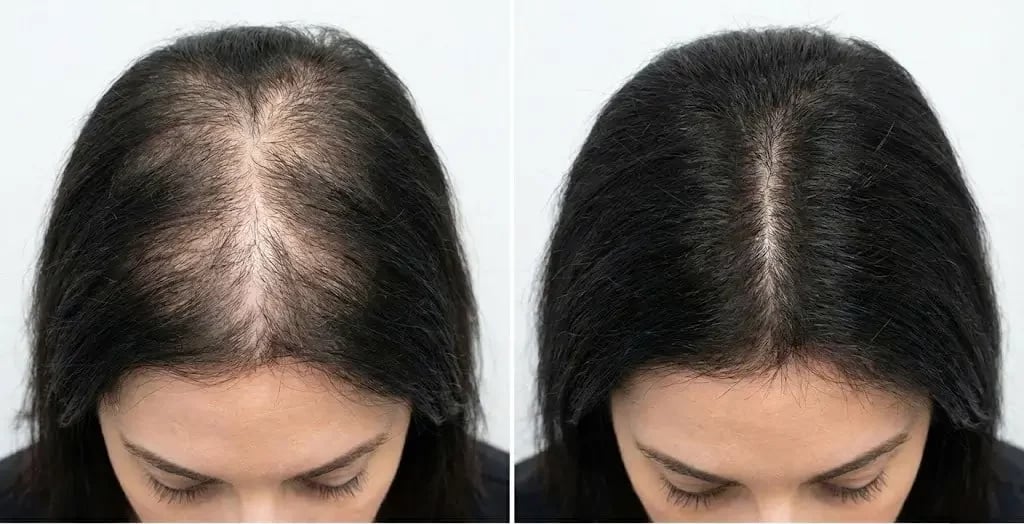
The hair looks thicker and fuller before Tirzepatide hair loss, and thinner and more fragile after Tirzepatide hair loss. Hair is healthy, thick, and has a strong growth cycle before Tirzepatide-induced hair loss. Hair appears thinner, more brittle, and weaker after Tirzepatide hair loss due to rapid weight loss. It is a result of telogen effluvium, where more hair follicles than usual enter the resting phase, leading to excessive shedding. Patients notice a visible difference in hair volume and texture in the period before and after weight loss hair loss, with thinning more pronounced after significant weight reduction. Regrowth occurs within 3 to 6 months, as the body adjusts to its new weight and metabolic balance.

Hair looks thick and healthy before Tirzepatide hair loss. It becomes thinner and weaker due to stress-induced shedding after hair loss, but regrowth occurs within 3 to 6 months.
How to Stop Hair Loss from Tirzepatide
To Stop Hair Loss from Tirzepatide, follow the seven steps listed below.
- Consult a Healthcare Professional. Seek advice from a doctor if patients notice hair thinning or shedding while on tirzepatide. A healthcare professional help determine whether the hair loss is caused by tirzepatide or other factors, like nutritional deficiencies or hormonal changes. They recommend an appropriate hair loss treatment based on the underlying cause.
- Adjust Diet and Supplement Nutrients. Ensure a balanced diet rich in essential vitamins and minerals (iron, zinc, biotin, and vitamin D), which support healthy hair growth. Consider taking supplements if patients are not getting enough nutrients from their diet. The step helps reduce the impact of hair loss treatment due to nutritional gaps.
- Manage Stress. Practice stress-management techniques such as meditation, exercise, or deep breathing since emotional and physical stress trigger or worsen hair loss. Reducing stress helps minimize the effects of hair shedding and improves the success rate of hair loss treatment.
- Adjust Tirzepatide Dosage. Talk to the doctor about adjusting the tirzepatide dosage if hair loss persists. A lower dose reduces side effects, including hair loss. The step contributes to a more effective Hair Loss Treatment if the current dose is a contributing factor.
- Consider Topical Treatments. Using topical treatments like minoxidil (Rogaine) helps stimulate hair growth and reduce hair shedding for some patients. These treatments improve the success of hair loss treatment when combined with other strategies.
- Monitor Progress. Keep track of the hair growth progress over time. Patients experience noticeable hair regrowth within 3 to 6 months once their body stabilizes after weight loss. Additional treatment or alternative strategies are needed if hair thinning continues beyond the period. Be patient, as healing from hair loss treatment related to tirzepatide takes 3 to 6 months.
- Follow Up with the Doctor. Schedule a follow-up appointment with the healthcare provider if hair loss continues after trying various methods. A blood test to determine nutritional deficiencies and hormonal imbalances is recommended as part of further treatment options. Professional advice is essential when treatment is not effective after initial interventions.
What Are the Best Vitamins for Tirzepatide Hair Loss?
The Best Vitamins for Tirzepatide Hair Loss are listed below.
- Biotin (Vitamin B7): Biotin plays a crucial role in hair growth by supporting keratin production, the protein that makes up hair. Biotin promotes stronger, thicker hair and prevents hair thinning. Biotin helps restore hair health and growth after weight loss-induced stress in the case of tirzepatide hair loss. It supports the growth and health of all cells, making it essential for optimal hair regeneration. Biotin is important for Tirzepatide hair loss, as it helps strengthen hair strands and stimulate regrowth.
- Vitamin D: Vitamin D is vital for hair follicle health and the growth cycle. It helps maintain the natural cycle of hair growth and shedding, which is disrupted by rapid weight loss. Vitamin D helps combat thinning by ensuring follicles stay active. Vitamin D contributes to hair strength and health by supporting cell growth and repair. The vitamin is crucial for Tirzepatide hair loss, as deficiencies in it worsen thinning or shedding.
- Iron: Iron plays an essential role in carrying oxygen to hair follicles. An iron deficiency leads to hair shedding and slower hair growth. Tirzepatide-induced weight loss, combined with reduced calorie intake, leads to iron deficiency. Ensuring adequate iron levels prevents hair from becoming thin and brittle. Iron supports the health and growth of cells, including vitamins responsible for hair growth. Iron is critical for Tirzepatide hair loss as it prevents shedding related to poor circulation and nutrient delivery.
- Zinc: Zinc is an essential mineral for maintaining hair structure and regulating hormone levels, which is important during significant weight loss. Zinc supports the growth of hair and the repair of damaged follicles, ensuring a healthy growth cycle. Zinc contributes to immune function, which is crucial during times of stress, such as when undergoing weight loss with tirzepatide. It plays a key role in Tirzepatide hair loss by promoting stronger, healthier hair.
- Vitamin A: Vitamin A is essential for the maintenance of healthy skin and scalp, which are critical for proper hair growth. It helps in the production of sebum, an oily substance that keeps hair hydrated. Vitamin A’s antioxidant properties support cell growth and repair, including hair follicles. It ensures that the hair follicles are nourished and active, contributing to healthy hair. Vitamin A is important in Tirzepatide hair loss as it supports the scalp and hair follicle health.
- Vitamin C: Vitamin C is a powerful antioxidant that helps combat oxidative stress, which contributes to hair loss. It plays a role in collagen production, which is important for hair strength. Vitamin C improves the absorption of iron, which is crucial for hair growth, and helps in tissue repair. Vitamin C aids in regrowth after tirzepatide-induced shedding by supporting the growth and repair of cells, including hair follicles. It helps combat Tirzepatide hair loss by maintaining hair strength and follicle health. These vitamins to prevent hair loss during weight loss are important to ensure that hair remains strong and regrows effectively after tirzepatide-induced shedding.
How Effective Is Hair Transplant for Treating Tirzepatide Permanent Hair Loss?
Hair transplant for treating Tirzepatide permanent hair loss is approximately 80% effective. A Hair Transplant is one of the viable solutions for permanent hair loss due to tirzepatide if hair loss becomes significant and does not recover after 3 to 6 months of stabilizing. A transplant is not immediately necessary, but must be considered if hair thinning persists even after the body has adjusted to weight loss, since hair loss caused by tirzepatide is temporary.
A hair transplant is recommended after the medication-related hair loss has stabilized, ensuring that further shedding is unlikely. A Hair Transplant procedure is a suitable solution for restoring hair density and appearance if regrowth does not occur within 3 to 6 months. Turkey is a popular destination for hair transplants due to its high-quality procedures at affordable rates for hair loss patients considering the procedure. A well-known clinic such as Vera Clinic is regarded as one of the best for hair transplants in Turkey, offering state-of-the-art technology, experienced surgeons, and high success rates. Choosing a trusted clinic for hair transplant ensures optimal results and minimizes risks associated with the procedure.
What to Expect Before and After a Hair Transplant for Tirzepatide Hair Loss
Expect to have a consultation with a specialist who assesses the extent of the hair loss and determines if a hair transplant is appropriate before a hair transplant for Tirzepatide hair loss. The doctor evaluates the scalp, hair type, and the impact of tirzepatide-related hair thinning. Receive pre-operative instructions (avoiding certain medications, alcohol, and smoking) to minimize complications. The area is numbed with local anesthesia on the day of the procedure, ensuring patients remain comfortable during the transplant process.
Expect some swelling, redness, and discomfort in the donor and recipient areas, which must subside within a few days to a week after a hair transplant. Initial shedding of transplanted hairs is normal within the first few weeks. Hair regrowth begins within 6 to 9 months, with full results visible in 12 to 18 months. Post-operative care is critical, including gentle washing of the scalp, avoiding sun exposure, and refraining from intense physical activity to ensure proper healing and promote the best results. A hair transplant before and after the procedure offers a lasting solution to tirzepatide hair loss, showing noticeable improvements over time.
The thinning part refers to areas where hair is sparse or weak, while restored density signifies the revitalization of hair thickness after treatment.
A receded hairline represents a hairline that has moved backward, and a rebuilt hairline restores its original or more youthful position.
The healing phase involves initial recovery after a hair transplant, and mature growth refers to the final stage where hair reaches its full, natural thickness and appearance.
When to See a Dermatologist for Hair Loss due to Tirzepatide
See a dermatologist for hair loss due to Tirzepatide when experiencing noticeable severe symptoms (rapid or excessive shedding, noticeable bald patches, or thinning) that impact their appearance. Seek medical advice if hair loss persists beyond 3 to 6 months after stopping tirzepatide, or if the scalp shows signs of irritation, redness, or inflammation. A dermatologist’s consultation is necessary for proper diagnosis and treatment if hair thinning is accompanied by other symptoms (scalp pain, discomfort, or signs of infection).
Tirzepatide hair loss is diagnosed through a combination of medical history review, physical examination, and sometimes diagnostic tests. A hair transplant consultation by a dermatologist evaluates the extent and pattern of hair thinning or shedding and inquires about the timeline of medication use, particularly tirzepatide. The diagnosis involves ruling out other potential causes of hair loss, such as nutritional deficiencies, hormonal imbalances, or underlying conditions like type 2 diabetes. A scalp biopsy or blood tests are recommended to confirm the diagnosis and identify any underlying health issues contributing to hair loss.
How to Prevent Hair Loss when Taking Tirzepatide
To Prevent Hair Loss when Taking Tirzepatide, follow the five steps listed below.
- Maintain a Balanced Diet. Ensure the diet is rich in essential nutrients that support hair health. Consume adequate amounts of protein, iron, zinc, and B vitamins, as deficiencies in these nutrients contribute to hair thinning. Incorporate a variety of whole foods (lean meats, legumes, leafy greens, fortified cereals) to meet the nutritional needs.
- Take Hair-Supportive Supplements. Supplement the diet with vitamins and minerals known to promote hair health. Biotin, zinc, iron, and vitamin D are particularly beneficial. For instance, Hair Gain Capsules, which contain these nutrients, have been shown to help combat hair loss associated with rapid weight loss.
- Manage Stress Effectively. Chronic stress worsens hair shedding. Engage in stress-reducing activities such as meditation, yoga, deep breathing exercises, or regular physical activity. Maintaining a healthy sleep schedule and practicing relaxation techniques are beneficial.
- Use Gentle Hair Care Practices. Avoid hairstyles that pull tightly on the scalp, such as ponytails or braids, as they cause additional stress on hair follicles. Limit the use of heat styling tools and harsh chemical treatments that weaken hair. Opt for sulfate-free shampoos and conditioners that nourish the scalp and hair.
- Consult with Healthcare Professionals. Consult with the healthcare provider if hair loss persists or worsens. Doctors recommend adjustments to the tirzepatide dosage or suggest treatments like minoxidil (Rogaine) to stimulate hair regrowth. A dermatologist or trichologist provides personalized advice and treatment options tailored to the specific needs.
What Are the Most Effective Hair Loss Prevention Pills for Tirzepatide Users?
The Most Effective Hair Loss Prevention Pills for Tirzepatide Users are listed below.
- Biotin (Vitamin B7): Biotin is recommended for hair health, as it supports the production of keratin, the protein that makes up hair. Biotin helps strengthen hair and prevent thinning when hair loss is related to nutritional deficiencies caused by rapid weight loss for tirzepatide users. Biotin plays a crucial role in cell growth and helps maintain the health of hair follicles. It is vital for Tirzepatide hair loss as it supports hair regrowth and strengthens weakened strands. Weight loss pills insulin resistance contribute to hair loss, so patients must consider using these medications to support hair health and mitigate shedding caused by hormonal imbalances.
- Iron Supplements: Iron is essential for transporting oxygen to the hair follicles, which is necessary for hair growth. Taking iron supplements helps prevent excessive shedding and thinning since tirzepatide’s appetite-suppressing effects lead to iron deficiency. Iron supports the health of all cells in the body, including hair follicles, and ensures they receive adequate nutrients for growth. Iron is important in Tirzepatide hair loss, as it prevents shedding caused by poor circulation and nutrient delivery.
- Zinc Supplements: Zinc is vital for maintaining healthy hair growth, regulating hormone levels, and protecting the scalp. It is crucial for immune function, which helps in repairing any damage to hair follicles. Zinc prevents hair thinning that results from weight loss-related stress or nutrient deficiencies for tirzepatide users. Zinc supports the growth and health of all cells responsible for hair. It is essential for Tirzepatide hair loss because it helps stimulate hair regrowth and reduce hair shedding.
- Vitamin D: Vitamin D plays a vital role in the creation of new hair follicles and maintaining the hair growth cycle. It helps reduce hair thinning that occurs due to hormonal imbalances or deficiencies caused by rapid weight loss. Vitamin D supports healthy hair by stimulating hair follicle growth and regulating the shedding phase for tirzepatide users. Vitamin D supports the health of all cells, contributing to the balance of the body, including hair follicles. The pills are crucial for Tirzepatide hair loss as they promote a balanced hair growth cycle.
- Saw Palmetto: Saw palmetto is a natural supplement known for its ability to block Dihydrotestosterone (DHT), a hormone linked to hair loss in conditions like androgenetic alopecia. Saw palmetto helps reduce hair thinning caused by hormonal shifts that occur during significant weight loss. Reducing DHT levels helps prevent further hair shedding. Saw palmetto supports the growth and health of hair follicles by preventing hormone-related hair loss. Saw palmetto is effective for Tirzepatide hair loss as it helps manage hormonal imbalances that contribute to thinning.
- Omega-3 Fatty Acids: Omega-3 fatty acids are essential for healthy hair as they help nourish hair follicles and improve scalp health. Omega-3s reduce inflammation that leads to hair thinning and support healthier hair growth. Omega-3 fatty acids help maintain the integrity of cell membranes, ensuring that hair follicles remain hydrated and active. Omega-3 fatty acids are important in Tirzepatide hair loss because they promote hair health and growth. These hair loss prevention pills are effective in managing and reducing the risk of hair thinning while using tirzepatide.
How to Reverse Hair Loss After Tirzepatide
To Reverse Hair Loss after Tirzepatide, follow the seven steps listed below.
- Consult a Healthcare Professional. Visit a doctor or dermatologist to assess the extent of hair loss and determine if it is related to tirzepatide or other factors. The healthcare provider recommends adjusting the medication or suggesting treatments like minoxidil to stimulate regrowth.
- Maintain a Balanced Diet. Ensure the diet includes sufficient vitamins and minerals essential for hair health (biotin, zinc, iron, and vitamin D). The nutrients support hair growth and help reverse thinning caused by deficiencies related to rapid weight loss.
- Take Hair-Supporting Supplements. Consider taking supplements that are known to improve hair health (biotin or omega-3 fatty acids). It promotes stronger hair and aids in reversing hair loss by nourishing hair follicles and encouraging regrowth.
- Manage Stress. Engage in activities that reduce stress, such as meditation, yoga, or physical exercise. Stress worsens hair loss, and managing it effectively helps the body recover and support healthier hair growth.
- Use Gentle Hair Care Practices. Avoid hairstyles that place excessive tension on the hair and minimize the use of harsh chemicals or heat styling tools. Gentle handling of hair prevents further breakage and supports the regrowth process after hair loss.
- Consider Topical Treatments. Use hair regrowth treatments like minoxidil (Rogaine) or consult with a dermatologist about other options. Topical treatments stimulate hair follicles and encourage new hair growth when hair loss has stabilized.
- Give the Body Time to Adjust. Hair regrowth takes several months, with noticeable results appearing within 3 to 6 months. Continue following the recommended steps, and be patient as the hair gradually regrows.
What Are the Other Medications Commonly Causing Hair Loss Aside from Tirzepatide?
The other medications (Ozempic, Wegovy, Mounjaro, Optavia, and Metformin) commonly cause hair loss. Ozempic, Wegovy, and Mounjaro are weight loss medications that lead to hair thinning due to rapid weight loss or nutrient deficiencies.
The other Medications Commonly Causing Hair Loss Aside from Tirzepatide are listed below.
- Ozempic Hair Loss: Ozempic is a GLP-1 receptor agonist and is used for managing type 2 diabetes and promoting weight loss. The Ozempic hair loss is a result of rapid weight loss, which triggers telogen effluvium (TE), a condition where hair follicles prematurely enter the resting phase. The mechanism of action (regulating blood sugar and promoting weight loss) is similar to tirzepatide. Ozempic induces weight loss and causes slightly less dramatic weight loss than tirzepatide, leading to fewer instances of Ozempic hair loss.
- Wegovy Hair Loss: Wegovy is a GLP-1 receptor agonist similar to Ozempic and tirzepatide, used for weight loss. Wegovy hair loss is through the exact mechanism (rapid weight loss) as tirzepatide. The wegovy hair loss causes telogen effluvium, where more hair follicles than usual enter the shedding phase. Wegovy works similarly to tirzepatide, as the drugs promote significant weight loss. The severity of side effects (hair loss) varies depending on patients’ responses.
- Mounjaro Hair Loss: Mounjaro is another GLP-1 receptor agonist like tirzepatide and is used to treat type 2 diabetes and aid in weight loss. Mounjaro hair loss occurs due to rapid weight loss, leading to telogen effluvium when the body is under physical stress from losing weight quickly. Mounjaro’s action is similar to tirzepatide, and the medications induce weight loss that causes temporary hair thinning. The difference lies in the exact formulation and dosage, but hair loss results from similar mechanisms.
- Optavia Hair Loss: Optavia is a weight loss program that involves meal replacements and calorie restriction. Optavia hair loss is due to calorie restriction and potential nutrient deficiencies. The lack of adequate nutrients (protein, zinc, and biotin) leads to thinning and shedding. Optavia’s primary cause of hair loss is nutritional deficiencies from dieting, unlike tirzepatide, which is not medication-induced weight loss. Tirzepatide affects hormones and glucose regulation. The Optavia hair loss impacts nutritional intake due to the low-calorie, restrictive nature of the diet.
- Metformin Hair Loss: Metformin is prescribed for managing type 2 diabetes. Hair loss from Metformin is linked to insulin resistance and poor circulation, which affect nutrient delivery to hair follicles. The Metformin hair loss is caused by the body’s adjustments to blood sugar regulation. Metformin does not directly cause weight loss, unlike tirzepatide. The Metformin hair loss is more related to its impact on insulin levels and circulation rather than the rapid weight loss tirzepatide induces.