

Hair loss in children is more common than most parents realize. Studies suggest that up to 3% of pediatric dermatology visits are linked to hair or scalp disorders (NIH, 2020). While thinning hair is usually associated with adults, conditions such as alopecia in children or even alopecia in toddlers can appear early and progress quickly if left untreated.
Parents often mistake early signs as minor issues, like poor nutrition or temporary stress, when in fact they can signal medical conditions that need proper care.
Clinical research and pediatric dermatology guidelines show that hair loss in kids can stem from a wide range of causes. Understanding these signs and triggers makes it easier for families to seek timely treatment and protect a child’s long-term scalp health.
What Is Hair Loss in Children?
Hair loss in children refers to partial or complete thinning of hair on the scalp caused by medical, genetic, or environmental factors. Unlike natural shedding, which is part of the hair growth cycle, pediatric hair loss involves abnormal disruption of this cycle. Both boys and girls can develop it. Conditions such as alopecia areata, tinea capitis, and telogen effluvium are among the most common causes documented in pediatric dermatology. According to the Journal of the American Academy of Dermatology (2017), hair loss accounts for up to 3–5% of dermatology visits among children.
Beyond the physical change, losing hair at a young age often affects self-esteem. Children may experience embarrassment, teasing at school, or social withdrawal. Pediatric psychologists note that visible changes like alopecia can influence body image and emotional development, making early recognition and treatment important not only for health but also for well-being.
Is Hair Fall Normal in Kids? Some hair shedding is normal for kids, especially during seasonal changes or minor illnesses. On average, children can lose 50 to 100 strands per day, which is part of the natural cycle. However, excessive hair fall, patchy bald spots, or rapid thinning is not typical and usually indicates an underlying condition. If these signs appear, medical evaluation is recommended to rule out disorders such as fungal infections, autoimmune diseases, or nutritional deficiencies.
How Much Hair Loss is Normal for a Child?
It is normal for a child to lose about 50 to 100 hairs per day, which is part of the natural growth and shedding cycle. This amount is similar to what adults experience. Hair grows in phases, and shedding occurs when follicles enter the resting stage. If the daily loss stays within this range, it usually does not affect overall density.
When a child loses more than this, especially if shedding is sudden or accompanied by patchy bald spots, it can signal an underlying problem. Conditions such as iron deficiency, autoimmune reactions, or fungal infections can disrupt the cycle and cause visible thinning. Persistent hair fall beyond the normal range should be taken seriously, as untreated causes may lead to prolonged alopecia in kids.
How Common Is Hair Loss in Kids?
Hair loss in kids is not rare. Dermatology data shows that around 3% of pediatric visits involve scalp or hair problems (Journal of the American Academy of Dermatology, 2017). While both boys and girls can be affected, some studies suggest slightly higher rates in boys. This is because certain conditions, like tinea capitis (fungal scalp infection), tend to appear more often in male children, possibly due to shorter hairstyles and closer scalp contact during play.
In simple terms, about 1 in every 30 children may experience a noticeable hair loss disorder at some point. Although it is not as common as in adults, alopecia in kids requires early recognition since progression can be faster in developing scalps. Parents should watch for unusual patterns such as round bald patches or overall thinning that goes beyond everyday shedding.
Can Toddler Hair Loss Lead to Permanent Baldness?
No, toddler hair loss usually does not lead to permanent baldness. In most cases, toddler hair falling out or a toddler losing hair is part of natural growth changes. Hair cycles shift rapidly during early childhood, and temporary shedding is common. Conditions such as telogen effluvium, minor scalp infections, or nutritional gaps often resolve with treatment and do not damage follicles.
Permanent baldness at this age is extremely rare. True scarring alopecias, which destroy follicles, are uncommon in toddlers. As long as the underlying cause is identified and managed, the hair regrows over time. Pediatric dermatology research confirms that most early-life shedding is reversible once the scalp is healthy again.
Can Babies Experience Hair Loss?
Yes, babies can experience hair loss, and in most cases it is normal and temporary. Baby hair falling out is usually seen within the first six months of life as newborn hair sheds to make way for thicker, more mature strands. This often creates a baby bald spot at the back of the head where friction from sleeping is highest.
According to the American Academy of Pediatrics, baby hair loss occurs in many infants and is usually linked to the natural shedding cycle, hormonal changes after birth, or frequent rubbing of the scalp. Other common reasons include cradle cap (seborrheic dermatitis) or mild fungal infections.
Most baby hair loss is temporary and resolves within the first year, with new hair gradually replacing the lost strands. Parents notice full regrowth by the time the child is a toddler.
What Are the Signs and Symptoms of Hair Loss in Children?
Hair loss in children can appear in different ways depending on the cause. Recognizing these signs early helps parents seek proper treatment before the condition worsens. Common symptoms include:
- Patchy Bald Spots: Round or irregular areas on the scalp where hair is missing. These patches may be smooth, scaly, or red, often linked to conditions like alopecia areata or tinea capitis.
- Overall Thinning: A gradual reduction in hair density across the entire scalp. This type of thinning often appears in cases of telogen effluvium, nutritional deficiencies, or chronic illness.
- Sudden Shedding: Large amounts of hair seen on pillows, clothing, or in the shower. Sudden shedding may follow fever, surgery, or severe stress in children.
- Broken Hairs and Scaling: Short, broken strands with scaling or redness on the scalp. This is frequently associated with fungal infections such as ringworm.
- Itching or Discomfort: Persistent scratching, burning, or tenderness on the scalp may signal inflammation or infection contributing to hair loss.
- Loss of Eyelashes or Eyebrows: In some cases of alopecia areata, children may also lose hair from the eyelashes or eyebrows.
What Are the Early Signs of Hair Loss in Children?
The earliest signs of hair loss in children often appear subtly, making them easy to overlook at first. One of the most common early indicators is excessive shedding. Parents may notice more strands on pillows, combs, or clothing than usual. Unlike natural shedding, this happens more frequently and in larger amounts.
Another early sign is the appearance of thinning across the scalp, where the hair looks less dense overall. This differs from patchy bald spots, which are more distinct and usually develop later in conditions such as alopecia areata. Early thinning is often associated with telogen effluvium or nutritional deficiencies, while patchy loss suggests an immune or fungal cause.
Other early symptoms include broken hairs and mild scalp irritation, such as itching or redness. These usually point toward infections like tinea capitis, distinguishing them from smooth, irritation-free patches caused by autoimmune alopecia.
What Are the Late Symptoms of Hair Loss in Children?
Late symptoms develop once hair loss progresses or the underlying condition remains untreated. A common late sign is the presence of well-defined bald patches, where the scalp is completely visible. This differs from the earlier general thinning and is considered a distinct marker of conditions such as alopecia areata.
Another late symptom is loss of eyebrows or eyelashes, which usually indicates more advanced or widespread alopecia. Compared to early shedding from the scalp, this signals that the condition is affecting multiple hair-bearing areas.
Children with fungal infections may show thick scaling, redness, or even pus-filled lesions as a late-stage sign, while autoimmune causes leave the scalp smooth without inflammation. These differences are important for diagnosis, as they separate infectious from non-infectious causes.
In some cases, late-stage hair loss can also be accompanied by emotional distress, with children avoiding hairstyles or social interactions to hide the visible changes.
What Age Does Hair Shedding Begin in Kids?
Hair shedding in children can occur at different ages depending on the cause. In infancy, hair fall in a 4-month-old baby is common as newborn hair is replaced by stronger strands. This shedding is temporary and part of normal development. Some infants also develop a bald spot at the back of the head due to constant rubbing against the mattress.
In toddlers, parents may notice a 2-year-old’s hair falling out in clumps during illness, after high fever, or due to scalp infections like ringworm. At this stage, sudden clump-like shedding is not normal and usually signals an underlying condition.
By preschool age, cases such as a 5-year-old losing hair are often linked to nutritional deficiencies, stress, or telogen effluvium following medical events. Unlike infant shedding, this requires medical evaluation since it is no longer part of natural growth changes.
For older children, parents may raise concerns such as “my 8-year-old daughter’s hair doesn’t grow.” In many cases, slow or stagnant hair growth relates to chronic scalp conditions, thyroid disorders, or alopecia areata. At this age, persistent shedding or lack of regrowth indicates a medical reason rather than a developmental phase.
Age plays a key role in identifying why hair loss happens. Shedding in babies is often temporary and expected, while hair loss in children beyond toddlerhood is more likely to be caused by medical or nutritional issues that should not be ignored.
Is a Sudden Bald Spot on Child’s Head a Symptom of Hair Loss?
Yes, a sudden bald spot on a child’s head can be a symptom of hair loss, most often associated with alopecia areata. This autoimmune condition causes the immune system to attack healthy follicles, leading to smooth, round patches where hair falls out quickly. The onset is usually sudden, making it different from gradual thinning seen in stress-related shedding or telogen effluvium.
What Causes Hair Loss (Alopecia) in Children?
Hair loss in children can stem from a wide range of factors, ranging from common, treatable conditions such as fungal infections, telogen effluvium, or alopecia areata, to rare and more complex causes like nutritional deficiencies, systemic illnesses, or genetic disorders. The difference between the two often lies in prevalence and underlying risk factors.
While most children experience hair loss due to manageable conditions that respond well to treatment, rare causes often require more in-depth evaluation, advanced testing, and specialized care. Understanding which category a child’s hair loss falls into is crucial for accurate diagnosis and treatment.
What Are the Most Common Causes of Hair Loss in Kids?
The most common causes of hair loss in children include tinea capitis (scalp ringworm), alopecia areata, telogen effluvium, and traction alopecia. Among these, tinea capitis is the leading cause globally, particularly in children under 10 years old. According to the American Academy of Dermatology, tinea capitis accounts for up to 92% of pediatric alopecia cases in some populations. It presents with scaly patches, broken hairs, and sometimes redness or swelling.
Alopecia areata, an autoimmune condition, is also a frequent cause, affecting around 1 in 1,000 children worldwide. It tends to occur equally in boys and girls, although autoimmune conditions, in general, may have a slightly higher prevalence in females.
Telogen effluvium, triggered by stress, illness, or medications, is another common but temporary cause. It is more prevalent in children following viral infections or surgeries, often noticed weeks after the event.
Finally, traction alopecia is seen more often in children with tightly styled hair, such as braids or ponytails, and may vary across cultural or demographic groups.
Age, gender, and overall health status play a significant role in determining the causes of hair loss in children. Younger children are more likely to develop tinea capitis, while older children and adolescents are more prone to conditions like traction alopecia and stress-related shedding. A genetic predisposition can further increase the likelihood of autoimmune conditions such as alopecia areata, whereas nutritional or socioeconomic factors often make children more vulnerable to scalp infections.
What Are the Rare Causes of Hair Loss in a Child?
Rare causes of pediatric hair loss include nutritional deficiencies, endocrine disorders (like hypothyroidism), systemic lupus erythematosus, genetic syndromes (such as ectodermal dysplasia), and chemotherapy-related alopecia. These are considered rare because they affect a small percentage of children and are usually tied to underlying systemic conditions rather than isolated scalp issues.
For example, iron deficiency and vitamin D deficiency can contribute to diffuse thinning, but they are far less common compared to fungal infections. Endocrine causes like thyroid dysfunction account for a very small subset of pediatric hair loss cases, diagnosed when hair loss is accompanied by growth delays or other systemic symptoms.
Genetic disorders such as hypotrichosis or ectodermal dysplasia are exceptionally rare and usually identified in infancy or early childhood, presenting with thin, fragile hair or complete absence of scalp hair.
Research suggests that less than 5% of children with alopecia have an underlying systemic disease as the primary cause. Demographic differences exist too. Nutritional deficiencies are more common in low-resource regions, while chemotherapy-related alopecia is associated with pediatric oncology patients across all populations.
Can Stress Cause Hair Fall in Kids?
Yes, both physical and emotional stress can cause hair fall in children. When a child experiences significant stress, illness, or trauma, it can trigger a condition called telogen effluvium, where hair prematurely enters the shedding phase. This type of hair loss is usually diffuse, meaning it affects the entire scalp rather than forming distinct bald patches, and it may become noticeable several weeks after the stressful event.
Emotional stress, such as school-related anxiety, family changes, or social challenges, can also contribute to hair thinning. Studies in pediatric dermatology indicate that while telogen effluvium is temporary, repeated or chronic stress can prolong shedding, slowing hair regrowth. Unlike autoimmune causes, hair follicles remain intact, so hair generally regrows once the stressor is resolved and the scalp returns to a healthy growth cycle.
Is Hair Loss After Illness in Children Temporary or Permanent?
Yes, in most cases, hair loss in children following an illness is temporary. This type of shedding, often classified as telogen effluvium, occurs when a child’s body redirects energy to recover from fever, infection, or other physical stressors, causing hair follicles to enter the resting phase prematurely. The hair falls out in diffuse thinning rather than in distinct bald patches.
Can Nutritional Deficiencies Cause Hair Fall in Kids?
Yes, nutritional deficiencies can indeed cause hair fall in children. Hair growth relies on a steady supply of essential nutrients, including iron, zinc, protein, biotin, and vitamins like D and B12. When a child’s diet lacks these nutrients, hair follicles may enter a resting phase prematurely, resulting in diffuse thinning or slow hair growth.
Can Hair Products Cause Toddlers’ Hair Thinning?
Yes, certain hair care products can contribute to hair thinning in toddlers, but this is relatively uncommon. Harsh shampoos, conditioners with strong chemicals, or styling products containing alcohol or sulfates can irritate the scalp or weaken fragile hair strands. In toddlers, whose hair and scalp are especially delicate, repeated use of such products may lead to breakage or minor thinning over time.
What Are the Treatments for Hair Loss in Children?
Treating hair loss in children depends on the underlying cause, the child’s age, and the severity of the condition. Pediatric dermatologists consider several approaches, ranging from medical treatments to supportive care and lifestyle adjustments. Each treatment is tailored to restore scalp health, stop further hair loss, and promote regrowth.
- Topical and Oral Medications: For conditions like alopecia areata, doctors may prescribe topical corticosteroids or, in more severe cases, short-term oral corticosteroids. These medications reduce immune system activity that attacks hair follicles, allowing hair to regrow. Studies show that many children experience noticeable regrowth within 2–6 months of consistent treatment.
- Antifungal Treatments: Hair loss caused by tinea capitis (fungal infection) is treated with antifungal shampoos and oral antifungal medications such as griseofulvin or terbinafine. These medications eliminate the fungus, relieve inflammation, and restore normal hair growth. Recovery occurs within 6–12 weeks, depending on the infection’s severity.
- Nutritional Support: Hair loss linked to nutritional deficiencies can improve with diet optimization or supplementation. Correcting iron, zinc, or vitamin deficiencies helps hair follicles return to their normal growth cycle. Visible improvements usually appear after 3–6 months of adequate nutrition.
- Behavioral and Stress Management: For telogen effluvium caused by emotional stress, interventions focus on reducing stressors, promoting healthy sleep, and maintaining supportive routines. Hair generally regrows within 2–4 months after the stress is managed.
- Gentle Hair Care Practices: Minimizing hair breakage from traction or harsh products is essential. Using mild shampoos, avoiding tight hairstyles, and careful brushing prevent further loss while supporting natural regrowth.
- Advanced or Specialized Treatments: In rare or persistent cases, dermatologists may explore therapies such as platelet-rich plasma (PRP) or low-level laser therapy. These methods stimulate follicle activity and improve scalp circulation, but their use in children is limited and carefully monitored.
Early diagnosis and targeted treatment are crucial for successful outcomes. Addressing hair loss promptly not only restores hair but also supports emotional well-being and self-confidence in children. Families can learn more about the full range of professional hair loss treatments.
How Effective Is Hair Transplant as a Solution for Hair Loss in Children?
Hair transplant is not recommended for children. Pediatric hair loss usually results from temporary or treatable conditions such as alopecia areata, telogen effluvium, or scalp infections. Since children’s hair follicles and growth patterns are still developing, performing a transplant too early will lead to unpredictable results or the need for additional procedures later in life.
Hair transplantation becomes a viable option after hair loss has stabilized which happens after individuals are 21-year old and the underlying cause has been effectively treated. This ensures that transplanted follicles have a healthy environment and that natural growth patterns are established. Hair transplantation involves relocating hair follicles from a donor area to areas with thinning or bald patches.
For families considering hair restoration in the future, Turkey is a leading destination due to high-quality clinics, experienced surgeons, and advanced technologies. Vera Clinic, recognized as one of the best hair transplant clinics in Turkey, combines expertise with innovative procedures such as Sapphire FUE and stem cell hair treatments, ensuring high graft survival rates and natural hair density. Patients benefit from pre-procedure evaluation to post-operative follow-up, and comprehensive care including hyperbaric oxygen treatment.
How Do Vitamins Help Hair Growth in Children with Thinning Hair?
Vitamins and minerals play a crucial role in supporting healthy hair growth in children. Nutrients such as biotin, vitamin D, iron, zinc, and B-complex vitamins help maintain strong hair follicles, stimulate new hair growth, and prevent excessive shedding. For example, studies have shown that iron deficiency in children is closely linked to diffuse hair thinning, and correcting low ferritin levels can restore normal hair growth within months (Journal of Pediatric Dermatology, 2016). Vitamin D also supports follicle cycling, while biotin strengthens the hair shaft and reduces breakage.
Supplementation may be beneficial when a child’s diet does not provide enough of these essential nutrients. However, it is important for parents to consult a pediatrician or dermatologist before giving supplements, as excessive doses can be harmful and not all vitamins are safe in large amounts for children. Choosing the best kid vitamins for hair growth should be guided by lab tests and medical advice rather than over-the-counter trends.
Are There Any Home Remedies to Stop Hair Loss in Children?
Yes, some home remedies may support hair growth in children, but their effectiveness is generally limited and not scientifically proven. Gentle care and nutrition-focused approaches are the safest ways to encourage healthy hair. Popular methods include massaging the scalp with natural oils such as coconut, almond oil or rosemary oil, which can improve blood circulation and strengthen hair shafts, and ensuring a nutrient-rich diet to provide essential vitamins and minerals that promote hair growth.
Other commonly suggested remedies, like applying onion juice, aloe vera, or herbal pastes, have limited clinical evidence, and results can vary widely depending on the underlying cause of hair loss. For example, these remedies will not treat alopecia areata or fungal infections, which require professional medical intervention.
For parents searching for baby hair growth home remedies, focusing on scalp hygiene, avoiding harsh hair products, and minimizing tension from hairstyles is safer and often more effective. While these measures may help maintain hair health and prevent further breakage, persistent hair loss should always be evaluated by a pediatric dermatologist to identify and treat the underlying condition.
Can You Prevent Hair Loss in Your Teenager Era?
Yes, it is possible to take steps to prevent hair loss during the teenage years, though it comes with certain challenges. During adolescence, hormonal changes, rapid growth, and increased stress levels can make hair more vulnerable to thinning or shedding. Hair may also grow slower in some teenagers compared to childhood due to fluctuations in androgen levels, nutritional demands, or underlying health conditions.
While some genetic forms of hair loss cannot be fully prevented, adopting healthy habits can significantly reduce risk and support strong, resilient hair. Key strategies for how to prevent hair loss as a teenager include: maintaining a balanced diet rich in vitamins and minerals, practicing gentle hair care without harsh products or tight hairstyles, managing stress effectively, and seeking early medical evaluation for scalp or hormonal issues. Regular check-ups with a dermatologist can also help identify treatable causes before teenage hair loss progresses.
What Are the Common Types of Hair Loss in Children?
| Type | Cause | Pattern | Reversibility |
| Alopecia Areata | Autoimmune attack on hair follicles | Smooth, round bald patches | Often reversible with treatment |
| Tinea Capitis (Scalp Ringworm) | Fungal infection | Scaly, patchy hair loss with broken hairs | Usually reversible with antifungal therapy |
| Telogen Effluvium | Physical or emotional stress, illness, medications | Diffuse thinning across scalp | Temporary; hair regrows after stressor resolves |
| Traction Alopecia | Hair pulled tightly from hairstyles | Localized thinning along hairline or scalp | Reversible if caught early; chronic traction may cause permanent loss |
| Trichotillomania | Compulsive hair pulling | Irregular patches, broken hairs | Reversible with behavioral therapy |
1. Alopecia Areata in Children
Alopecia Areata is an autoimmune condition where the body’s immune system attacks hair follicles, leading to smooth, round bald patches. It is one of the most common causes of patchy hair loss in children, affecting approximately 1–2% of pediatric populations worldwide (Journal of the American Academy of Dermatology, 2017). Early treatment for Alopecia Areata can include topical corticosteroids, immunotherapy, or minoxidil, depending on the child’s age and severity of hair loss. Timely intervention can increase the chances of full regrowth and prevent larger areas from becoming affected.
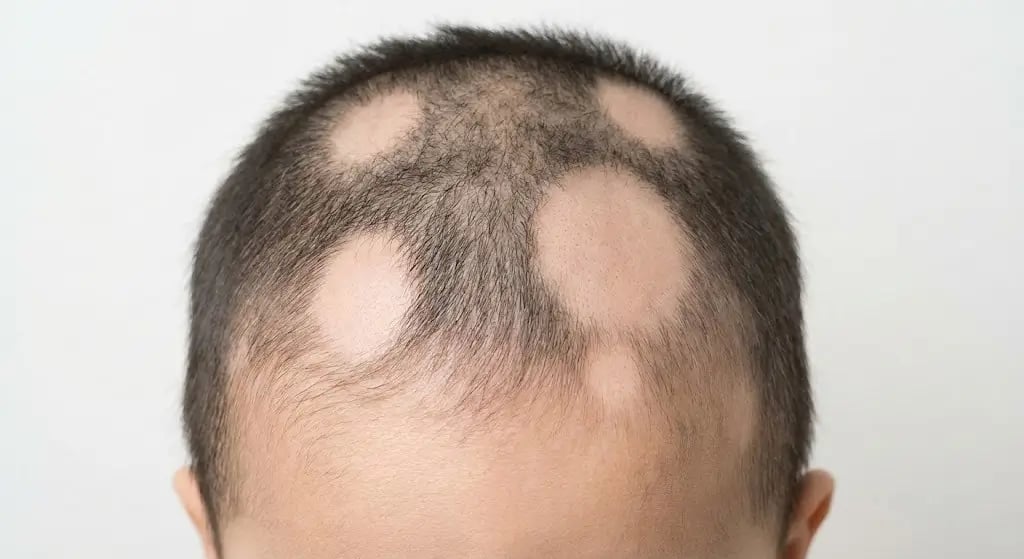
2. Tinea Capitis (Scalp Ringworm) for Children
Tinea Capitis is a fungal infection that primarily affects school-aged children. It presents as scaly, round patches with broken hairs and sometimes mild redness or itching. This type of hair loss is highly contagious but treatable with oral antifungal medications and medicated shampoos. Early treatment for tinea capitis prevents spreading and promotes hair regrowth within 6–12 weeks.
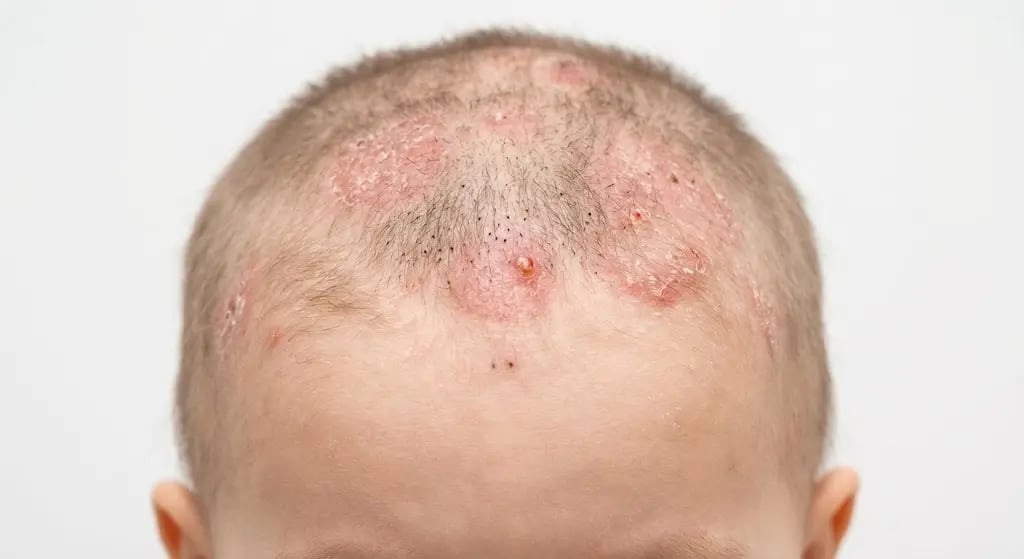
3. Telogen Effluvium in Kids
Telogen effluvium occurs when stress, illness, or medication pushes hair prematurely into the resting phase. Hair loss is usually diffuse rather than patchy, making the scalp appear generally thinner. Recovery begins within 2–4 months once the trigger resolves. Pediatric dermatologists emphasize that telogen effluvium is temporary, and proper nutrition, stress management, and medical monitoring can accelerate regrowth.
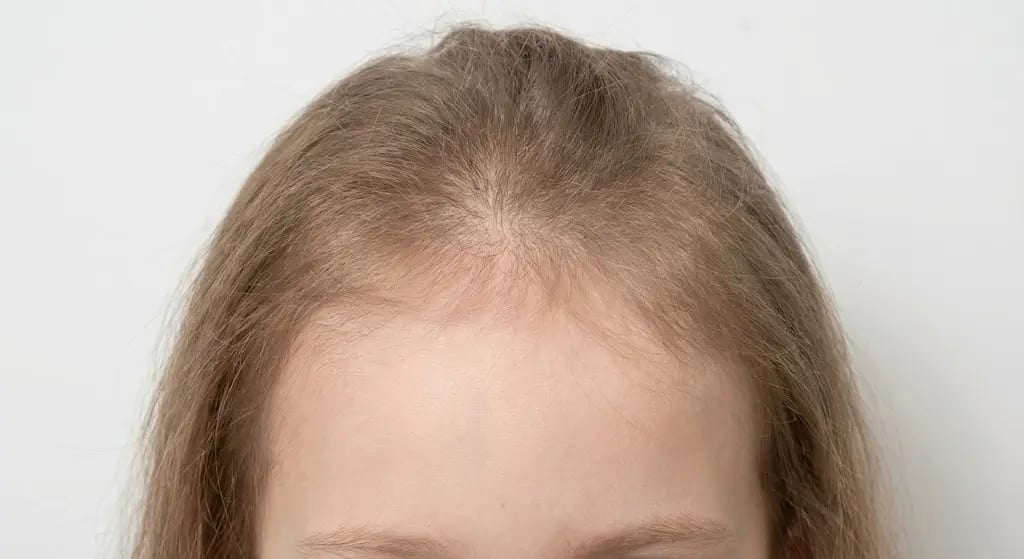
4. Traction Alopecia in a Child
Traction alopecia develops when hair is pulled tightly over long periods due to hairstyles such as braids, ponytails, or buns. The hairline or areas under constant tension become thinner, and broken hairs are often visible. Early detection is crucial to treat traction alopecia. If the pulling stops and gentle hair care is maintained, hair regrowth is possible. Chronic tension, however, can cause permanent follicle damage.
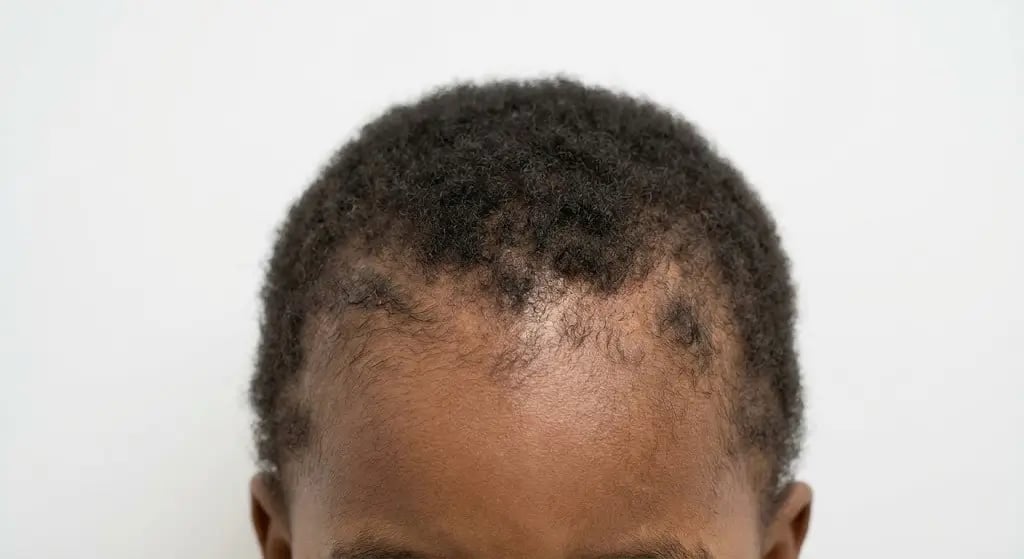
5. Trichotillomania in Children
Trichotillomania is a compulsive hair-pulling disorder, often triggered by stress or anxiety. Hair loss presents as irregular patches with broken strands of varying lengths. Behavioral therapy, stress management, and sometimes counseling or medication are effective interventions. Early treatment for trichotillomania is critical to prevent permanent scarring and support regrowth.
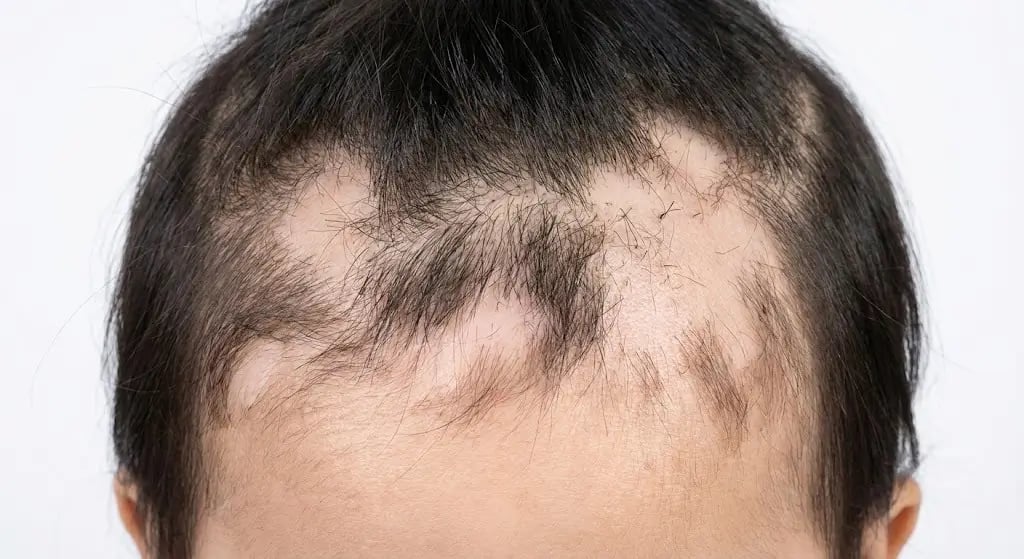
What Is the Rarest Type of Hair Loss in Children?
The rarest type of hair loss in children is congenital atrichia, a genetic condition where children are either born without hair or lose it completely within the first few months of life. This disorder is extremely rare, with only a few hundred cases documented worldwide, according to reports in Clinical Genetics (2018). Major characteristics include:
- Complete absence of scalp and body hair from early infancy
- Smooth scalp without signs of inflammation or scarring
- No regrowth despite medical treatments
- Associated with genetic inheritance, often autosomal recessive
Rare conditions are more likely to present at birth or early childhood, with no clear difference between male and female cases. However, genetic background and consanguinity rates in certain populations increase the likelihood of seeing congenital atrichia or other inherited hair loss syndromes. These genetic forms are not influenced by nutrition or external care, making them some of the most difficult to treat in pediatric dermatology.
How to Identify If a Baby Bald Spot Is Alopecia Areata
A baby bald spot is not always a sign of alopecia areata, as hair loss in infants can also occur from friction (when babies rub their heads on a mattress), cradle cap, or fungal infections. However, alopecia areata has distinct characteristics that help differentiate it from other causes.
The bald spot is usually smooth, round, or oval, with no redness, scaling, or broken hairs. In some cases, you may notice “exclamation mark hairs” (short, tapered hairs that are thinner at the base) around the edges of the patch, which is considered a hallmark sign of alopecia areata. Unlike fungal infections such as tinea capitis, there is no flaking, itching, or inflammation.
Other factors to examine include whether the bald spot is expanding over time, whether multiple patches are forming, and whether there is a family history of autoimmune conditions, as alopecia areata is an autoimmune disorder. A dermatologist may use a dermatoscope to confirm the diagnosis and rule out other causes.
If a baby’s bald spot shows these signs, it is important to consult a pediatric dermatologist early for proper evaluation and to distinguish alopecia areata from temporary, harmless hair loss.
What Are the Signs of Alopecia in Toddlers?
Alopecia in toddlers can show up in different ways depending on the type of hair loss, but there are several common signs parents can watch for. Recognizing these early can help with timely diagnosis and treatment. Signs of alopecia in toddlers include:
- Round or oval bald patches
- Toddler receding hairline
- Sudden hair shedding
- Exclamation mark hairs
- Thinning or widening part line
- Uneven or patchy hair loss
- Changes in nails
- No signs of irritation
If you notice these symptoms of toddler hair loss, it’s best to seek a pediatric dermatologist’s evaluation, as early management can improve outcomes.
How Is Alopecia in Kids Diagnosed?
Diagnosing alopecia in children requires a careful evaluation by a pediatrician or dermatologist, as hair loss can stem from many different causes. Doctors use a combination of clinical examination, medical history, and diagnostic tools to confirm the type of alopecia and rule out other conditions. Here are the main diagnostic methods for alopecia in kids:
- Physical Examination: Doctors check the child’s scalp for bald patches, hair shaft changes, scaling, redness, or broken hairs. This helps distinguish between alopecia areata, fungal infections, or traction alopecia.
- Medical History Review: Parents are asked about the child’s family history of hair loss, autoimmune diseases, recent illnesses, medications, diet, stress factors, or hair-care practices.
- Hair Pull Test: A gentle tug is applied to a cluster of hairs to see how easily they come out, which indicates active hair shedding.
- Trichoscopy (Dermatoscopy): A handheld dermatoscope magnifies the scalp and hair follicles, helping identify classic signs like exclamation mark hairs, broken shafts, or black dots in alopecia areata.
- Scalp Biopsy: In rare or unclear cases, a small scalp sample is taken and examined under a microscope. This helps differentiate between scarring and non-scarring types of alopecia.
- Fungal Culture / KOH Test: Used when tinea capitis (scalp ringworm) is suspected. A hair or scalp sample is tested for fungal infection.
- Blood Tests: Ordered if autoimmune alopecia or systemic causes are suspected. These may include thyroid function tests, iron studies, vitamin D, zinc, or ANA for autoimmune markers.
- Microscopic Hair Analysis: Hairs are examined under a microscope to check for shaft abnormalities or infections.
These diagnostic steps are chosen depending on the child’s symptoms, age, and suspected cause of hair loss. For example, a fungal culture is essential when patches show redness and scaling, while a biopsy is only used if the cause remains uncertain after standard tests.