

Patients experiencing hair loss ask, “Which Vitamin Deficiency Causes Hair Loss?” Protein Deficiency Hair Loss occurs if the body fails to produce healthy hair. Low protein hair loss is caused by excessive shedding or thinning brought on by insufficient protein in the diet. Hair follicles enter the resting phase (telogen) early, resulting in visible hair loss and sluggish regrowth. Protein for hair growth refers to strengthening hair fibers, encouraging growth, increasing suppleness, and decreasing breakage. The fundamental building unit of hair is protein, which consists of the structural keratin. A vital component for building strong, healthy hair strands and regulating the hair growth cycle. The question, “Can lack of protein cause hair loss?” is essential to identify what triggers the disorder. A lack of protein prevents the scalp from producing new, healthy hair to replace the strands that fall out every day.
Protein benefits for hair because insufficient protein causes the body to prioritize vital organs over hair development. A deficit of protein and hair loss is caused by stringent dieting, eating disorders, chronic disease, or long-term consumption of low-protein diets. Restoring protein levels through a balanced diet is crucial for reversing hair loss and promoting new, healthy hair growth. The body finds it challenging to create new hair cells when it doesn’t get enough protein and hair growth which is blocked due to weak, brittle, and slowly growing hair. Protein repairs and maintains damaged hair follicles, keeping them healthy and active throughout the hair development cycle.
What is the Importance of protein for hair growth?
The importance of protein for hair growth involves producing thicker, stronger hair, decreasing hair breakage, and supporting long-term, healthy hair development. The protein consumption gives hair growth and cell regeneration.
How Does Protein Help Hair Growth?
Protein helps hair growth by preventing hair loss. Knowing how does protein help your hair grow is essential. Protein is necessary for hair growth and total hair condition, as hair is made up of a protein (keratin), and the answer to the question, “Is keratin protein good for hair?” The outermost covering of human skin, hair, and nails is made up of keratin, a fibrous, structural protein that gives hair its firm, smooth texture. Protein synthesis is the process by which hair follicles combine amino acids into keratin chains. Keratin is absorbed into hair cells when the hair grows out of the scalp, resulting in hair that is almost entirely made up of keratin proteins. Adequate protein consumption promotes regular keratin formation in hair follicles, resulting in appropriate growth cycles and thicker, fuller hair.
Insufficient protein intake prevents the body from producing adequate keratin. Protein offers the key building blocks required to renew hair cells and maintain regular hair growth cycles. Protein deficit causes weak, dry, and brittle hair. Excessive protein consumption above daily requirements does not result in faster or thicker hair growth, although it prevents deficiencies and the hair issues they cause. Hair follicles use enough protein, but excess protein beyond what is required for basic health does not give benefits for hair development. Protein powder promotes hair development by augmenting dietary protein consumption for patients who do not obtain enough from complete meals. Amino acids in protein powders, including whey protein for hair growth are necessary for its development. The nutrient is present in protein supplements that reduce hair loss and boost hair growth, according to the study, “Health-promoting benefits of lentils: Anti-inflammatory and anti-microbial effects” (R. Alexander et al., 2024).
How Does a Lack of Protein Cause Hair Loss?
Lack of protein causes hair loss in patients suffering from baldness by improving dietary protein consumption for patients who do not obtain enough from full meals. Understanding the question, “Does protein deficiency cause hair loss?” helps patients to know the relationship between protein and hair loss. Amino acids in protein powders, including whey protein, for hair growth are necessary for its development. Hair is composed of keratin proteins, which are structural proteins that give hair its smooth, firm structure and comprise the outermost layer of human skin, hair, and nails. Protein synthesis is the process by which hair follicles combine amino acids into keratin chains. Hair follicles create weaker keratin in the absence of appropriate protein consumption, resulting in brittle and easily damaged hair.
Protein contains the key building ingredients required to renew hair cells and encourage proper growth cycles. Insufficient protein causes the body to prioritize vital processes (hormone production and tissue repair), which puts hair growth in a secondary position. An analysis of studies reveals that protein deficiency impairs hair development, according to an article “Protein Deficiency Hair Loss: Can a Lack of Protein Cause Hair Loss?” (Katelyn Brenner, FNP, 2023).
Insufficient protein affects the natural hair development cycle as time passes (telogen effluvium). Hair follicles are active cells that divide fast and require a constant supply of nourishment. The follicles are forced into a resting condition in an effort by the body to preserve protein when it does not receive enough of it from the diet. Hair sheds for about 1 to 3 months after switching to a low-protein diet. It deprives follicles of the nutrients and resources they require to form healthy strands, breaking the regular hair development cycle and causing telogen effluvium. The hair development cycle is divided into anagen (growing), catagen (transition), and telogen (resting). Approximately 90% of hair follicles are in the anagen phase when nutrients are required. A protein deficit interrupts the cycle, resulting in diffuse hair thinning because many strands enter the shedding phase.
Hair is made up of protein (keratin), and not consuming enough of it triggers hair loss. Protein is made up of amino acids, which are chemical substances that the body needs to heal tissues and digest food. Hair becomes fragile, brittle, and prone to breaking if protein levels are low. Restricting protein intake and low-calorie diets cause hair loss and thinning. Protein deficits are uncommon in industrialized countries due to the presence of protein in meals, but they occur with dietary restrictions. Hair loss caused by nutritional restrictions is temporary, and hair must regrow if the underlying problem is resolved and enough protein intake is restored.
Can Protein Powder Cause Hair Loss?
No, protein powder cannot cause hair loss, but some protein powders with creatine, dehydroepiandrosterone (DHEA), and artificial growth hormones speed up hair loss in patients who are at risk for androgenic alopecia or male pattern baldness. The additional components increase testosterone levels in the body. They are converted into dihydrotestosterone (DHT) by the enzyme 5-alpha reductase, according to a study “Male pattern hair loss” (Dr Nicholas M Birchall, 2015). DHT is a chemical that leads to hair loss by damaging hair follicles, shortening the hair development process, and causing the follicles to shrink and cease to grow hair.
Can Too Much Keratin Cause Hair Loss?
Yes, too much keratin can cause hair loss. Keratin is the structural protein in hair and is necessary for its strength and health, but too much of it causes damage or hair loss. Keratin treatments strengthen hair, according to a study “Keratin-based particles for protection and restoration of hair properties” (A. Tinoco and J. Gonçalves, 2018), but they are harmful due to the chemicals (Formaldehyde) used. The intense heat used to apply keratin treatments with flat irons destroys the hair’s natural proteins and defenses, leading to severe shedding and loss.
Can Too Much Protein Cause Hair Loss?
No, too much protein cannot cause hair loss, but it contributes to hair problems if it results in an imbalanced diet. Hair loss is rare from too much protein intake, but it happens when using concentrated supplements, according to an article “Is There A Link Between Protein And Hair Loss” (Scott McDougall, 2023). Excessive protein supplement “is too much protein bad for your hair”. Protein is essential for healthy hair growth, as hair is composed of a protein (keratin). Consuming excessive amounts of high-protein meals or supplements pushes out iron, zinc, and biotin. Thinning and temporary hair loss are signs of too much protein in hair caused by physical or nutritional stress. The “signs your hair has too much protein” must not be taken for granted to avoid total baldness. The question, “Can eating too much protein cause hair loss?” is essential for patients to prevent the severity of their disorders.
Can a Low Protein Diet Cause Hair Loss?
Yes, a low-protein diet can cause hair loss. The body prioritizes necessary organs over non-essential processes like hair development when it does not get enough protein from the diet, which results in thinning or excessive shedding. The condition is called telogen effluvium, in which a portion of hair follicles enter the resting phase prematurely. Getting enough protein each day is essential for keeping the hair healthy to avoid “low protein hair loss” disorder. The Recommended Dietary Allowance (RDA) states that the average adult must consume 0.8 grams of protein per kilogram of body weight per day. The RDA for protein is a study made in “Optimizing Protein Intake in Adults: Interpretation and Application of the Recommended Dietary Allowance Compared with the Acceptable Macronutrient Distribution Range” (Robert R. Wolfe, 2017). Patients with higher physical needs and who are experiencing recovery or rehabilitation require 1.0 to 1.2 grams per kilogram. Low protein and hair loss are related and cause damage to hair structure, slow hair growth, and lead to total hair loss. Maintaining strong, thick hair and health depends on eating a balanced diet with enough protein.
What Does Protein Deficiency Hair Look Like?
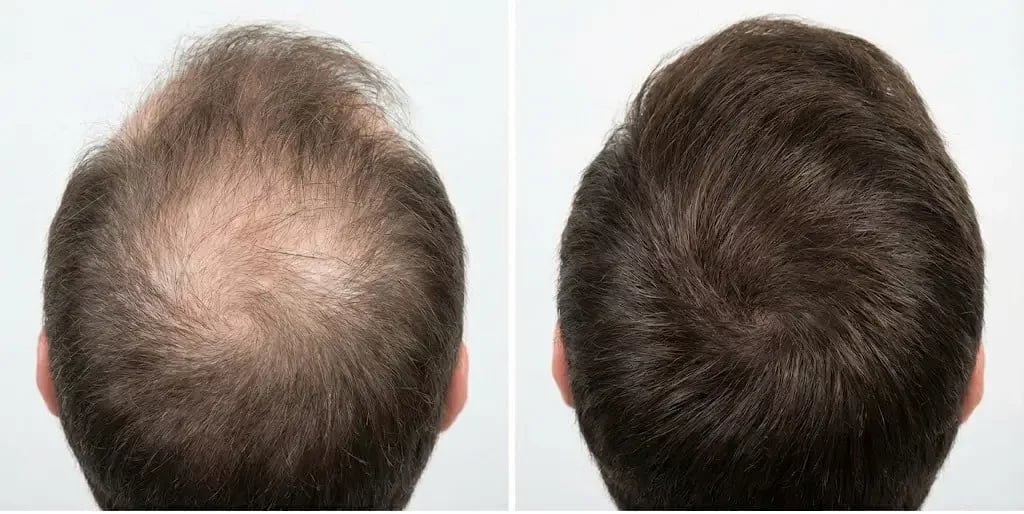
Hair with protein deficiency looks dull, weak, and thin. Hair sheds when it is brushed or washed. Maintaining length or volume is challenging due to the hair strands’ appearance of being dry, brittle, and prone to breaking. Patients with protein deficit report that their hair loses its natural luster and becomes lifeless or limp, losing body and flexibility. Hair is patchy or uneven, with obvious thinning of the scalp. Slow hair regeneration, rough texture, and split ends are typical. Protein-deficient hair lacks the strength, thickness, and healthy appearance associated with well-nourished hair.
What Does Hair Look Like Before and After Having a Protein Deficiency Hair Loss?
The hair looks like before and after having a protein deficiency, hair loss is healthy and turns into dry or frizzy. Healthy hair is smooth, thick, and full of volume. Protein deficit causes hair to become weak, dry, and dull. Excessive shedding causes more hair to come out when brushing or bathing. The hair looks brittle, thin, and prone to breakage in the middle and at the ends, due to losing its natural elasticity and shine.
What Are the Symptoms of Protein Deficiency Hair Loss?
The symptoms of protein deficiency hair loss depend on hair condition and severity. Hair loss due to protein insufficiency happens when the body does not have enough protein to maintain healthy hair development. Protein is a building element for hair, and when there is not enough of it in the diet, the body prioritizes vital processes like organ repair over hair formation. A substantial amount of hair falling out during brushing or washing is one of the common signs of protein deficiency in hair. The hair becomes fragile, brittle, and thin in texture, increasing its susceptibility to breakage. Hair strands lose their natural shine and flexibility as the shortage continues, making them appear dull and lifeless.
Patients with severe symptoms have obvious bald patches or widespread scalp thinning. New hair development slows down, and whatever hair that does grow is finer than usual. Rare symptoms include the development of telogen effluvium, which is an excessive amount of hair follicles reaching the resting phase early, leading to sudden and extensive hair loss throughout the scalp. Patients with long-term protein deficiencies have dry, flaky, or irritated scalps, which lead to hair loss. Improved hair growth is restored slowly through discovering the keratin deficiency symptoms earlier and treating the dietary deficits.
What Are the Common Symptoms of Protein Deficiency Hair Loss?
Common symptoms of protein deficiency hair loss are listed below.
- Thinning Hair Strands: Protein insufficiency slows keratin formation, leading to finer, weaker hairs.
- Dullness: Inadequate protein impairs hair shaft maintenance, causing less shine.
- Dry and Brittle Hair: Hair gets dry and prone to breaking when there are insufficient amino acids to maintain moisture.
- Slow Hair Growth: Impaired cellular mechanisms in hair follicles interfere with the hair development cycle. The common symptoms are noticeable to patients, according to an article “Is There A Link Between Protein And Hair Loss” (S. McDougall, 2023).
The common symptoms of protein deficiency hair loss change according to age, gender, demographics, genetics, and underlying health conditions. Women are more affected during pregnancy, the postpartum period, or menopause, while younger patients are visibly thinner. Genetics are part of the symptoms, as hair is naturally delicate and fragile. Patients with gastrointestinal diseases, kidney illness, or eating disorders experience common symptoms due to impaired protein absorption or increased protein loss.
What Are the Severe Symptoms of Protein Deficiency Hair Loss?
Severe symptoms of protein deficiency hair loss are listed below.
- Chronic Telogen Effluvium: A chronic disturbance in the hair cycle produces continuous, significant hair loss throughout the scalp, according to a study “Nutrition and hair” (L.J. Goldberg and Y. Lenzy, 2010).
- Lanugo-like Fine Vellus Hair Growth: Protein deficiency boosts the growth of fine, lanugo-like hair in other patients while normal hair is lost, according to the study “Nutrition and hair” (L.J. Goldberg and Y. Lenzy in 2010).
- Severe Diffuse Alopecia with Hair Thinning: Extreme protein-energy deficiency causes extensive hair loss and thinning on the scalp, according to a study “Diet and hair loss: effects of nutrient deficiency and supplement use” (E.L Guo and R. Katta, 2017).
The severe symptoms of protein deficiency hair loss change according to age, gender, demographics, genetics, and underlying health conditions. They emerge in patients with severe deficiency or with underlying health problems. Children with severe protein deficiencies (marasmus or kwashiorkor) develop noticeable symptoms. Males and females experience comparable severe symptoms when malnourished. Severe symptoms are prevalent within low-income areas with a limited supply of high-protein meals.
What Are the Rare Symptoms of Protein Deficiency Hair Loss?
Rare symptoms of protein deficiency hair loss are listed below.
- Pili Torti: Protein deficiency triggers beaded hair, bubble hair, or monilethrix (keratin disease), causing strands to be brittle and fragile. Malnutrition and protein deficiency cause Pili torti, according to a study “Pili Torti: A Feature of Numerous Congenital and Acquired Conditions” (A. Hoffmann et al., 2021).
- Björnstad Syndrome: A rare condition related to twisted hair or baldness and hearing loss. Björnstad syndrome is caused by mutations of the BCS1L (protein product) gene needed for oxidative phosphorylation, according “Missense mutations in the BCS1L gene as a cause of the Björnstad syndrome” (Hinson JT, Fantin VR, Schönberger J, et al., 2007).
- Trichothiodystrophy (TTD or Tiger Tail): A hereditary disorder that causes alternating light or dark bands in hair under polarized light, severe brittleness of hair, and memory loss. The characterization of tiger tail banding and hair shaft abnormalities, according to “Journal of the American Academy of Dermatology” (Liang, Christine, Kraemer, Kenneth H., et al., 2005).
The rare symptoms of protein deficiency hair loss change according to age, gender, demographics, genetics, and underlying health conditions. Severe protein deficiency is rare in wealthy nations, but it occurs in patients with eating disorders or malnutrition. Genetic defects impacting protein metabolism or hair shaft stability worsen hair loss and brittleness. Comorbid diseases (chronic liver or renal disease) limit absorption, increase catabolism, and worsen hair-related symptoms.
What Are the Symptoms of Too Much Protein in Hair?
Symptoms of too much protein in hair are listed below.
- Severe Hair Loss: The instability in proteins causes the hair to fall out more than usual when brushing it. Hair does not acquire the nutrients it requires to stay healthy, which causes the roots to weaken, resulting in constant shedding of hair.
- Changes in Curl Pattern: Protein overload causes changes in the hair’s texture or curl pattern. Excess protein makes the hair appear limp, thin, and frizzy. Hair causes more knots and tangles to form.
- Elasticity: The symptom appears when hair is dehydrated and has too much protein. Moisture is the essential component influencing strand flexibility and stretching. An imbalance between moisture and protein in hair shows in strands that are less elastic and break easily.
- Stiffness: Excess protein makes the hair stiff when touched. A protective layer that forms when there is too much keeps vital moisture from getting to the hair strands, leaving it dehydrated and feeling straw-like to the touch. The symptoms are based on the article “How to Fix Protein Overload in Hair?” dated 2024.
What Are the Protein Deficiency Hair Loss Treatment?
The protein deficiency hair loss treatments are listed below.
- Minoxidil: An over-the-counter topical vasodilator recommended by dermatologists, which treats hair loss by prolonging the hair’s anagen (growth) phase and increasing Vascular Endothelial Growth Factor (VEGF). Minoxidil promotes new hair growth, which improves nutritional development when used to treat protein-deficient hair loss. The treatment involves increasing cellular Deoxyribonucleic acid (DNA) synthesis and proliferation, which causes hair follicles to enter the anagen phase rapidly. Minoxidil improves blood flow to the hair follicle, which is necessary for nutrient delivery. The results of minoxidil treatment peak between 4 and 6 months after the first effects appear. Higher concentrations of 5% produce superior results, according to an article “How long does Minoxidil take to work? A Timeline for Hair Regrowth Results” (Dr. Suhail Alam, 2025).
- Finasteride: A prescription oral drug is used to treat androgenic alopecia by blocking the 5-alpha reductase enzyme, which lowers the conversion of testosterone to dihydrotestosterone. An FDA-approved treatment for androgenic alopecia that works on hormonal pathways rather than nutritional factors, but it helps with hair growth. Oral Finasteride administered daily minimizes the chance of noticeable hair loss in males with androgenetic alopecia by 93%. Topical preparations have similar efficacy for hair loss treatments. Combining Finasteride and Minoxidil improves the results, according to the study “Efficacy of the association of topical minoxidil and topical finasteride compared to their use in monotherapy in men with androgenetic alopecia” (A. Rossi, MD, 2023).
- Platelet Rich Plasma (PRP): A therapy of taking a patient’s blood, concentrating platelets, and injecting the platelet-rich plasma into the afflicted scalp areas. Platelets stimulate hair follicles, increase stem cells, improve blood flow, and aid in repair and regeneration. PRP is effective for hair regrowth and thickness, according to a review posted “PRP for Hair Loss: Efficacy, Safety, and Cost” (Scott Frothingham, 2024).
Hair transplant is an effective treatment for hair loss cases caused by protein deficiency. The procedure provides a long-term solution for restoring natural-looking hair growth and boosting self-esteem following nutritional recovery.
What Are the Best Protein Shampoos for Protein Deficiency Hair Loss?
The best protein shampoos for protein deficiency hair loss are listed below.
- Tresemme Keratin Smooth Shampoo: A shampoo that contains keratin and argan oil, which nourish the hair while suppressing frizz for up to three days. Composed of a lower sulfate and is appropriate for natural and chemically treated hair. It makes the hair softer, shinier, and easier to style.
- Mondes Morocco Argan Shampoo with Keratin Protein: Argan oil and keratin work together to nourish and mend the skin. Replenishes lost proteins while giving moisture, boosting elasticity and shine, which is essential in fighting protein deficiency in hair.
- OGX Repair & Protect Bond Protein Repair Shampoo: Contains keratin protein, which helps to strengthen and replace broken hair connections. Ideal for improving weaker strands and decreasing breakage, which is associated with protein deficit.
- Keratin Plus Daily Nourishing Shampoo: Regular usage of a keratin-enriched solution that targets general hair resiliency. Ideal for everyday maintenance with protein vitamins for hair, providing low-level protein without risking overload and promoting continual protein replenishment.
- Dove Intensive Repair Bio‑Protein Shampoo: Bio-protein and amino serum work together to strengthen hair from within while improving surface smoothness. Improves tensile strength and elasticity, which reduces breaking. An affordable and suitable option for maintenance.
Which High Protein Food Is Helpful for Hair Growth?
High-protein foods that are helpful for hair growth are listed below.
- Legumes: Lentils, chickpeas, beans, and peas are high in protein and nutrients (manganese, folate, and zinc) that promote hair growth. Eating legumes benefits hair strength and health because hair follicles consist of protein. Legumes are food for hair loss, which fights hair thinning from the inside out by supplying adequate protein. Zinc in chickpeas prevents hair loss. Vegetarians and vegans must get enough plant-based protein to promote healthy hair development and to avoid hair loss, according to the article Is There A Link Between Protein And Hair Loss” (Scott McDougall, 2023).
- Fatty Fish: Salmon is a “hair protein food” because of its high-quality protein and omega-3 fatty acids. They help alleviate scalp irritation and protein insufficiency. The protein found in fatty fish helps keratin formation, which is necessary for hair strength and shine. Omega-3 fatty acids boost hair shine. Fatty fish are high in protein and other essential nutrients (omega-3 fatty acids), which are necessary for maintaining healthy hair and avoiding hair loss caused by protein deficit.
- Dairy Products: Dairy products (Greek yogurt and cottage cheese) provide protein with smaller amounts of carbohydrates. Cottage cheese contains 11 g of protein per 100 g. while Greek yogurt contains 10 g per 100 g. Dairy products contribute to the protein intake needed for healthy hair growth and maintaining strong hair. Dairy products are a beneficial part of a balanced diet for preventing protein deficiency-related hair loss.
- Poultry: Chicken breast is helpful as a lean protein source (31 g per 100 g of chicken breast), making it an excellent option for maintaining high protein intake without excessive unhealthy fats. Lean meats (chicken) provide essential protein for every structure in the body, including hair, contributing to strong and healthy hair. Poultry is a crucial component of a protein-rich diet that rejuvenates hair follicles and reverses or halts excessive shedding caused by protein deficiency.
- Nuts: Almonds, Brazil nuts, walnuts, and peanuts are helpful because they are rich in protein, iron, selenium, omega-3s, and other micronutrients that support hair health. They contribute to preventing hair loss by providing healthy fats, vitamins, and minerals alongside protein. Nuts offer essential building blocks for hair, helping to promote healthy hair growth and combat issues arising from protein deficiency. Nuts are an essential part of a balanced diet for preventing protein deficiency-related hair loss, as they provide a diverse range of nutrients vital for maintaining healthy hair growth.
Does Eating more Protein make your hair Grow Faster?
Yes, eating more protein makes your hair grow faster. Hair is composed of a protein (keratin), and the body requires a steady supply of dietary protein to generate strong, healthy strands. Consuming adequate protein supplies the required amino acids that serve as building blocks for hair follicle cells, allowing the hair development cycle to run smoothly.
Which Foods Are Rich in Keratin to Help Hair Loss from Protein Deficiency?
Foods rich in keratin to help hair loss from protein deficiency are listed below.
- Tofu: A high-protein, plant-based food that supports keratin production, providing amino acids that strengthen hair strands and prevent breakage. The calcium and iron in tofu help scalp health, nourishing hair follicles and promoting steady growth. The patients’ question, “How much keratin should I take for hair growth?” The Recommended Dietary Allowance (RDA) for keratin (protein) is 0.8 to 1 gram per kilogram of body weight, according to an article “Is There A Link Between Protein And Hair Loss” (Scott McDougall, 2023).
- Lentils: Excellent plant-based source of iron, protein, and folate, which contribute to keratin synthesis. Iron helps transport oxygen, ensuring hair follicles remain active and promoting healthy growth. Regular consumption of lentils helps prevent symptoms of protein deficiency (thinning hair and excessive shedding).
- Eggs: Eggs are a valuable food for boosting keratin production due to their rich content of high-quality protein and biotin. The keratin protein source in eggs provides the building blocks for hair strength and elasticity, helping to prevent hair loss caused by protein deficiency.
- Onions: A keratin protein food that aids in ramping up keratin production because they contain N-acetylcysteine, which the body converts into L-cysteine, an amino acid found in keratin.
- Salmon: Salmon is an excellent source of protein, which is crucial for keratin production. It is rich in omega-3 fatty acids to improve hair growth, enhance hair density, and protect against hair loss in supplement form. The fatty acids moisturize the scalp, reducing dryness and dandruff.
- Mangoes: Mangoes are a tasty way to get nutrients that support keratin synthesis, provitamin A, and C. Fruits help hair cell growth and protect hair follicles.
How Effective Is Hair Transplant for Treating Hair Loss due to Protein Deficiency?
Hair transplant is 75% to 95% effective for treating hair loss due to protein deficiency, but it depends on the scalp’s health condition and the available donor hair. Protein deficiency produces hair loss, which is manageable with an adequate diet. Hair transplant is recommended if the deficiency has caused permanent follicle damage. The surgical treatment uses donor hair to restore hair growth to areas of the scalp. It restores a natural hairline and covers bald patches on the head, boosting confidence.
Patients consider receiving hair transplants in Turkey because they are more economical than in Western countries. Turkey has become a popular destination for hair transplant procedures due to its affordable prices and the opportunity to combine rehabilitation with a vacation. Having a Follicular Unit Extraction (FUE) hair transplant in Turkey has a high graft survival rate, minimal pain and discomfort, and a treatment that leaves no scars. Vera Clinic in Istanbul, Turkey, is one of the world’s most excellent hair transplant facilities, with talented and experienced specialists.
What to Expect Before and After a Hair Transplant due to Protein Deficiency
The expectation before and after a hair transplant due to protein deficiency is a thorough evaluation and physical examination. Patients who have a protein deficiency must anticipate a comprehensive screening before a hair transplant to ensure there is enough protein for healing and hair regrowth. Protein is necessary for hair follicle wellness and cell regeneration. Medical professionals advised that deficiencies are addressed with food or supplements before continuing. The pre-transplant period includes blood tests, scalp analysis, and conversations concerning the level of permanent hair loss.
Part of the growth cycle for patients to experience initial redness, swelling, and scabbing at the transplant area after the procedure. Shedding phase during the transplanted hairs temporarily falling out is normal. New hair appears after 3 to 4 months and thickens slowly. The complete outcomes are seen between 9 and 12 months. Maintaining long-term success and avoiding hair thinning requires proper care by eating a diet high in protein and practicing good scalp hygiene. The effects of Hair Transplant Before and After are life-changing for a patient who suffers from protein deficiency.
When to See a Dermatologist for Hair Loss due to Lack of Protein
See a dermatologist for hair loss due to a lack of protein when symptoms become persistent, severe, or coincide with other signs of nutritional deficiency. Large clumps of hair falling out when brushing or taking a shower are warning signs of sudden, excessive hair shedding (telogen effluvium). Other concerning symptoms are brittle or breaking strands, obvious thinning over the scalp, and delayed regeneration with a high-protein diet. Hair loss shows a severe nutritional imbalance or an underlying medical problem that needs medical attention if other symptoms of protein deficit accompany it. Patients experiencing hair loss due to protein deficiency must consider a Hair Transplant Consultation.
How Protein Hair Loss Diagnosed?
Protein hair loss is diagnosed through dermatologists who perform a complete evaluation of scalp inspection, blood testing, and dietary analysis, to determine whether protein deficit is the cause. Dermatologists recommend an appropriate treatment plan to restore hair condition.