


Selecting the right beard style matters because it directly affects your appearance and confidence. Knowing your ideal beard shape helps you highlight your best facial features clearly. By understanding different beard styles, you easily pick one matching your face shape and lifestyle, ensuring you always look your best.
Understanding the different types of beard hair shapes provides several benefits. It allows you to choose styles that enhance your facial symmetry, improve your appearance, and increase confidence. You avoid common mistakes, such as picking a beard style unsuitable for your face.
Beard hair transplant is increasingly popular among men today. A 120% rise in beard transplant procedures is seen over the past five years according to Beard and Moustache Reconstruction published in Indian Journal of Plastic Surgery. Common beard transplant shapes include the Full Beard, Goatee, Mutton Chops, and Van Dyke. Men choose beard transplants primarily to overcome patchy beard growth or genetic factors preventing natural beard growth.
Most men get beard hair transplants to customize their facial appearance, creating beard styles that boost self-confidence and personal satisfaction.
What are the Short Beard Styles for Men?
Short beard styles are easy to maintain, grow faster, and suit most face shapes. These styles are ideal for men who want a clean but masculine appearance. They are the most requested styles in grooming salons due to their versatility.
Stubble
Stubble is one of the most popular short beard styles. It usually appears after 2–5 days of not shaving. It has a rough, shadowed look and follows the jawline closely. Stubble is minimal, but still visible enough to change your face.
Wearing stubble improves perceived confidence and masculinity. Many men say it helps them feel more attractive without going full beard.
Stubble ranks high in attractiveness surveys. Light stubble was rated as the most attractive facial hair style by both men and women according to “The role of facial hair in women’s perceptions of men’s attractiveness, health, masculinity and parenting abilities.” published in Evolution and Human Behavior. Stubble beard style is especially preferred among adults aged 25–35.
Achieving stubble beard style is possible with beard transplant procedures, especially for men with patchy facial hair. Hair follicles are transplanted to targeted low-density zones to create a consistent stubble look. It is a common request among younger adult men who want a subtle, low-commitment style.
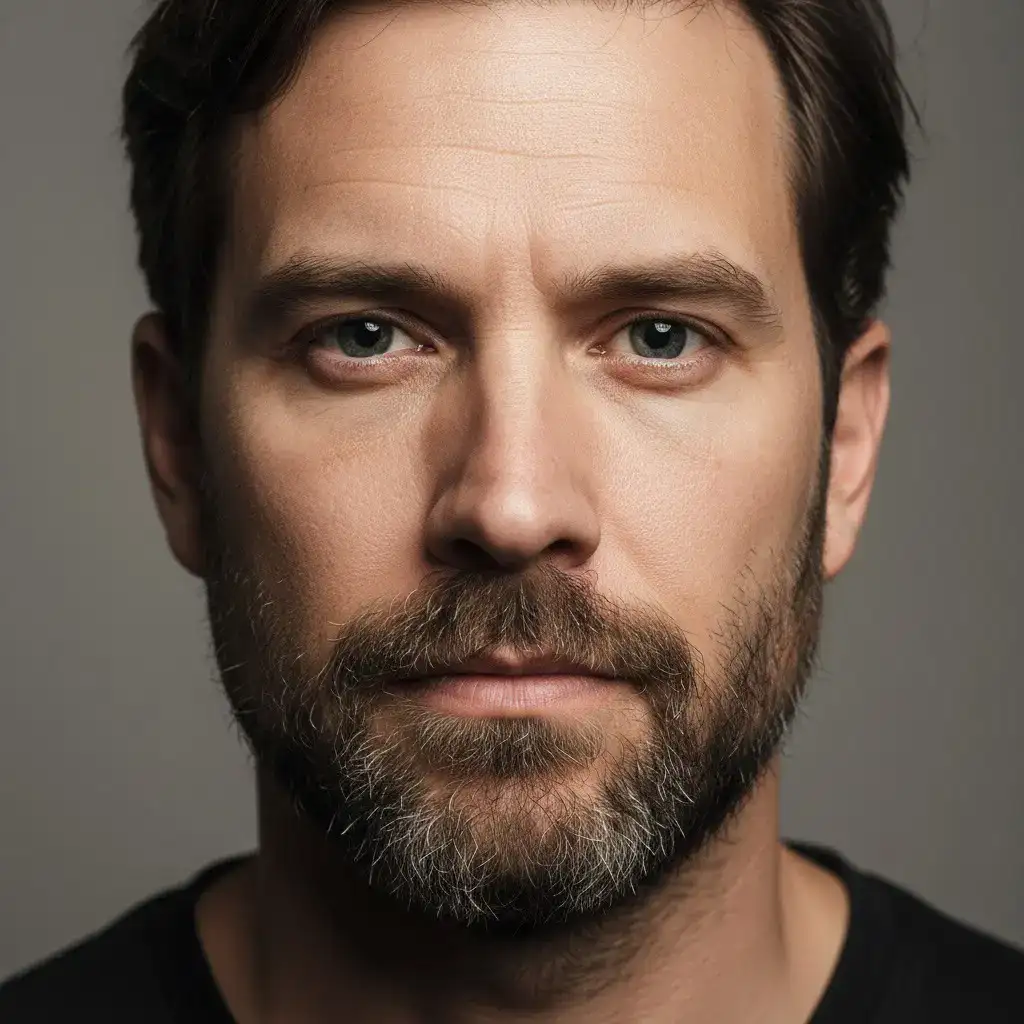
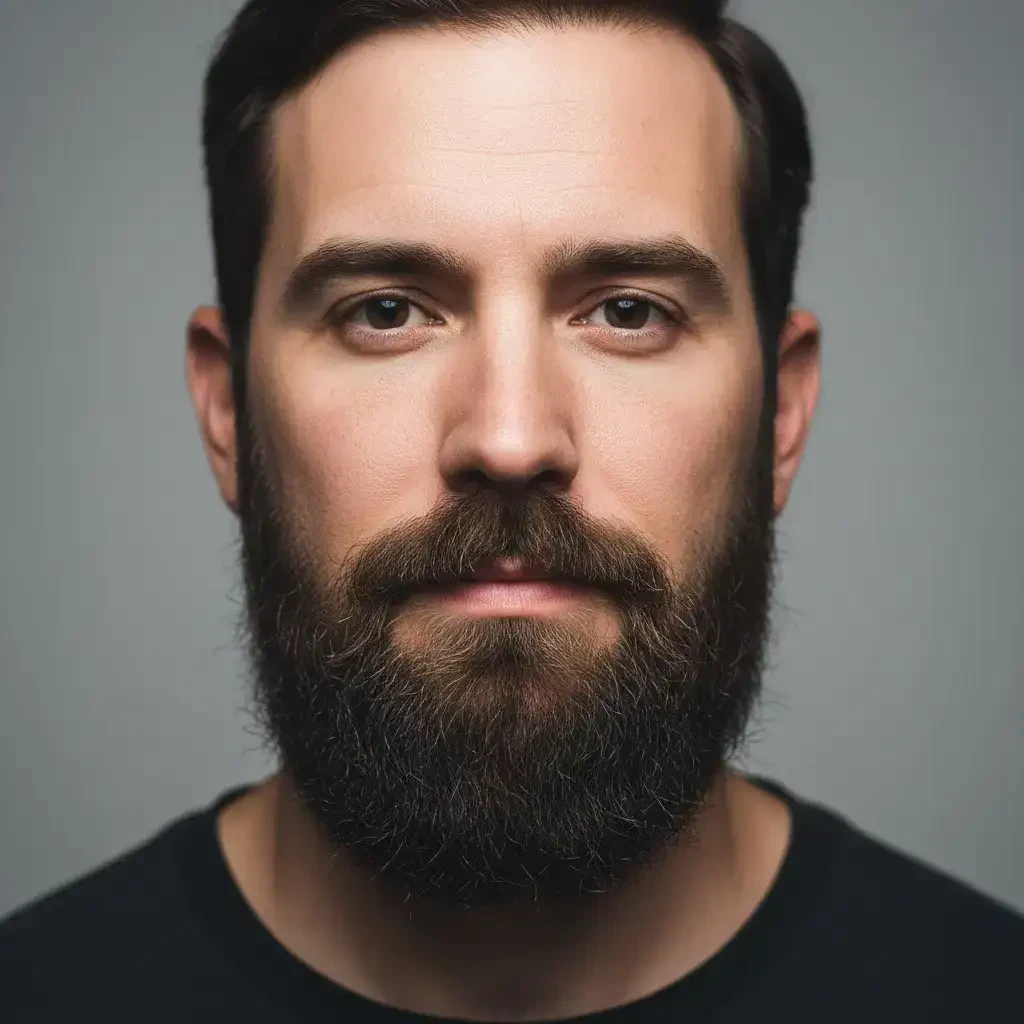
Corporate Beard
The corporate beard is short, full, and neatly outlined. It’s groomed to appear professional while maintaining a masculine edge. This style covers the jawline and chin with short length and clean edges. It pairs well with formal wear.
Many men feel more structured and sharp with a corporate beard. It adds maturity without being overbearing. This beard style is considered attractive in professional settings and is widely accepted in modern workplace environments. It’s most appealing among working professionals aged 30–45.
Corporate beard style is achieved through a beard hair transplant. In cases of uneven beard density, transplants help define symmetrical, clean beard lines. Corporate beard transplants are common among adult males, especially in business-facing professions.
Goatee
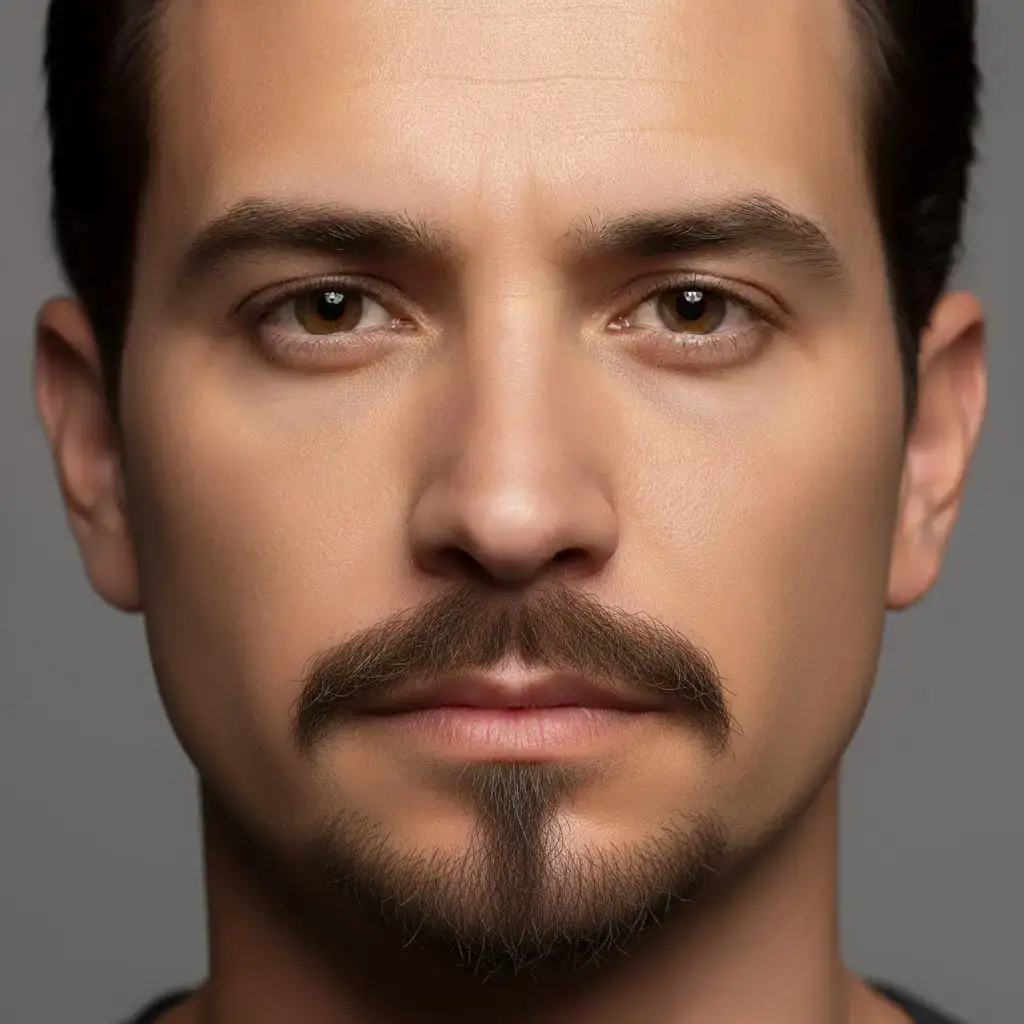
A goatee beard style consists of hair only on the chin area, accompanied by a mustache. It creates a pointed appearance and draws attention to the lower face. It suits narrow or oval face shapes.
Wearing a goatee gives a distinctive, sharp look. Some men say it gives them a creative or artistic image. While not always the “most attractive,” it performs well among niche audiences. It’s more popular in creative industries and among men aged 30–50.
Building goatees is possible with targeted beard transplants. The area under the lower lip and around the chin are easily covered with transplanted hair. Goatee beard transplant requests are moderate and come from men with minimal chin growth but full mustaches
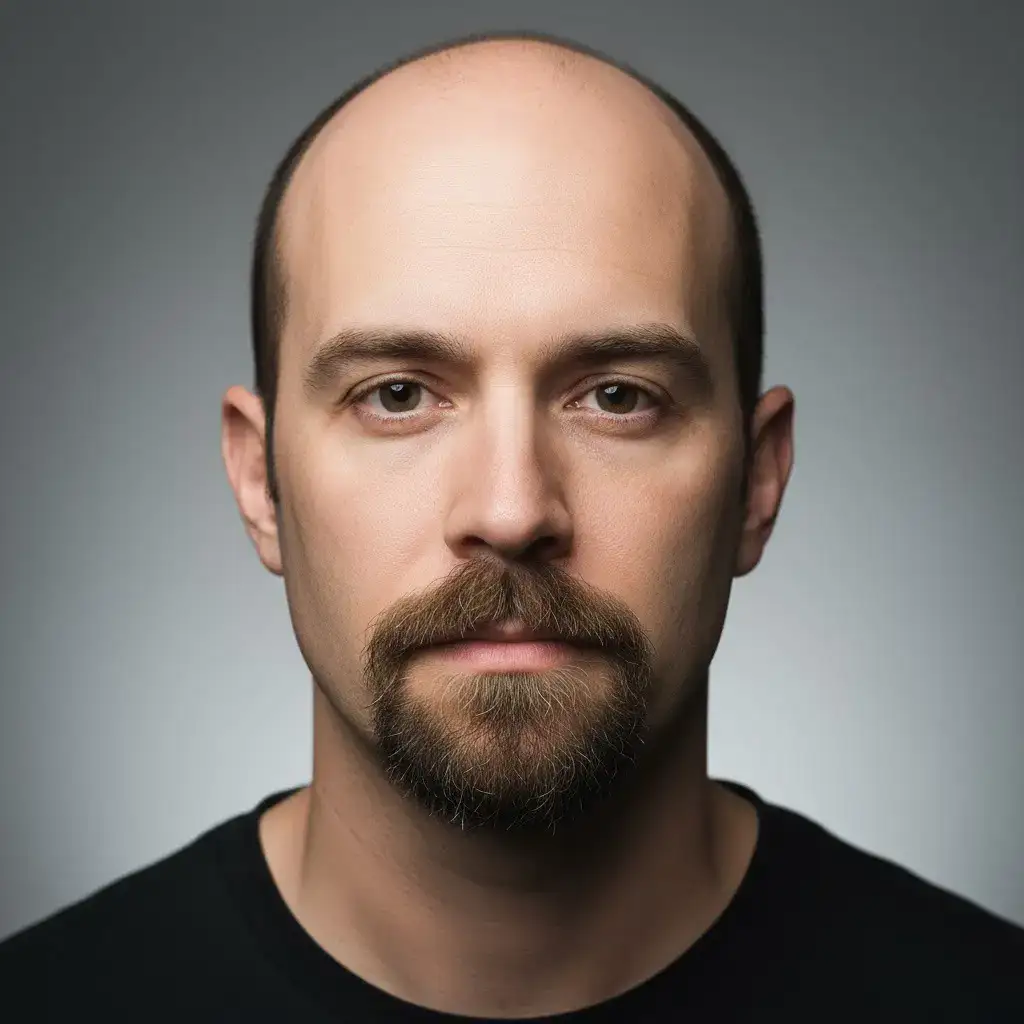
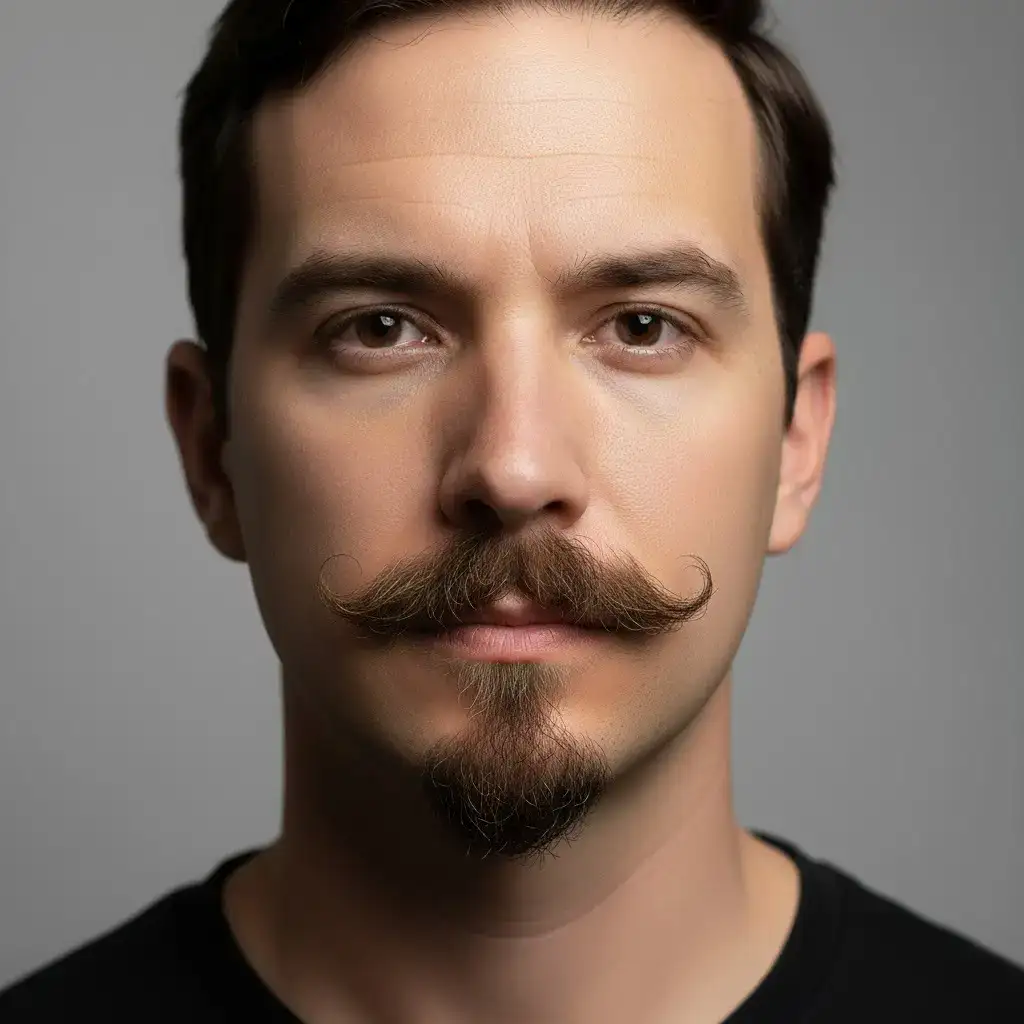
Van Dyke
The Van Dyke includes a pointed chin beard with a detached mustache. It’s clean at the cheeks and gives a sculpted, elegant look. This style is bold and eye-catching. It’s worn by men who want a stand-out identity.
Van Dyke is associated with individuality and style. Many men feel it sets them apart and gives a confident edge. It is viewed as stylish and eccentric. It attracts attention and performs best in artistic, fashion-forward groups. It’s most admired in men aged 35–50.
Getting a full Van Dyke beard style is possible with a beard hair transplant. It allows precision shaping and filling of both the chin and mustache areas. This style is less common in transplants but still chosen by middle-aged men seeking a sharp, defined facial style.
Balbo
The Balbo beard combines a trimmed mustache with a floating chin beard that doesn’t connect to the sideburns. It creates a sculpted, balanced look. It elongates the chin and defines the jaw.
Men who wear the Balbo say it boosts their symmetry and sharpens their features. It’s considered attractive among men with square or round faces. Its appeal peaks among stylish adults aged 28–45.
The Balbo beard style is achieved through beard transplantation. Follicles are placed to avoid natural sideburn growth and focus on mustache and chin zones. It’s moderately requested by men with naturally weak cheek growth but strong jawlines.
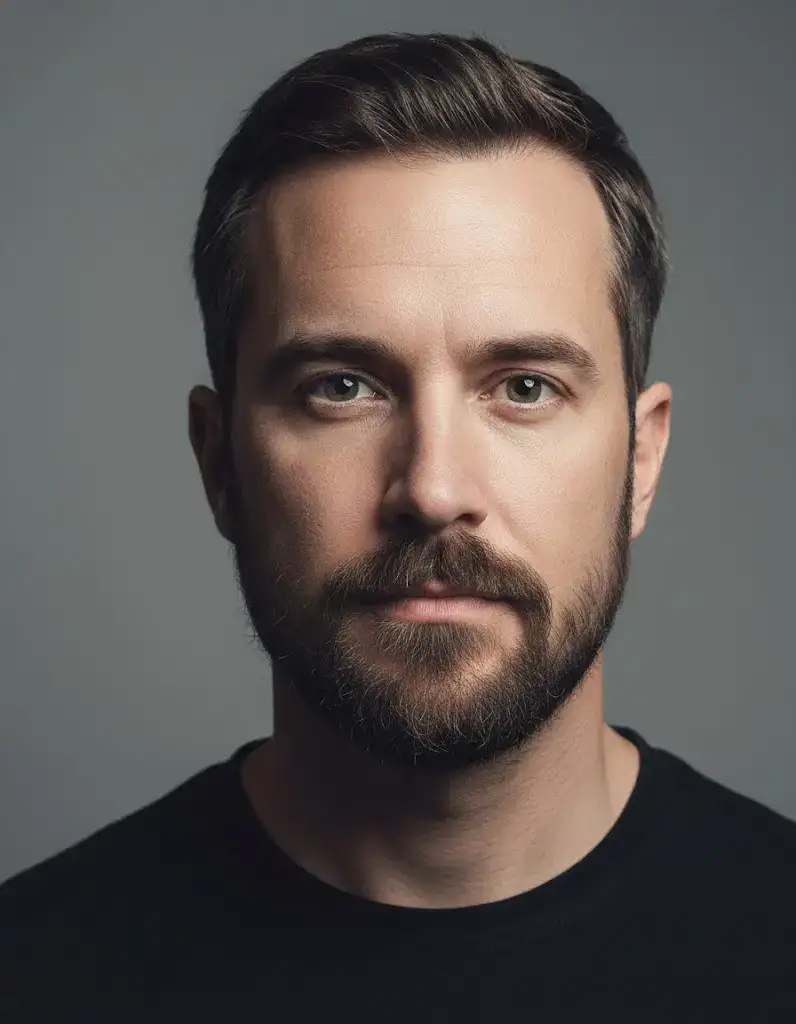
What Are the Medium Beard Styles for Boys?
Medium beard styles offer more volume and coverage than short styles, while still being manageable and well-defined. These beards allow for creative shaping and work well for men who want a mature, masculine look without the commitment of a full beard.
Hollywoodian
The Hollywoodian is a medium-length beard with clean cheeks and strong jawline definition. It does not include sideburns, focusing attention on the lower half of the face. Its sharp lower border and trimmed cheeks make it ideal for highlighting bone structure. It’s worn by actors and celebrities.
This style helps build a refined image. Men who wear it report feeling more confident in formal and social settings. The Hollywoodian is rated as attractive for its clean yet masculine balance. It tends to appeal most to adults aged 25–40 who want facial hair without the bulk.
Achieving a hollywoodian beard style is possible with a transplant. Transplanted grafts are used to enhance jawline density while keeping cheeks clean. It’s moderately popular in beard transplant clinics, mostly requested by young professionals who want style without heaviness.
Boxed Beard
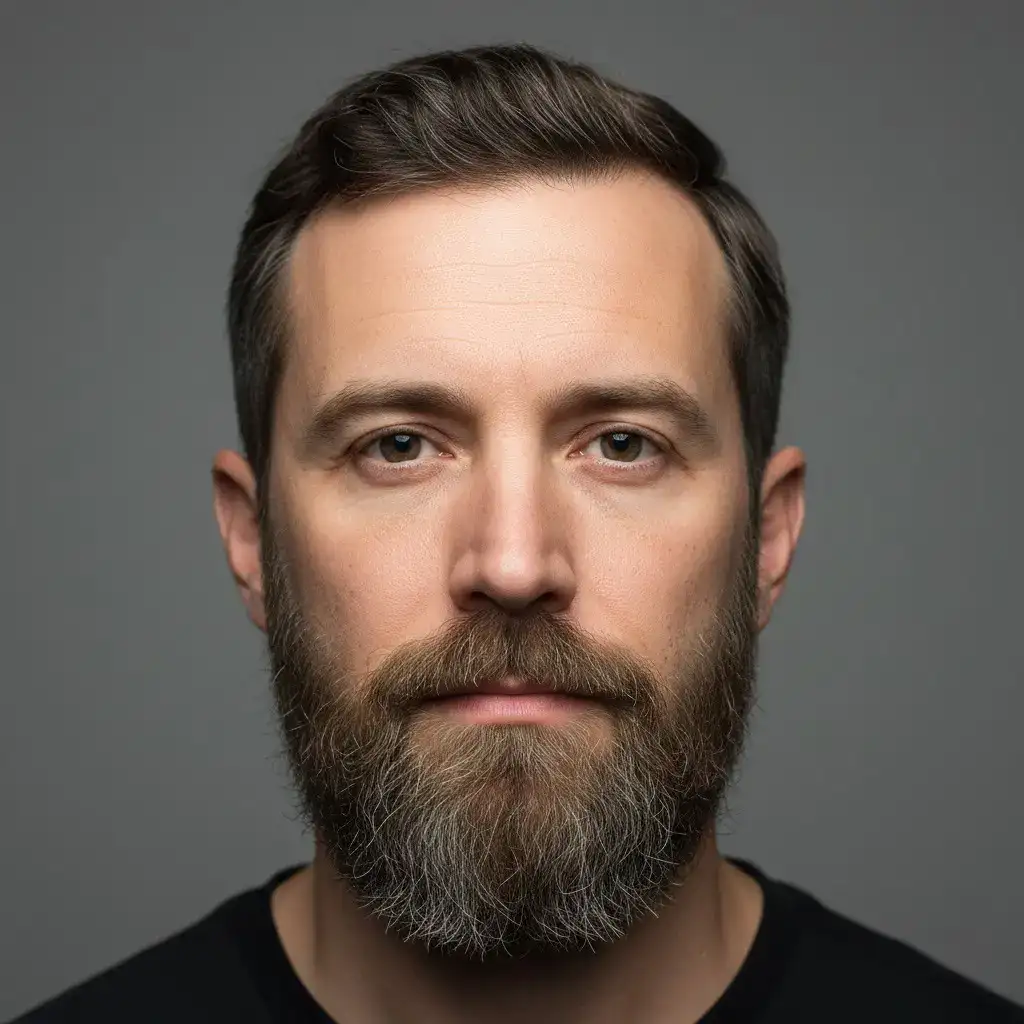
The Boxed Beard is a neatly trimmed medium beard with a square outline. It balances volume with clean edges and suits a wide range of face shapes. It frames the lower face and is structured to look symmetrical, with visible borders on cheeks and neck.
Men who choose this style say it gives them control and balance. It’s common among those who want a clean look but not something overly minimalist. The boxed beard is considered attractive for its precision and style. It’s most popular among men aged 28–45 in both formal and casual environments.
The boxed beard is built through hair transplantation for the ones that do not have enough beard. Density is adjusted to shape corners and enhance the boxed appearance. It’s one of the top choices for medium-length transplant goals, especially for men with uneven growth patterns along the jawline.
Anchor Beard
The Anchor Beard combines a pointed chin beard with a well-defined mustache, shaped like a ship’s anchor. It avoids sideburns and focuses on chin and lip areas. Its unique shape draws attention to the mouth and jaw. The clean lines offer sharp contrast.
Men who wear the anchor beard say it gives them a distinguished or bold look. It’s seen as a non-traditional, creative style. While not mainstream, the anchor beard is appealing for artistic and expressive personalities. It’s most popular among men aged 30–50.
Creating anchor beard styles is possible by using beard transplants. The procedure focuses on lower lip and chin regions with precise shaping. Transplants for the anchor beard are relatively niche, requested by clients with low chin density who want a styled beard layout.
Ducktail
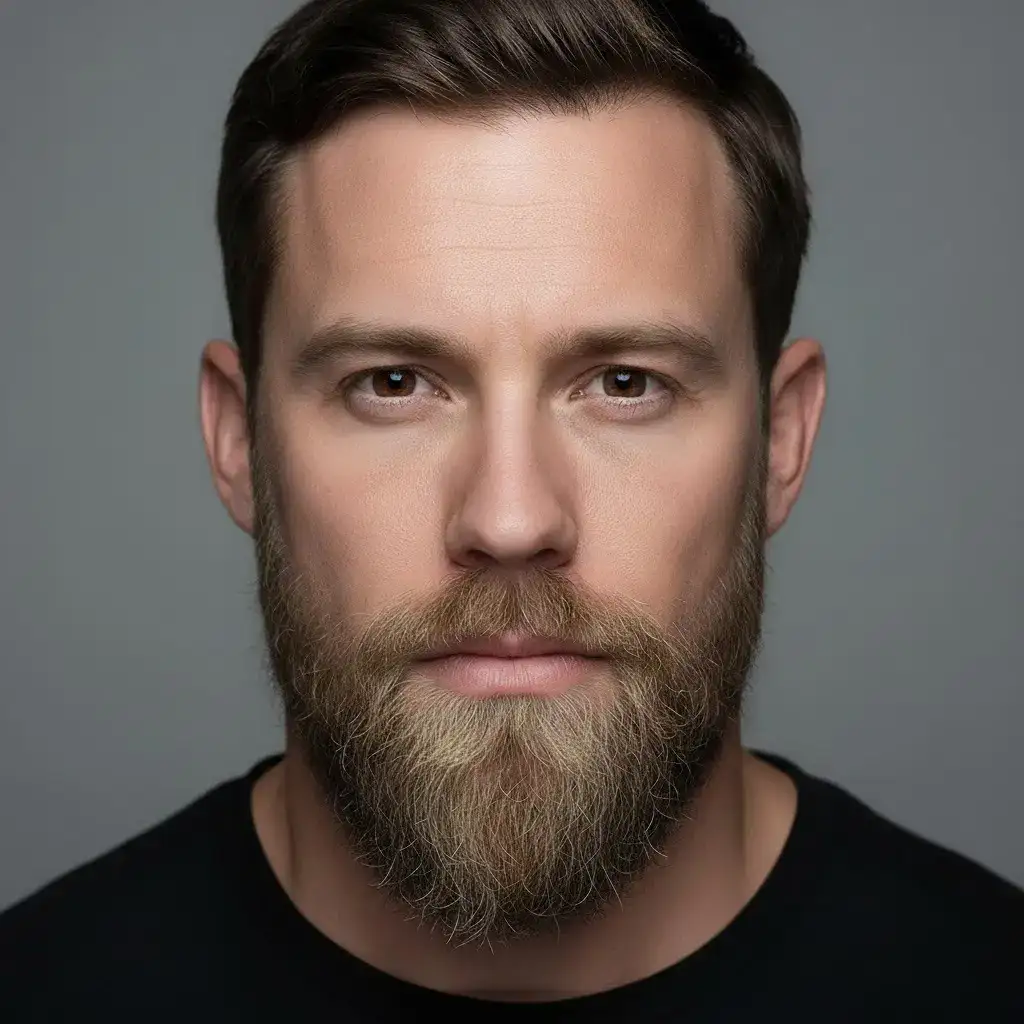
The Ducktail style starts with a full beard on the cheeks and narrows into a point at the chin, resembling a duck’s tail. It gives the face a more elongated, structured look. It’s ideal for round or square faces.
Men say it improves their jawline definition and adds sophistication. It’s a beard with presence. It is rated as one of the most attractive medium beard styles. It’s most admired by men aged 30–45 for its refined shape.
A Ducktail beard style is highly achievable via transplant. The taper is crafted through controlled graft placement at the chin. It’s frequently requested in transplant clinics by men seeking a balanced yet defined beard shape.
Verdi
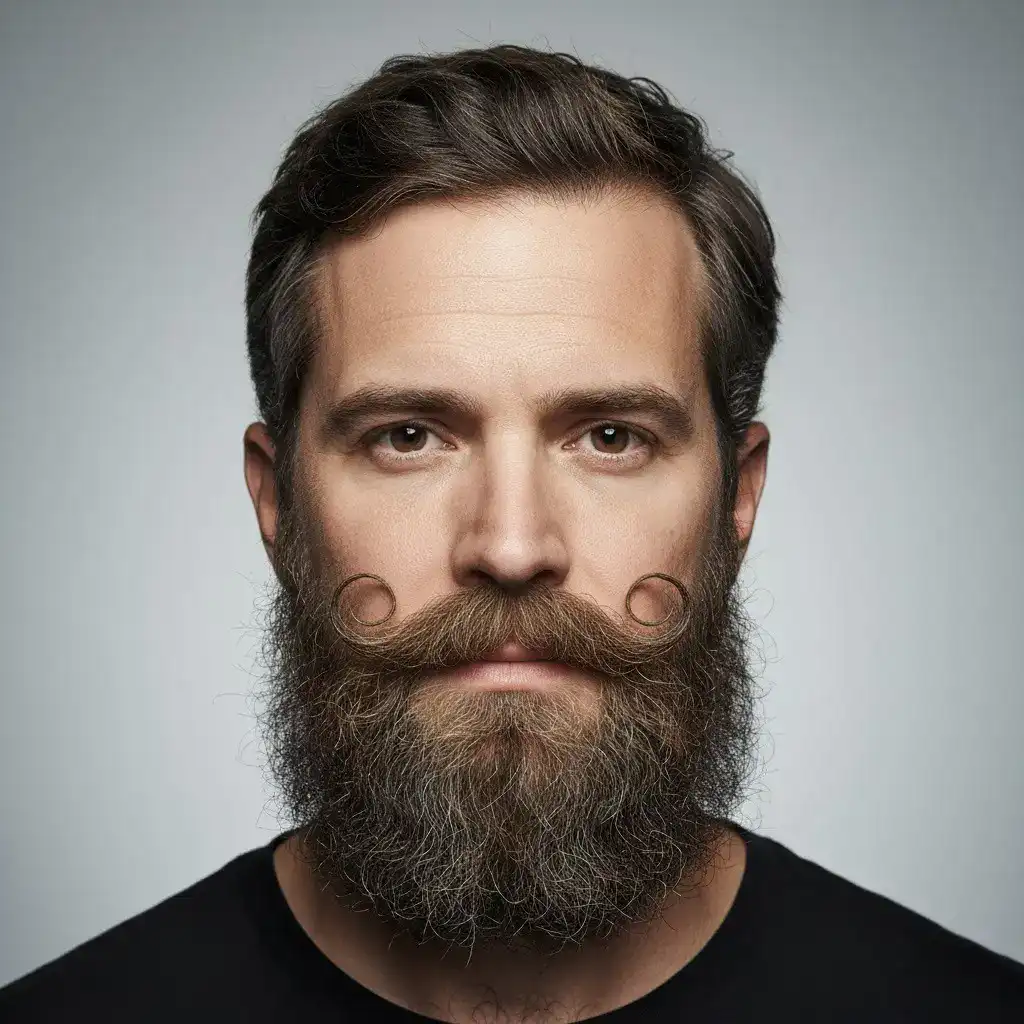
The Verdi beard blends a medium full beard with a styled mustache, curled or pointed. It’s inspired by the 19th-century composer Giuseppe Verdi. It has a rounded shape on the jawline and a standout mustache that’s sometimes waxed.
This style gives off a classic, romantic vibe. Many men say it helps them feel more refined or expressive. The Verdi beard is viewed as sophisticated and charismatic. It attracts those aged 35–55 who value vintage or artistic fashion.
A Verdi beard style is easy to be designed through beard transplantation. Mustache density and lower face hair are strategically restored. It is a selective choice in transplants, preferred by men with artistic or vintage style preferences.
What Are the Long Beard Styles for Male?
Long beard styles are bold, statement-making, and associated with strength and maturity. They require time, patience, and proper grooming. These styles offer maximum coverage and allow for creative shaping, especially for men who prefer a more rugged or authoritative appearance.
Full Beard
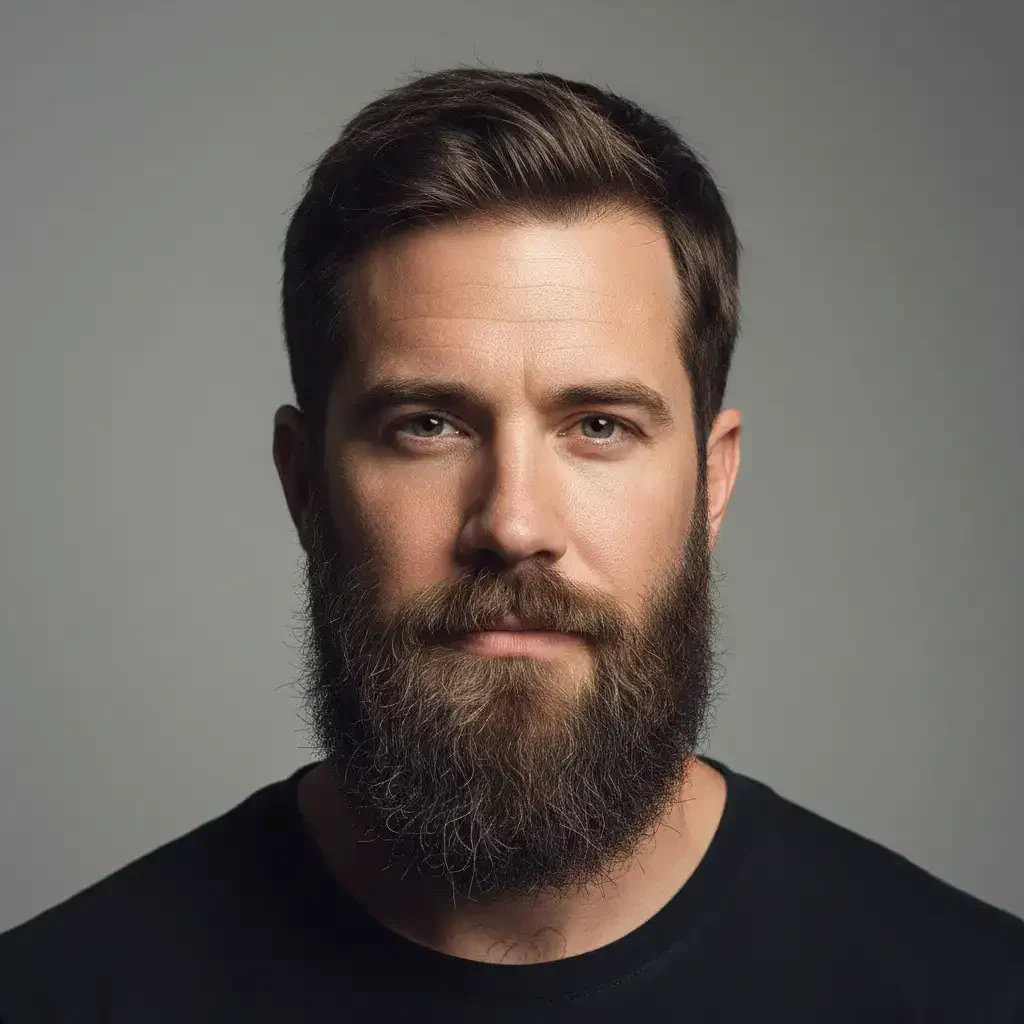
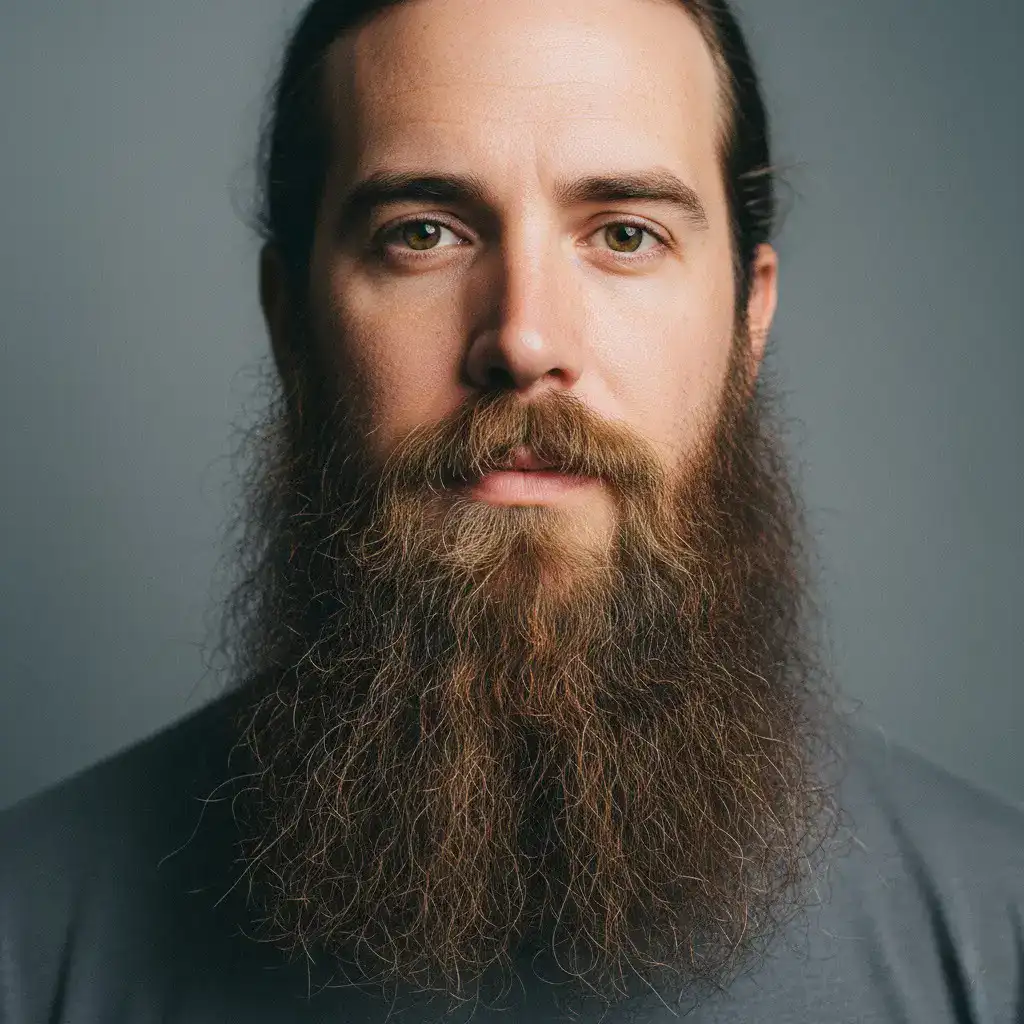
The full beard covers the cheeks, jawline, chin, and upper lip with dense, unbroken hair growth. It’s one of the most classic and complete beard styles. It suits almost all face shapes and offers a timeless masculine look.
Men say it boosts their self-image by adding dominance and maturity. It offers natural contouring to the lower face. The full beard is consistently seen as attractive, especially in cultures where facial hair is linked to strength and wisdom. It performs well in age ranges between 30–55.
Full beards are achievable with hair transplants. Transplants help fill patchy areas or connect sparse zones on the cheeks and jaw. It’s one of the most common requests in beard restoration, especially among adults with incomplete growth due to genetics or past hair loss.
Yeard
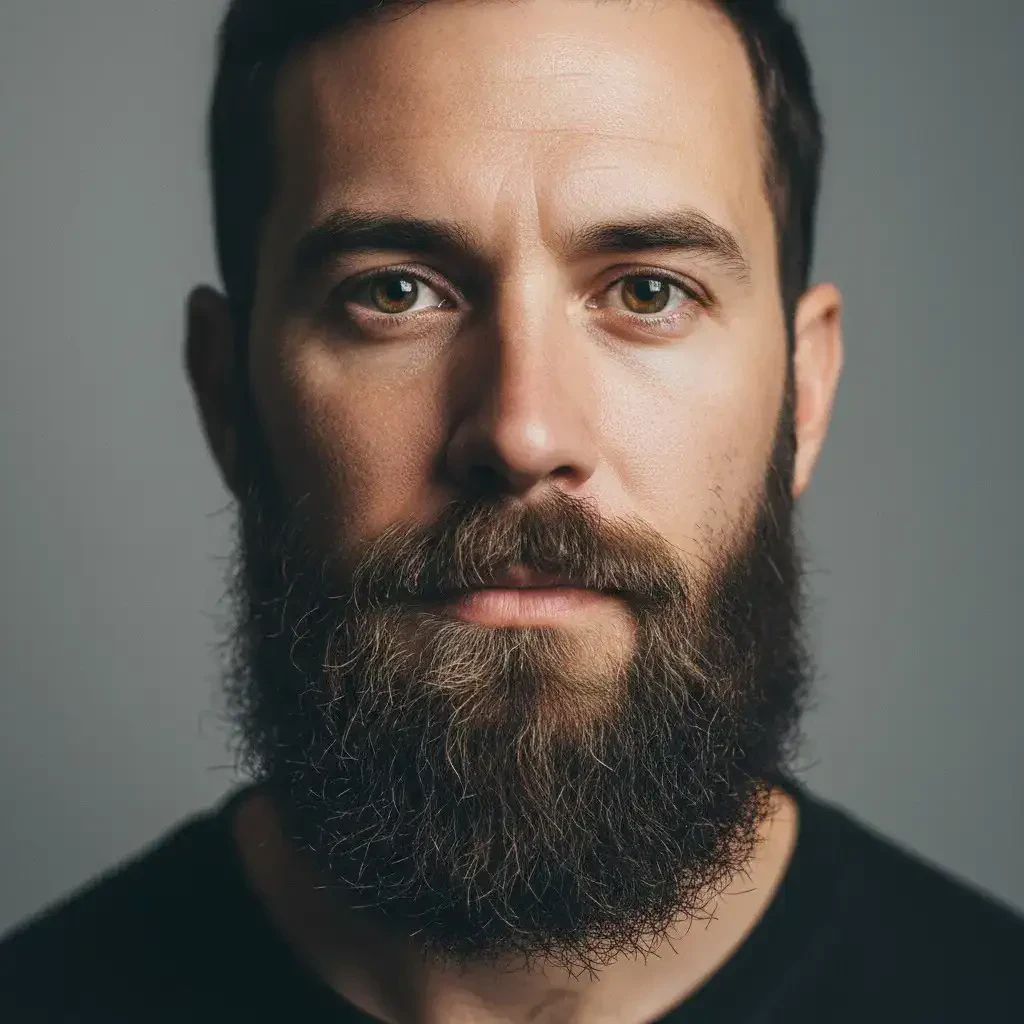
A Yeard style is a full beard grown for one year without significant trimming or shaping. It shows the natural growth pattern and density of your beard over time. It’s organic and raw, with minimal intervention.
Growing a Yeard beard style becomes a personal challenge. Many men say it boosts self-discipline and brings a unique sense of identity. Though not always rated highest in mainstream attractiveness, it’s admired in subcultures that value natural growth and commitment. Most common among men aged 25–40 who enjoy authenticity.
Yeard style is enhanced through a beard transplant, particularly if natural growth is uneven. Follicles are added to improve density while still keeping the wild look. Transplant requests for Yeards are less frequent but increasing, especially among men starting their beard journey from a sparse baseline.
Garibaldi
The Garibaldi is a wide, full beard with a rounded bottom, grown up to 20 cm long. It emphasizes volume and a soft, natural shape rather than sharp lines. Garibaldi beard pairs with a natural mustache.
Men who grow a Garibaldi feel more bold and grounded. It’s seen as a laid-back yet powerful look. This beard style is considered attractive for its full-bodied shape. Garibaldi beard style popular in men aged 30–50 who want a commanding yet unpolished appearance.
The Garibaldi beard style is supported through transplants to increase thickness and evenness, especially on the cheeks and sides. It’s a frequent transplant choice for men with wide jawlines but poor hair density across the face.
Bandholz
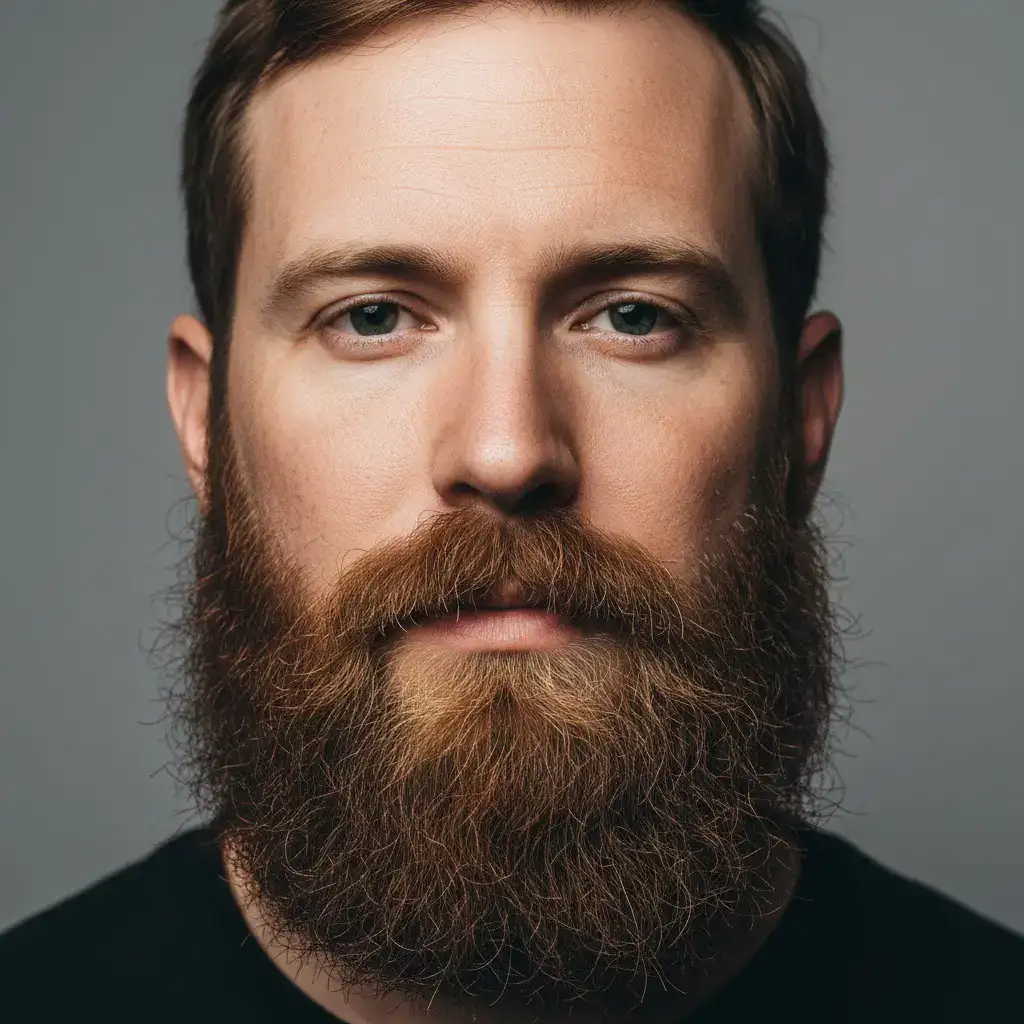
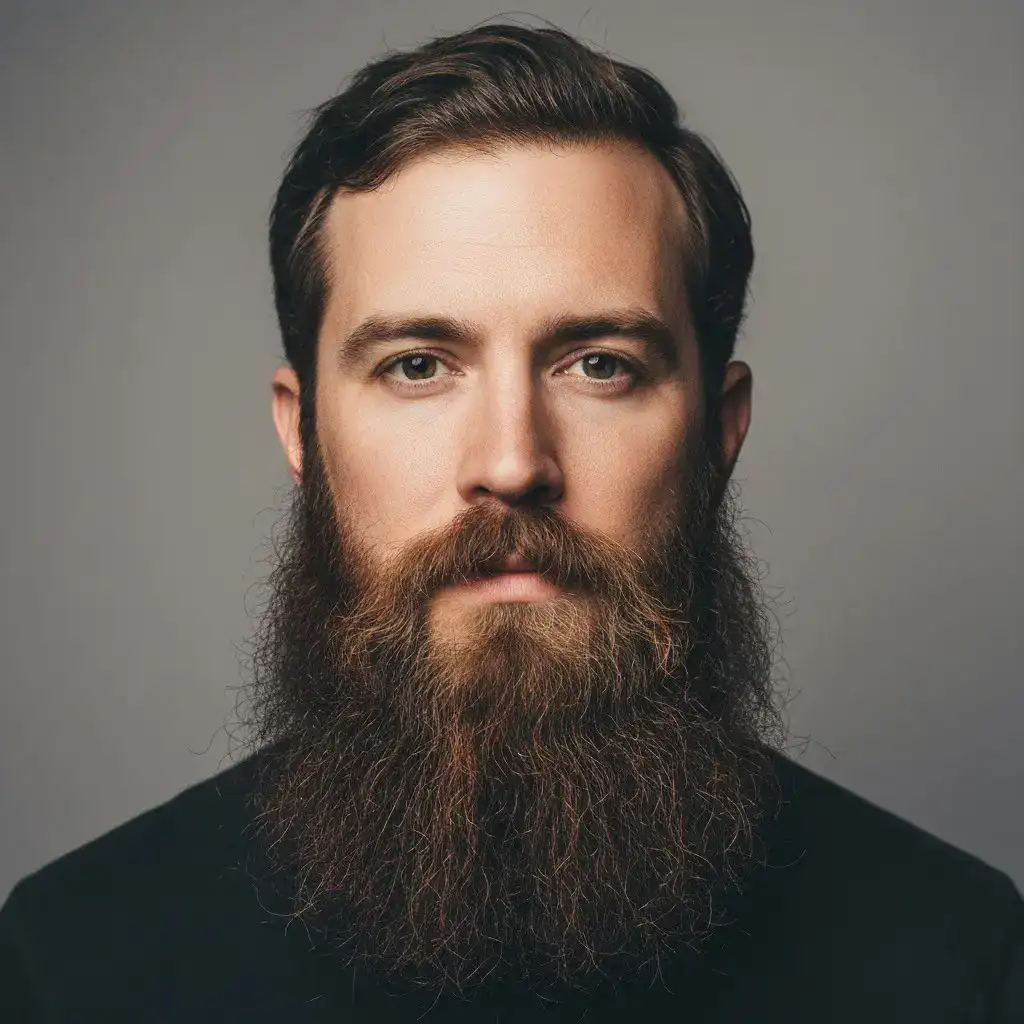
The Bandholz beard is long, thick, and intentionally untrimmed for several months. It grows freely, with an unshaped mustache. It creates a wild, Viking-like appearance and extends well below the chin.
Men say growing a Bandholz gives them an edge, both in personality and confidence. It’s a power beard; unapologetic and full. It is admired for its raw masculinity. It’s especially popular in creative and entrepreneurial circles. Bandholz beard style is best suited for men aged 30–45.
A Bandholz-style beard is achieved through extensive transplant work. Strategic grafting is required to maintain the natural, unrestricted growth pattern. Bandholz is commonly requested by younger adults looking for a dramatic beard transformation or influencers aiming for a standout personal brand.
What Are the Creative/Unique Beard Styles?
Unique beard styles are designed to stand out. These styles reflect personality, creativity, or cultural influence. They’re not for everyone—but that’s exactly the point. Each one offers a distinct shape, history, or vibe that breaks away from mainstream grooming norms.
Mutton Chops
Mutton Chops are thick sideburns that extend down the cheeks and connect with the mustache, leaving the chin bare. The style is bold and vintage. It draws attention to the sides of the face and adds width visually.
Men who wear Mutton Chops say it makes them feel daring, rebellious, or unconventional. It’s seen as attractive within niche groups who appreciate retro or biker culture. Mutton chops appeal more to men aged 35–55.
Mutton chops are achievable through beard transplants. Hair is implanted from the temple down to the jaw, excluding the chin area. Requests are less common but do come from older men or enthusiasts of alternative fashion and subcultures.
French Fork
The French Fork is a long, full beard that splits into two equal forks at the chin. It adds a sculpted look to long beards and works best with symmetrical facial structure. It’s neat but unusual.
Men who choose the French Fork say it enhances their individuality. It gives them a controlled yet artistic image. This style is seen as striking and sophisticated. French fork beard style is the most attractive to creative adults aged 30–50 who want something rare but not wild.
French Fork beard style is possible with a beard transplant. Hair density and growth direction shaped to encourage the two-part division. It’s uncommon but achievable—requested by men familiar with fantasy culture or cosplay communities.
Dutch Beard
The Dutch Beard is a wide, full beard that omits the mustache. It extends from sideburns and covers the chin, cheeks, and jaw. It gives a bold, heavy appearance. The lack of a mustache draws more focus to the beard’s width.
Men wearing Dutch beards say it makes them feel solid and grounded. It has historic roots in farming and European culture. It’s a strong visual style, more attractive among older adults or men with historical or cultural leanings. Dutch beard style’s age group is between 40–60+.
Dutch Beard shape is constructed with beard transplantation. The upper lip is intentionally left untouched, while the cheeks and chin are densely filled. It’s rare in transplant requests but sometimes chosen by men who want a historic or traditional facial look.
Braided Beard
The Braided Beard style features long facial hair gathered into one or more braids. It’s functional and ornamental, usually requiring length and patience. Some men add beads or accessories to their braided beard.
Men who wear braided beards say it’s empowering. It aligns with warrior aesthetics or cultural heritage. It is seen as visually intense and symbolic. It’s attractive to people who value boldness or tradition. Most popular among men aged 30–55.
Braided beard style is possible with a hair transplant, but only if the goal is long-term length. Transplants ensure uniform growth for braiding. While rare, it’s sometimes requested by men inspired by Norse, Viking, or tribal cultures.
What Are the Most Common Beard Styles?
Common beard styles are widely recognized, easy to maintain, and suit a broad range of face shapes. These styles are chosen by men who want to look well-groomed and the best beard without spending too much time on upkeep.
- Stubble: Consistently ranked the most attractive and most worn beard style worldwide. Light stubble was rated as the most attractive facial hair by both men and women. Among 2000 adults, 55% considered stubble to be the most attractive facial hair style, significantly ahead of short beards (24%) and hipster beards (8%) according to the survey called “Wilkinson Sword Facial Hair Perception”, reported by The Sun UK, May 2024.
- Goatee: A staple for men who prefer minimalist grooming and a sharp chin focus. Only 7% of respondents found goatees attractive, suggesting it appeals to a more niche audience .
- Full Beard: A classic choice for men with strong facial hair growth, especially popular among men aged 30–50.
- Boxed Beard: Offers the structure of a full beard with cleaner lines and less volume.
- Van Dyke: Combines style with simplicity and has remained in fashion across decades.
These styles dominate both workplace-appropriate and casual environments. Their popularity is driven by their adaptability, minimal grooming needs, and wide acceptance.
What Are the Rare Types of Beard Styles?
Rare beard styles are unique, unconventional, and require specific facial hair growth patterns or grooming effort. They’re less seen in public but are favored within niche subcultures or personal style choices.
- Imperial Beard: Features curled mustaches and dramatic cheek lines, rarely seen outside historic or vintage events today. This style was popular in France during the period of the Second Empire, where it got the name “Imperial,” instead of the former “Royale.”
- Zappa Beard: Named after musician Frank Zappa, this style features a thick mustache with a patch under the lower lip. It gained popularity in the 1970s and remains relevant for those who appreciate a unique appearance. Estimated to be worn by fewer than 1% of men globally, seen within music or artistic communities according to Morphological Classification of Beard Hair in Men published in Hair Transplant Forum International September 2024
- Shenandoah Beard: A full beard with no mustache, associated with Amish or religious communities. Around 31% of Amish adult men reportedly adopt the Shenandoah style (Journal of Amish Studies, 2021).
- Chin Curtain: Covers the jawline without the upper lip, hard to grow for many men. Popularity peaked during the 19th century (particularly in the Abraham Lincoln era), with modern usage limited and rare outside historical recreations (GQ Grooming Survey, 2022).
- Verdi: Though sometimes considered medium-common, its curled mustache and shaping make it rare in daily use. Only around 4–6% of men who have facial hair styles select a Verdi beard, as maintenance involves daily grooming.
These styles are rarely seen in day-to-day grooming trends, due to either cultural specificity or high grooming effort.
What Are the Most Iconic Types of Beard Styles?
Iconic beard styles are culturally symbolic, historically significant, or strongly associated with public figures. They’re instantly recognizable and have stood the test of time in grooming trends.
- Full Beard: The definitive masculine beard across cultures, seen in figures like Abraham Lincoln and modern influencers alike. A full beard is the most popular beard style, chosen by approximately 47% of men globally who have facial hair according to “The role of facial hair in women’s perceptions of men’s attractiveness, health, masculinity, and parenting abilities” (Dixson & Brooks, Evolution and Human Behavior, 2013)
- Goatee: Worn by artists, rock stars, and professionals—instantly adds definition to the chin. Goatee beard style is worn by 18–20% of men who maintain facial hair, ranking among the top three beard styles worldwide according to Facial Hair and Socio-cultural Perceptions of Personality Traits” (Roberts et al., Personality and Individual Differences, 2020)
- Handlebar Mustache with Beard: Recognized in vintage fashion and among barbershop culture. There has been a 27% growth in interest for handlebar mustaches combined with beards between 2019 and 2023 according to Cultural Trends in Male Grooming Practices” (McNeill & Douglas, Journal of Cultural Studies, 2019)
- Bandholz Beard: Made famous by Eric Bandholz (Beardbrand), representing entrepreneurial masculinity. The Bandholz beard, popularized by entrepreneur Eric Bandholz, accounts for approximately 7% of beards worn by men under 40 who follow grooming influencers and communities (Beardbrand Grooming Survey, 2022).
- Mutton Chops: Associated with military icons, biker culture, and American Civil War history. Only about 4–5% of men who wear facial hair today opt for mutton chops, although it’s highly recognizable due to historical significance (GQ Grooming Report, 2022).
These styles represent status, culture, and personality. Their legacy keeps them relevant even when trends change.
How to Choose the Best Beard Style to Use
Choosing the best beard style depends on hair type, beard growth pattern, and face shape. Facial hair should complement your hairstyle, highlighting your best features. Curly hair goes well with fuller beard styles, while shorter hairstyles look better with trimmed, neat beards. Face shape is equally important. A round face usually benefits from a beard style that adds length, such as a goatee, while angular faces pair well with fuller, softer beard styles.
What Are the Best Beard Styles According to the Hair Style?
The right beard style paired with your hairstyle improves your overall appearance. It helps maintain a balanced and intentional look. Below are suitable beard styles according to specific hairstyles for men.
- Short Hair + Stubble Beard: Short hair pairs best with a stubble beard. This style maintains a neat appearance and complements short hairstyles without overshadowing them. 37% of men with short hair prefer a stubble beard due to its simplicity and low-maintenance requirements according to Wahl Global Men’s Grooming Trends Report 2023.
- Long Hair + Bandholz Beard: Long hair is best matched with a Bandholz beard.
The fullness of a Bandholz beard balances longer hairstyles and creates a cohesive appearance. 41% of men with long hair choose a Bandholz beard style to emphasize their rugged, relaxed personality. - Buzz Cut + Full Beard: A buzz cut works well with a full beard, creating a strong contrast that adds character and masculinity. It highlights facial features while maintaining a clean, modern look. 32% of men with buzz cuts opt for a full beard to add visual structure and balance to their face according to the American Barber Association (2024).
- Fade Haircut + Boxed Beard: A fade haircut pairs seamlessly with a boxed beard, providing a sharp and structured appearance. The clean lines of the fade complement the defined edges of a boxed beard. This style is popular among men aged 28–45 who prefer a polished yet masculine look, and it transitions well from casual to professional environments.
- Curly Hair + Goatee: Curly hair pair effectively with a goatee, offering a defined focal point on the face without competing with the volume of curls. This combination suits men who prefer a minimalist beard style while maintaining a distinctive appearance. It is commonly chosen by men seeking a clean look that aligns with their personal style without requiring extensive grooming.
What Are the Best Beard Styles According to the Moustache Style?
Matching your beard with your moustache shape improves your facial balance and style consistency according to Facial Hair Styles and Their Impact on Perceived Masculinity and Attractiveness (Journal of Cosmetic Dermatology, 2023). The right combination strengthens your look and supports grooming ease.
- Chevron Moustache + Boxed Beard: A thick Chevron moustache pairs well with a medium-length boxed beard. This combination keeps your face structured while allowing the moustache to stand out. It’s popular among men aged 30–45 who want a masculine, balanced appearance. Transplants enhance moustache density for this look, particularly when natural growth is sparse.
- Handlebar Moustache + Verdi Beard: The curled handlebar moustache styles complement the Verdi beard’s medium length. This style creates a vintage yet artistic appearance, popular among men who appreciate classic grooming. It fits oval and angular faces well and is often chosen by men in artistic professions.
- Pencil Moustache + Goatee: A pencil moustache suits a goatee style, giving a clean, defined look. It’s easy to maintain and is often preferred by men who want minimal but distinct facial hair. This combination suits narrow or oval faces and is achievable through targeted transplants for men with thin upper lip hair.
- Horseshoe Moustache + Full Beard: A horseshoe moustache, extending down the sides of the mouth, pairs well with a full beard for a bold and rugged appearance. It suits men with square or rectangular faces and is popular among those seeking a strong, assertive image.
- Walrus Moustache + Garibaldi Beard: A thick walrus moustache complements the Garibaldi’s full, rounded beard. This combination provides a commanding presence and suits men who want a mature, confident style.
What Are the Best Beard Styles for Bald Men?
Beard styles for bald men add structure, contrast, and character to the face, balancing the absence of hair on the scalp.
- Full Beard for Bald Men: A full beard creates a strong contrast with a bald head, adding presence and masculinity. It is the most chosen beard style among bald men, providing a timeless, classic look that suits various face shapes.
- Goatee for Bald Men: A goatee adds focus to the chin and can elongate the face, which is especially useful for rounder face shapes. It’s a lower-maintenance option for bald men who prefer minimal facial hair while maintaining style.
- Stubble for Bald Men: Stubble is a practical choice, providing a rugged edge without the maintenance of a full beard. It enhances jawline definition and is popular among men aged 30–50 who want a simple but masculine appearance.
- Van Dyke for Bald Men: The Van Dyke beard, with its pointed chin beard and detached moustache, offers a stylish and artistic look for bald men. It creates sharp lines that balance a smooth scalp.
- Anchor Beard for Bald Men: An anchor beard can add structure and definition to a bald head, drawing attention to the chin and jawline. This style is often selected by men seeking a distinctive but controlled look.
Can bald men get a beard with a transplant?
Yes. Baldness on the scalp does not prevent beard hair growth or transplantation. Beard hair comes from donor areas on the body, typically the back of the scalp, where hair retains growth capability despite scalp baldness (Bernstein & Rassman, Hair Transplant Forum International, 2023). It is possible to achieve full or styled beard designs even if a man is bald, using advanced FUE or DHI hair transplant techniques.
Which Beard Transplant Techniques are Best for Various Beard Styles?
Different beard styles require different transplant approaches for density, shape, and direction. Understanding which method fits your desired style helps you achieve a natural look with optimal graft survival.
- FUE (Follicular Unit Extraction): Best for creating natural density across large areas (full beard, Garibaldi). Allows precise placement while minimizing scarring, suitable for men with large beard area goals. FUE beard transplants achieve a graft survival rate of 85–90% with 92% patient satisfaction for natural density in large beard areas according to the study “Follicular Unit Extraction for Facial Hair Restoration: Efficacy and Outcomes” published in Aesthetic Plastic Surgery (2023).
- DHI (Direct Hair Implantation): Best for sharp outlines and artistic styles (Van Dyke, Goatee, Anchor). Provides precise control of angle and direction, making it ideal for styles requiring sharp shaping. 98% directional accuracy and 89% patient satisfaction are reported by “Direct Hair Implantation in Beard Transplantation: A Comparative Clinical Analysis” published in Dermatologic Surgery (2022) confirming its suitability for precision-demanding styles.
- Combination Techniques: Used for complex styles like Verdi or Bandholz, ensuring high density in some areas while tapering in others. Allows layered beard creation when multiple style elements are desired. 21% of beard transplants now use combined methods to achieve layered and custom density goals in advanced style shaping according to the “2023 ISHRS Practice Census” by the International Society of Hair Restoration Surgery.
- PRP-Assisted Transplants: Using Platelet-Rich Plasma during transplant increases graft survival rates by 15–18% (National Library of Medicine, 2023) and promotes faster healing. PRP increases graft survival rates by 15–18% and promotes thicker regrowth in beard transplantation according to “Role of Platelet-Rich Plasma in Hair Transplantation: A Meta-Analysis” published by the National Library of Medicine (2023).
Transplant method choice directly affects the final beard style’s density, growth direction, and natural appearance. Consultation with an experienced surgeon ensures the correct hair transplant techniques are applied for your style goals.
How Long Does It Take to See the Result of Beard Hair Transplant?
Beard hair transplant results follow a predictable timeline. In the first 0–2 weeks, the transplanted areas look red and swollen, and scabs form and fall off naturally. Between 2–6 weeks, the transplanted hairs typically shed as the follicles enter a resting phase, which is normal and temporary. By 3–4 months, new hairs begin to grow, appearing fine at first. At 6–9 months, noticeable beard density and structure develop, with most men seeing 60–70% of the final result during this period.
Full results, including complete density, natural blending, and shape stabilization, are typically achieved at 12–14 months after the procedure. Factors like age, lifestyle, and post-transplant care can influence the speed of this process. 92% of patients reported satisfactory beard density by the 12-month mark according to “Outcome Analysis of Beard Hair Transplantation Using Follicular Unit Extraction Technique” published in the Journal of Cutaneous and Aesthetic Surgery (2023).
What Are the Best Beard Styles for Men Based on Face Shape?
Some beard styles are chosen based on face shape to improve facial balance and appearance. Some styles add length, while others add width or define the jawline, depending on what suits your structure. Round, square, oval, and triangle face shapes each match best with specific beard styles, helping men achieve a sharper and more confident appearance.
Is There a Universal Beard Style for All Face Shapes?
No, there is no universal beard style that fits all face shapes. Each face shape benefits from different beard styles to enhance proportions and highlight facial features.
What Are the Best Beard Styles for a Round Face Shape?
Some beard styles help add length and reduce roundness for a balanced look. The goal is to create vertical lines and structure to slim the face visually.
- Goatee: Adds length to the chin and draws focus downward, helping the face appear longer.
- Van Dyke: Creates a pointed chin shape with a detached mustache, adding vertical definition.
- Ducktail: Tapers to a point below the chin, reducing facial width and adding a structured lower face.
Beard styles with pointed or tapered shapes reduce perceived facial roundness by 19% during visual assessments according to “Facial Hair and Perceived Facial Shape Modification” published in the Journal of Cosmetic Dermatology (2023).
What Are the Best Beard Styles for a Round Face Shape?
Beard styles for round faces should add length and reduce width for a balanced look.
- Goatee: Adds chin length and draws the face downward (Facial Hair and Perceived Facial Shape Modification” – Journal of Cosmetic Dermatology, 2023.)
- Van Dyke: Creates a pointed lower face with clear lines.
- Ducktail: Narrows the lower face with a tapered finish.
These styles suit round faces by adding vertical definition and reducing the soft, wide appearance.
What Are the Best Beard Styles for a Square Face Shape?
Beard styles for square faces should soften the jawline while maintaining structure.
- Circle Beard: Softens edges while keeping definition.
- Boxed Beard: Provides shape control with structured lines. (“Impact of Beard Styles on Facial Perception in Males” – Facial Plastic Surgery & Aesthetic Medicine, 2022.)
- Full Beard: Balances wide jawlines with even coverage.
These styles suit square faces by adding shape while reducing overly sharp angles.
What Are the Best Beard Styles for an Oval Face Shape?
Oval faces are versatile and suit most beard styles while maintaining balance.
- Stubble: Adds subtle definition without bulk.
- Full Beard: Preserves proportional balance.
- Balbo Beard: Creates structure while keeping natural harmony. (“Facial Hair Effects on Aesthetic Balance in Men” – Aesthetic Surgery Journal, 2023.)
These styles suit oval faces by enhancing features without disrupting proportions.
What Are the Best Beard Styles for a Triangle Face Shape?
Beard styles for triangle faces should balance a wider jaw with a narrower forehead.
- Chin Strap with Mustache: Visually reduces jaw width.
- Goatee with Light Cheeks: Adds chin focus while softening the jaw area.
- Light Stubble: Keeps definition without heaviness. (“Facial Hair Distribution and Facial Proportion Perception” – Dermatologic Surgery, 2023.)
These styles suit triangle faces by balancing proportions and reducing jaw emphasis.