

Alcohol Hair Loss is brought on by excessive alcohol consumption. Hair loss due to alcohol results in damage to hair follicles, which prevents the absorption of nutrients (iron, zinc, copper, and protein). The questions “Can alcohol cause hair loss?” and “Can drinking cause hair loss?” are asked by patients who experience baldness and by alcoholic individuals to identify if hair loss and alcohol are associated with each other. Alcohol doesn’t directly harm hair follicles, but heavy drinking impairs nutrient absorption, producing deficits that result in telogen effluvium and impair hair growth, a shedding phase. It disrupts the thyroid and hormones, contributing to thinning. Severe alcoholism causes noticeable hair loss. Drinking too much alcohol increases or induces hair loss, leading to thinning resembling temple balding. Alcohol triggers stress, dehydration, nutritional loss, and smoking, which hasten hair loss.
Hair loss induced by alcohol use is an indirect result of health problems caused by excessive consumption rather than a direct consequence of drinking. Nutrient shortages, dehydration, hormonal imbalances, and higher stress levels are examples of difficulties damaging the hair follicle health and disrupting the natural hair growth cycle caused by alcohol hair loss. Alcohol consumption in moderation is not tied to hair loss, but excessive or long-term drinking sets off a chain of events that weaken hair vitality and cause thinning or shedding. Hair loss alcohol occurs as a result of heavy, long-term alcohol use rather than from occasional drinking. The effects of alcohol and hair loss are indirect, resulting from alcohol addiction, which causes dietary deficiencies, dehydration, hormone abnormalities, and stress.
Alcoholism hair loss cases happen to men aged from 40 to 69 years old (31% to 53%), according to a study, “Androgenetic alopecia in men aged 40-69 years: prevalence and risk factors” by G Severi et al., dated 2003. Regular heavy drinking weakens hair strands, slows down growth, and leads to visible thinning, and it happens to drinkers who possess a genetic predisposition to hair loss. Alcohol-related hair loss is reversible with adequate hair care, a better diet, and less alcohol consumption.
How Does Alcohol Cause Hair Loss?
Alcohol causes hair loss by obstructing the body’s internal systems. Chronic or excessive alcohol use leads to hormonal imbalances, dehydration, and nutritional deficits, which are critical for promoting good hair development. Alcohol reduces the absorption and storage of key nutrients (iron, zinc, protein, and vitamin B-complex), which are required to nourish hair follicles and support the growth phase of the hair cycle. A lack of essential nutrients weakens the hair shaft, increasing the chance that hair breaks and falls out.
Alcohol serves as a diuretic, increasing fluid loss and causing dehydration. Dehydration causes the scalp to become dry and fails to nourish healthy follicles, which leads to brittle and thinning hair. Long-term alcohol consumption throws off the body’s hormonal equilibrium, affecting cortisol, estrogen, and testosterone concentrations. Telogen effluvium is a disorder that causes abrupt and severe hair loss, resulting from hormonal changes that interfere with the hair development cycle and drive additional hair follicles into the telogen (resting and shedding) phase. Alcohol has an immediate adverse effect on hair follicles by obstructing blood flow and oxygen delivery, which impairs follicle health and hinders the growth of thick, strong hair strands. Alcoholic hair loss is seen in patients diagnosed with Alcohol Use Disorder (AUD) or heavy, habitual drinkers over an extended period. Excessive drinking leads to oxidative stress, which worsens inflammation and harms the scalp and hair follicles, resulting in alcohol hair loss.
How Common Is Hair Loss Alcohol Consumption?
Hair Loss alcohol consumption is common among adults who drink too much. Hair loss from alcohol intake is not a direct result of drinking but instead an indirect effect produced by health difficulties from excessive consumption, which compromise hair follicle health and the natural hair growth cycle. Excessive or long-term alcohol consumption increases the risk of pattern hair thinning in adults in their 30s to 50s, although moderate drinking does not cause noticeable hair loss. The effect appears to be comparable for men and women, and there is little evidence of a strong connection between young people and the elderly. Androgenic Alopecia (AGA) is associated with alcohol consumption. It was discovered that drinkers had 1.4 times the odds of AGA compared to non-drinkers, but a great deal of uncertainty, according to “Exploring the association between alcohol consumption and Androgenic Alopecia: A Systematic Review and meta-analysis” by Won Jing Yang, Yun Hak Kim, et al., dated 2024.
How Does Alcohol Dehydration Affect Scalp and Hair?
Alcohol dehydration affects the scalp and hair by making it dry, flaky, and sensitive to irritation.
Alcohol-induced dehydration affects the health of the scalp and hair directly and visibly. Alcohol is a diuretic, which causes increased fluid loss from the body, resulting in total dehydration, according to the article “Alcohol hangover versus dehydration revisited: The effect of drinking water to prevent or alleviate the alcohol hangover” by Marlou Mackus et al., dated 2024. A dry scalp inhibits healthy hair growth and causes irritation and inflammation, which destroys hair follicles. The hair strands suffer, too, becoming fragile, brittle, and more prone to break or shed early when the scalp is dehydrated. Consistent dehydration caused by severe alcohol intake contributes to greater hair thinning and loss when it is combined with inadequate nutrition, which is familiar to individuals who drink too much.
Can hair loss from dehydration be reversed? Yes, hair loss from dehydration can be reversed. Dehydration-induced hair loss is curable with prompt treatment. Utilizing scalp-moisturizing treatments, cutting back on alcohol consumption, and rehydrating the body help restore the scalp’s natural equilibrium. Hair regeneration is supported by enhancing general nutrition with foods that emphasize water and vital vitamins (vitamin E and biotin). Dermatologists recommend topical medications (minoxidil) and lifestyle changes for people who are shedding noticeably to hasten healing. Normal hair growth returns when the scalp has regained the right amount of moisture and the hair follicles have recovered from stress.
How Does Alcohol Abuse Contribute to Hair Thinning?
Alcohol abuse contributes to hair thinning by disrupting nutrient absorption and causing dehydration, which affects hair follicle health. Excessive alcohol consumption impairs the body’s ability to break down and absorb essential vitamins and minerals necessary for healthy hair growth, leading to deficiencies. Alcohol acts as a diuretic, causing the body to lose fluids and resulting in dehydration, which dries out hair follicles and makes hair brittle and more prone to thinning and breakage. The body needs a consistent supply of vitamins and minerals (B12, folic acid, iron, zinc, copper, and protein) to support healthy hair growth. Heavy alcohol intake interferes with enzymes responsible for absorbing nutrients and reduces appetite, leading to a lower intake of nutrient-rich foods. It causes nutritional deficiencies that deprive hair follicles, disrupting their normal growth cycle and resulting in thinning and shedding.
A dry scalp, caused by dehydration, disrupts hair growth. Chronic alcohol consumption leads to hormonal imbalances, affecting the thyroid gland, which regulates hormones vital for hair growth. Hypothyroidism and hyperthyroidism, conditions resulting from thyroid issues, are known to cause hair loss and thinning across the scalp. High-stress levels worsened by alcohol addiction trigger telogen effluvium, a temporary condition where hair enters a resting phase too early and falls out in large volumes. Smoking is another factor that directly damages hair follicles and interferes with the hair growth cycle if accompanied by social drinking, according to an article “Alcohol and Hair Loss: What You Need to Know” by Ashley Marcin, 2018.
Can Excessive Alcoholism Cause Permanent Hair Loss?
Yes, excessive alcoholism causes permanent hair loss. Drinking too much alcohol has an adverse effect, but does not directly cause permanent hair loss, according to the article “Alcohol and Hair Loss Are They Connected?” by Dr. Randy Gelow, 2022. The issues involve nutritional deficiencies, hormonal imbalances, increased stress, and dehydration, which harm the hair growth cycle. The common type of hair loss associated with too much alcohol consumption is telogen effluvium. The condition is characterized by a temporary, widespread loss of hair across the scalp. It occurs when a significant stressor, such as severe nutritional deficiency or ongoing alcohol-related stress, is present. Male or female pattern baldness (Androgenetic Alopecia or AGA) is one of the most persistent types of hair loss that is connected to chronic alcoholism.
Can You Experience Hair Loss After Quitting Alcohol?
Yes, you can experience hair loss after quitting alcohol. Quitting alcohol promotes hair growth and thickness as the body begins to mend and rebalance its systems. It is a rare situation in individuals who consume excessive alcohol that experience a delayed onset of hair loss after quitting alcohol, or current hair loss is reversed. The body’s recovery process after continuous alcohol misuse is not quick, as it recovers completely, and nutritional levels and hormonal balances return to normal. The prolonged stress, malnourishment, and dehydration are the factors brought on by alcohol that harm the hair follicles during the recuperation phase, according to the article “Hair before and after quitting alcohol” by Jennifer Houston. The results of hair before and after quitting alcohol show continuous thinning or loss before new, healthy hair is formed.
Which Types of Alcohol Are Most Linked to Hair Loss?
Types of alcohol that are most linked to hair loss are listed below.
- Red and White Wine: Red and white wines contain ethanol, which leads to dehydration and interferes with nutritional absorption if taken in large amounts. Red wine is considered to be less damaging because of its antioxidant content, including resveratrol, which helps lower oxidative stress in the body. Large wine consumption in more than 1 to 2 glasses per day results in nutritional deficits (iron, zinc, and B vitamins), which are essential for strong, healthy hair development. White wine lacks the antioxidant properties of red wine, making it a bit dehydrating and nutrition-depleted when drunk in large quantities.
- Beer: Beer has less Alcohol By Volume (ABV) than spirits but is taken in greater portions. A single drink of spirit is 12 ounces of beer, according to “Alcohol and Hair Loss: What You Need to Know” by Ashley Marcin, dated 2018. Heavy beer consumption causes dehydration, poor nutrient absorption, and increased calorie intake, leading to weight gain and hormone imbalances, which have an indirect impact on hair health. Regular beer consumption reduces B vitamins and zinc, which are necessary to stop hair thinning. Traces of nutrients from barley and hops are present in beer.
- Cocktails: Cocktails blend hard liquors with sugary mixers, making them harmful to hair health when drunk regularly. Inflammation and hormonal abnormalities result from the high alcohol content and carbohydrates, which boost insulin levels. Cocktails include empty calories with minimal nutritional value and lead to dehydration. Drinking cocktails regularly, when combined with poor diet and sleep deprivation, increases oxidative stress and telogen effluvium, or stress-related hair loss.
- Hard Liquors: Hard liquors (whiskey, rum, vodka, and gin) contain the highest concentration of alcohol, with 40% ABV or greater, making them the most dehydrating and nutrient-depleting type of alcohol when consumed in excess. Regular consumption of alcoholic beverages is associated with an electrolyte imbalance, severe dehydration, and vitamin deficiencies (zinc, iron, and protein), which are necessary for healthy hair follicles. Hard liquor intake over an extended period causes liver damage, which further impairs hormone control and nutrient metabolism, two processes essential for hair development.
Which Type of Alcohol Is Least Harmful to Hair Health?
Red Wine is a type of alcohol that is least harmful to hair health. Red wine’s strong antioxidant content makes it a healthier option among alcoholic beverages, and when drunk in moderation, it brings beneficial effects. The presence of polyphenols, potent antioxidants produced during the fermentation process from grape skins and seeds, is what sets red wine apart. Red wine’s polyphenols are considered to protect cells from damage and are associated with a reduced risk of heart disease and cancer, among other illnesses. Indirect support of body functions, including the ones that promote healthy hair, results from the health benefits. The protective qualities of the substances (resveratrol, quercetin, and anthocyanins) provide moderate benefits for heart health and serve as a source of energy for healthy gut flora. Red wine contains ethanol (ethyl and grain alcohol), according to ”Is alcohol bad for your hair?” by Kathleen Davis, 2023.
What Does Hair Look Like Before and After Alcohol Hair loss?
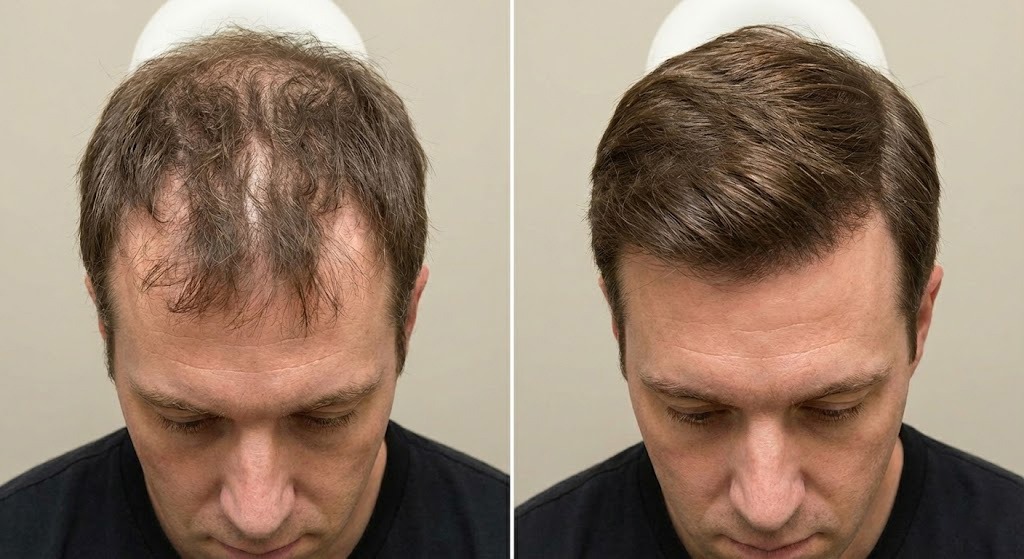
Hair looks thicker, stronger, and healthier before alcohol hair loss, with an appealing shine and minimal breakage. Hair development proceeds according to its regular cycle, with a good deal of strands in the anagen (growth) phase, and the scalp stays well-hydrated. Individuals who had healthy hair before high alcohol drinking rarely experience significant shedding or thinning. The changes are reversed with lifestyle changes, including cutting back on alcohol, eating better, and maintaining a good scalp care regimen if detected early. Long-term alcohol addiction, when mixed with genetic factors, results in permanent hair loss.
Hair after hair loss becomes thinner until total baldness. Long-term or heavy alcohol usage causes noticeable changes in hair structure and density. Dehydration and a lack of vital nutrients (zinc, iron, and vitamin B-complex) cause hair to appear dry and brittle. The scalp becomes flaky and itchy as time passes, which is harmful to the condition of the hair follicles. Individuals who are losing their hair notice bigger part lines, thinning at the crown or temples, and more hair falling when brushing or bathing. Patchy thinning or diffuse shedding throughout the scalp develops in severe situations. They are associated with disorders of telogen effluvium or the acceleration of androgenetic alopecia.
Hair transplantation procedure is beneficial for hair loss patients who suffer from severe or irreversible hair loss as a result of long-term alcohol consumption. Long-term alcohol usage leads to permanent follicle damage and worsens disorders (androgenetic alopecia). Lifestyle adjustments and non-surgical treatments are sufficient to regrow hair in some cases. A hair transplant provides a long-term, natural-looking remedy by transplanting healthy follicles from unaffected areas to balding zones after stopping alcohol and restoring health. A popular choice when other treatments fail is if patients prefer better hair density and volume.
How to Stop Hair Loss Caused by Alcohol
To stop hair loss caused by alcohol, follow the eight steps below.
- Reduce or stop consuming alcohol. Reducing or quitting drinking is the first and essential step in preventing alcohol-related hair loss. Hair follicles are affected by alcohol’s disruption of the body’s moisture levels, depletion of vital nutrients, and hormonal abnormalities. Giving up alcohol allows the body to adjust its hormones and nutrients, which is necessary for good hair growth. The process prevents hair loss, with approximately 70% to 90% of alcoholics experiencing reduced shedding after 2 to 6 months of quitting alcohol. The technique must be used as soon as signs of alcohol-related hair thinning or scalp dryness occur.
- Think about the Professional Scalp Therapies (PRP). Professional therapies (microneedling, low-level laser therapy (LLLT), or platelet-rich plasma (PRP) injections) promote hair regrowth by enhancing blood flow and mending damaged hair follicles if home remedies fail to stop hair loss. The therapies have a success rate of 70% to 85% after 3 to 6 months of consistent sessions. They are suggested for moderate to severe hair loss instances that do not respond to lifestyle or topical treatments.
- Consider the Hair Transplant for severe cases. A hair transplant is an effective long-term option for people with irreversible hair loss, for patients suffering from alcohol-induced or accelerated androgenetic alopecia. The surgical technique provides permanent, natural-looking results by transferring healthy follicles from one part of the scalp to bald or thinning areas. The success rate is high, with 85% to 95% graft survival within 9 to 12 months after surgery. Hair transplants are explored after non-surgical Hair Loss Treatment has failed, and the hair loss is severe and irreversible.
- Apply topical hair growth treatments. Minoxidil is a topical therapy that works by increasing blood flow to the scalp and activating inactive hair follicles. Treatment for telogen effluvium and early androgenetic alopecia, which is exacerbated by using alcohol, is beneficial. Minoxidil is 40% to 70% effective at boosting hair growth when applied twice a day for 3 to 6 months. Patients who continue to experience hair thinning after adopting dietary and lifestyle modifications must take it.
- Manage stress through relaxation techniques. Emotional stress and alcohol consumption are connected, which causes or increases hair loss. Stress-induced hair loss is lessened by using stress reduction techniques involving yoga, meditation, deep breathing, or Cognitive Behavioral Therapy (CBT), which lowers cortisol levels. Stress management minimizes shedding by approximately 50% to 60% when done every day for 2 to 3 months. The strategy is required if alcohol consumption has become associated with stress or anxiety.
- Hydrate the body and scalp. Alcohol dehydrates the scalp, leaving it dry and flaky, with brittle hair strands. Increasing the daily water intake and applying hydrating scalp treatments or hair masks aid in moisture replenishment. The approach improves scalp health and hair texture, making hair less prone to breakage. The success rate is 50% and 70% in restoring moisture and improving the condition of the scalp. Start hydration therapy as soon as dryness, irritation, or peeling of the scalp occurs.
- Boost nutrition and correct the deficiencies. Alcohol depletes key vitamins and minerals (zinc, iron, vitamin D, and B vitamins), which are required for hair growth. A diet high in lean meats, leafy greens, whole grains, and healthy fats replenishes lost nutrients. Consider taking vitamins as prescribed by the physician. Improving diet for hair loss is effective when vitamin deficiencies are present, with approximately 60% to 80% of patients experiencing hair regrowth within 2 to 4 months. The step is important for patients who have had blood tests indicating serious vitamin and mineral deficits.
- Take hair growth supplements. Strengthening hair from the inside out is achieved using concentrated supplements that contain iron, vitamin E, omega-3 fatty acids, and biotin. The supplements function by delivering nutrients straight to the hair follicles, which improves how they function and stimulates new growth. 60% to 75% of patients had better hair density and less hair loss after taking the product regularly for 3 to 6 months. Supplements are required when diet alone is insufficient to meet nutritional requirements or when lab testing shows deficiencies.
A hair transplant is a successful therapy option for patients who have permanent hair loss because of prolonged drinking habits. Chronic alcohol consumption causes hormonal imbalances, vitamin deficiencies, and drying of the scalp, which permanently harm hair follicles. A hair transplant provides a dependable option when natural regrowth is no longer achievable after stopping drinking and improving health. Alcohol-related hair loss is treated and restored using the technique, which moves healthy follicles from other places of the scalp to areas that are bald or thinning. The results are long-lasting and natural-looking.
How Effective Is Hair Transplant for Treating Permanent Hair Loss due to Alcohol?
Hair transplant is 95% to 98% effective for treating permanent hair loss due to alcohol. Excessive alcohol drinking over time causes permanent damage to hair follicles due to vitamin deficiencies, hormonal imbalances, and poor scalp health. Non-surgical treatments such as drugs and vitamins are sometimes rendered ineffective after the hair follicles cease to produce hair. A Hair Transplant is a practical and permanent way to restore natural hair density. Hair transplant is recommended if the patient’s alcohol use has ceased or stabilized and the underlying nutritional deficiencies or problems with the health of the scalp are addressed. Doctors encourage patients to wait until medication-related or telogen effluvium hair loss is gone and the hair loss pattern has stabilized before undergoing transplantation. The advice guarantees the hair follicles that were recently transplanted receive a healthy environment that allows them to flourish.
Turkey is one of the most appreciated and budget-friendly countries for hair transplants and for individuals who are considering getting an operation done. Turkey has become known for its advanced equipment and experienced medical professionals. Vera Clinic is one of the greatest hair transplant clinics in Turkey. Modern technology, reasonable prices, excellent success rates, and customized aftercare treatments have become hallmarks of Vera Clinic. Vera Clinic’s proficiency in Follicular Unit Extraction (FUE) and Direct Hair Implantation (DHI) methods welcomes patients from around the world, including individuals who have irreversible hair loss brought on by alcohol. Vera Clinic provides hope and permanent alternatives to patients seeking to restore their hair after years of alcohol-related damage because of its competent surgeons and established worldwide credibility.
What to Expect Before and After a Hair Transplant for Alcohol Hair Loss
Expect a thorough consultation with a hair restoration specialist before a hair transplant for alcohol loss. The doctor examines the patient’s medical history, gauges the degree of hair loss, and checks the overall health condition of the scalp and hair follicles during the pre-transplant phase. Patients must have normalized their alcohol intake and addressed the nutritional inadequacies with a healthy diet, supplements, or medical care. Testing for vitamin deficiencies, anemia, or hormonal imbalances, which are brought on by alcohol abuse, involves blood testing. The doctor performing the surgery maps out the donor and recipient locations and recommends the best transplant procedure, such as FUE (Follicular Unit Extraction) or DHI (Direct Hair Implantation).
Expect mild swelling, redness, and scabbing in the treated areas after a hair transplant for alcohol loss. A standard healing process (shock loss) occurs when transplanted hair falls out during the first month before new hair grows from the transplanted follicles. Visible hair regrowth starts to appear in 3 to 4 months following surgery, with fuller results appearing progressively over 6 to 12 months. Patients with a history of alcohol-induced hair loss must follow post-operative care guidelines to ensure maximum healing. Avoid alcohol during the healing phase, eat healthily, and keep the scalp hydrated and clean. Patients have natural-looking and permanent hair regrowth in the transplanted areas as time passes, as long as they keep a healthy lifestyle and avoid excessive alcohol intake. Having a reliable and long-lasting alternative for hair follicles, which are irreversibly harmed by long-term alcohol consumption, is the practical result of Hair Transplant Before and After.
When to See a Dermatologist for Hair Loss due to Alcohol
See a dermatologist for hair loss due to alcohol if abrupt thinning or bald spots persist after reducing alcohol intake. The health of the scalp or hair follicles is damaged, but mild hair loss is regular following periods of severe drinking. Clumps of hair falling out when brushing or bathing, a broadening area, a receding hairline, or noticeable scalp areas where hair has thinned are signs of severe hair loss. The excessive dryness, brittleness, or breakage of the hair, and flakiness, redness, or itching of the scalp, are signs of underlying problems (malnutrition, dehydration, or hormonal abnormalities) brought on by alcohol. Visit a doctor if the hair loss is accompanied by other health issues associated with consuming alcohol, such as exhaustion, unexplained weight loss, or liver dysfunction. An early hair transplant consultation with a dermatologist helps receive a precise diagnosis, rule out alternative reasons, and begin a successful treatment plan to stop additional hair damage.
How is Alcohol Hair Loss Diagnosed? Alcohol hair loss is diagnosed by taking a thorough medical history and evaluating the lifestyle, including questions about nutrition, drinking habits, and recent stressors. The dermatologist performs a physical examination of the scalp to look for indications of androgenetic alopecia, telogen effluvium, or other forms of hair loss caused by alcohol consumption to identify alcohol-related hair loss. Hair specialists request blood tests to detect iron, zinc, vitamins B12 and D deficiencies and to assess liver function and hormone levels, which are affected by continuous drinking. A scalp biopsy or a pull test is used to determine the precise cause and stage of hair loss. A dermatologist begins by performing a detailed medical history and lifestyle assessment, asking about alcohol consumption patterns, diet, and if there are recent stress factors.
How to Prevent Hair Loss due to Alcohol
To prevent hair loss due to alcohol, follow the seven steps below.
- Limit alcohol consumption. Follow the suggested guidelines for alcohol consumption. Women are limited to one drink per day, while men are limited to two. The adverse effects of alcohol on hair health are reduced by abstaining from binge drinking and taking breaks from it, according to “Alcohol and hair loss: is there a link?” by Kristen Fischer, dated 2022. Moderating intake reduces the overall burden on the body, preventing severe dehydration, nutrient depletion, and hormonal disruptions that lead to hair loss.
- Drink plenty of water. Avoid dehydration when consuming alcohol during the day. Try to have the same amount of water for every alcoholic beverage. Drink roughly 15.5 cups of fluids per day for men and 11.5 cups for women. The diuretic impact of alcohol is balanced by water, which helps avoid dehydration and results in brittle hair and a dry, flaky scalp. Hair follicles receive adequate moisture to function properly when well hydrated.
- Eat a nutrient-rich, balanced diet. Consume a diet high in biotin, iron, zinc, vitamin D, copper, and protein, which are needed for hair health. Include foods like leafy greens, fruits, lean proteins, and healthy fats. A healthy diet helps correct for inadequacies brought on by alcohol’s interference with nutritional absorption and supplies the building blocks for healthy hair follicles. Consider taking supplements if the physician recommends them to address specified deficits.
- Reduce or stop smoking. Attempt to reduce or give up smoking. Seek expert assistance if necessary. Toxins are introduced into hair follicles through tobacco or cigarettes, which reduces blood flow and oxygen delivery, accelerates oxidative stress, and disrupts the hair development cycle.
- Manage stress. Engage in stress-reduction practices like meditation, yoga, or physical activity. Drinking too much alcohol is associated with anxiety and sadness, which lead to stress-related hair loss disorders (telogen effluvium). Keeping a healthy hair growth cycle is achieved through stress management.
- Use gentle hair care products. Choose mild and nourishing shampoos, conditioners, and treatments if the effects of alcohol have harmed the hair. Look for products intended to hydrate and restore damaged or dry hair. Alcohol-damaged hair becomes weaker with harsh chemicals and treatments, increasing thinning and breaking.
- Consult healthcare professionals. Visit a physician or a hair loss specialist when suffering noticeable hair loss to identify the underlying cause and discuss suitable remedies. The step is crucial because there are other causes of hair loss besides alcohol. Medical professionals assess the type of hair loss and recommend targeted therapies, which include medications (finasteride or minoxidil), and addressing thyroid abnormalities that exist.
How to Reverse Alcohol Hair Loss
To reverse alcohol hair loss, follow the ten steps below.
- Quit or reduce alcohol intake immediately. The first and most crucial step for “alcohol hair loss reversible” is to stop drinking alcohol or reduce it. The procedure increases the chance of additional nutrient loss, dehydration, and hormone abnormalities harming hair follicles. Giving up alcohol allows the body to start recovering and helps the growth of new hair in time.
- Replenish nutritional deficits. Alcohol misuse results in deficits in protein, iron, zinc, vitamin B12, vitamin D, and other nutrients that are essential for normal hair development. Eating a well-balanced, nutrient-dense diet or taking supplements as prescribed by a doctor to rectify the deficiencies and promote hair follicle repair.
- Stay hydrated. Drinking enough water regularly helps restore the scalp’s moisture, improves blood flow to the hair follicles, and lessens the dryness and brittleness of hair brought on by alcohol-induced dehydration.
- Use topical hair growth treatments. Minoxidil (Rogaine) boosts blood flow to the scalp, encourages hair follicle activity, and promotes new hair growth. The therapy works well for telogen effluvium and alcohol-induced androgenetic alopecia.
- Take hair growth supplements. Supplements that contain collagen, vitamin E, omega-3 fatty acids, and biotin help promote hair development and strengthen existing hair. Hair thickness and volume are noticeably improved with regular use for 3 to 6 months.
- Practice stress management techniques. Long-term alcohol consumption increases stress and anxiety levels, which lead to telogen effluvium, or stress-induced hair loss. Hair shedding is decreased, and cortisol levels are lowered by incorporating stress-relieving practices (yoga, meditation, or therapy).
- Maintain a scalp care routine. Keeping the scalp clean, exfoliated, and moisturized helps to promote healthy hair follicles. Use essential oil-based scalp massages, mild shampoos, or scalp serums to improve follicle health and blood flow.
- Seek medical treatment for severe deficiencies. Doctors provide prescription-strength supplements, vitamin injections, or iron infusions to hasten healing if blood tests show severe vitamin or mineral deficits.
- Consider professional hair restoration treatments. Clinical treatments like Platelet-Rich Plasma (PRP) therapy, microneedling, and Low-Level Laser Therapy (LLLT) help stimulate dormant hair follicles and improve scalp blood circulation, increasing the chance of regrowth.
Consider undergoing a hair transplant for permanent hair loss. A hair transplant is an alternative, long-lasting, practical treatment if alcohol-induced hair loss has resulted in permanent follicle damage (advanced androgenetic alopecia). The process provides sustainable, natural-looking results, but it requires following at least 6 to 12 months of stable scalp health and alcohol abstinence.