

Anagen Effluvium is a non-scarring type of hair loss that occurs due to direct injury to hair matrix cells during the growth phase of the hair cycle. Anagen Effluvium is a condition that arises from exposure to cytotoxic agents, such as chemotherapy drugs, radiation, or industrial toxins, which abruptly disrupt mitotic activity, leading to sudden and widespread hair shedding within days of the insult. Common anagen effluvium symptoms are diffuse thinning, fragile or broken hairs, and loss of body or scalp hair without inflammation or scaling. Severe symptoms involve rapid, near-total hair loss affecting the scalp, eyebrows, eyelashes, and other body regions within a short timeframe. The psychological effects are profound, leading to depression, anxiety, reduced self-esteem, and social withdrawal due to the abrupt and visible nature of the condition. Treatments target the root cause by eliminating or reducing exposure to the triggering agent, promoting follicle recovery through nutritional support, topical minoxidil, corticosteroids, or PRP in select cases. The Anagen effluvium causes differs from other forms of alopecia in rapid onset, reversibility, and lack of scarring. Telogen Effluvium results from a delayed follicular shift into the resting phase due to stress, with less severe and more diffuse shedding. Trichotillomania involves the mechanical pulling of hair, resulting in broken strands of varying lengths, whereas alopecia areata presents with patchy, immune-mediated hair loss. Scarring Alopecia leads to permanent follicle destruction and skin atrophy. Precise diagnosis is essential for effective anagen effluvium treatment and for distinguishing it from other types of hair loss that require different approaches.
What Is Anagen Effluvium?
Anagen Effluvium is a form of hair loss defined by sudden and widespread shedding of hair during the active growth phase of the hair cycle. The Anagen meaning refers to the stage in the hair growth cycle where hair follicles are actively producing hair fibers. The Effluvium meaning is an outflow or shedding, referring to the abrupt loss of hair. The Anagen Effluvium is marked by rapid onset, occurring within days to weeks of a triggering insult to the hair matrix. The condition disrupts mitotic activity in the hair follicle, halting hair fiber formation and leading to the detachment of hair shafts from the scalp. The shedding pattern is diffuse and affects scalp regions uniformly. Exposure to cytotoxic agents or radiation impairs cells that are in a state of rapid division. Affected hairs are dystrophic and break easily, lacking the bulb characteristic of telogen shedding. The Anagen phase presents without scalp inflammation or scarring. Hair loss in Anagen Effluvium is reversible once the causative agent is removed. Recovery begins within one to three months, depending on the severity and duration of the follicular insult. The Anagen phase of hair growth is less affected in patients undergoing chemotherapy or radiation therapy and is less associated with toxic chemicals, autoimmune conditions, or nutritional deficiencies.
What Does Anagen Effluvium Look Like?
Anagen Effluvium looks like a sudden and widespread shedding of scalp hair that produces a diffuse and uniform pattern of thinning. Hair loss occurs within a short timeframe and affects the entire scalp, rather than isolated patches. The exposed scalp surface looks smooth and non-inflamed, showing no signs of redness, scarring, or scaling. Hairs that fall out are short, broken, or dystrophic and lack the typical club-shaped bulb seen in resting hairs. The remaining hair appears thinner and uneven in length due to fractured shafts caused by damage during the growth cycle. Anagen Effluvium reveals no clear border between affected and unaffected areas, distinguishing it from patchy alopecias. Hair pull tests performed during clinical examination extract multiple hairs with tapered or distorted roots. Magnification or trichoscopy reveals fractured shafts and narrowed proximal ends, indicating active disruption of the growth phase. Anagen Effluvium is recognized by the uniform visual markers in patients exposed to antimitotic drugs or toxins.
What Does Hair Look Like Before and After Having Anagen Effluvium?
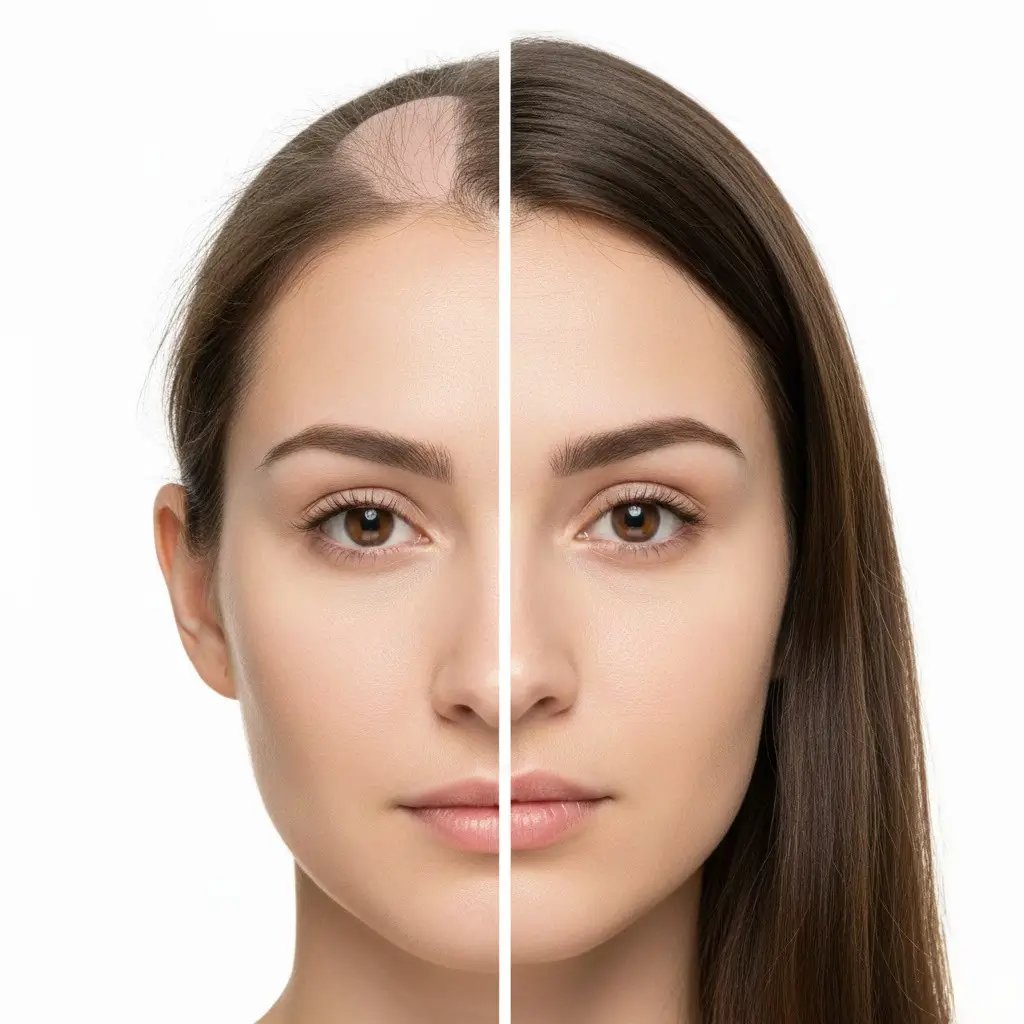
Hair looks like before and after having Anagen Effluvium reveals a stark visual transition from dense coverage to diffuse thinning. Hair before Anagen Effluvium appears thick, healthy, and uniformly rooted in the scalp, with most strands in the anagen phase showing full length and firm attachment. The texture is consistent, shafts are smooth, and pigmentation remains intact without irregular breakage or shedding. Hair after Anagen Effluvium presents as fragile, shortened, and sparse, with significant loss occurring across all scalp areas. The remaining hair appears patchy in volume but uniform in distribution, showing no defined borders or localized bald patches. Shed hairs lack complete roots and appear dystrophic, reflecting damage during matrix cell division. The scalp becomes more visible, and the hair volume diminishes rapidly within days of the initial trigger. Trichoscopy findings confirm a high proportion of fractured or narrowed shafts, indicating interruption during the active growth stage. Anagen Effluvium causes a visible disruption in the continuity of hair appearance by affecting its density, strength, and structural integrity.
What Are the Symptoms of Anagen Effluvium?
The Symptoms of Anagen Effluvium are listed below.
- Sudden Hair Shedding: Sudden hair shedding occurs within days of exposure to cytotoxic agents and involves the abrupt release of large numbers of anagen hairs from the scalp.
- Diffuse Thinning: Diffuse thinning affects the entire scalp uniformly, creating a noticeable reduction in hair density without forming distinct patches.
- Fragile Hair Shafts: Fragile hair shafts appear weakened, easily broken, and incomplete in length due to premature interruption of the growth cycle.
- Visible Scalp: Visible Scalp results from rapid hair loss, making the scalp more exposed due to reduced hair volume across regions.
- Absence of Inflammation: The lack of inflammation indicates that the scalp remains smooth and free from redness, flaking, or irritation during the shedding process.
- Tapered or Distorted Hair Roots: Tapered or distorted hair roots are found in shed hairs, revealing irregular or narrowed shapes due to damaged follicular mitosis.
- Non-Scarring Alopecia Pattern: The non-scarring alopecia pattern means that hair follicles remain intact and retain their potential for regrowth once the trigger is eliminated.
- Abrupt Start: Abrupt start describes the immediate manifestation of symptoms following exposure to antineoplastic treatments or toxic substances.
What Are the Common Symptoms of Anagen Effluvium?
The common symptoms of Anagen Effluvium are listed below.
- Sudden Hair Loss: Sudden hair loss is a hallmark symptom that occurs within days of exposure to chemotherapeutic or cytotoxic agents, resulting from the abrupt cessation of mitotic activity in hair matrix cells, according to Trueb, R.M., 2009, Dermatology, vol. 219, pp. 203–212.
- Diffuse Thinning: Diffuse thinning affects the entire scalp uniformly without forming distinct bald patches, reflecting the widespread vulnerability of follicles in the growth phase, according to Harrison and Sinclair, 2003, British Journal of Dermatology, vol. 149, pp. 842–850.
- Hair Shaft Breakage: Hair shaft breakage is observed due to the production of weakened, structurally incomplete hair fibers, confirmed by microscopic studies of dystrophic hairs, according to Lacouture et al., 2006, The Oncologist, vol. 11, pp. 161–176.
- Visible Scalp: Visible scalp occurs due to rapid and excessive loss of hair density, documented during physical examination in patients undergoing chemotherapy, according to Freites-Martinez et al., 2019, Journal of the American Academy of Dermatology, vol. 80, pp. 1173–1183.
- Lack of Follicular Inflammation: The lack of Follicular inflammation distinguishes Anagen Effluvium from scarring alopecias, as supported by histopathological studies showing an intact follicular architecture without perifollicular infiltrates, according to Whiting, D.A., 2001, Dermatologic Therapy, vol. 14, pp. 326–339.
- Dystrophic Hair Roots: Dystrophic hair roots are observed in trichograms of affected patients, presenting as narrowed or conical root bulbs due to disrupted keratinocyte division, according to Van Neste and Rushton, 1997, Clinics in Dermatology, vol. 15, pp. 577–589.
- Abrupt start: Abrupt start has been reported in oncology dermatology, where patients experience hair loss within the first two weeks of cytotoxic treatment, according to Lemieux et al. 2008, Supportive Care in Cancer, vol. 16, pp. 529–537.
- Scalp Sensitivity: Scalp sensitivity is a subjective symptom reported in observational studies, where patients describe tenderness or discomfort in the absence of visible inflammation, according to Olsen et al., 1994, Journal of the American Academy of Dermatology, vol. 30, pp. 243–248.
The common symptoms of Anagen Effluvium vary based on multiple host-related factors, including age, gender, demographic background, genetic profile, and underlying health conditions. Younger patients tend to experience faster regrowth due to higher follicular turnover rates, while older patients show prolonged recovery and more pronounced thinning. Males present with mixed patterns of hair loss where Anagen Effluvium overlaps with androgenetic alopecia, altering the symmetry and density of shedding. Females display uniform loss across the crown and sides, with preservation of the frontal hairline during oncologic treatment. Ethnic differences influence hair shaft structure and density, which affect the visual appearance of diffuse thinning across populations. Genetic predisposition contributes to follicular sensitivity to cytotoxic triggers, with some patients demonstrating more severe dystrophic features and slower regeneration. Patients with autoimmune conditions, nutritional deficiencies, or chronic metabolic diseases experience more intense follicular stress, exacerbating symptoms and delaying recovery. Anagen Effluvium exhibits variable clinical presentations, shaped by intrinsic biological traits and coexisting medical profiles, as observed in multicenter dermatologic studies and trichological evaluations.
What Are the Severe Symptoms of Anagen Effluvium?
The severe symptoms of Anagen Effluvium are listed below.
- Complete Scalp Alopecia: Complete scalp Alopecia involves the total loss of hair across the scalp, with no retention of either terminal or vellus hairs. Seen in patients receiving intensive chemotherapy regimens, according to Freites-Martinez et al., Journal of the American Academy of Dermatology, 2019.
- Loss of Eyebrows and Eyelashes: Loss of eyebrows and eyelashes occurs when the cytotoxic insult disrupts follicular activity beyond the scalp, resulting in loss of facial and periocular hair, according to Lacouture et al., The Oncologist, 2006.
- Body Hair Loss: Body hair loss affects axillary, pubic, and limb hair when the insult triggers widespread follicular shutdown, seen in severe cases of drug-induced Anagen Effluvium, according to Trueb, Dermatology, 2009.
- Hair Shaft Dystrophy: Hair shaft Dystrophy is characterized by malformed, fractured, or incomplete hair fibers observed under trichoscopy or light microscopy, indicating irreversible damage to the matrix, according to Van Neste and Rushton, Clinics in Dermatology, 1997.
- Prolonged Recovery Time: Regrowth is delayed beyond six months due to permanent or semi-permanent damage to hair-producing cells, as observed in long-term oncology follow-ups, according to Lemieux et al., Supportive Care in Cancer, 2008.
- Psychological Distress: Psychological distress is a documented outcome among patients who experience rapid and total hair loss, leading to anxiety or reduced quality of life, according to Rossi et al., Psycho-Oncology, 2017.
- Diffuse Follicular Miniaturization: Diffuse Follicular miniaturization refers to the shrinkage of follicle size observed in biopsies following prolonged insult, indicating partial scarring and reduced regenerative capacity, according to Whiting, Dermatologic Therapy, 2001.
The severity of symptoms associated with Anagen Effluvium varies among patients, depending on factors such as biological age, gender, demographic characteristics, genetic predisposition, and the presence of underlying health conditions. Older adults experience slower follicular recovery and prolonged phases of alopecia due to a reduced regenerative capacity in aging dermal papilla cells. Female patients present with more noticeable psychological distress linked to societal perceptions of hair aesthetics and facial hair loss. Populations with lower baseline hair density or naturally finer hair strands are more prone to exhibit complete scalp exposure and visible follicular damage under stress conditions. Genetic variations influencing drug metabolism or follicular sensitivity to apoptosis-inducing agents lead to differences in severity among patients with polymorphisms in detoxification enzymes. Patients with autoimmune disorders, endocrine imbalance, or chronic nutritional deficiencies show intensified shaft dystrophy and delayed regrowth due to impaired cellular resilience. Severe Anagen Effluvium is not a uniform presentation but reflects a complex interaction between environmental insults and host biology, as demonstrated in observational cohorts and dermatologic case analyses.
What Are the Rare Symptoms of Anagen Effluvium?
The rare symptoms of Anagen Effluvium are listed below.
- Scarring Alopecia in Mixed Patterns: Scarring Alopecia in mixed patterns refers to permanent follicular destruction coexisting with non-scarring hair loss, reported in rare cases involving prolonged exposure to radiation or alkylating agents, according to Whiting, Dermatologic Therapy, 2001.
- Nail Changes: Nail changes involve pitting, ridging, or Beau lines that occur alongside rapid hair loss, suggesting a systemic insult affecting other keratinizing tissues, according to Freites-Martinez et al. Journal of the American Academy of Dermatology, 2019.
- Mucosal Hair Loss: Mucosal hair loss refers to the shedding of nasal or ear hair, which is rarely reported in recipients of high-dose chemotherapy with widespread ectodermal impact, according to Lacouture et al. The Oncologist, 2006.
- Hyperpigmentation of Scalp: Hyperpigmentation of scalp describes local darkening of scalp skin due to melanin incontinence or drug-induced pigment changes observed in isolated oncology cases, according to Rossi et al., Cancer Treatment Reviews, 2008.
- Delayed Start Shedding: Delayed start shedding involves hair loss that begins weeks after treatment cessation, differing from typical Anagen Effluvium, which starts within days, according to Trueb, Dermatology, 2009.
- Patchy Hair Retention: Patchy hair retention is observed when specific zones of the scalp retain full hair density, while other areas undergo diffuse shedding, a phenomenon seen in rare metabolic or immune-modulated conditions, according to Harrison and Sinclair, British Journal of Dermatology, 2003.
- Localized Folliculitis: Localized Folliculitis presents as inflamed follicles during the shedding phase, which is not typical of Anagen Effluvium but has been reported in immunosuppressed patients receiving targeted therapies, according to Lemieux et al., Supportive Care in Cancer, 2008.
The rare symptoms of Anagen Effluvium vary based on biological and environmental factors, including age, gender, demographic context, genetic traits, and comorbid conditions. Older patients with slower cellular turnover are more prone to exhibit delayed shedding or persistent pigment changes due to prolonged follicular stress. Females undergoing hormonal shifts during treatment experience more intense presentations of patchy hair retention or nail involvement. Specific ethnic populations exhibit differences in pigment expression and keratin response, which influence the frequency of scalp hyperpigmentation or mucosal hair changes. Genetic polymorphisms affecting drug metabolism or follicular apoptosis pathways contribute to the unpredictable onset of rare symptoms, such as folliculitis, or the delayed start of shedding. Patients with systemic inflammatory disorders, immunodeficiencies, or advanced cancer demonstrate non-typical signs, including nail matrix disruption or mucosal follicular loss, reflecting deeper systemic involvement. Rare symptoms of Anagen Effluvium do not follow a uniform course and instead emerge through an interplay of intrinsic vulnerability and external insult, as documented in dermatology literature and oncology-focused hair disorder studies.
How Can You Identify Hair Loss During the Anagen Stage?
You can identify hair loss during the anagen stage by observing the sudden shedding of short, fragile, and incomplete hair shafts within a few days of exposure to a cytotoxic insult. The definitive indicator is the presence of dystrophic anagen hairs, which appear under microscopic examination with narrowed or tapered roots and lack the typical club-shaped bulb seen in resting hairs. Trichograms of affected patients show high percentages of abnormal anagen hairs, exceeding 70 percent, according to Van Neste and Rushton, Clinics in Dermatology, 1997. The hair pull test reveals multiple loose hairs that break easily or show proximal narrowing, supporting the clinical diagnosis. Trichoscopic inspection confirms follicular damage by displaying fractured shafts, missing pigmentation, and irregular follicular openings. The process is non-scarring and does not involve a delay between exposure and shedding, unlike telogen-related loss. Exposure to chemotherapy, radiation, or toxins leads to mitotic arrest in matrix cells, initiating rapid follicular release. The diagnosis is established by morphological analysis and clinical correlation, according to Trueb, Dermatology, 2009.
What Causes Anagen Effluvium?
Anagen Effluvium is caused by direct injury to dividing cells in the hair follicle, leading to abrupt and diffuse hair shedding during the growth phase. The common causes include cytotoxic chemotherapy, radiation therapy, and exposure to industrial or environmental toxins, which impair mitotic activity in the hair matrix. Rare causes include heavy metal poisoning, autoimmune diseases targeting follicular structures, and inherited conditions involving defective DNA repair. Chemotherapy poses the highest risk due to its systemic effect on proliferating cells, while radiation causes localized loss based on the treatment field. Chemotherapeutic agents are more inclined to cause an early, intense loss than autoimmune triggers, which result in broader follicular involvement. Toxin exposure resembles chemotherapy-induced loss in severity, but its severity depends on the dose and duration. Autoimmune forms, such as lupus-associated Anagen Effluvium, occur and present with additional systemic signs. Clinical patterns and timing of hair loss differ between common and rare triggers, but share the underlying mechanism of anagen-phase disruption.
What Are the Common Causes of Anagen Effluvium?
The common causes of Anagen Effluvium are listed below.
- Cytotoxic Chemotherapy: Cytotoxic Chemotherapy includes antineoplastic agents that target rapidly dividing cells, leading to abrupt interruption of follicular proliferation and widespread hair loss, according to Lacouture et al., The Oncologist, 2006.
- Radiation Therapy: Radiation therapy damages follicular stem cells in irradiated fields, inducing localized or total hair loss depending on dose and frequency, according to Freites-Martinez et al., Journal of the American Academy of Dermatology, 2019.
- Immunosuppressive Medications: Immunosuppressive Medications disrupt immune regulation and cellular turnover, resulting in transient anagen-phase arrest with agents like cyclophosphamide, according to Trueb, Dermatology, 2009.
- Heavy Metal Toxicity: Exposure to heavy metals such as arsenic, thallium, or mercury affects follicular viability and DNA synthesis, leading to rapid dystrophic shedding, according to Whiting, Dermatologic Therapy, 2001.
- Targeted Cancer Therapies: Targeted cancer therapies, including epidermal growth factor receptor inhibitors, interfere with follicular signaling, causing early anagen exit and structural shaft abnormalities, according to Lemieux et al., Supportive Care in Cancer, 2008.
- Environmental or Industrial Toxins: Environmental or industrial toxins containing alkylating or oxidizing compounds produce direct follicular injury through oxidative stress and apoptosis, according to Van Neste and Rushton, Clinics in Dermatology, 1997.
Common causes of Anagen Effluvium present in different ways based on age, gender, demographic factors, genetic profile, and underlying health conditions. Pediatric and adolescent patients demonstrate faster recovery and higher follicular resilience following chemotherapeutic exposure due to accelerated cellular turnover. Older patients exhibit slower regrowth and more severe manifestations due to reduced follicular stem cell function and pre-existing comorbidities. Gender influences presentation patterns, with females experiencing higher psychological distress and facial hair involvement when treated with taxanes or platinum-based agents. Demographic factors, including ethnic background, contribute to the hair shaft structure and density, which in turn affect the severity and visibility of hair loss. Genetic polymorphisms in detoxification enzymes and DNA repair pathways influence susceptibility to cytotoxic damage, leading to significant variability in the onset and progression of disease. Patients with autoimmune disorders, endocrine abnormalities, or metabolic syndromes demonstrate compounded follicular stress when exposed to common triggers, resulting in more pronounced or prolonged Anagen Effluvium. Clinical outcomes reflect the combined effects of external agents and intrinsic biological vulnerability, shaping the response to each common cause across different populations.
How Does Chemotherapy Affect the Anagen Phase of Hair Growth?
Chemotherapy affects the anagen phase of hair growth by inducing rapid apoptosis in matrix keratinocytes, leading to premature follicular shutdown and widespread hair loss. The anagen phase represents the active growth stage during which hair follicles undergo continuous cell division. Chemotherapeutic agents target dividing cells, including cells in the hair matrix, disrupting DNA replication and halting mitosis. The direct cytotoxic effect causes hair shafts to become dystrophic and detach early from the follicle. Alkylating agents, taxanes, anthracyclines, and antimetabolites are associated with the mechanism.
Cyclophosphamide, doxorubicin, and paclitaxel are well-documented examples that interfere with microtubule function and DNA integrity in follicular cells. 80 percent of patients receiving cytotoxic chemotherapy report anagen effluvium as their primary cause of hair loss, according to Freites-Martinez et al. in the Journal of the American Academy of Dermatology (2019). Histologic analysis reveals reduced mitotic figures, nuclear fragmentation, and follicular bulb distortion within days of drug administration. The impact on the anagen phase is immediate, resulting in diffuse, non-scarring alopecia with visible dystrophic hairs under trichoscopic evaluation. The process highlights the sensitivity of anagen follicles to systemic anticancer agents, underscoring their vulnerability during therapeutic interventions.
What Are the Rare Causes of Anagen Effluvium?
The rare causes of Anagen Effluvium are listed below.
- Thallium Poisoning: Thallium poisoning results in abrupt and diffuse hair loss due to mitochondrial disruption and cell necrosis, according to Klassen, Cassarett and Doull’s Toxicology, 2013.
- Arsenic Exposure: Arsenic exposure causes premature anagen termination and apoptosis in hair matrix cells, observed in patients with chronic groundwater contamination or occupational hazards, according to Ratnaike, Postgraduate Medical Journal, 2003.
- Inherited DNA Repair Disorders: Inherited Deoxyribonucleic acid (DNA) repair disorders, including Bloom syndrome and Rothmund-Thomson syndrome, result in impaired follicular mitosis and abnormal anagen retention, according to the pediatric dermatologic literature Dunlop et al., Archives of Dermatology, 1989.
- Severe Protein-Energy Malnutrition: Severe protein-energy malnutrition suppresses cellular turnover in the follicle, leading to structural hair fragility and early detachment in populations exposed to chronic famine, according to Brown et al., Journal of Nutrition, 2001.
- High-Dose Colchicine Toxicity: High-dose colchicine toxicity interferes with microtubule polymerization, arresting follicular cells in metaphase and resulting in abrupt shedding, according to Slobodnick et al., Seminars in Arthritis and Rheumatism, 2015.
- Paraneoplastic Syndromes: Paraneoplastic syndromes result in systemic cytokine release or autoimmune-mediated follicular suppression, leading to rapid non-scarring hair loss, which is observed in association with certain hematologic malignancies, according to Camisa et al., Cutis, 1982.
- Autoimmune Bullous Diseases: Autoimmune Bullous Diseases, including pemphigus foliaceus disrupt epidermal and follicular integrity, leading to anagen effluvium in localized or widespread lesions, according to Diaz et al., Journal of the American Academy of Dermatology, 1993.
Rare causes of Anagen Effluvium vary in presentation and severity depending on biological age, sex-based physiology, ethnicity-linked traits, hereditary patterns, and systemic health conditions. Pediatric cases involving inherited DNA repair disorders show early-onset dystrophic shedding due to mitotic instability at the follicular level. Older adults exposed to environmental toxins, including thallium or arsenic, experience more prolonged and pronounced follicular shutdown due to reduced detoxification capacity and slower cellular recovery. Females with autoimmune bullous diseases or paraneoplastic syndromes exhibit more diffuse involvement across scalp and body hair regions, accompanied by mucocutaneous signs. Genetic predisposition to metabolic or toxicant sensitivity influences follicular vulnerability among patients with polymorphisms that affect folate pathways or oxidative stress regulation. Malnourished populations and patients with chronic immunodeficiency display a heightened risk of rare anagen-phase interruption due to compromised tissue repair mechanisms. Rare causes respond differently across age groups and medical profiles, reinforcing the importance of comprehensive diagnostic evaluation for unexplained cases of sudden non-scarring alopecia.
What Are the Treatment Options for Anagen Effluvium?
Treatment options for Anagen Effluvium are designed to support follicular recovery while managing the underlying cause of disruption during the growth phase. The duration of Anagen Effluvium depends on the intensity and length of exposure to the triggering factor, the regenerative capacity of the hair follicles, and the presence of systemic or nutritional impairments. Patients begin to see regrowth within one to three months after the cessation of chemotherapy or toxin removal, as documented in oncology and dermatology studies, including Freites-Martinez et al., 2019. Complete recovery takes three to six months, although full density restoration extends to twelve months in older patients or patients with delayed follicular cycling. Regrowth is incomplete or absent when hair matrix cells are permanently damaged, requiring long-term management or surgical intervention. Taking Anagen effluvium medications and implementing clinical strategies as early as possible improves the chances of full recovery and reduces the regrowth timeline. The duration of anagen effluvium treatments remains variable across patients’ health profiles, treatment types, and environmental factors.
The treatment options for Anagen Effluvium are listed below.
- Remove or Treat the Underlying Cause: The first-line intervention for Anagen Effluvium involves removing or treating the underlying cause, which consists of stopping or adjusting the harmful agent responsible for follicular insult. The treatment is critical for halting matrix cell damage and allowing natural follicular repair. Patients undergoing chemotherapy begin to regrow hair within three months after treatment ends, provided their follicular stem cells remain intact, according to Freites-Martinez et al., 2019. Success depends on the timing of discontinuation, the type of drug, and the patient’s age. A cytotoxic exposure, environmental exposure, or systemic trigger that disrupts mitosis must be identified immediately after the anagen phase is determined.
- Supportive Treatments for Hair Regrowth: Supportive Treatments for Hair Regrowth aim to accelerate recovery by stimulating follicular activity, prolonging the anagen phase, and correcting metabolic imbalances. Topical minoxidil promotes vascular supply and potassium channel activation in follicular cells, resulting in visible regrowth in 60 to 70% of patients within two to four months post-treatment, according to Dinh and Sinclair, 2007. Low-level laser therapy improves mitochondrial function and ATP synthesis in damaged follicles, resulting in a 40% increase in hair density over 16 weeks in studies focused on non-scarring alopecia. Nutritional interventions target deficiencies in biotin, zinc, iron, or protein that contribute to structural weakness in the hair shaft. The treatments are effective when initiated during the early recovery phase and used for three to six months.
- Cosmetic and Emotional Support: Cosmetic and Emotional Support is essential during the acute and regrowth phases of Anagen Effluvium, where patients experience visible changes that affect identity and mental health. Supportive measures include medical wigs, fiber-based concealers, cognitive therapy, and peer support groups. Psycho-oncology, including psychosocial interventions, improves coping in over 75% of affected patients, according to Rossi et al., 2017. The approach is necessary for maintaining emotional stability and social confidence while waiting for spontaneous regrowth or therapeutic results. The importance of it begins after diagnosis and continues throughout the recovery process.
- Hair Transplant: Hair Transplant is reserved for chronic Anagen Effluvium cases where irreversible follicular destruction has occurred after radiation therapy or high-dose chemotherapy, resulting in permanent alopecia. Transplanting follicular units from unaffected scalp regions resulted in over 80% graft survival in stable patients without active disease, according to Rossi et al. 2017. The option is suitable only after one year of non-recovery and when trichoscopic or biopsy evidence confirms the absence of follicular regeneration. The procedure works by replacing non-functioning follicles with viable ones, restoring cosmetic density in localized regions. A hair transplant is considered a final solution when medical regrowth interventions have been unsuccessful.
How Effective Is Hair Transplant for Treating Anagen Effluvium?
Hair transplant is effective for treating Anagen Effluvium when follicular regeneration fails after one to two years and biopsy confirms permanent matrix cell damage. Ideal candidates present with stable health conditions, absence of active shedding, and sufficient donor follicles for redistribution. The hair transplant process involves transferring healthy follicles from unaffected regions to areas with irreversible loss, allowing continuous growth unaffected by past cytotoxic exposure. Graft survival rates of above 80% are reported in post-chemotherapy alopecia patients with stable scalps, according to Uebel et al. in Dermatologic Surgery 2006. Patients seeking advanced hair restoration choose Turkey due to internationally accredited clinics, experienced surgeons, and affordable package pricing. Procedures in Turkey include preoperative consultation, accommodation, postoperative care, and the use of modern technologies without compromising quality. Vera Clinic is recognized as the best hair transplant clinic in Turkey, offering Follicular Unit Extraction (FUE) and Direct Hair Implantation (DHI) techniques supported by high patient satisfaction and medical accreditation. Vera Clinic combines medical expertise with comprehensive care and multilingual staff, making it a preferred destination for patients requiring long-term solutions after Anagen Effluvium.
What to Expect Before and After an Anagen Effluvium Hair Transplant
Expectations before and after an Anagen Effluvium hair transplant involve careful medical evaluation, disease stability, surgical preparation, and a staged regrowth timeline. An Anagen Effluvium patient must present with no recent episodes of hair loss and biopsy results showing permanent matrix cell injury. Donor hair regions must remain unaffected and dense enough to support transplantation, and overall physical health must support minor surgery. Candidacy is limited to patients with no active chemotherapy exposure or autoimmune flare, and patients with realistic expectations regarding density, coverage, and recurrence. Physicians delay surgery for at least one year following the cessation of cytotoxic agents to ensure scalp homeostasis.
The transplanted follicles shed after surgery due to post-surgical shock, but regrowth begins within the third to fourth month. The initial hair is thin and wispy, but tends to grow in thicker strands over the next six to twelve months, depending on the graft quality and scalp vascularization. The survival rate of grafts after chemotherapy is above 80%, although the density is lower than that of transplants for androgenetic alopecia. Patients require close monitoring, supportive care including platelet-rich plasma or topical stimulants, and lifelong surveillance for return of the triggering pathology. Emotional preparation for gradual results, variable density, and long-term commitment remains critical for treatment satisfaction. The Anagen Effluvium hair transplant before and after outcomes reflect the realities, showing initial scalp clearance followed by progressive regrowth within structured clinical guidance.
When to See a Dermatologist for Anagen Effluvium
See a dermatologist for Anagen Effluvium when hair loss becomes sudden, widespread, or persistent across the scalp or body. Severe cases present with rapid shedding within days to weeks after exposure to chemotherapy, radiation, or toxic agents. A dermatologist must be consulted when the scalp appears inflamed, tender, or develops burning sensations, accompanied by hair loss. Clinical attention is required if regrowth is absent after six months or if hair fall continues beyond three months without visible improvement. Evaluation is necessary when eyebrow, eyelash, or body hair loss occurs alongside scalp shedding, which signals systemic involvement. A dermatologist must assess cases involving scarring, scaling, or permanent follicular damage to determine irreversible alopecia. An early diagnosis enables accurate treatment, prevents further complications, and facilitates timely intervention.
When to Take a Hair Analysis for Anagen Effluvium?
Take a hair analysis for Anagen Effluvium when hair shedding occurs abruptly and progresses across large areas without signs of recovery after weeks of onset. A scalp or hair analysis becomes essential when the hair pull test yields a high percentage of anagen-phase hairs with deformed roots. Analysis is necessary when hair shafts appear narrowed, fractured, or weakened under microscopic examination, indicating cytotoxic damage at the matrix level. Persistent loss without identifiable external triggers demands laboratory evaluation to detect toxic exposure, nutritional deficiencies, or systemic illnesses. A hair analysis is recommended when a scalp examination reveals signs of underlying pathology, such as erythema, scaling, or follicular dropout. Patients with recurring cycles of rapid hair loss or suspected autoimmune disorders need a comprehensive analysis to differentiate from other forms of alopecia. Hair analysis supports therapeutic planning by identifying abnormalities in growth patterns and structural integrity, providing data for targeted treatment decisions in Anagen Effluvium. The patient is referred for a hair transplant consultation once irreversible follicular loss is confirmed and transplantation is considered a long-term option.
How Is Anagen Effluvium Diagnosed?
Anagen Effluvium is diagnosed by the procedures listed below.
- Physical Examination: The physical examination focuses on detecting diffuse hair loss that involves the entire scalp, without inflammation, erythema, or visible scarring. The pull test is conducted by gently tugging hair strands, revealing easily extractable broken anagen hairs with pigmented tapered ends and gelatinous root sheaths. Physical examination is necessary when hair loss is acute and widespread, and supports the clinical pattern seen in Anagen Effluvium.
- Trichoscopy: Trichoscopy involves the use of magnified dermoscopic imaging to visualize the scalp surface and follicular openings, allowing for the identification of diagnostic markers. Trichoscopic examination of Anagen Effluvium reveals dystrophic hairs, broken shafts, black dots, and no peripilar scaling or inflammation. The method is used when the diagnosis is unclear or when multiple types of alopecia need to be visually excluded without performing a biopsy, with confirmation of characteristic signs through Trichoscopy Diagnosis.
- Hair Shaft Analysis: Hair shaft analysis refers to the microscopic observation of pulled or shed hairs to determine root morphology and shaft structure. Anagen Effluvium hairs display distorted, frayed, or pigmented bulbs lacking the inner root sheath and sudden shaft narrowing. Hair microscopy is used when confirming the anagen origin of hair loss is required and differentiating it from telogen shedding or shaft fragility syndromes.
- Scalp Biopsy: A scalp biopsy is the histological sampling of a 4 mm tissue section from an affected area for microscopic evaluation. Hair matrix cells in Anagen Effluvium exhibit apoptosis and elevated anagen-to-telogen ratios, without inflammatory infiltrates. Biopsy is reserved for cases where clinical findings are inconclusive or prolonged shedding raises suspicion of irreversible follicular injury or scarring alopecia.
- Assessing Clinical History: The clinical history assessment involves reviewing recent exposure to chemotherapeutic agents, toxins, radiation, or systemic illnesses that disrupt mitotic activity in hair follicles. A physician diagnoses Anagen Effluvium by documenting the extent of hair loss that occurs after cytotoxic exposure, 1 to 4 weeks after the initiation of treatment. The step is essential at the initial consultation to differentiate Anagen Effluvium from telogen-related conditions and to establish causality based on timing and systemic triggers.
How Does Anagen Effluvium Differ from Other Types of Hair Loss?
Anagen Effluvium differs from other types of hair loss by its rapid onset, diffuse pattern, and direct damage to hair matrix cells during the growth phase. The disorder Trichotillomania is characterized by repetitive hair pulling, resulting in irregular bald patches with broken hairs of varying lengths, and no inflammation. Alopecia Areata is an autoimmune condition that causes sudden patchy loss, presenting with exclamation mark hairs and inflammation around the follicles on dermoscopy. Traction Alopecia results from prolonged mechanical pulling, characterized by frontal thinning and preserved follicular openings in the early stages, but follicle dropout in chronic cases. Tinea Capitis is a fungal infection that affects children, presenting with scaly patches, broken hairs, black dots, and lymphadenopathy. Scarring Alopecia leads to permanent follicular destruction and skin atrophy, characterized by smooth, bald patches without visible follicular openings. The conditions differ from Anagen Effluvium, which is non-scarring and reversible upon removal of the insult, and requires different diagnostic and therapeutic approaches in hair loss classification.
| Type | Cause | Pattern | Reversibility |
|---|---|---|---|
| Anagen Effluvium | Cytotoxic damage to hair matrix cells | Diffuse shedding during the growth phase | Reversible with the removal of the cause |
| Trichotillomania | Psychological compulsion to pull hair | Irregular patches with broken hairs | Reversible with behavioral therapy |
| Alopecia Areata | Autoimmune attack on hair follicles | Sudden patchy loss with exclamation mark hairs | Reversible but prone to recurrence |
| Traction Alopecia | Chronic mechanical tension on hair | Frontal or marginal thinning | Reversible early, permanent in chronic cases |
| Tinea Capitis | Fungal scalp infection | Scaly patches with broken hairs and black dots | Reversible with antifungal treatment |
| Scarring Alopecia | Inflammatory destruction of follicles | Smooth bald patches without follicular openings | Irreversible due to scarring |
How Does Anagen Effluvium Differ from Telogen Effluvium?
Anagen Effluvium differs from Telogen Effluvium in terms of the specific phase of the hair cycle affected and the underlying cause of follicular disruption. Anagen Effluvium results from direct toxic injury to actively growing hair matrix cells during the anagen phase, triggered by cytotoxic agents, radiation exposure, or heavy metal poisoning, which halts mitotic activity and leads to abrupt breakage of the hair shaft. The Anagen Effluvium vs Telogen Effluvium explains that Telogen Effluvium involves the premature transition of follicles from the anagen phase into the resting telogen phase. Occurring after physiological or psychological stressors, including childbirth, fever, crash dieting, or major surgery, causing increased shedding two to three months post-insult. The symptoms of Anagen Effluvium include sudden diffuse hair loss within days to weeks after exposure, while Telogen Effluvium results in thinning that stabilizes over time. Anagen Effluvium presents with dystrophic anagen roots, while Telogen Effluvium presents with uniformly club-shaped telogen hairs on hair pull tests, according to Harrison and Sinclair in Clinical and Experimental Dermatology. Reversibility is more predictable in Telogen Effluvium due to intact follicular units, whereas Anagen Effluvium depends on the extent and duration of follicular injury.