This Hair Transplant FAQ answers the most common questions patients ask before, during, and after a hair transplant. Each answer is reviewed by our medical team and links to a detailed clinical explanation when deeper information is needed.
Pain & Comfort
Hair transplant pain is usually mild and temporary, with most discomfort occurring during anesthesia and the first days after surgery.
Hair transplant surgery is usually well tolerated, especially with modern techniques such as pain-free anesthesia that reduce discomfort during local anesthesia administration.
Temporary pain does not affect graft survival or final results when post-operative care instructions are followed properly.
Hair transplant pain typically peaks within the first 48–72 hours after the procedure and then gradually decreases.
Mild donor area pain is normal after FUE or DHI because small extraction sites heal during the early recovery phase.
Most post-transplant discomfort resolves within a few days, with significant improvement after the first week.
Safety & Risks
A hair transplant is considered a safe medical procedure when performed by qualified physicians using established hair transplant techniques and proper clinical protocols.
Possible risks include infection, swelling, temporary numbness, or uneven growth, though serious complications are uncommon.
Permanent damage is rare when the procedure is properly planned and performed using correct surgical techniques.
Individuals with insufficient donor hair, uncontrolled medical conditions, or unrealistic expectations may not be suitable candidates.
Recovery & Aftercare
Initial recovery after a hair transplant takes 7–10 days, while full healing and hair growth continue gradually over several months.
Many patients return to non-physical work within a few days, depending on swelling and personal comfort.
New hair growth usually begins around 3–4 months after the procedure, with visible density improving over time.
Aftercare includes gentle washing, avoiding trauma to the scalp, and following medical instructions during the healing phase.
Techniques & Results
FUE and Sapphire FUE involve extracting follicles before implantation, while DHI places grafts directly using an implanter pen.
DHI is often preferred for achieving natural density and precise hairline design in suitable cases.
Transplanted hair follicles are usually permanent because they are taken from genetically resistant donor areas.
Candidacy & Eligibility
Good candidates typically have stable hair loss, sufficient donor hair, and realistic expectations.
Yes, hair transplant for women is possible and commonly performed for conditions such as diffuse thinning or traction hair loss.
There is no strict age limit, but candidacy depends more on hair loss stability than chronological age.
Patients with limited donor hair may still be candidates, but graft planning and expectations must be carefully managed.
Cost & Medical Tourism
Hair transplant Turkey cost is generally lower than many countries due to structural healthcare factors, medical tourism infrastructure, and high procedural volume.
Yes, Turkey is widely chosen for hair transplants due to experienced medical teams and established medical tourism infrastructure.
Lower costs in Turkey result from reduced operating expenses, currency differences, and high treatment volume.
Many leading clinics in Turkey, such as Vera Clinic, offer airport pickup and hotel accommodation as part of integrated medical tourism packages.
Yes, most clinics, including Vera Clinic, provide free online consultations by reviewing photos and basic medical information remotely.
Clinics serving international patients like Vera Clinic provide English-speaking medical staff throughout consultation and treatment.
Some clinics offer financing or payment plans depending on payment method and patient eligibility.
Many top clinics, such as Vera Clinic, advertise fixed-price packages, but patients should confirm inclusions and exclusions in writing before booking.
A hair transplant is often considered worth it for suitable candidates seeking a long-term, natural-looking solution to hair loss.
Vera Clinic
At Vera Clinic, the doctor performs the hair transplant, not technicians. The surgical model is doctor-led. Hair transplant doctors plan each procedure, draw the hairline by hand and perform the critical surgical steps, and the recipient channels are opened only by doctors. The team working alongside them are Ministry of Health certified hair transplant assistants, a government-issued credential that requires a healthcare background, so the same standard of care applies to everyone in the operating room.
The daily number depends on how many doctors are operating that day. Each hair transplant doctor at Vera Clinic operates on a maximum of two patients per day, so every patient gets the doctor’s full attention during their procedure. Vera Clinic is a hair transplant focused hospital with several hair transplant doctors and its own operating rooms. Procedures run in separate rooms at the same time, each with its own doctor, rather than one doctor moving between several patients.
Vera Clinic’s hair transplant team is led by Dr. Salim Öz Aysu, Medical Director, anesthesiologist and hair transplant doctor, together with hair transplant doctors Dr. Emin Gül, Dr. Aidin Chadordouz Jeddi, Dr. Tolga Varol and Dr. Ahmet Azak. Through Vera Clinic Academy, our doctors also serve as instructors in the Ministry of Health’s physician training course.
Yes. Vera Clinic is licensed by the Turkish Ministry of Health and holds the Ministry’s International Health Tourism Authorization Certificate (No. ST-5175), the official authorization a healthcare facility in Turkey needs to treat patients from abroad. The Ministry inspects the hospital regularly, covering hygiene, facilities, and its website and social media content. Vera Clinic has also held ISO 9001:2015 certification for quality management since 2020, along with ISO 10002 for patient satisfaction, and both are audited every year as part of our quality standards.
Yes, the price is fixed. Vera Clinic’s all-inclusive hair transplant package is confirmed after your consultation, with no hidden fees added on arrival. It covers pre-operative bloodwork and an AI-assisted trichoscopy scan, the procedure with all doctor fees, and PRP and LLLT as a standard part of every procedure. Medications and a post-op care kit, 3 to 5 nights at a partner hotel, VIP airport transfers, multilingual coordinators and 18 months of follow-up are also included. Treatment for international patients is VAT-exempt, so the hair transplant Turkey cost you are quoted already excludes VAT.
Yes, Vera Clinic performs hair transplants on curly and Afro-textured hair. Curly and Afro-textured hair grows from curved follicles beneath the skin, which makes extraction slower and more delicate than with straight hair. At Vera Clinic, the technique and extraction approach are chosen by the doctor after an in-person scalp assessment, based on your hair’s curl pattern and donor density. Because curly hair covers more scalp per graft, an Afro hair transplant in Turkey can need fewer grafts than one on straight hair.
Vera Clinic provides 18 months of follow-up after surgery, and each patient is assigned one person from the post-op team, the same contact throughout. Check-ins are scheduled at 3, 6, 9 and 12 months, and patients can reach their contact at any time in between. Before you fly home, the hospital’s team performs your first wash. You leave with a kit that includes your prescribed medications and a recovery pillow, plus a QR code linking to a step-by-step guide for hair transplant aftercare.
Yes. Vera Clinic performs revision procedures for patients whose first hair transplant was done at another clinic, correcting problems such as an unnatural hairline, poor graft angles, low density or an over-harvested donor area. What a repair can achieve depends mainly on how much hair your donor area still has to give. Every case starts with a doctor reviewing your previous procedure and mapping your remaining donor supply with AI-assisted trichoscopy. Revision surgery is one form of second hair transplant, and it is scheduled at least 12 months after the original procedure so the first result has fully matured.
Vector-10™ is a surgical instrument with a CVD (chemical vapor deposition) lab-grown diamond tip, which is harder, smoother and more precise than natural stone. At Vera Clinic, it is used by the hair transplant doctors, who open the recipient channels themselves. Whether the Vector-10™ CVD lab-grown diamond suits your case is decided by your doctor after the in-person assessment, alongside the other available techniques.
Vera Clinic is a hair transplant focused hospital at Kordonboyu, Turgut Özal Blv. No: 47, Kartal, Istanbul, on the city’s Asian side. All hair transplant procedures take place at this single location, and airport transfers are included for patients travelling from abroad. To plan your consultation and transfer before you travel, you can contact us directly.
Vera Clinic has treated more than 40,000 international patients across hair transplant, dental and cosmetic surgery procedures. The hospital is set up around patients travelling from abroad. Remote consultations take place before travel, translators supporting 8 languages are with you from consultation to aftercare, and follow-up continues for 18 months after you return home.
Ask a Hair Transplant Doctor
Still have a specific question about your hair loss or suitability?
Vera Clinic’s medical representatives review your questions and medical details to give a personalized answer before any procedure is planned.
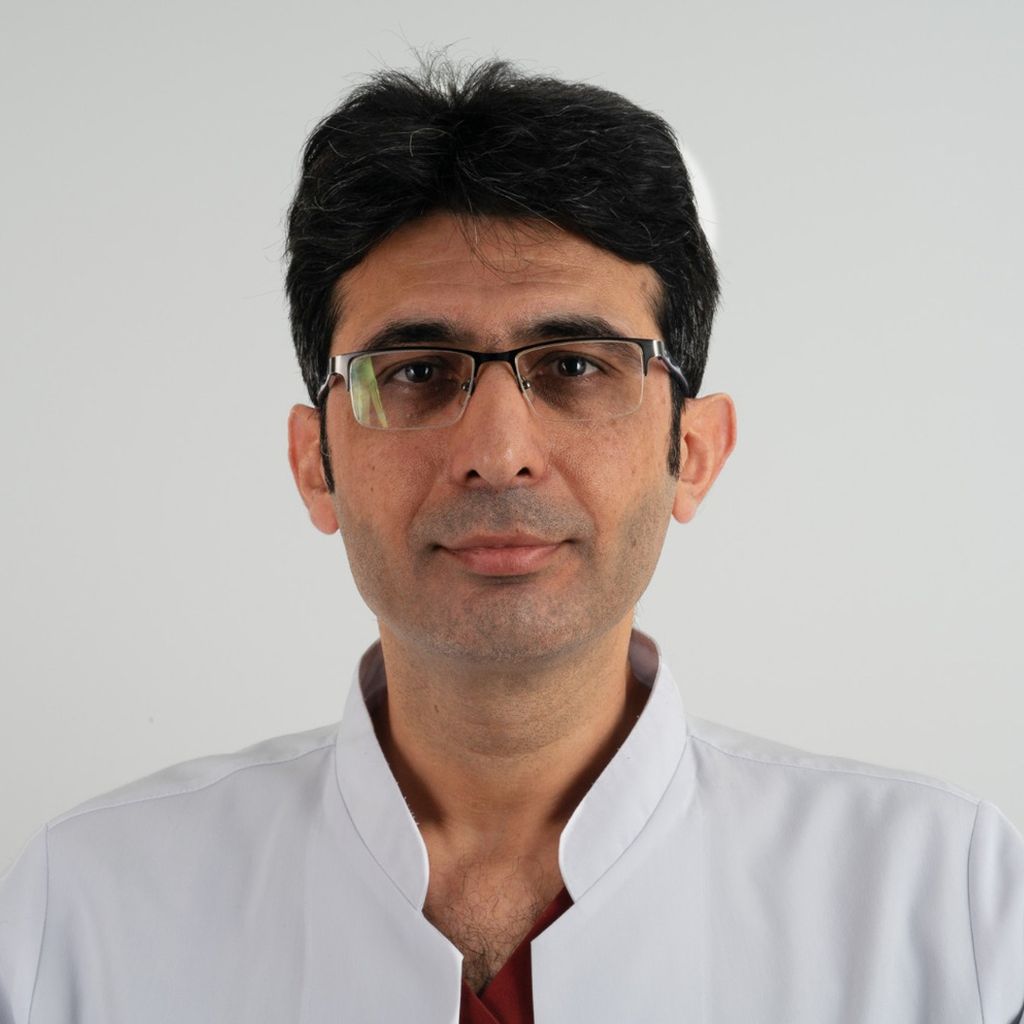
Medically Reviewed by
Dr. Emin Gül
(Hair Transplant Doctor)