

Your hairstyle shapes first impressions, mood, and how young or polished you look. Choosing a favorite style for women matters because the right haircut frames the face, fits your routine, and lifts confidence.
Knowing the main haircut types for women helps girls pick smarter. Short styles (bobs, pixies) look clean and low-maintenance. Long styles (layers, curtain bangs) feel feminine and versatile. Big/voluminous styles (blowouts, waves) add lift that camouflages thinner areas. Understanding these buckets lets you match face shape, hair texture, and time budget.
Female hair transplants unlock dream styles when natural density isn’t enough. Women seek treatment for pattern thinning, traction loss from tight styles, and temple recession. Hair restoration supports bangs, fuller parts, and long layered cuts without visible scalp. Female hair transplant cases account for 13% of surgical hair restoration patients according to the ISHRS Practice Census (2022). Results mature over 9–12 months, so plan your target haircut with your surgeon (part line, hairline softness, crown coverage) for a faster, salon-ready outcome.
Women choose hair transplants for styling freedom; middle or side parts without show-through, natural hairlines for up-dos, and durable density for blowouts. Popular post-restoration picks include long layers, soft waves, curtain bangs, and fuller bobs.
Short hair cutting girl are clean, modern, and practical, making them ideal for busy lifestyles. Hair cut for girls short hair styles like pixies, blunt bobs, and asymmetrical cuts sharpen facial features and often make women appear younger.
1. Pixie Cut
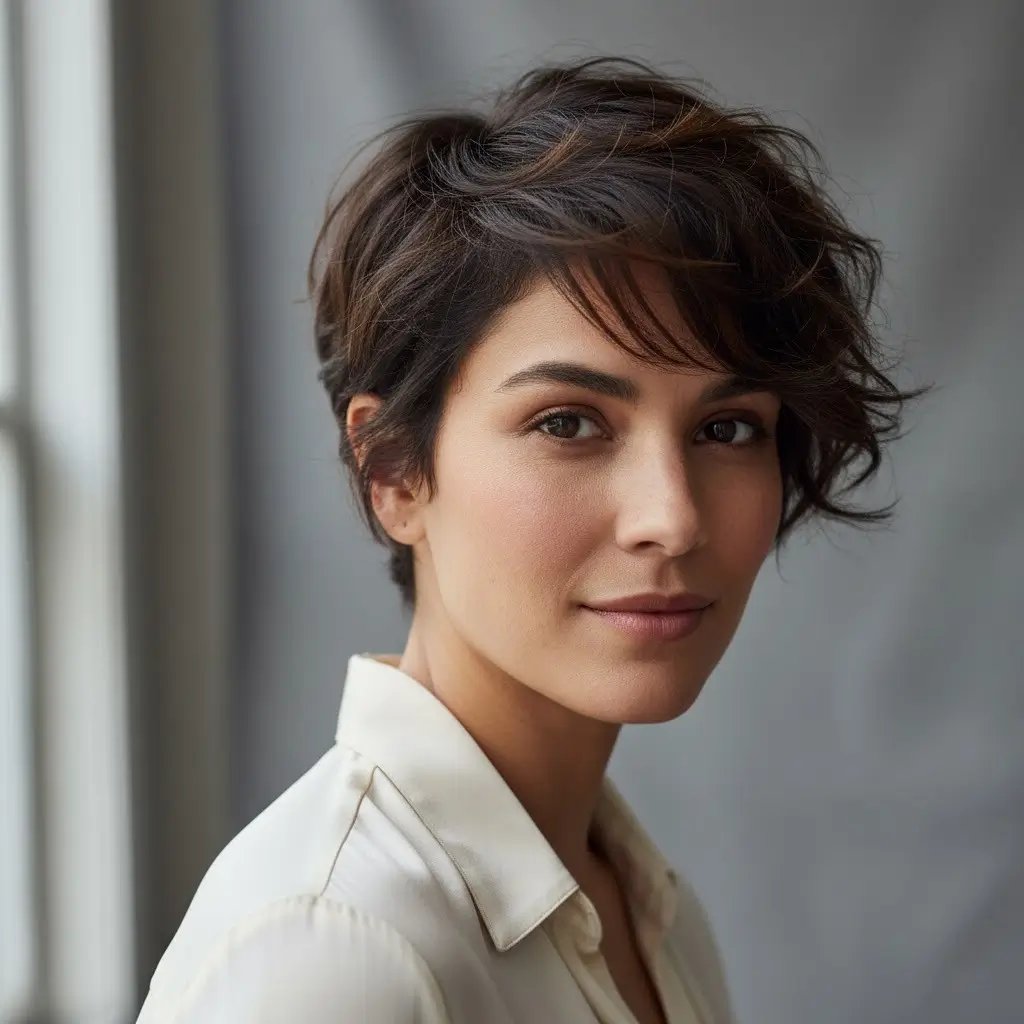
Universally associated with confidence and independence. Women with pixies were rated 19% more “professional and bold” in workplace studies (Journal of Applied Psychology, 2021).
2. Blunt Bob
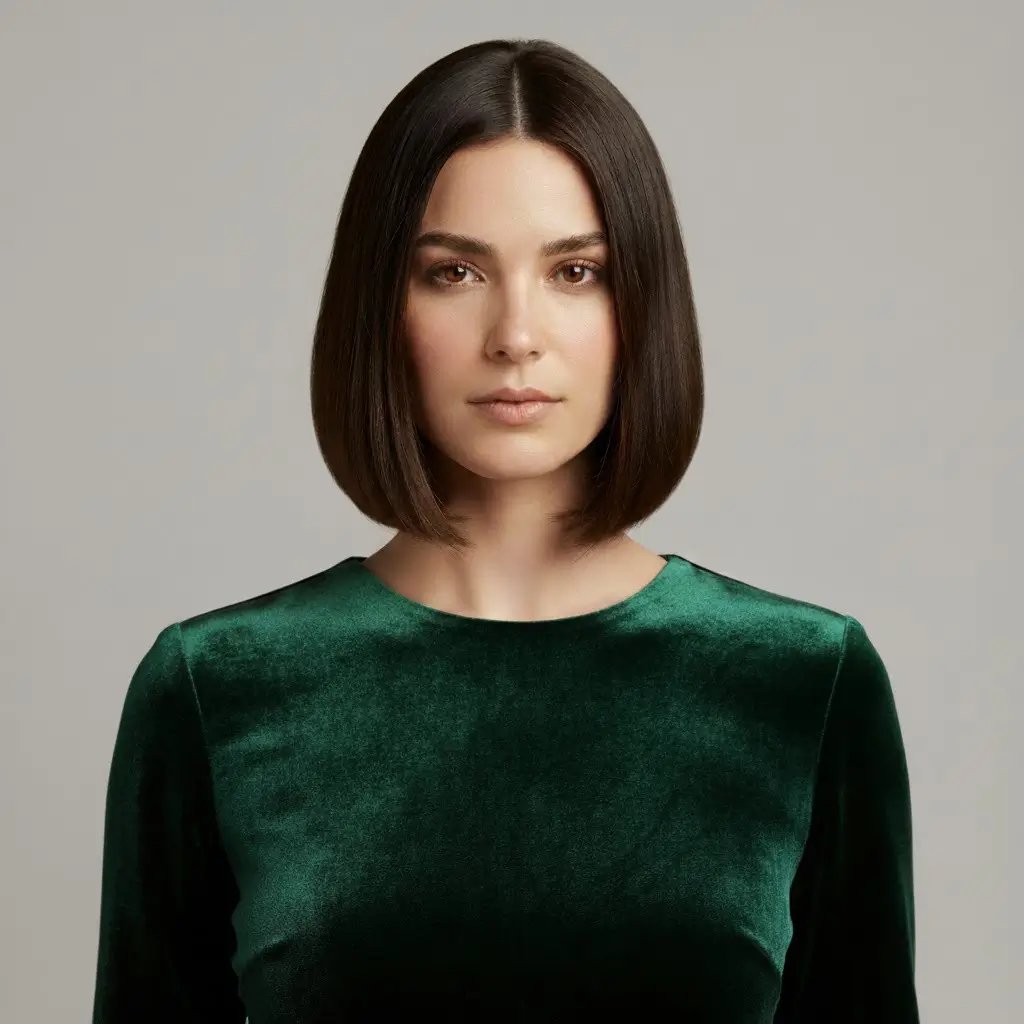
A straight, jaw-length short hair cut for girls. Seen as chic and age-defying; short bobs visually reduce age appearance by 3–4 years, according to cosmetic perception surveys.
3. Asymmetrical Cut
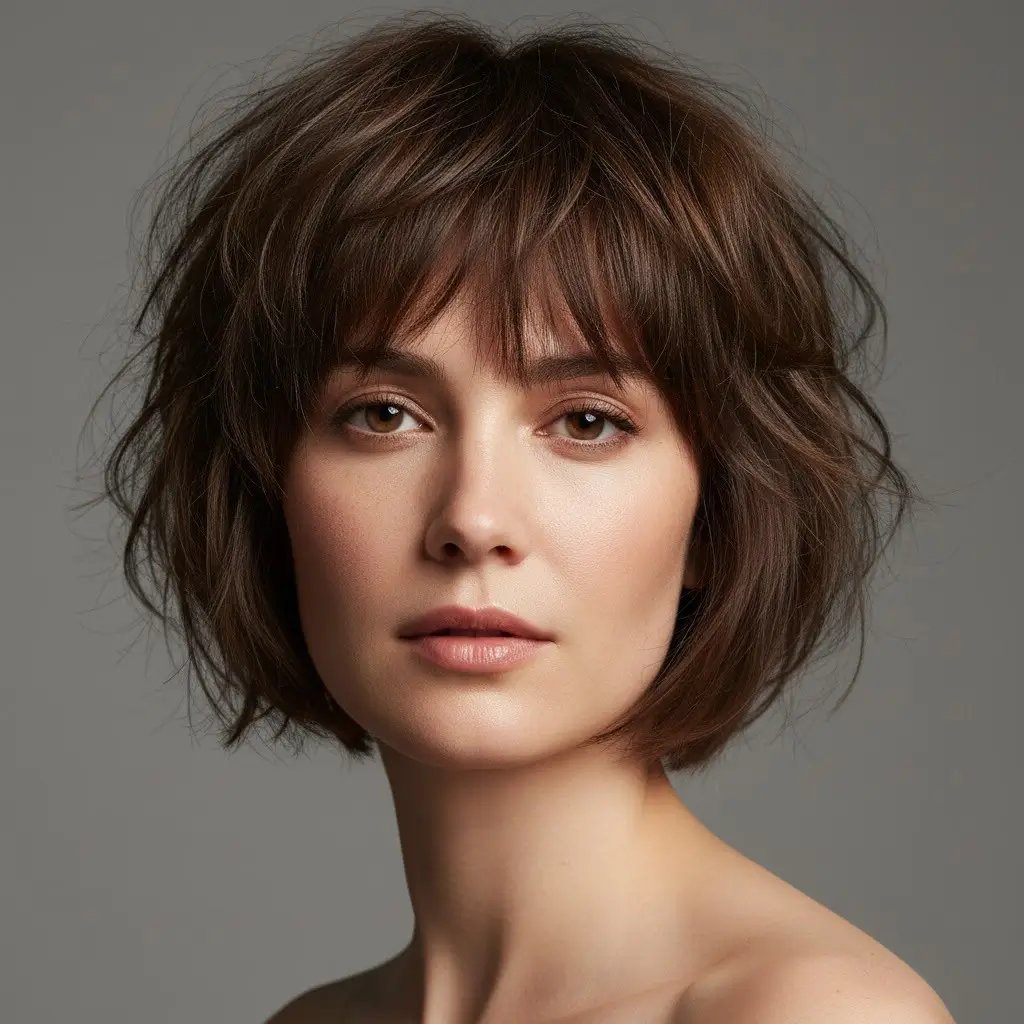
One side longer than the other. Its edge makes it popular among women under 30, especially in fashion-forward cities.
Short cuts are ideal post-female hair transplant because they highlight restored density at the hairline and temple zones without needing volume camouflage.
Medium hair cut for girls ranges 5–15 cm, balancing low-maintenance care with versatile styling. This medium hair girls hair cut style length is considered the “universal zone” since it works across most face shapes.
1. Lob (Long Bob)
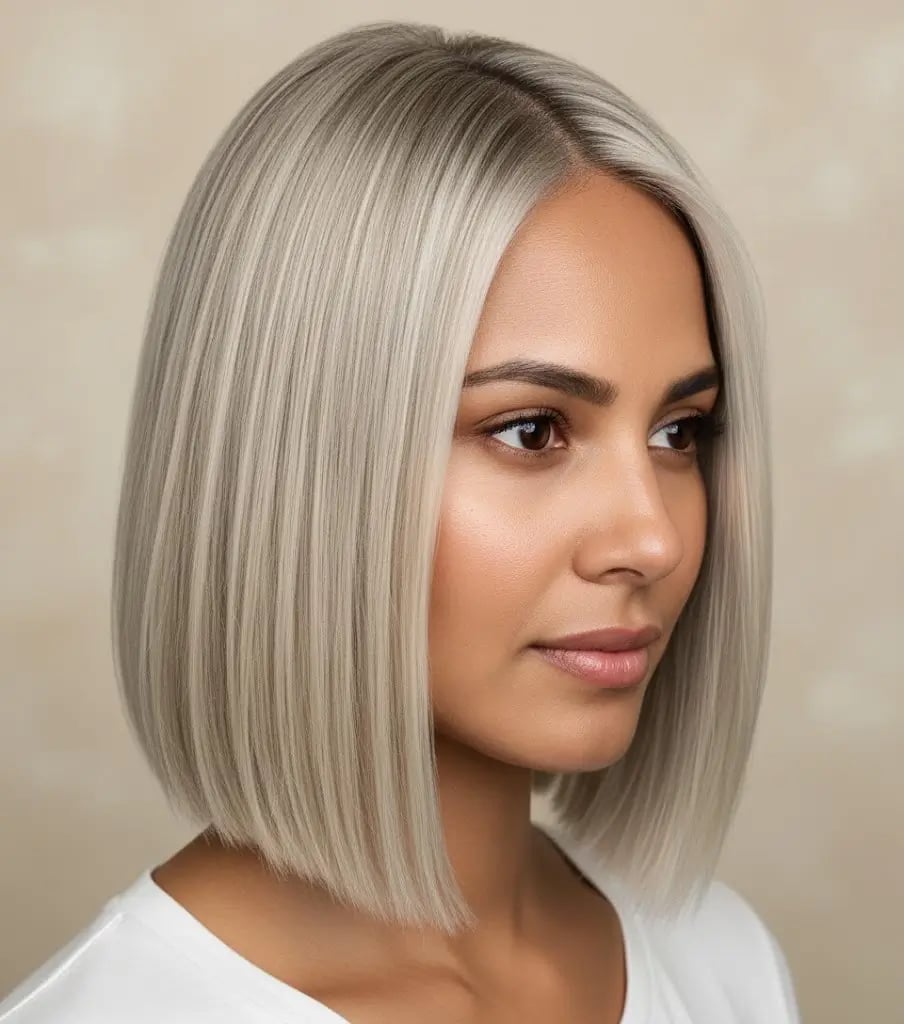
Shoulder-grazing and slightly layered. Reported as the most Googled women’s haircut in 2022 (Google Trends). A medium short hair step cut is seen as elegant yet easy.
2. Step Cut
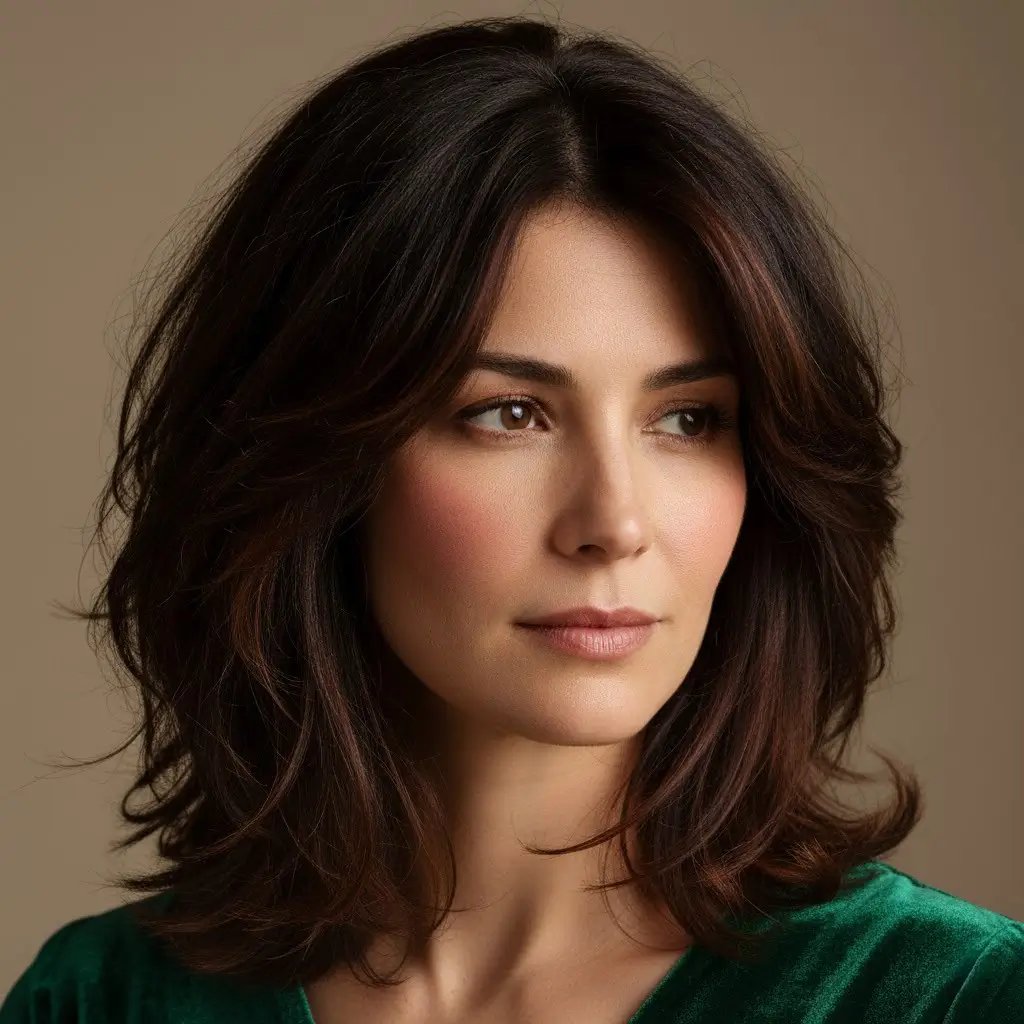
A layered medium cut with staggered lengths. Adds bounce and volume, making it attractive for women with fine hair post-transplant.
3. Curtain Bangs with Medium Hair
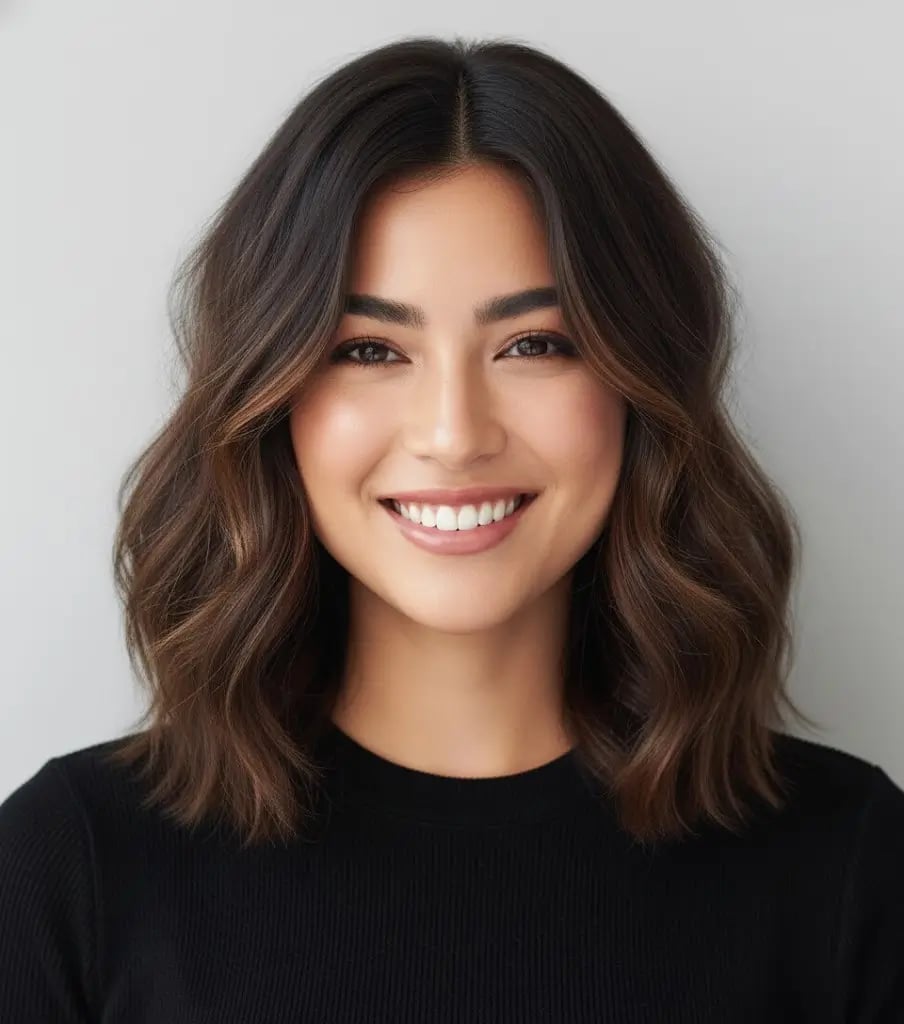
Soft framing layers at the sides of the face. Vogue Business (2022) noted curtain bangs surged 248% on Instagram mentions among women 18–30.
Medium haircuts are often chosen by women after transplant recovery (~9–12 months) because they allow flexible parting and conceal early density differences.
Long hair cut for girls (15 cm+) is linked with femininity and versatility. Long hair is rated 20% more attractive by men across cultures (Evolutionary Psychology, 2017).
1. Layered Long Hair
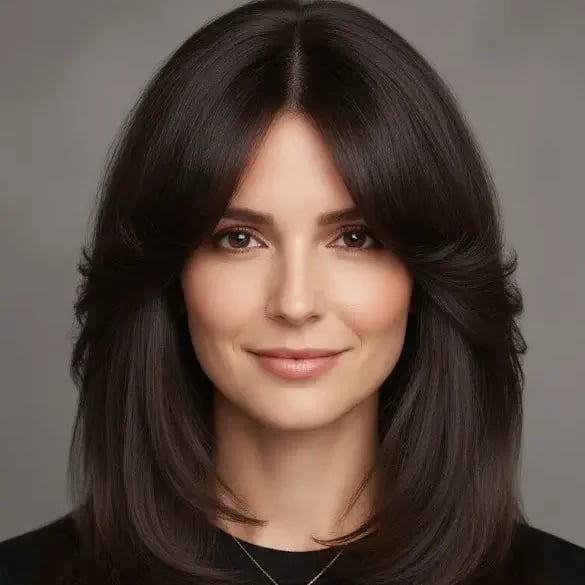
Adds volume and reduces weight, making it a top choice for women with transplants who want fuller looks.
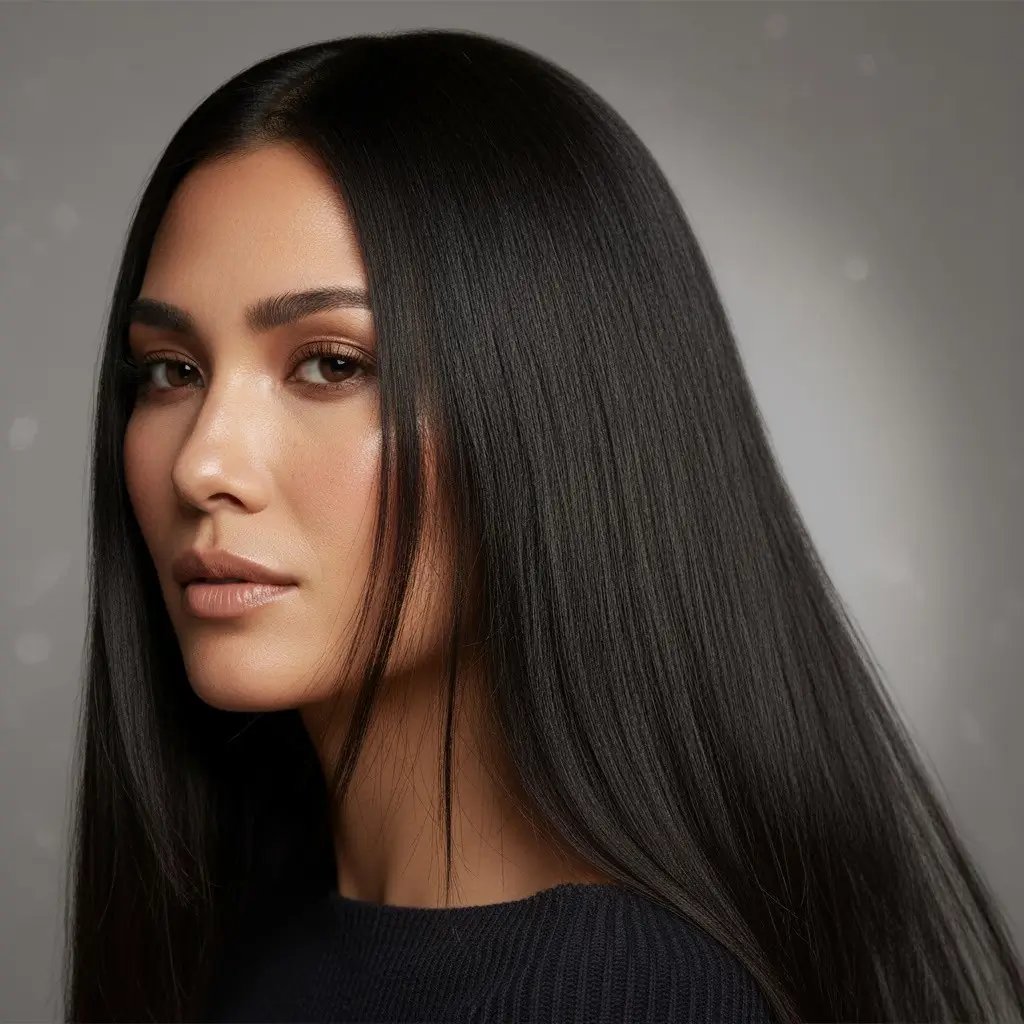
2. Straight Long Hair
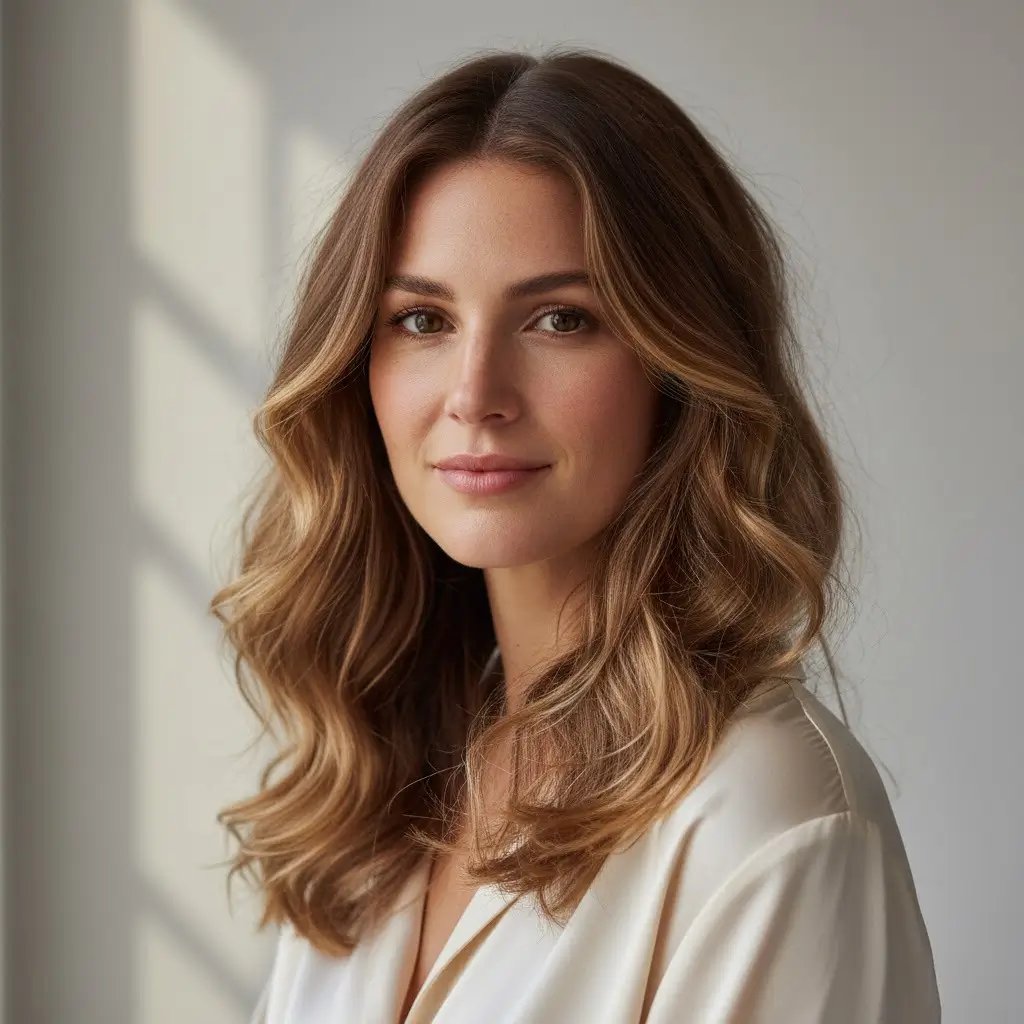
Minimalist and classic haircut for girls long hair; often associated with youthfulness and health.
3. Wavy Long Hair
Loose waves rated most romantic hairstyle in a YouGov UK survey (2019).
Long hair works best once transplanted follicles are mature and dense enough (12+ months). It allows women to wear partings, ponytails, or buns without scalp visibility.
Curly hairstyles for women embrace natural texture. They add movement, volume, and personality, especially for women with high hair density.
1. Curly Bob
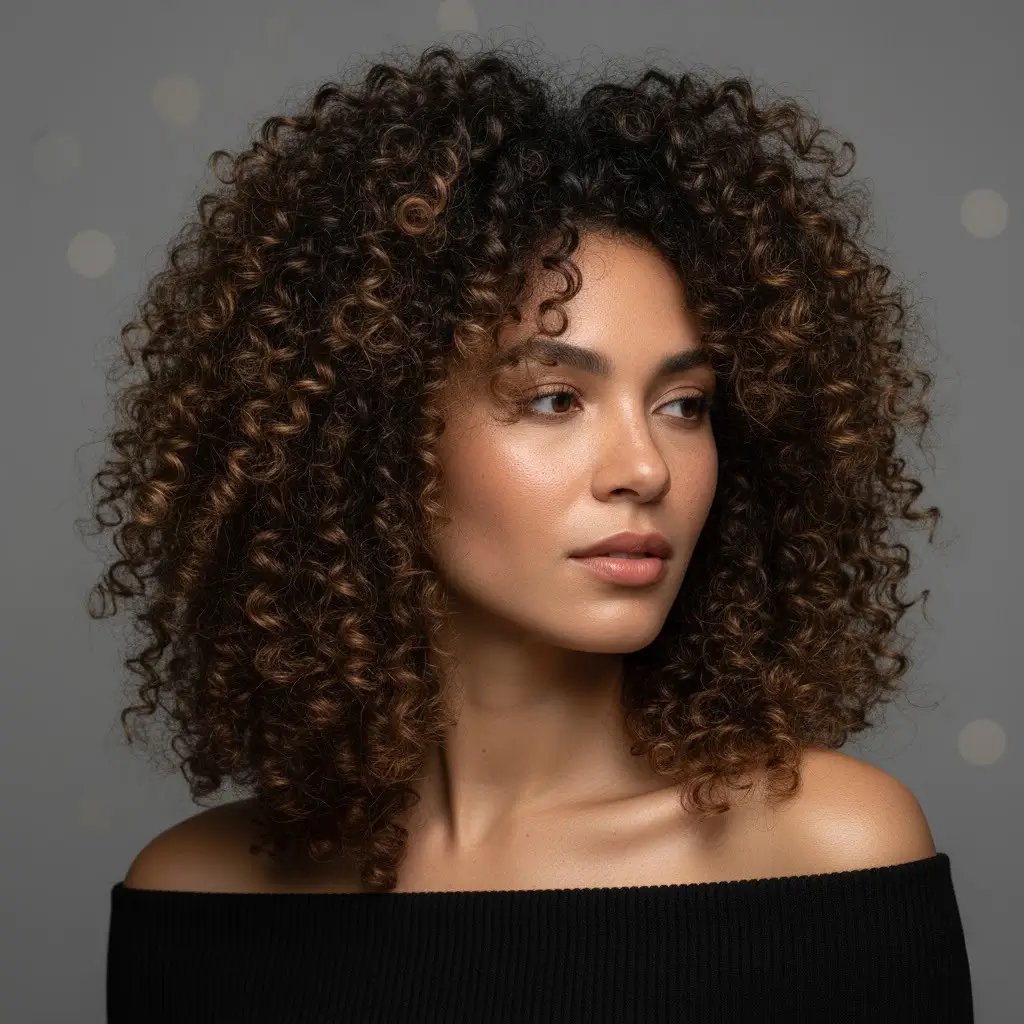
Combines short practicality with textured volume. Reported as the fastest-growing haircut request in European salons in 2022 (Vogue Business).
2. Natural Afro
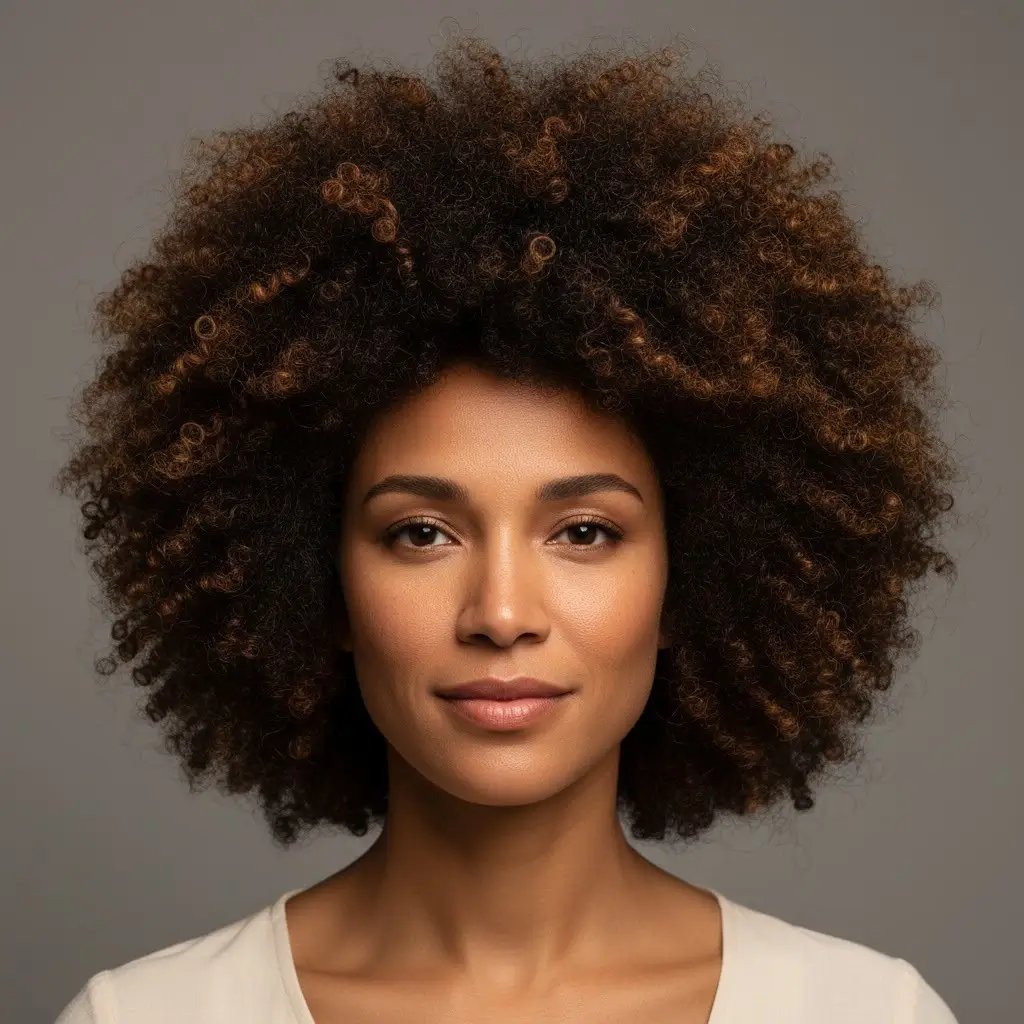
A cultural symbol of identity and confidence. 28% higher self-esteem is found in scores among women who wore natural Afros in “A Black Women’s Grooming Survey” (2020).
3. Beach Waves
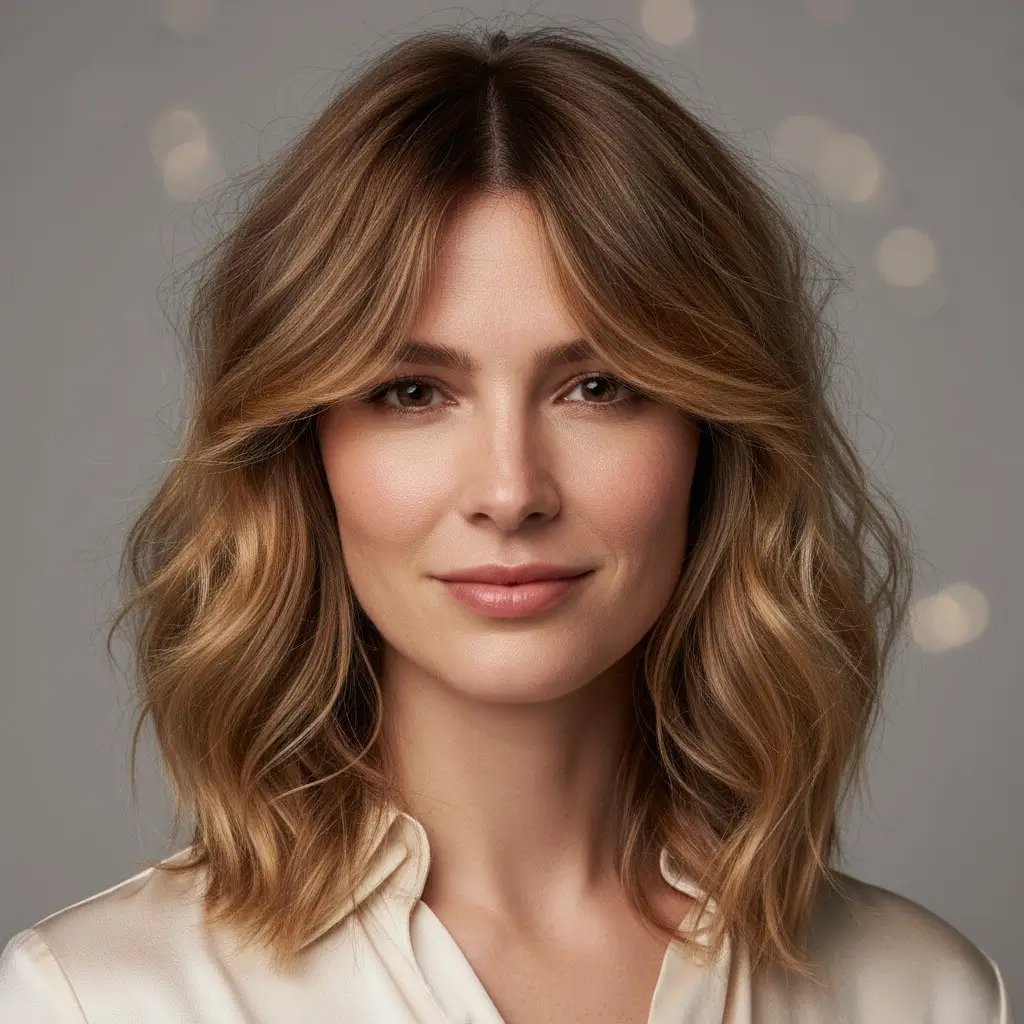
Styled, relaxed curls. Most pinned textured style on Pinterest’s 2021 Women’s Beauty Board.
Curls often look denser post-transplant because each curl strand expands volume visually, making them a smart camouflage option for women with fine donor density.
Braided hairstyles for women are protective, versatile, and culturally significant. They range from simple to intricate, often balancing aesthetics with hair health.
1. Box Braids
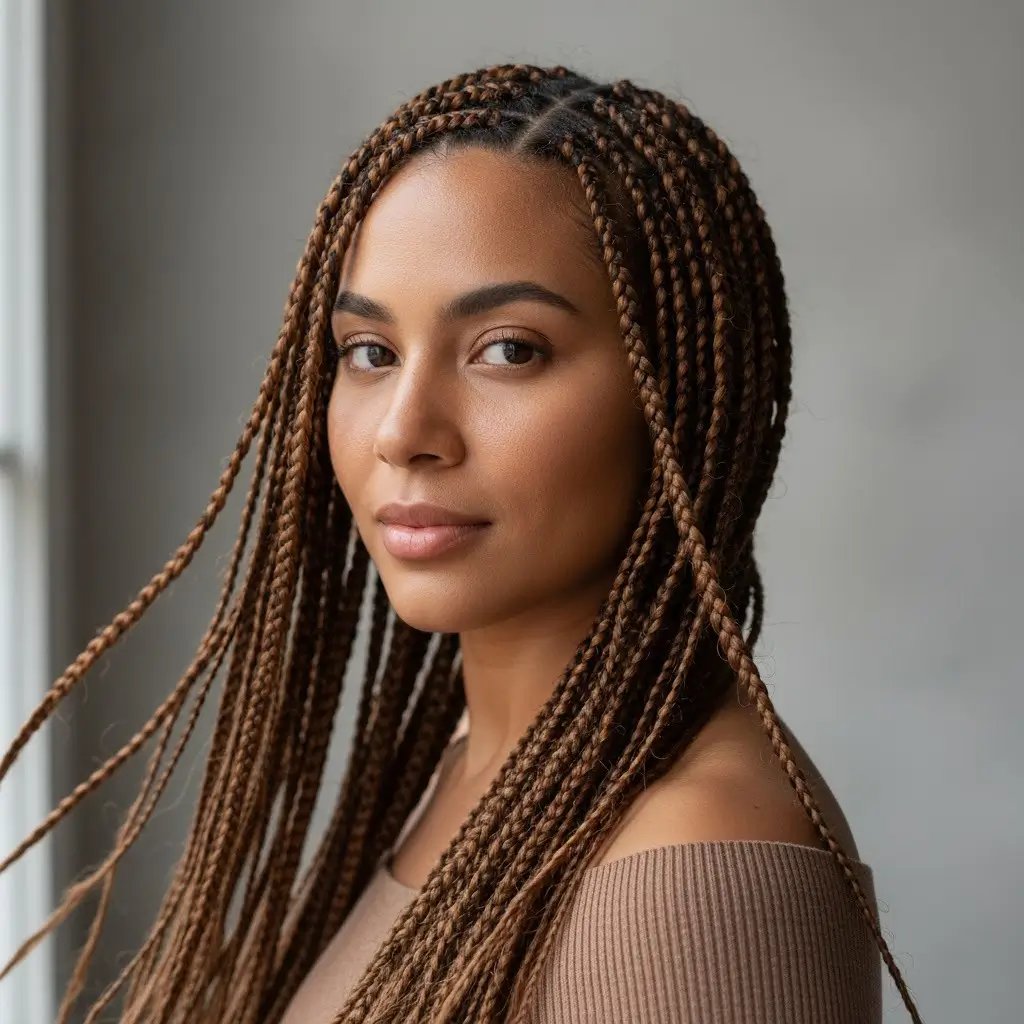
Box braids with long, neat protective sections
2. French Braids
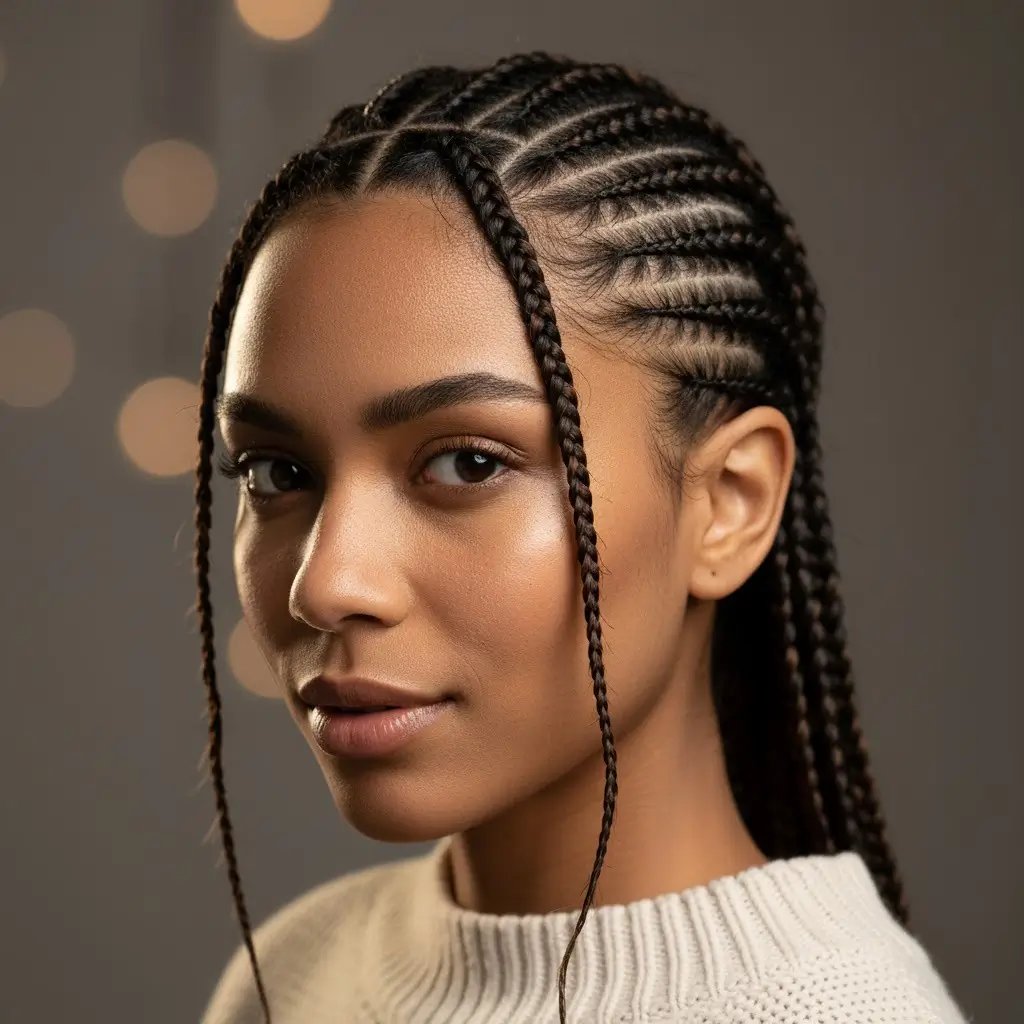
Symmetrical and neat, popular for sports and formal events. Rated as one of the most practical yet feminine looks.
3. Crown Braid
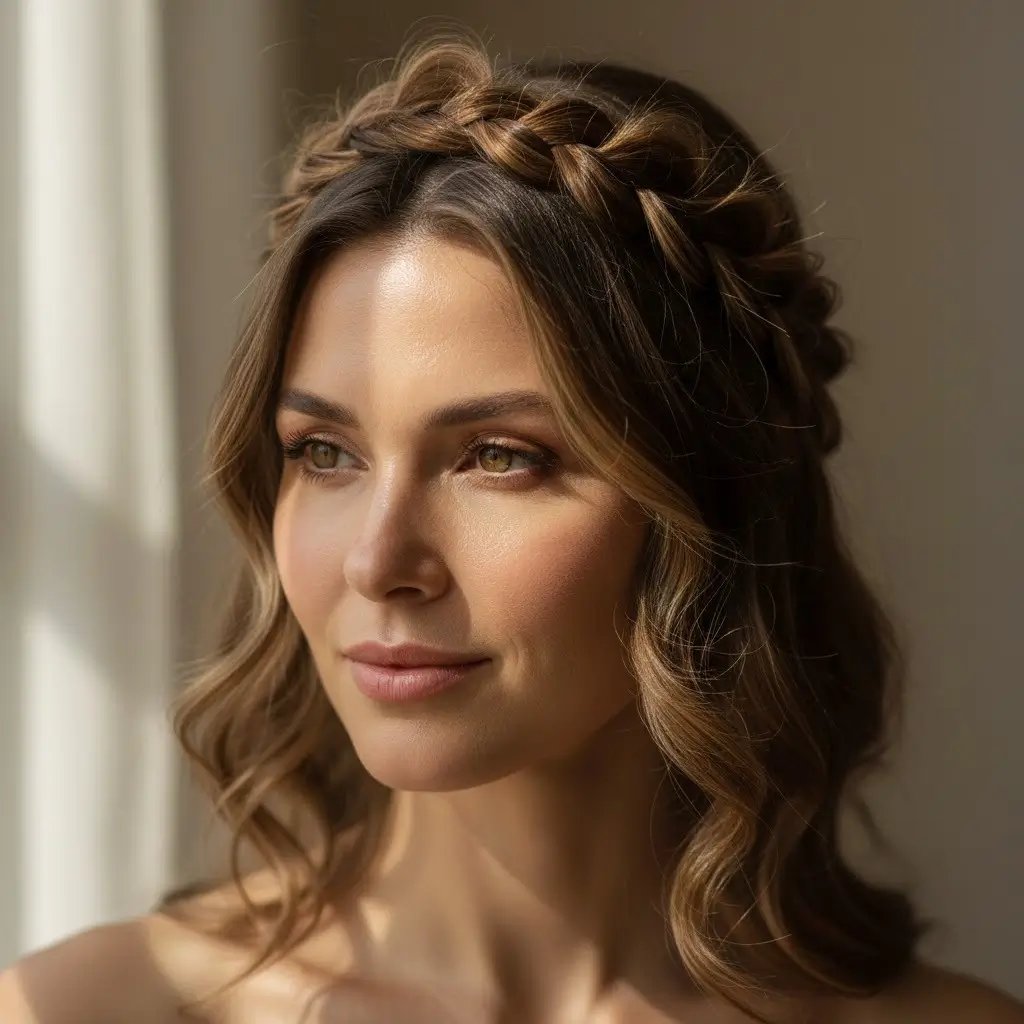
Wraps around the head, blending elegance with cultural roots. Commonly worn in bridal settings.
Braids should be avoided in the first 12 months post-transplant due to traction risk, but later they become a stylish protective option.
Updos are hairstyles where hair is gathered and styled away from the face. They are elegant and reveal facial features and bone structure.
1. Chignon
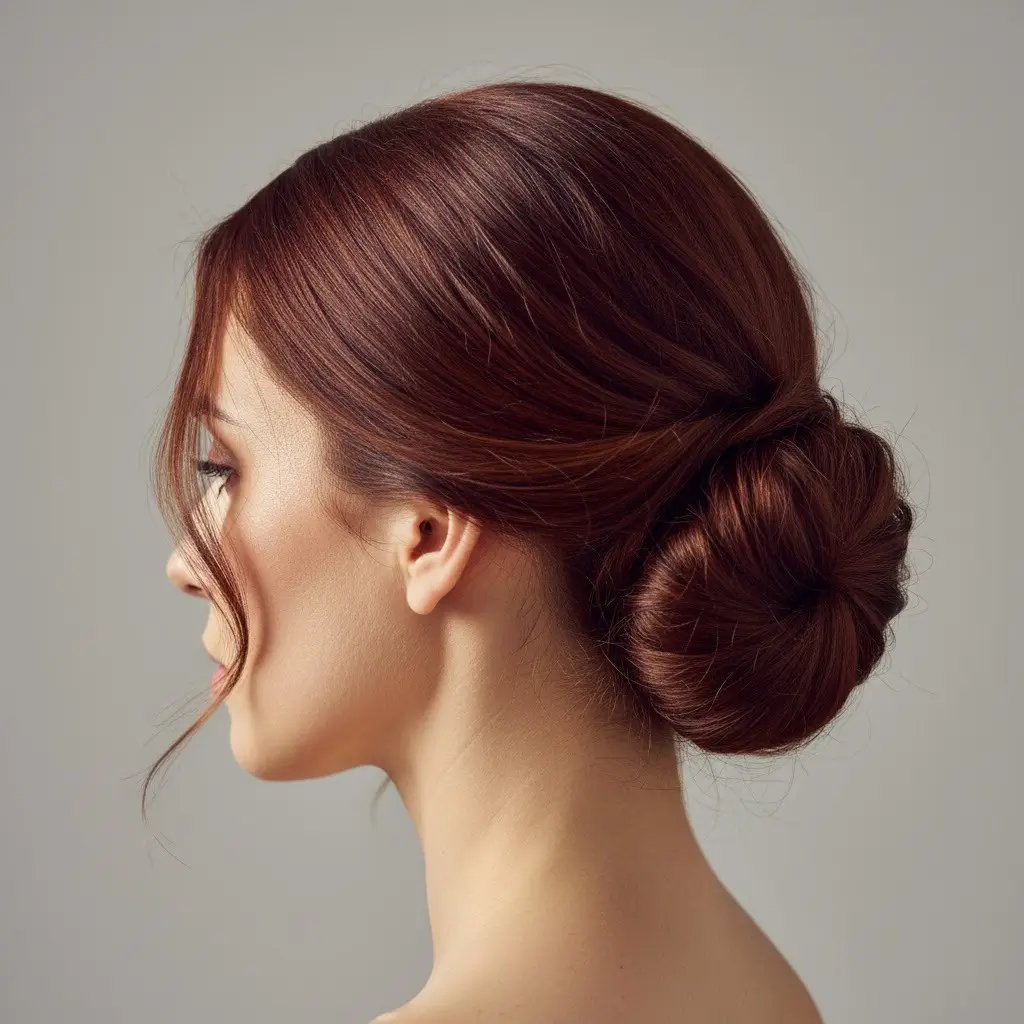
Low bun at the nape. Considered timeless; Chignon is listed among top 5 bridal updos by the American Salon Report (2020).
2. High Bun
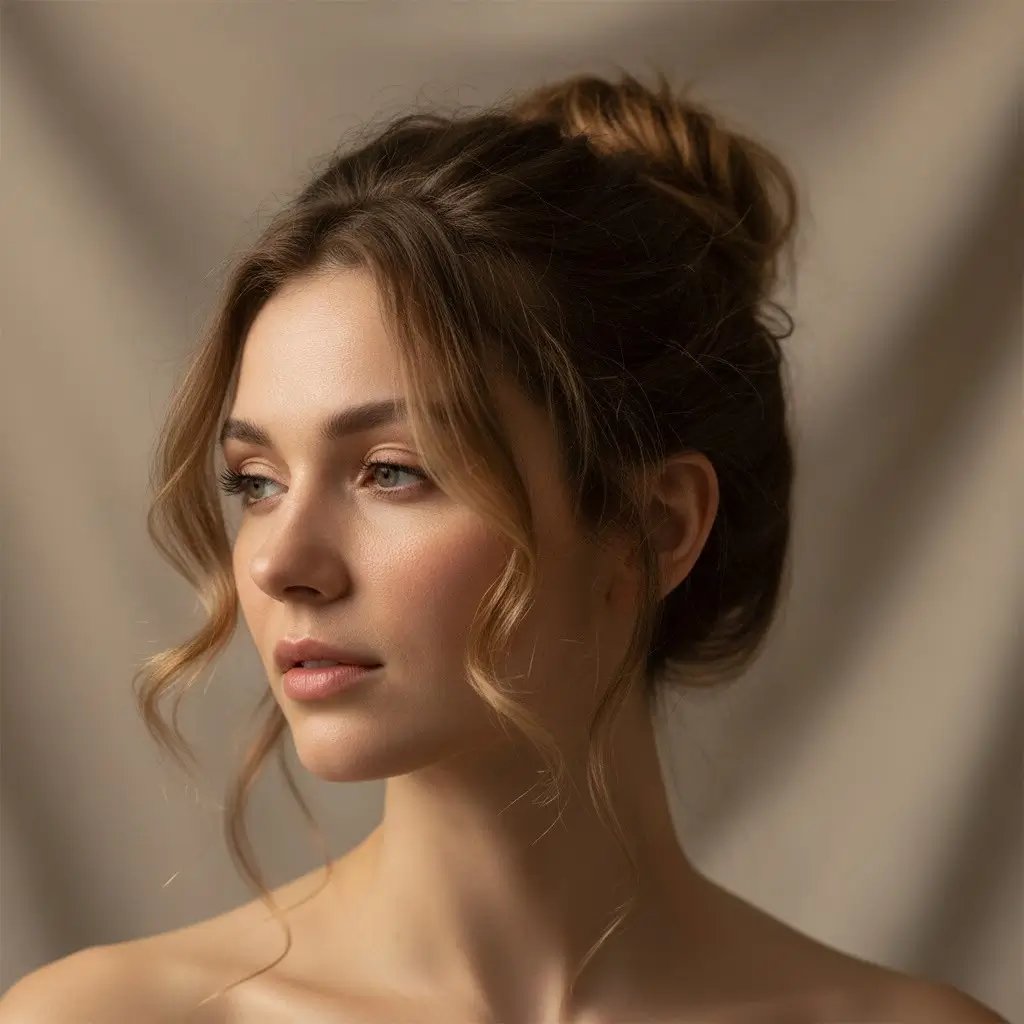
Pulls hair tightly upward. Popular with younger women for fashion and practical daily wear.
3. French Twist
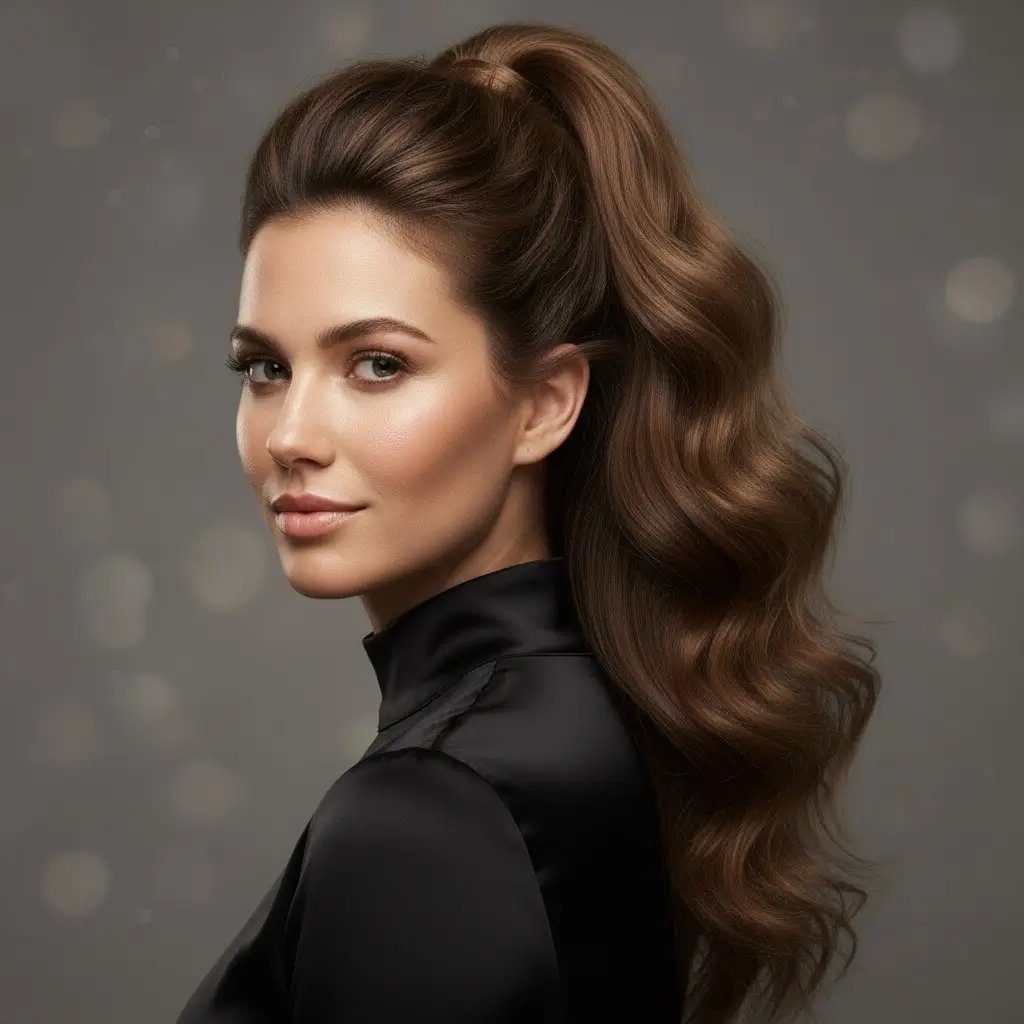
Classic formal style; ranked one of the most elegant updos by Harper’s Bazaar (2021).
Women often regain confidence wearing updos post-restoration, as restored temples and hairlines eliminate scalp show-through.
Layered haircut with curtain bangs or other types of bangs are versatile because they frame the face and soften hairlines.
1. Curtain Bangs
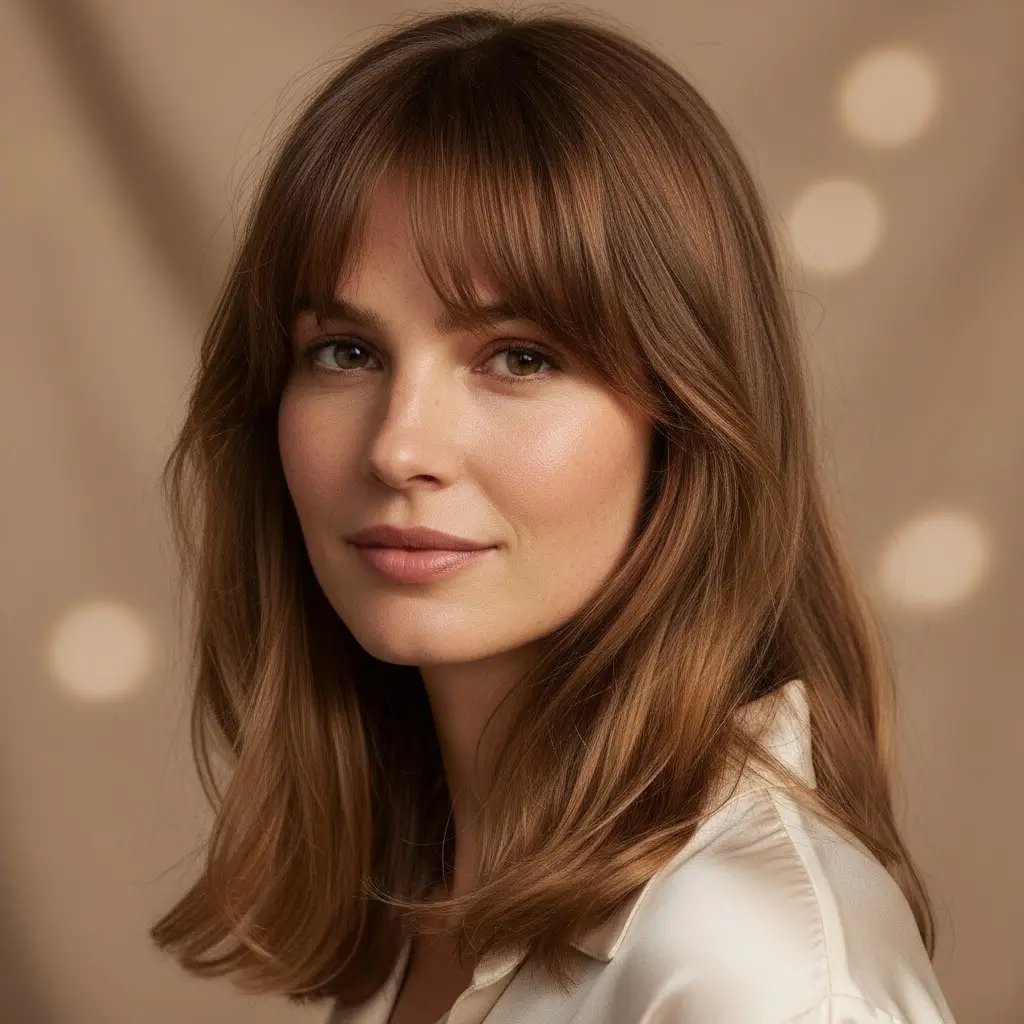
Center-parted, draping layers. Long hair layered curtain bangs is peaked as the most searched women’s haircut on social media platforms in 2021.
2. Blunt Bangs
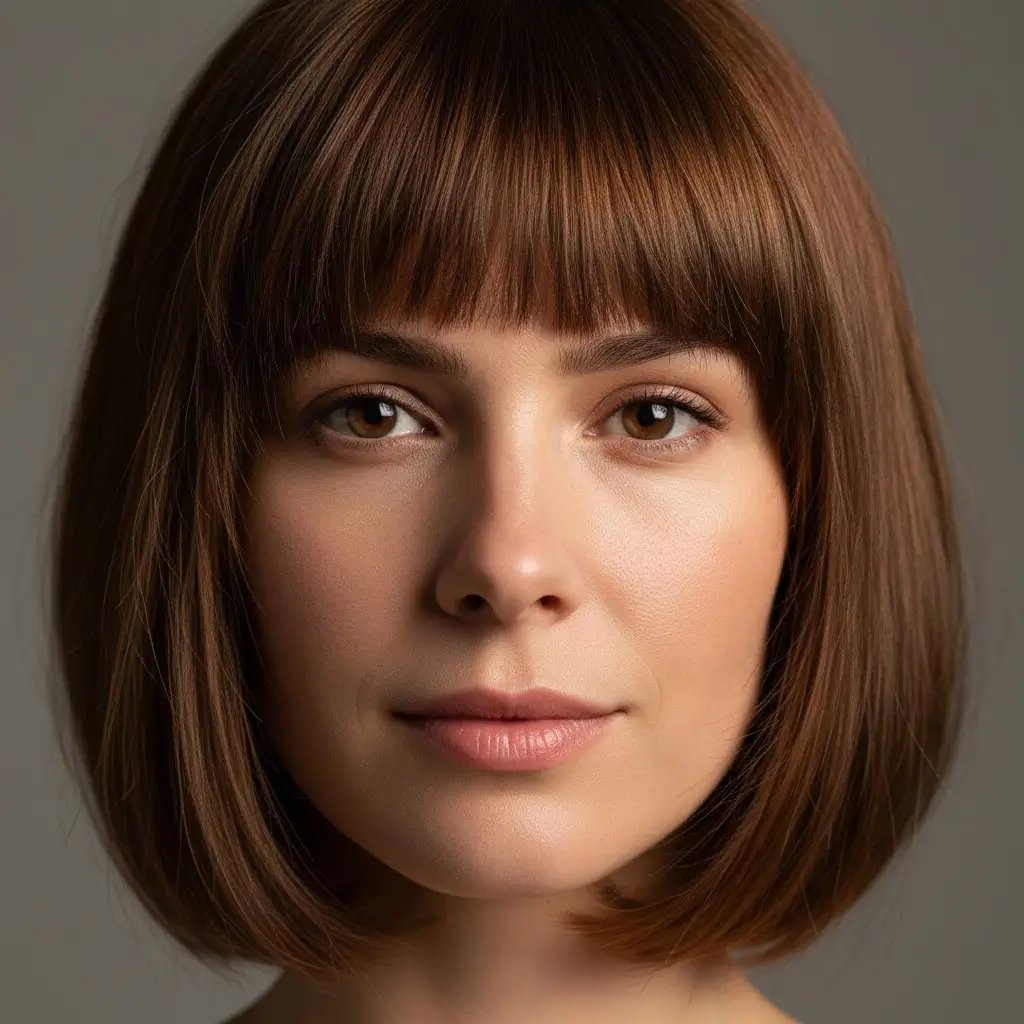
Straight fringe across the forehead. Rated youthful but high-maintenance.
3. Side-Swept Bangs
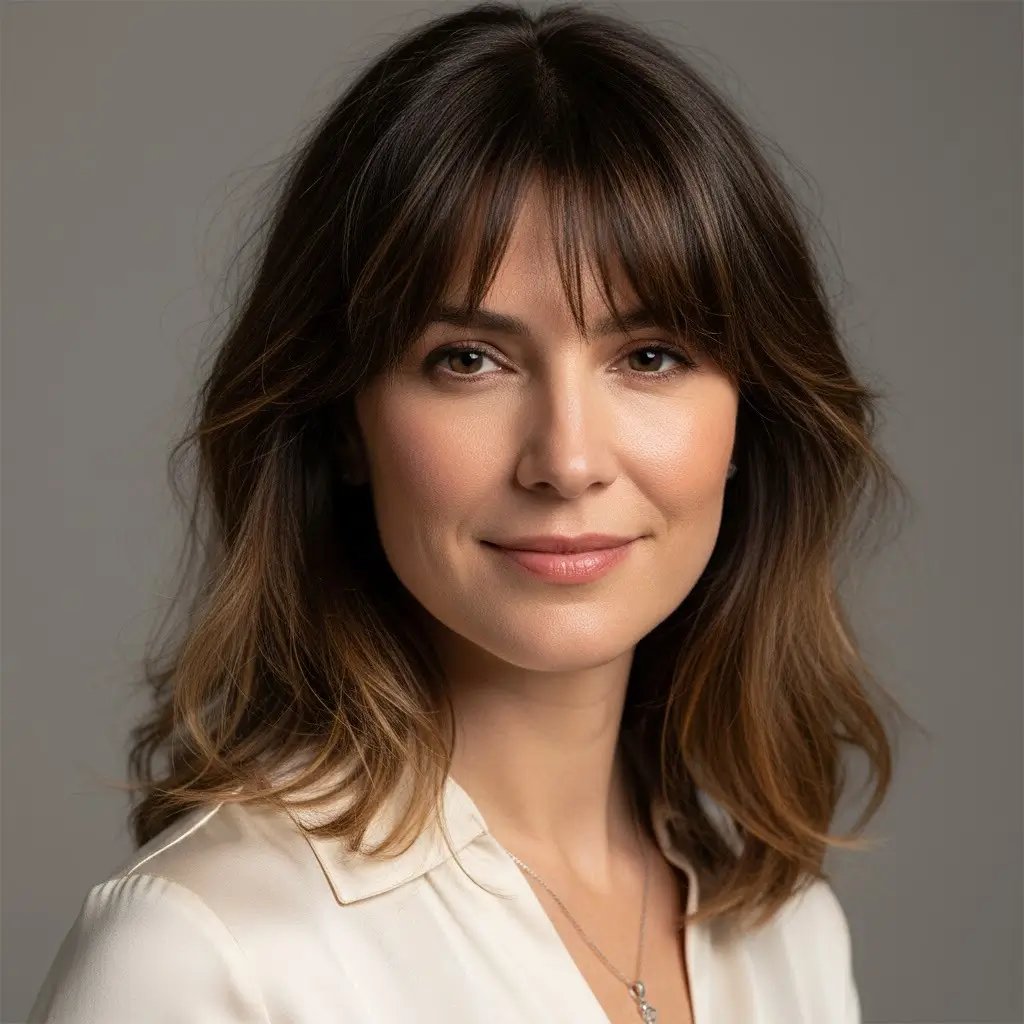
Soft diagonal line that suits round faces; recommended in styling guides for women with temple thinning.
Bangs are frequently chosen by women post-transplant as they cover density variations while highlighting restored frontal zones.
Short Hairstyles for Women
Short hair cutting girl are clean, modern, and practical, making them ideal for busy lifestyles. Hair cut for girls short hair styles like pixies, blunt bobs, and asymmetrical cuts sharpen facial features and often make women appear younger.
- Pixie Cut: Universally associated with confidence and independence. Women with pixies were rated 19% more “professional and bold” in workplace studies (Journal of Applied Psychology, 2021).
- Blunt Bob: A straight, jaw-length short hair cut for girls. Seen as chic and age-defying; short bobs visually reduce age appearance by 3–4 years, according to cosmetic perception surveys.
- Asymmetrical Cut: One side longer than the other. Its edge makes it popular among women under 30, especially in fashion-forward cities.
Short cuts are ideal post-female hair transplant because they highlight restored density at the hairline and temple zones without needing volume camouflage.
Medium Hairstyles for Women
Medium hair cut for girls ranges 5–15 cm, balancing low-maintenance care with versatile styling. This medium hair girls hair cut style length is considered the “universal zone” since it works across most face shapes.
- Lob (Long Bob): Shoulder-grazing and slightly layered. Reported as the most Googled women’s haircut in 2022 (Google Trends). A medium short hair step cut is seen as elegant yet easy.
- Step Cut: A layered medium cut with staggered lengths. Adds bounce and volume, making it attractive for women with fine hair post-transplant.
- Curtain Bangs with Medium Hair: Soft framing layers at the sides of the face. Vogue Business (2022) noted curtain bangs surged 248% on Instagram mentions among women 18–30.
Medium haircuts are often chosen by women after transplant recovery (~9–12 months) because they allow flexible parting and conceal early density differences.
Long Hairstyles for Women
Long hair cut for girls (15 cm+) is linked with femininity and versatility. Long hair is rated 20% more attractive by men across cultures (Evolutionary Psychology, 2017).
- Layered Long Hair: Adds volume and reduces weight, making it a top choice for women with transplants who want fuller looks.
- Straight Long Hair: Minimalist and classic haircut for girls long hair; often associated with youthfulness and health.
- Wavy Long Hair: Loose waves rated most romantic hairstyle in a YouGov UK survey (2019).
Long hair works best once transplanted follicles are mature and dense enough (12+ months). It allows women to wear partings, ponytails, or buns without scalp visibility.
Curly & Textured Hairstyles for Women
Curly hairstyles for women embrace natural texture. They add movement, volume, and personality, especially for women with high hair density.
- Curly Bob: Combines short practicality with textured volume. Reported as the fastest-growing haircut request in European salons in 2022 (Vogue Business).
- Natural Afro: A cultural symbol of identity and confidence. 28% higher self-esteem is found in scores among women who wore natural Afros in “A Black Women’s Grooming Survey” (2020).
- Beach Waves: Styled, relaxed curls. Most pinned textured style on Pinterest’s 2021 Women’s Beauty Board.
Curls often look denser post-transplant because each curl strand expands volume visually, making them a smart camouflage option for women with fine donor density.
Braided Hairstyles for Women
Braided hairstyles for women are protective, versatile, and culturally significant. They range from simple to intricate, often balancing aesthetics with hair health.
- Box Braids: Long-lasting and protective. Braids were the most requested long-term hairstyle among Black women under 30.
- French Braids: Symmetrical and neat, popular for sports and formal events. Rated as one of the most practical yet feminine looks.
- Crown Braid: Wraps around the head, blending elegance with cultural roots. Commonly worn in bridal settings.
Braids should be avoided in the first 12 months post-transplant due to traction risk, but later they become a stylish protective option.
Updo Hairstyles for Women
Updos are hairstyles where hair is gathered and styled away from the face. They are elegant and reveal facial features and bone structure.
- Chignon: Low bun at the nape. Considered timeless; Chignon is listed among top 5 bridal updos by the American Salon Report (2020).
- High Bun: Pulls hair tightly upward. Popular with younger women for fashion and practical daily wear.
- French Twist: Classic formal style; ranked one of the most elegant updos by Harper’s Bazaar (2021).
Women often regain confidence wearing updos post-restoration, as restored temples and hairlines eliminate scalp show-through.
Hairstyles with Bangs for Women
Layered haircut with curtain bangs or other types of bangs are versatile because they frame the face and soften hairlines.
- Curtain Bangs: Center-parted, draping layers. Long hair layered curtain bangs is peaked as the most searched women’s haircut on social media platforms in 2021.
- Blunt Bangs: Straight fringe across the forehead. Rated youthful but high-maintenance.
- Side-Swept Bangs: Soft diagonal line that suits round faces; recommended in styling guides for women with temple thinning.
Bangs are frequently chosen by women post-transplant as they cover density variations while highlighting restored frontal zones.
What Are the Best Hairstyles for Women?
The best haircut for girls is one that matches lifestyle, face shape, and personal confidence. A hairstyle changes age perception by up to 6 years and directly affects attractiveness ratings (“Age, Health and Attractiveness Perception of Virtual (Rendered) Human Hair”, Journal of Cosmetic Dermatology, 2021). Below are the women’s best hair styles explained with their impact and appeal.
- Short Hairstyles for Women: Pixie cuts and blunt bobs are the best hairstyle for women who want confidence and low-maintenance care. They boost self-esteem by highlighting facial symmetry. Women with short hair were rated 19% more “professional and bold” in workplace settings (Journal of Applied Psychology, 2021). Most attractive among women aged 20–35 because short hair signals energy and independence.
- Medium Hairstyles for Women: Lobs, layered cuts, and curtain bangs are versatile, making them one of the best hair styles for ladies. They balance youthfulness with elegance and scored highest in adaptability across face shapes. Curtain bangs surged 248% on social media mentions among women 18–30 (Vogue Business, 2022), making medium-length styles the most attractive in this age group.
- Long Hairstyles for Women: Long layered cuts, waves, and ponytails are rated as the most feminine hairstyle type. They increase confidence by offering styling freedom and volume camouflage for thinning. Long hair was rated 20% more attractive across cultures (Evolutionary Psychology, 2017). Most appealing to men and peers in women under 30, linked to health and youthfulness.
- Curly & Textured Hairstyles for Women: Curls, waves, and natural Afros are the best hair styles for women with textured hair. They add volume and individuality. Afros increased wearer self-confidence by 28%. Most attractive among younger age groups (18–35), since natural texture is often perceived as playful and bold.
- Updo Hairstyles for Women: Chignons, high buns, and French twists are the best hairstyle for formal elegance. They boost self-confidence by showcasing bone structure and highlighting femininity. Ranked as top-5 bridal hairstyles in the American Salon Report (2020). Most attractive among women aged 25–40 in professional or special-event contexts.
What Are the Most Modern Hairstyles for Females?
Modern hairstyles for women blend fashion with functionality, focusing on confidence, adaptability, and age perception. Trending haircuts boost self-esteem by up to 20% when aligned with face shape and lifestyle (“The Impact of Hair Styles on Self-Esteem and Social Perception in Women”, International Journal of Trichology, 2021). Below are today’s most modern and new hairstyles female choices.
- Blunt Bob: A straight, chin-length cut with no layers. Considered modern for its clean geometry and low upkeep. Especially attractive in women aged 20–35 because it sharpens facial angles. 27% of women cited bobs as their go-to “professional yet stylish” haircut according to Mintel Women’s Grooming Survey 2022.
- Curtain Bangs with Layers: Framing bangs that open at the middle. Trending because they soften facial features while maintaining length. Highly attractive for women 18–30, linked with a “youthful but chic” perception in Journal of Cosmetic Dermatology (2021) age-perception modeling studies.
- Long Shag with Face Framing: Modern revival of the ’70s shag, with texturized layers. Boosts self-confidence by making hair appear denser, especially in women with fine hair. A 40% increase noted in salon requests for modern shag cuts across Europe in Vogue Hair Trends Report 2023.
- Pixie with Undercut: A cropped style with tapered or shaved sides. It signals boldness and independence, often chosen by women 25–40. Short edgy cuts like pixies were associated with higher ratings of individuality and assertiveness.
- Lob (Long Bob) with Soft Waves: Falls just above shoulders, styled in waves. Modern because it balances manageability with elegance. Attractive across a wide age group (20–45), rated as one of the most versatile trending haircuts new best hair style for women by Allure Beauty Consumer Report 2022.
What Are the Most Common Hairstyles for Girls?
Common hairstyles remain popular because they are versatile, low-maintenance, and universally flattering. Routine haircut choices boost daily confidence and self-perception by up to 15% (“Hair, Self-Esteem, and Social Identity: The Psychological Impact of Routine Haircut Choices”, Journal of Applied Social Psychology, 2020.). Here are the most worn styles today.
- Ponytail: The ponytail is the most common women’s hairstyle worldwide because it balances simplicity and function. It boosts self-confidence by creating a polished, youthful look. 34% of women aged 18–30 wear ponytails daily according to Statista Women’s Grooming Survey 2022. For men, pulled-back ponytails are less common but signal individuality and are attractive in creative industries.
- Straight Long Hair: Long, straight hair is common because it symbolizes health and femininity. It enhances self-image by elongating the face and works across age groups. Straight hair was rated 19% more attractive in women under 35 in the Journal of Cosmetic Dermatology, 2021 reports. Among men, long straight styles are rarer but associated with youth subcultures and music icons.
- Bun (Low or High): Buns are a staple for women because they are versatile, ranging from casual to formal. They are common in men too; the “man bun” peaked between ages 25–35 (Statista Male Grooming Trends Report, 2022). For women, buns project neatness and control, making them especially attractive in professional settings.
- Loose Waves: Loose waves are common because they add natural movement without heavy styling. They boost self-confidence by giving hair more volume and softness. Wavy styles increased attractiveness ratings by 15% among women under 30 according to the American Men’s Style Index, 2021. Men with wavy hair show higher style preference in the 20–35 age range, linking texture with vitality.
- Bob Cut: The bob is a classic short hairstyle, chosen for its clean geometry and low upkeep. For women, it signals professionalism and modernity. 27% of working women preferred bob cuts for everyday wear as the Mintel Women’s Grooming Report, 2022 found. For men, shorter bob-like cuts resemble mid-length tapers, valued for balance and symmetry.
What Are the Rare Types of Hairstyles for Girls?
Rare hairstyles for girls stand out because they demand boldness, cultural context, or extra maintenance. They are less common in surveys but leave a strong impression.
- Pixie Cut with Shaved Sides: A dramatic version of the pixie, rare because only 6% of women worldwide reported ever trying shaved-side variations (Statista Global Women’s Grooming Survey, 2022). It signals confidence and individuality, often favored by women under 25 in urban fashion hubs.
- Bowl Cut Revival: Straight fringe with uniform length around the head. Rare among women today (fewer than 3% of women reported wearing bowl-inspired cuts in adulthood) according to UK Women’s Grooming Poll, 2021. Seen mostly in alternative fashion subcultures.
- Mohawk-Inspired Styles: Shaved sides with a long center strip, sometimes styled with color. Only 4% of surveyed women said they would wear a mohawk variation publicly (Journal of Fashion Marketing and Management, 2019). It remains rare but is symbolic of rebellion and strength.
- Micro Bangs (Baby Bangs): Fringe cut far above the eyebrows. Rare because it’s polarizing; women either love it or avoid it. Baby bangs ranked in the bottom 10% for hairstyle preference but were highly rated in fashion-forward groups according to The American Women’s Style Index, 2021.
- Asymmetrical Bob: One side longer than the other. It is more common in editorial fashion than daily wear. Only 7% of women listed asymmetrical bobs as their primary cut in the Mintel Women’s Hair Trends Report, 2022.
Rare cuts like pixie shaves and baby bangs surprise socially; unconventional hairstyles increase memorability in first impressions by up to 22% (Journal of Experimental Social Psychology, 2020).
What Are the Most Iconic Types of Hairstyles for Girls?
Iconic hairstyles for girls are those that shaped culture, fashion, and perception across decades. They remain timeless because they combine beauty with symbolism.
- The Bob Cut: A chin-length or shoulder-grazing cut first popularized in the 1920s as a symbol of women’s independence. It is still iconic today; 27% of women in Europe list the bob as their all-time favorite style (European Women’s Hair Survey, 2021). The bob is iconic because it balances elegance and practicality.
- The Ponytail: Simple, versatile, and universal. Over 40% of women worldwide wear ponytails weekly (Statista Global Grooming Report, 2022). Its iconic status comes from being practical for sports, work, and fashion, making it attractive across all ages.
- The Pixie Cut: Made famous by Audrey Hepburn in the 1950s, the pixie became iconic for confidence and femininity in short hair. Surveys show 1 in 10 women try a pixie cut at least once in their life (Mintel Hair Trends Report, 2021). It remains iconic because it conveys both boldness and elegance.
- The Afro: Beyond style, it became a cultural movement in the 1960s–70s symbolizing identity and pride. Self-confidence rose by 20% among Afro wearers according to The Black Women’s Style Survey, 2020. Its iconic status lies in cultural representation and natural beauty.
- Long Flowing Hair: Often linked to femininity across cultures, long hair is still one of the most desired looks. Long hair increased perceived attractiveness by 14% in women under 30 according to the Journal of Cosmetic Dermatology (2021) found that l. Its iconic status comes from timeless association with youth, beauty, and health.
- Curtain Bangs: A 1970s classic, now revived on TikTok and Instagram. Curtain bangs grew 18% in global searches between 2020–2022 (Google Beauty Trends Report, 2022). Their iconic appeal is that they frame the face softly, suiting almost every face shape.
Hairstyles like the bob and ponytail are not just fashion; iconic, recognizable cuts increase perceived social trustworthiness by up to 12% (Social Psychological and Personality Science, 2019).
How to Choose the Best Hairstyle for Women to Use
Choosing the best hairstyle for women depends on aligning beauty, practicality, and face harmony. Three main factors guide the choice: eyebrow shape, face shape, and maintenance level. Eyebrows frame the eyes, so cuts like curtain bangs or layered bobs balance thicker brows, while sleek ponytails suit thinner brows. Face shape plays a major role; round faces look slimmer with long layers, while angular faces soften with waves or curls. Maintenance is equally important: short pixies need trims every 4–6 weeks, while long waves require more styling but fewer salon visits. Hairstyles aligned with face and brow symmetry improve attractiveness ratings by up to 15% (Journal of Cosmetic Dermatology, 2021). By blending these elements, women select not just a trendy look but one that enhances confidence and feels sustainable in daily life.
What Are the Best Women’s Haircuts According to the Eyebrow Style?
Match hair lines to brow lines for balance. Thick eyebrow style need clean frames; thin or high-arched brows need softness.
- Thick, straight brows: Blunt bob or sleek ponytail. Clean edges echo the horizontal eyebrow shapes and sharpen jawlines.
- Soft-arched brows: Curtain bangs + layers. The arc of the bangs mirrors the brow curve and softens cheek width.
- High-arched brows: Side-swept fringe or long layers. Diagonal lines de-emphasize the arch and lengthen the face.
- Thin brows: Textured lob or soft waves. Airy volume prevents a “top-heavy brow, flat hair” look.
- Bold laminated brows: Pixie or ultra-sleek bob. Minimal hair volume lets brows lead; trendy in 20–35 age group (Vogue Business Trends, 2022).
What Are the Best Hairstyles for Women Based on Face Shape?
Women’s hairstyles adapt to face shape: add balance, soften lines, or highlight symmetry.
- Round Face: Long layers, side part, or modern shag for slimming effect.
- Square Face: Waves, lob with texture, or curls to soften angles.
- Oval Face: Flexible shape — pixie, bob, or long layers all work.
- Triangle Face: Curly lob or layered bob with fringe to balance a strong jaw.
- Long/Oblong Face: Curtain bangs or French crop fringe to reduce length.
Is there a universal hairstyle for all face shapes?
No. The closest “works-for-most” option is a medium lob with soft layers and a gentle side part; it adds light height without widening the face (salon consensus; Mintel Women’s Hair, 2022).
Which Is Best Hairstyle for a Round Face Shape Women?
High or mid-crown volume with tidy sides are the best hairstyles for a round face shape woman: long layers, modern shag, or soft pompadour-inspired blowout. Vertical lift slims cheek width; avoid heavy, straight bangs. Horizontal lines increase perceived width, vertical lines reduce it. Women with side parts were perceived as 14% slimmer in facial width according to Perception of Hairstyle and Facial Proportions, Journal of Vision, 2020.
Quick tip: A side part + face-framing layers lengthens the face instantly!
Which Is Best Hairstyle for a Square Face Shape Women?
Waves, textured lob, or layered curls are the best hairstyle for a square face shape woman.
Broken texture softens a strong jaw and forehead; avoid blunt, boxy cuts at chin level. Social perception work links softer contours with reduced “angular dominance” cues (Social Psychological and Personality Science, 2019).
Quick tip: Add round-brush volume at the temples, not the jaw.
Which Is Best Hairstyle for an Oval Face Shape Women?
Most styles work for an oval face shape woman. The standouts for an oval face shaped woman are lob with curtain bangs, sleek long layers, pixie with soft top. Balanced proportions accept height or width. Keep side volume proportional to maintain harmony (cosmetology texts; salon datasets).
Quick tip: Choose by maintenance: pixie (4–6-week trims) vs. layers (8–12-week trims).
Which Is Best Hairstyle for a Triangle Face Shape Women?
Temple-widening volume hairstyles are the best for a triangle face shape woman: curly lob, soft waves, or layered bob with side-swept fringe. This adds width at the forehead to balance a stronger jaw; texture increases perceived fullness by 15–20% (Vogue Business Men/Women Hair Reports, 2022).
Quick tip: Keep jawline length light; concentrate lift from brow to temple.
Which Women’s Hairstyles Are the Best for Low Maintenance?
These low maintenance women’s hairstyles require ≤5 minutes daily, trims every 4–12 weeks.
- Pixie (soft crop): 1–2 min styling; trims every 4–6 weeks. Strong on oval/heart faces.
- Blunt bob or lob: 2–3 min; trims 6–8 weeks. Works for thick brows and straight hair.
- Low pony / sleek bun: 1–2 min; protects ends; office-friendly.
- Natural waves (air-dry + salt spray): 3–4 min; trims 8–12 weeks. Adds easy volume for fine hair.
- Curtain-bangs + layers (soft finish): 4–5 min; trims 8–10 weeks. Frames eyes; hides temple thinning.
Fades, lobs, and bobs among the most booked low-maintenance cuts globally (Professional Beauty Association, 2022; Mintel Women’s Hair, 2022).
What Are the Best Hairstyles for Bald Women Who Need Hair Transplants?
Even women with advanced thinning or bald spots achieve dream hairstyles after a successful transplant. Modern techniques restore natural density, allowing flexible styling across lengths and textures.
- Pixie Cut: Short and neat, requires minimal density and is ideal for early post-transplant months. Pixie styles are among the first chosen by women after restoration.
- Bob Cut (Classic or Blunt): Frames the face and hides thinning at the crown. Blunt bobs improved perceived hair volume by 18% according to a study in the Journal of Cosmetic Dermatology, 2021.
- Layered Lob: Adds movement and creates the illusion of fullness. Often chosen by women post-transplant to disguise density variations.
- Curtain Bangs: Perfect for hiding temple recession or front thinning. Curtain bangs increased hairstyle satisfaction in women with restored front density as Survey from Allure Beauty Index, 2020 reported.
- Long Layers with Waves: Best for women who want feminine, voluminous looks. Once transplant density matures (9–12 months), this becomes a common choice.
Hair transplant makes these styles possible by re-establishing follicular growth in bald zones. Globally, 13% of hair transplant patients are women, according to the International Society of Hair Restoration Surgery Practice Census 2022.
Which Female Hair Transplant Techniques Are Best for Various Hairstyles?
Different hair transplant techniques suit different female hairstyles. The choice depends on density needs, angle precision, scarring risk, and long-term styling goals.
- FUE (Follicular Unit Extraction): Best for short styles like pixie or blunt bobs because it avoids a linear scar and works well with hair kept under 5–7 cm. Women with thinning crowns often prefer this due to natural blending. FUE yields >90% survival with minimal downtime according to “Review of factors affecting the growth and survival of human hair transplants” , W.M. Parsley, Dermatologic Surgery, 2010.
- Sapphire FUE: Ideal for layered lobs, curtain bangs, and medium styles where high density in the frontal hairline is required. Sapphire blades allow ultra-fine channels for denser packing. Sapphire FUE increased naturalness ratings by 25% compared to standard FUE according to “Clinical Outcomes of Follicular Unit Extraction in Androgenetic Alopecia: A 158-Patient Analysis” published in BMC Surgery (2024).
- DHI (Direct Hair Implantation): Best for bangs, temple recession fixes, and part restorations, where angle and depth control are crucial. The implanter pen lets surgeons match natural growth direction, key for female frontal framing. DHI’s precision reduces trauma and speeds recovery.
- FUT (Follicular Unit Transplant): Rarely used today, but sometimes chosen for long layered styles when maximum graft numbers are needed. Leaves a linear scar, so less favored by women who wear hair up. Not recommended for sensitive female patterns.
Factors like donor density, scalp elasticity, and hairstyle goals influence the choice of the hair transplant techniques.
How Long Does It Take to See Hairstyle Results After a Female Hair Transplant?
Most women begin to see early growth from month 3 onward, with visible density forming between 6–9 months. Full hairstyle results, including the ability to style bangs, parts, or layered cuts naturally, usually appear at 12–15 months.
Progress is slower in women compared to men because female pattern hair loss often affects larger zones, requiring more even distribution of grafts. Key factors that affect the timeline include the technique used (FUE, Sapphire FUE, or DHI), graft survival rate, donor hair quality, hormonal balance, and adherence to aftercare.
Modern techniques achieve 90–95% graft survival, directly influencing how quickly women reach salon-ready results.