

A hair transplant is a medical procedure that restores hair to areas where it has thinned or stopped growing. Surgeons achieve this by moving healthy follicles from the donor zone, usually the back of the scalp, to the region that needs density.
Hair loss, whether on the scalp or face, is a common issue for men worldwide, often linked to genetics, hormonal changes, or scarring. While scalp transplants have long been used to treat baldness, the same approach corrects patchy or uneven beards.
For men with patchy or thin facial hair, a beard transplant is the most effective way to achieve a fuller and denser look. Costs vary by country and clinic, ranging from about €2,000 in Turkey to €14,500 in the United States. The process involves consultation, extraction of 2,000–5,000 grafts, and careful implantation at natural beard angles, followed by a 9–12 month recovery period for full results. Quality depends on the surgeon’s experience, the clinic’s standards, and the patient’s donor supply, while considerations include overall health, healing capacity, and realistic expectations of density and style.
What Is Beard Hair Transplant?
A beard transplant is a hair transplant technique that relocates healthy hair follicles from a donor area, most often the back of the scalp, to areas where hair is missing or thin. While this method is widely known for treating scalp baldness, it has expanded to facial hair restoration. Beard hair transplant has become one of the most requested procedures in recent years, especially among men who struggle with patchy growth or want to achieve a denser, well-shaped beard.
A beard transplantation is a type of hair transplant specifically designed for the beard region. It thickens existing facial hair or creates an entirely new beard when natural growth is limited. By extracting and implanting 2,000–5,000 grafts depending on style and density goals, surgeons can build a natural-looking beard line that is trimmed, shaved, and styled just like naturally grown hair.
For men who have long wanted their “dream beard,” hair transplant beard provides a permanent and reliable solution. It is particularly useful for those affected by genetics, hormonal imbalance, scars, or burns that leave gaps in facial hair. Unlike temporary fixes such as beard fillers or topical products, transplanted follicles grow for life.
The popularity of facial hair restoration has grown over the past decade, with the International Society of Hair Restoration Surgery (ISHRS) 2022 Practice Census identifying it as one of the fastest-growing areas of cosmetic hair surgery. Beard hair transplant success rates reach 90–95% at one year, consistent with graft survival data reported for the beard region specifically (Gupta et al., 2019), with high patient satisfaction when performed in experienced centers.
Retrospective cohort data from Vera Clinic Academy adds further detail to this picture. In a study of single-region Sapphire FUE hair transplantation to the beard, moustache, eyebrow, and sideburn, 35 beard-region patients were assessed at 12 months. Graft survival averaged 93.4% (range 85–99%), the highest of the four facial subregions studied, and independent observer rating scored naturalness and symmetry as good to very good in 88.6% of cases, also the highest among the four. Mean patient-reported satisfaction was 4.5 out of 5, and all recorded complications (11.4%) were mild and transient, according to the Facial Hair Transplant Satisfaction Study (Vera Clinic Academy, 2026).
When to Consider Getting a Beard Hair Transplant?
A beard hair transplant becomes necessary when natural facial hair growth is limited, patchy, or permanently absent. Men usually consider this option when genetics, hormones, scars, or medical conditions prevent them from achieving a full beard. Unlike temporary fixes, a transplant provides a permanent solution because transplanted follicles continue to grow for life. It is appropriate for men who desire a denser or more defined beard and have not found success with medications or topical products. Beard transplantation is most effective when performed on patients with a stable donor area at the back of the scalp, where hair is genetically resistant to thinning.
Situations where a beard hair transplant is needed include:
- Inability to grow facial hair naturally due to genetics.
- Patchy or uneven beard growth that does not improve over time.
- Facial scars or burns that prevent natural hair growth.
- Hormonal imbalance leading to reduced beard density.
- Previous surgeries or trauma that caused localized hair loss.
- Men seeking to redesign or thicken their beard for aesthetic reasons.
Recognizing which of these situations applies is usually the first step toward a productive consultation.
How Much Does Beard Hair Transplant Cost?
Beard hair transplant cost is the total expense men pay to restore facial hair through surgical grafting. The cost is not fixed and depends on several factors such as country, clinic standards, chosen technique, and desired beard shape. Below is a breakdown of the main points that define beard transplantation pricing:
- Price Range: Beard transplantation usually costs between €1,500 and €14,500 worldwide.
- Country Variation: Facial hair transplant cost changes depending on the country. Clinics in the U.S. or UK charge higher fees, while countries like Turkey and India provide the same procedure at much lower rates.
- Shape and Technique Impact: Complex beard shapes or advanced techniques such as DHI increase the price compared to standard FUE.
- Low-Cost Destinations: The countries with the lowest costs for beard transplantation include Turkey, India, Mexico, Thailand, and Poland.
| Country | Estimated Cost (USD) | Estimated Cost (Local Currency) |
| Turkey | €2,000 - €3,500 | ₺60,000 – ₺100,000 |
| India | €1,850 – €3,200 | ₹170,000 – ₹290,000 |
| Mexico | €2,300 – €3,700 | Mex$43,000 – Mex$69,000 |
| Thailand | €2,300 – €4,150 | ฿95,000 – ฿150,000 |
| Poland | €2,750 – €4,150 | zł12,000 – zł18,000 |
Regardless of destination, graft count and technique remain the two factors that shape the final price most directly.
How Much Does a Full Beard Transplant Cost?
A full beard transplant usually costs between €4,600 and €13,700, depending on the country, clinic, and number of grafts required. In Turkey, the same procedure falls within the €2,000–€3,500 range, while clinics in the United States or the UK charge significantly higher fees due to higher medical costs and regulations.
A full beard hair transplant is more expensive than partial procedures because it requires a larger number of grafts (often 4,000 to 5,000 follicles) to cover the cheeks, mustache, jawline, and chin evenly. The surgery takes longer, involves more precision in graft placement, and demands advanced planning to ensure symmetry and natural density across the entire face. Clinical reports show that larger sessions, such as those for full beard transplantation, require additional staff, extended operating time, and advanced instruments, all of which increase the final cost.
For men who want to achieve a complete transformation, full beard transplant before and after results demonstrate the dramatic difference this procedure creates, turning patchy or sparse growth into a permanent, dense, and well-shaped beard. This makes a full beard transplant a long-term investment in both appearance and confidence.
What Are the Advantages of Getting a Beard Transplant in Turkey?
There are several advantages to having the procedure performed in Turkey beyond cost. Recovery and healing times are generally short compared to many other surgical procedures, and most patients complete their in-clinic visits within a few days.
- Minimal visible scarring with modern extraction techniques
- Natural-looking, permanent results
- Flexibility to design a wide range of beard styles
- Minimal downtime
Patients can pursue a wide range of beard styles, with minimal disruption to their daily routine during recovery.
Why Choose Vera Clinic for Beard Transplant in Turkey?
Vera Clinic offers beard transplant services in Turkey, combining established surgical techniques with internationally recognized healthcare standards. The clinic provides tailored treatment plans where each beard design is carefully mapped to match the patient’s facial structure and style preferences.
What sets Vera Clinic apart is its 18-month guarantee, which gives patients confidence that their results are both permanent and secure. This guarantee covers graft survival and long-term growth, reflecting the clinic’s commitment to quality. Patients benefit from all-inclusive packages that include airport transfers, luxury accommodation, translation services, and aftercare support, making the entire process seamless for international visitors. Vera Clinic performs a high volume of beard restoration procedures each year, combining competitive pricing with internationally recognized medical standards.
How Do Beard Hair Transplants Look Before and After?
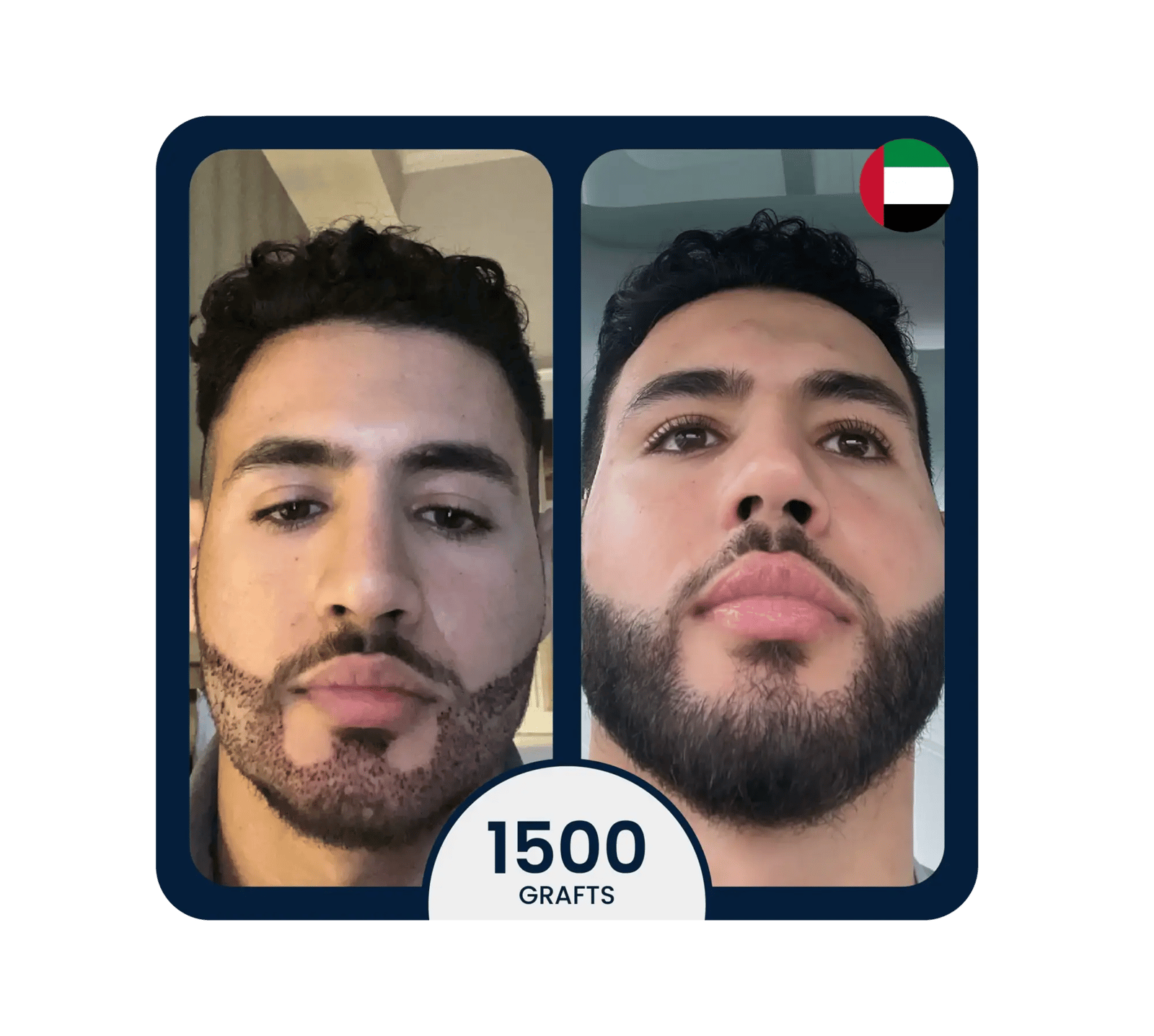
A beard transplant looks natural once growth matures. You see early crusts and redness in the first week, temporary shedding by weeks 2–12, visible regrowth around months 3–4, and full density between months 10–14.
Most patients notice meaningful coverage by month 6 and a finished look by month 12, with final refinement into months 10–14 as new hairs thicken and synchronize. These stages align with standard hair-restoration timelines documented by professional societies and post-op guides.
Check more the beard hair transplant before and after results.
How Does the Facial Hair Beard Transplant Process Work?
A beard hair transplant works by relocating healthy hair follicles from one part of the body, most often the back of the scalp, to the beard region where hair growth is thin or absent. This procedure is known as facial hair restoration, and it delivers permanent results because transplanted follicles keep their natural resistance to hair loss. The beard transplant process is similar to scalp transplantation but requires greater precision since facial hair grows at sharper angles and in varied directions.
The beard transplant procedure begins with consultation and design, where the surgeon evaluates the donor supply and plans the beard shape to fit the patient’s face. Donor hair is then extracted, usually by FUE or DHI technique, and prepared under sterile conditions. The follicles are implanted into the beard zone with careful attention to angle and density to mimic natural beard growth. Hair transplant process healing takes about one week, shedding occurs by the third week, and permanent growth starts around the third month. Final results are visible within nine to twelve months, producing a natural and lasting beard that is styled as normal facial hair.
How Many Grafts Can Be Implanted to Beard?
A beard transplant usually requires 2,000 to 5,000 grafts, depending on the thickness and style the patient wants. Each graft contains one to three hairs, and surgeons often use single hair graft for the mustache and outline to ensure fine detail, while double or triple-hair grafts are reserved for the jawline and chin where density is needed.
The exact number of beard grafts varies according to beard style. A light stubble-style beard needs as few as 1,500–2,000 grafts, while a full “lumberjack” style beard often demands closer to 4,500–5,000 grafts. Beard density averages 20–40 follicular units per cm², while scalp hair can reach 60–100 follicular units per cm². This means surgeons must carefully plan how to distribute grafts across zones to create the illusion of fullness without exhausting donor reserves.
One unique insight is that donor dominance plays a role in how beard grafts mature. Scalp hair transplanted into the beard retains its growth cycle but grows slightly faster than native beard hair in the first year. Over time, hormonal influence, particularly testosterone in the facial region, helps the transplanted grafts thicken and blend in texture. This adaptation phase is why results often look more natural at 12–18 months, not just at the 9-month milestone.
So while the average beard transplant falls within a predictable graft range, the true hair graft number always depends on the chosen style, density goals, and donor capacity, making every case unique.
How Many Grafts Are Needed to Fix Patchy Beard Growth?
Patchy beard growth, whether caused by genetics, scarring, or hormonal factors, requires far fewer grafts than a full beard reconstruction, since only the specific gaps need to be filled rather than the entire facial area. Depending on the size and location of the patches, most cases require between 300 and 1,500 grafts, with smaller, isolated patches on the cheeks or jawline needing the least.
Because the surrounding native hair is often already present, surgeons focus on matching the angle, density, and direction of the transplanted grafts to the existing beard rather than designing an entirely new pattern. This targeted approach generally results in a faster, more affordable procedure compared to a full beard transplant, while still achieving a natural, even appearance.
Who Is a Good Candidate for Beard Hair Transplant?
A good candidate for a beard hair transplant is someone who has a sparse or patchy beard due to genetics, aging, or scarring and wants a fuller, more defined facial appearance. The ideal patient has a healthy donor area, usually at the back of the scalp, with enough strong follicles to cover the desired beard style. Men with realistic expectations about density and healing are better suited for this procedure.
Before undergoing a beard transplant, several factors must be considered. Surgeons assess the quality and quantity of donor hair, overall health, and any history of skin or hormonal conditions. Patients should be aware that while the procedure dramatically improves appearance, density is limited by donor supply.
Not everyone is eligible for a beard transplant. Conditions such as uncontrolled diabetes, active skin diseases like psoriasis or eczema, or very limited donor hair prevent safe and effective surgery. Smoking, poor healing ability, or unrealistic goals affect candidacy.
What Are the Alternatives to a Beard Hair Transplant?
The main alternatives to a beard hair transplant are topical treatments like finasteride or dutasteride and supplements like biotin, zinc, or vitamin D, though none can reliably guarantee a full beard.
Beard growth is largely determined by genetics and hormones, meaning medication alone cannot create new follicles where they do not exist. Pills such as finasteride or dutasteride are used to slow scalp hair loss, but they do not create new facial hair growth. Supplements like biotin, zinc, and vitamin D support the health of existing hair, but scientific evidence does not show that they can make a patchy beard become full.
While nutritional support improves hair quality, androgen-driven areas like the beard depend on follicle presence and testosterone sensitivity, not vitamins or medication alone. For men with naturally sparse or absent beard hair, a beard hair transplant remains the only treatment that permanently adds new hair to the area, making it the most reliable choice among the available hair transplant alternatives.
Which Hair Transplant Techniques Are Used in Beard Growth Surgery?
Beard hair transplant techniques determine how follicles are collected and placed into the beard area, and each method offers different advantages for growth, recovery, and precision. The main hair transplant techniques used in beard surgery are listed below.
- FUE (Follicular Unit Extraction): FUE is widely used for beard transplantation. Individual grafts are harvested from the donor area and implanted into the beard. FUE hair transplant leaves no visible linear scar, healing is fast, and pain is mild, usually fading within 1–2 days. Results look natural and density is tailored to the patient’s style.
- Sapphire FUE: Sapphire FUE is a refined version of FUE that uses sapphire blades instead of steel for channel opening. This allows smoother incisions, smaller wounds, and closer graft placement. It provides higher density, less trauma, and faster healing. Pain is minimal, with most patients describing only mild discomfort in the first 24–48 hours in Sapphire FUE. For beard transplants, sapphire blades are especially useful in designing sharp cheek and jaw lines with natural flow.
- DHI (Direct Hair Implantation): DHI uses implanter pens to directly insert follicles without creating pre-made channels. This allows precise control of depth, angle, and direction, making it one of the most effective options for delicate areas such as mustache and cheek zones. Discomfort is very low, and recovery is fast in DHI hair transplant because the skin experiences less trauma.
- FUT (Follicular Unit Transplantation): FUT involves taking a strip of scalp skin to extract grafts. While it provides a large number of grafts in one session, it leaves a visible linear scar and requires longer healing. Pain lasts 5–7 days, which makes it less suitable for beard surgery today.
Different techniques represent different outcomes. Sapphire FUE and DHI are considered the most effective for beard hair transplants. They provide high survival rates, precise shaping, and fast recovery with natural results. FUE remains a standard choice for balanced results at lower cost, while FUT is used less often due to scarring and discomfort.
Is It Possible to Undergo a Beard Transplant and Mustache Transplant at the Same Time?
Yes, it is possible to undergo a beard transplant and mustache transplant at the same time, and in fact, many patients choose to combine the two for a complete facial hair restoration. Both procedures rely on the same principle: relocating healthy hair follicles from the donor area, usually the back of the scalp, to the target region. Since the donor supply covers both beard and mustache zones in a single session, there is no inherent conflict in performing them together.
The main difference lies in graft count. A full beard often requires 3,000–5,000 grafts, while a mustache usually needs 400–800 grafts. When combined, the surgeon plans density distribution to ensure natural balance between the beard and mustache. Healing overlaps, meaning patients recover from both procedures at the same time, avoiding the need for two separate surgeries.
Combining the two procedures is generally considered safe in clinical practice, since both rely on the same donor extraction and implantation principles, and surgeons plan density distribution across both zones within a single session.
Can You Get a Hair Transplant from Beard to Head?
Yes, you can get a hair transplant from beard to head. In cases where scalp donor supply is limited, surgeons often use beard hair as an additional graft source. This procedure is known as a beard to head transplant, and it has become increasingly common in patients with advanced baldness who need more grafts than the scalp alone can provide.
Beard hair is coarser and thicker than scalp hair, which makes it especially effective for adding density in the crown and mid-scalp areas. Beard-to-scalp transplantation is generally considered a reliable donor source, though because of its different texture, beard hair is usually not used for the frontal hairline, where finer scalp hair gives a more natural look.
The main limitation is donor capacity. Most men provide 2,000–3,000 beard grafts, which is enough to significantly boost coverage when combined with scalp grafts. Healing is slightly longer in the beard area due to visible redness, but scars are minimal with modern FUE techniques.
A beard to head transplant is a scientifically proven and practical solution for patients with extensive baldness, offering additional graft supply and permanent growth when scalp hair alone is not sufficient.
Which Area of the Scalp Hair is Often Harvested for Beard Hair Plugs?
The area of the scalp most often harvested for beard hair plugs is the occipital region, located at the back of the head.
This donor zone is chosen because the follicles here are genetically resistant to balding and are thicker, making them suitable for facial hair plugs. The hair in the occipital scalp matches beard hair better in terms of diameter and growth strength compared to hair taken from the sides or crown. These qualities help transplanted grafts blend naturally once implanted into the beard region.
Other factors that make the occipital area ideal include high follicle density, easy surgical access, and low visibility of extraction marks. In patients who need additional grafts or when the back of the scalp is limited, secondary donor sources such as the temporal scalp or even chest hair are used, but they are less common.
The consistent use of occipital scalp follicles for beard procedures is associated with high graft survival, reported at 95% at one year in a comparative study of scalp, beard, and chest donor sites (Gupta et al., 2019).
Which Beard Hairstyle Is Best for Your Face Shape?
Beard hairstyle in transplantation refers to the design and density pattern chosen for facial hair restoration. The right choice depends on graft availability, face shape, and the style the patient wants to achieve.
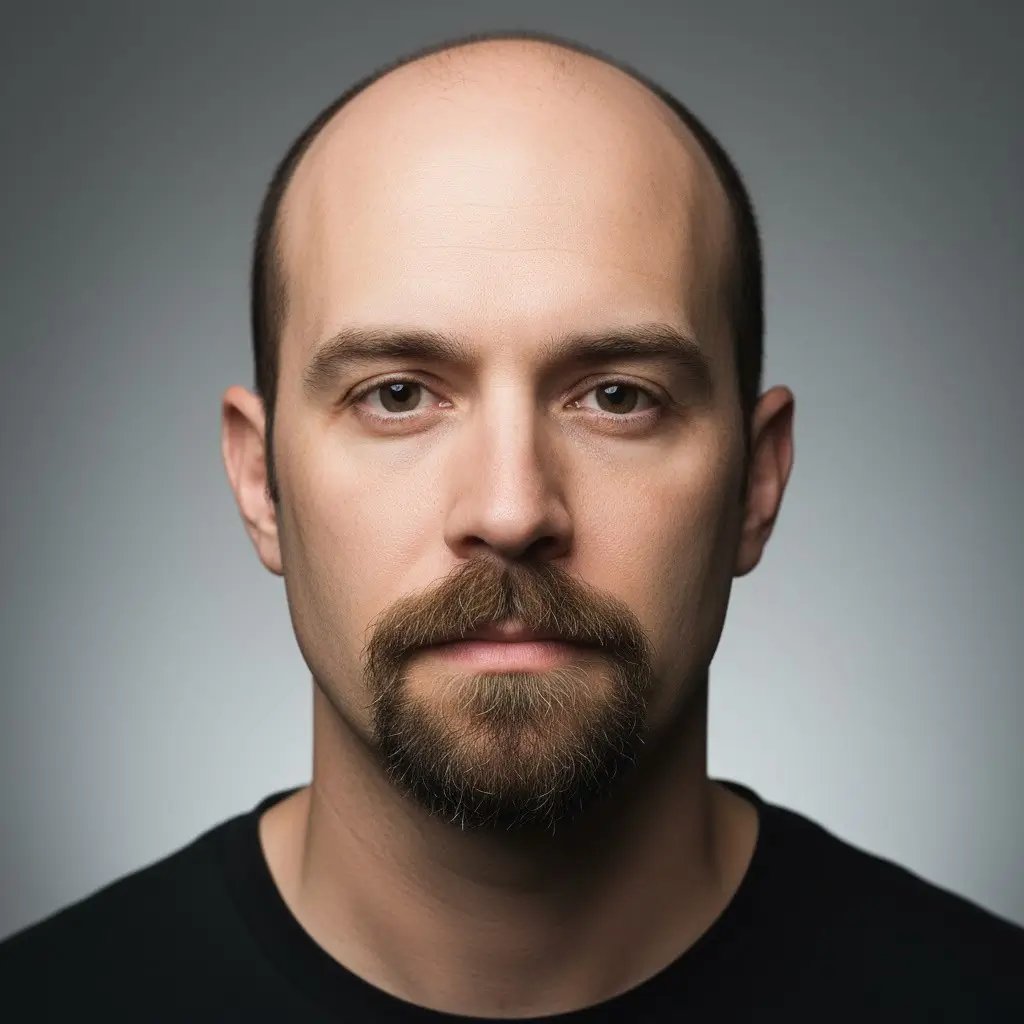
Goatee Transplant: A goatee focuses on the chin and often connects with the mustache. It usually requires 1,200–2,000 grafts, making it one of the most affordable and efficient options for patients with limited donor supply. This beard style is especially popular in Asia and Europe, where subtle yet defined looks are preferred. Beyond aesthetics, research shows goatee transplants have a slightly higher graft survival rate than full beards because follicle density per cm² is easier to maintain. Best suited for round and square face shapes, as it elongates the chin.
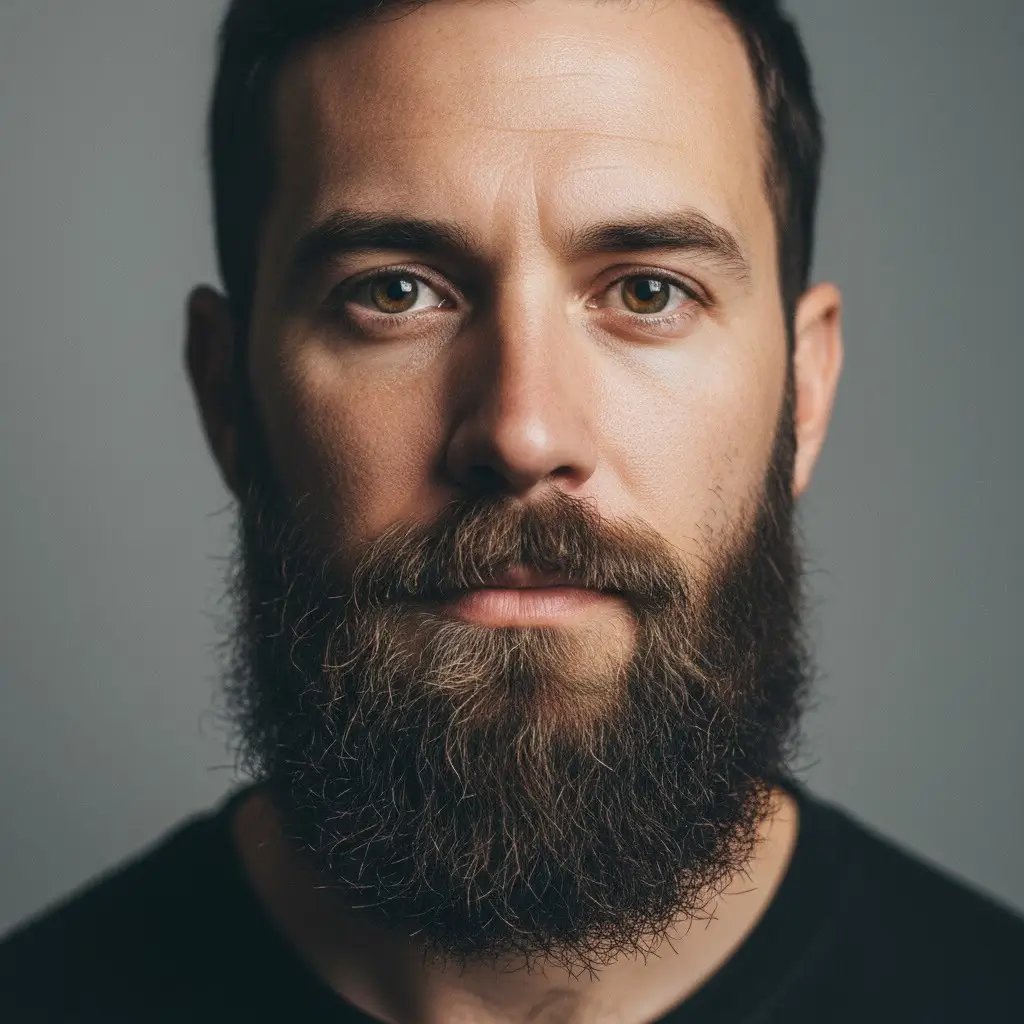
Full Beard Transplant: A full beard is the most demanding style, often requiring 3,500–5,000 grafts. It is the most popular transplant choice worldwide, with ISHRS surveys showing a sharp rise in demand over the last decade. A unique point is that patients choosing a full beard often need two donor zones (scalp and sometimes chest hair) to meet graft counts, which not all clinics manage. Ideal for oval and rectangular faces, as it enhances jaw definition and creates balance for longer features.
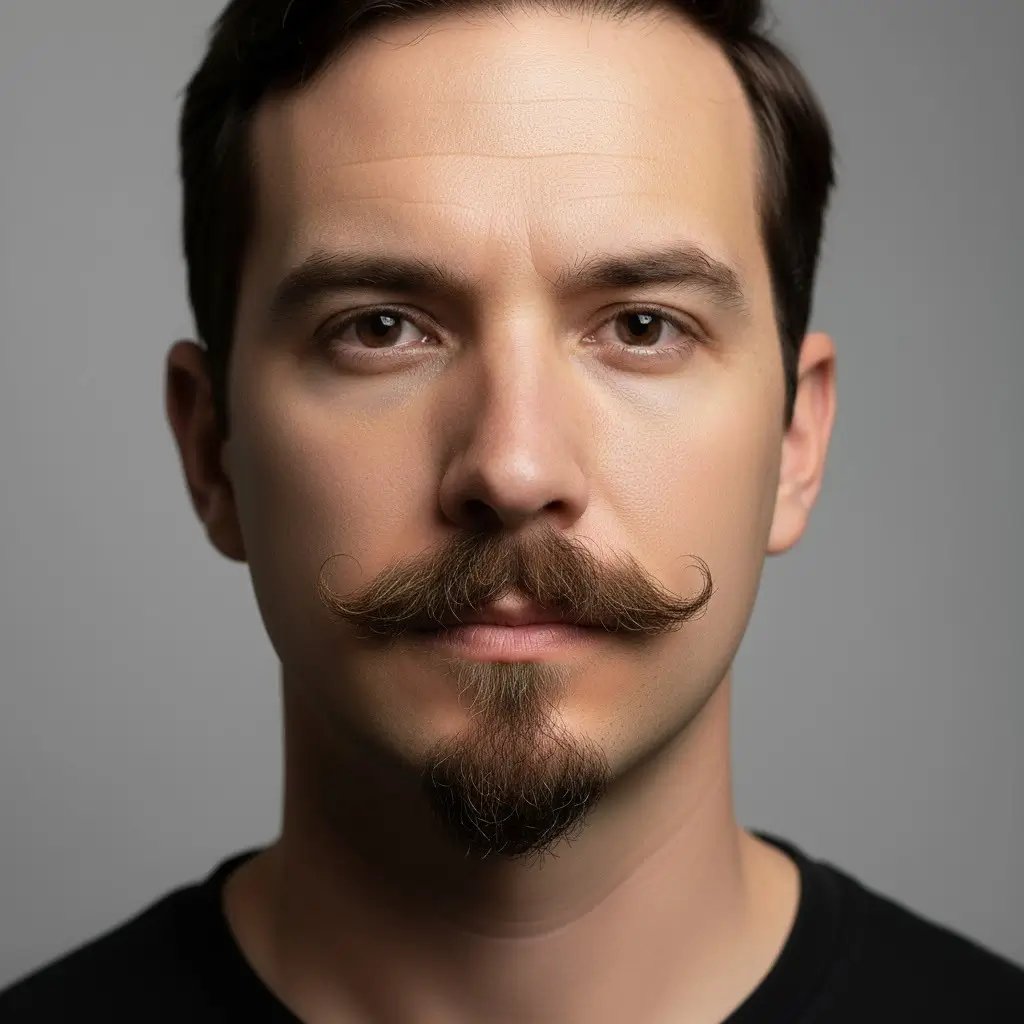
Van Dyke Beard Transplant: The Van Dyke combines a mustache with a disconnected, pointed goatee. It requires 1,500–2,200 grafts, making it less demanding than a full beard but more stylized than a simple goatee. Historically linked to 17th-century art and now revived in modern fashion, the Van Dyke is less common but chosen by men who want a distinct style. Its sharper angles make it ideal for diamond or heart-shaped faces. Surgeons often angle Van Dyke grafts more steeply (25–30°) to highlight its distinct separation lines.
Stubble Beard Transplant: Stubble is created by evenly spacing grafts across the beard area to mimic short growth. It requires fewer grafts, 1,000–1,500, making it a good choice for men with limited donor hair. Stubble-style transplants often require ultra-fine single grafts to avoid looking unnatural when trimmed short. This style is extremely popular with younger patients in the Middle East and Europe. Works for all face shapes, particularly oval and round, as it adds texture without altering proportions.
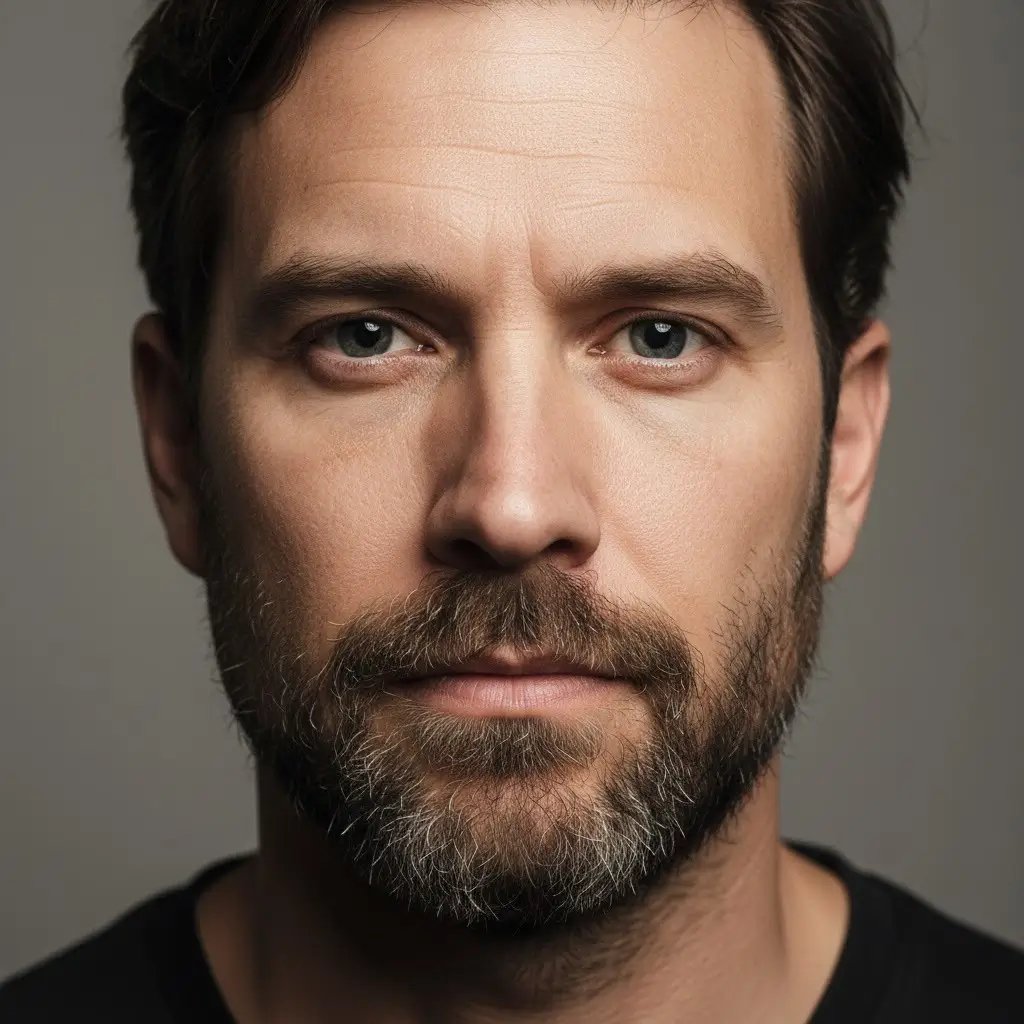
Circle Beard Transplant: The circle beard connects the mustache and chin into a rounded frame. It requires about 2,000–2,500 grafts and is chosen by patients who want a clean, low-maintenance option. It is especially popular among men in their 40s and 50s, since the rounded style masks aging around the mouth. Circle beards are best for oval and oblong faces, as they soften elongated features while keeping a neat outline.
How Long is the Beard Transplant Recovery Timeline?
A beard transplant usually takes about 7–10 days for the initial healing of redness, swelling, and scabbing, while full recovery and visible results unfold over 9–12 months.
During the first week, patients experience redness and small scabs around the transplanted follicles, which fall off naturally by day 10. By the third week, most transplanted hairs enter the “shedding phase,” which is normal. Permanent regrowth usually begins around the third month, with density improving steadily between months 4 and 8. The final beard transplant results become visible between 9 and 12 months, when transplanted hairs thicken, blend, and are shaved or styled like natural facial hair.
Recovery hair transplant recovery timeline varies depending on the patient. Younger men with good skin healing and strong circulation see faster results, while older patients or those with underlying conditions take longer. Factors such as smoking, poor aftercare, or low graft survival rates delay visible growth.
One factor that significantly prolongs healing is post-operative infection. Although rare, infections lead to graft loss, scarring, and extended redness in the transplanted area. Bacterial folliculitis or localized skin infections after hair transplantation delay healing and compromise results if not treated promptly with antibiotics.
Is Beard Transplant Results Permanent?
Yes. The transplanted follicles keep their genetic resistance to hair loss and grow for life once they have healed and taken root in the beard area, reflecting the broader permanency of hair transplant results seen across facial regions.
How Long is the Beard Donor Area Recovery Timeline?
The beard donor area healing usually takes about 7–14 days for surface recovery, while full tissue remodeling and complete healing take 2–3 months.
After a beard transplant, the donor area (most often the back of the scalp) shows small extraction marks that scab over within the first 48 hours. Redness and swelling generally subside by the end of the first week, and scabs naturally fall off in 7–10 days.
By week two, the donor area looks normal to most observers, although microscopic healing under the skin continues for several weeks. Full maturation of the donor zone, where scars soften and hair regrowth blends in, takes 8–12 weeks.
Healing speed varies depending on the individual. Younger patients and those with strong skin elasticity usually recover faster, while smokers, diabetics, or people with poor circulation need longer. Proper aftercare; such as avoiding scratching, following saline spray protocols, and keeping the area clean shortens recovery.
Factors that prolong donor healing include overharvesting of grafts, poor surgical technique, or post-operative infection. Localized folliculitis or bacterial infection delay healing and increase the risk of visible scarring.
In most patients, however, the hair transplant donor area from a beard hair transplant heals within two weeks on the surface and blends fully into surrounding hair by three months.
What Are the Potential Risks and Side Effects of Beard Facial Hair Transplant?
Beard hair transplant side effects are generally temporary and mild, but as with any surgical procedure, risks exist. Below are the main potential complications and side effects of hair transplants, supported by clinical evidence, along with when they occur.
- Swelling: Mild swelling around the transplanted area and sometimes the donor zone appears within the first 2–3 days and usually resolves within a week. This is one of the most common short-term effects after follicular extraction procedures, according to a review of complications in hair transplantation (Kerure & Patwardhan, 2018).
- Redness and Scabbing: Redness and small crusts form around each graft during the first week. These are expected healing responses and clear within 7–10 days.
- Infection: Rare but possible if aftercare is neglected. Bacterial folliculitis is a complication that prolongs healing if untreated. Infections arise within the first 2 weeks and are preventable with proper hygiene and antibiotics (Kerure & Patwardhan, 2018).
- Folliculitis: Inflammation of newly transplanted follicles appear as small pimples between weeks 2–6. This is usually mild and resolves with warm compresses or topical antibiotics.
- Shock Loss: Temporary shedding of transplanted or surrounding natural hair occurs between weeks 2–8. This is a stress response in follicles, but regrowth begins around the third month (Rose, 2013).
- Scarring: Minimal scarring occurs in the donor area, more noticeable with FUT than FUE or DHI. Scarring is permanent but usually hidden under existing scalp hair (Bernstein & Rassman, 1997).
- Uneven Growth: Differences in angle or density appear during the first 6–9 months but usually balance out as new hairs thicken and settle into their final growth pattern.
- Numbness or Tingling: Some patients report temporary numbness in donor or recipient areas. This usually resolves in weeks to months as nerves recover according to “Complications in Hair Restoration Surgery” published in Facial Plastic Surgery Clinics of North America by Rose PT.
Does it depend on the method used?
Yes. FUT carries higher risk of visible scarring, while FUE and DHI have lower scarring risk and faster recovery. DHI reduces folliculitis incidence because of its direct implantation approach.
Does a Beard Hair Transplant Leave Scars?
Yes, a beard hair transplant leaves small scars, but they are usually minimal and not noticeable. Modern techniques such as FUE, Sapphire FUE, and DHI extract follicles one by one, which results in tiny dot-like scars in the donor area that heal within 7–14 days and become almost invisible once the hair grows back.
It is normal to have very small scars after a beard hair transplant, as any surgical extraction creates micro-wounds. These are far less visible compared to older strip (FUT) methods, which leave a linear scar. In most patients, beard transplant scars in the donor area are hidden under surrounding hair and do not affect appearance. In the recipient (beard) area, the incisions are so small that once healing is complete, no visible scarring remains.
While all hair transplant procedures involve scarring, FUE significantly reduces visible hair transplant scar compared to FUT, and pinpoint scars from follicular extraction are considered clinically insignificant in most cases (Bernstein & Rassman, 1997).
What Is the Difference Between Beard Transplants and Beard Implants?
The main difference lies in permanence. Beard transplants use your own hair follicles, usually taken from the back of the scalp, and implant them into the beard area. These grafts heal, root, and continue to grow for life. Beard implants, as all other facial hair implants, involve synthetic fibers or fillers placed into the skin to mimic the appearance of hair, but they do not grow naturally and require replacement.
When comparing results, beard transplants achieve better outcomes because they provide permanent, natural hair that is trimmed, shaved, and styled. Implants, on the other hand, carry a higher risk of rejection or infection since synthetic fibers are foreign to the body. Transplants are more effective in terms of density and long-term satisfaction, with clinical studies showing 90–95% graft survival when performed by experienced surgeons. Implants look convincing at first, but they do not integrate with the skin in the same way and generally last only a few years before requiring maintenance.
In terms of cost, beard transplants are more expensive upfront, ranging from €2,750–€13,700, worldwide (with Turkey offering lower packages around €2,000–€3,500). Beard implant cost or beard injection cost is lower initially; often €900–€2,750 depending on the number of fibers, but they become more expensive over time because replacements or touch-ups are needed.
The procedure also differs. Beard transplants involve surgical follicle extraction (FUE, Sapphire FUE, or DHI) under local anesthesia, while implants involve inserting synthetic fibers through micro-incisions, usually in a shorter session.