

Stem Cell Therapy occupies a distinct position in hair restoration, where regenerative medicine supports clinical hair transplant procedures. It is critical to differentiate between Stem Cell Hair Treatment and Stem Cell Hair Transplant. Stem Cell therapy for hair loss is not an independent hair transplant procedure; rather, it serves as an adjunct therapy, designed to enhance healing, stimulate dormant follicles, and improve the overall success rate of a hair transplant.
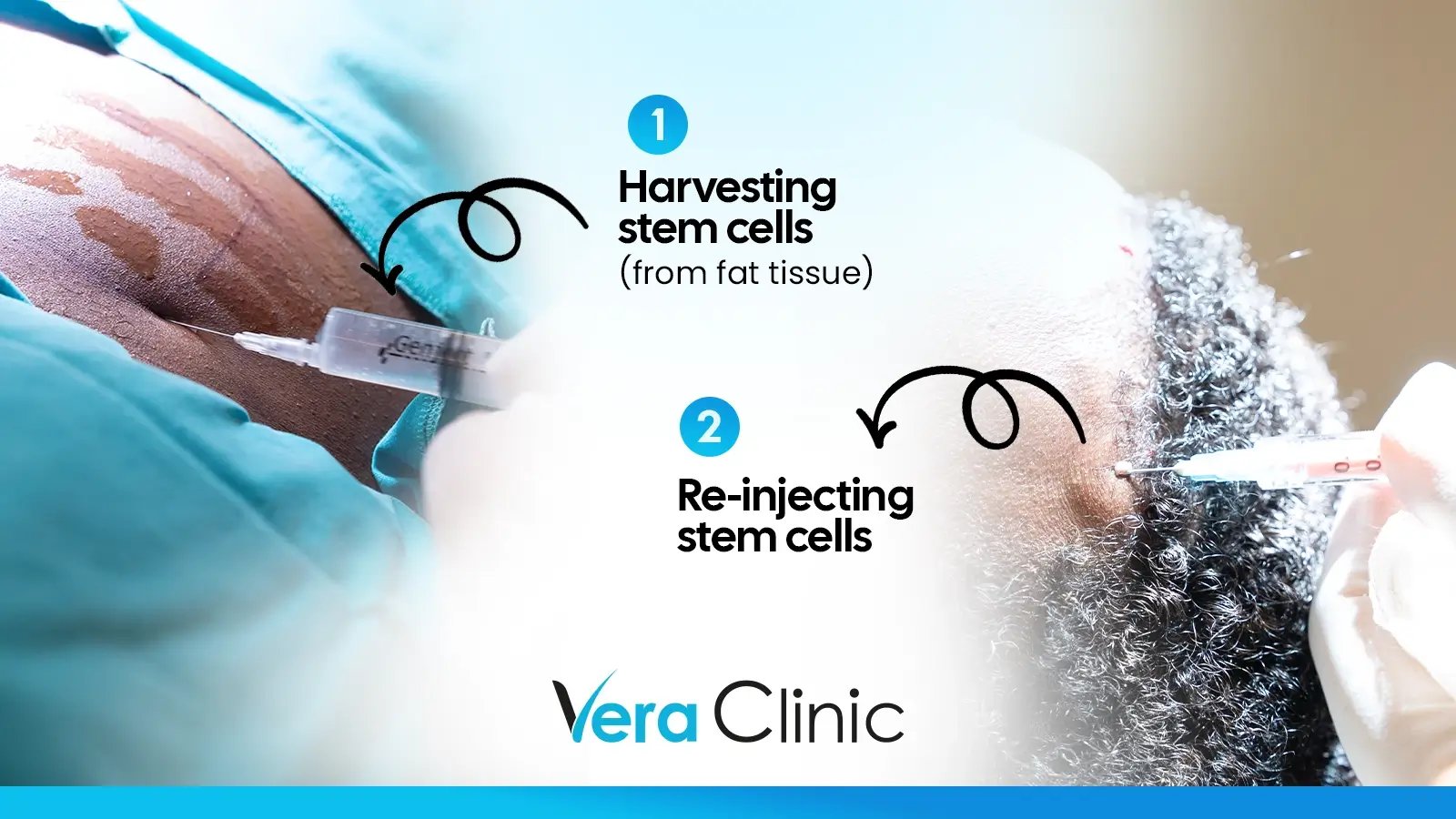
Stem Cell Hair Treatment works by harvesting stem cells, from the patient’s adipose tissue or scalp tissue, and re-injecting them into targeted areas to encourage natural hair regeneration. Unlike traditional transplants that physically move hair follicles from one part of the scalp to another, stem cell therapy activates the body’s biological processes to promote thicker, healthier hair growth.
This therapy supports tissue repair, improves blood flow, and helps strengthen weakened follicles, with published studies reporting a 29% increase in hair density and an addition of +23.3 hairs/cm² at 58 weeks in patients receiving autologous stem cell therapy (Gentile et al., Stem Cell Investigation, 2017; Gentile et al., Biomed Res Int, 2020). Its ability to foster a supportive environment for transplanted grafts or thinning areas has made it a sought-after supplementary procedure, especially for patients looking to maximize the longevity and density of their results.
The primary advantages of stem cell therapy include faster recovery, reduced inflammation, natural-looking hair enhancement, and the potential to prevent further hair thinning. Reported side effects are limited to mild, temporary reactions such as swelling, redness, or slight discomfort at the injection sites, consistent with the safety profile documented across clinical studies (Plastic and Reconstructive Surgery Global Open, 2024).
The cost of stem cell hair treatment depends on the country, the harvesting method, and whether it is applied alone or alongside a hair transplant, with all-inclusive packages in Turkey ranging from €2,000 to €6,000, compared to €12,000 to €20,000 in the United States (Vera Clinic Academy Database, 2026).
At Vera Clinic, we proudly integrate regenerative therapies like Stem Cell Hair Treatment into our hair transplant programs. Our medical team tailors each treatment to the individual’s needs, with the stem cell protocol applied alongside the hair transplant to support graft survival and recovery.
Key Points
- Stem cell hair treatment is not a hair transplant; it is a supportive therapy that enhances transplant outcomes or treats early-stage hair thinning on its own.
- A single session is needed when stem cell therapy is combined with a hair transplant, while standalone use requires 2 to 3 sessions spaced several months apart.
- Visible results appear within 4 to 6 months, with density and thickness improvements continuing through 12 months.
- Stem cell-based hair restoration has not received FDA approval as of now, though some processing devices are FDA-cleared for specific uses.
- In a 12-month cohort of 220 patients, Vera Clinic Academy recorded a 29.3% to 31.7% increase in follicular density for stem cell-assisted hair transplantation (Clinical Efficacy of Regenerative Hair Therapies and Combined Hair Transplantation Outcomes, Vera Clinic Academy, 2026).
- All-inclusive stem cell hair treatment costs range from €2,000 to €6,000 in Turkey, compared to €12,000 to €20,000 in the United States (Vera Clinic Academy Database, 2026).
What Is Stem Cell Hair Treatment?
Stem Cell Hair Treatment is a regenerative medical procedure that uses the body’s own stem cells to promote hair growth, repair damaged follicles, and improve scalp health. It is not a hair transplant, but rather a supportive therapy used to enhance the outcomes of a hair transplant or to treat early-stage hair thinning.
In this procedure, stem cells extracted from the patient’s adipose (fat) tissue or scalp tissue are isolated, processed, and then reintroduced into areas affected by hair loss. The regenerative potential of these cells is harnessed to stimulate follicular activity, boost blood supply, and foster a healthier scalp environment.
Stem cell therapy activates the anagen (growth) phase of the hair cycle and reduces follicular miniaturization, supporting thicker, stronger hair. Published clinical data records a 29% increase in hair density following autologous stem cell injection, with a measurable rise in hair diameter reported in controlled studies (Gentile et al., Stem Cell Investigation, 2017; Tak YJ et al., Stem Cells Translational Medicine, 2020).
While it is not a replacement for a hair transplant, Stem Cell Hair Treatment is a minimally invasive option for individuals with early-stage hair loss, and a supportive therapy that works to improve transplant graft survival and recovery when the two are carried out together.
How Does Stem Cell Hair Treatment Work?
Stem Cell Hair Treatment works by extracting, isolating, and reintroducing stem cells into the scalp to support damaged hair follicles and stimulate new hair growth. Unlike conventional hair transplant techniques that relocate hair follicles, this therapy works to biologically support the existing ones, offering a less invasive option for hair restoration.
The process starts with the harvesting stage. Stem cells are harvested from the patient’s own tissue, commonly from adipose (fat) tissue via mini-liposuction, or from the scalp tissue itself, under local anesthesia (Vera Clinic Academy Database, 2026).
In the cell isolation and processing stage, the collected tissue is processed using advanced centrifugation or enzymatic digestion methods to isolate a concentrated stem cell population, rich in mesenchymal stem cells (MSCs) or dermal sheath cup cells.
The isolated stem cells are then injected directly into the areas affected by hair thinning or early hair loss, targeting the hair follicles and surrounding tissue.
A widely used approach in hair restoration is autologous micrografting, in which the cells are processed and reintroduced within the same procedure. Unlike embryonic stem cells or lab-cultured solutions, these autologous cells are harvested from the patient’s own body, which minimizes the risk of rejection, immune reaction, or ethical concerns (Plastic and Reconstructive Surgery Global Open, 2024).
What Are the Different Stem Cell Therapies Used for Hair Transplant?
Stem cell-based therapies for hair restoration draw on several different cellular sources, each using a distinct mechanism to support follicular regeneration and scalp healing. The main types applied across different hair transplant techniques are outlined below:
- Adipose-Derived Stem Cells (ADSCs): Collected from fat tissue, ADSCs are abundant and easy to harvest. They secrete growth factors that stimulate angiogenesis and dermal papilla cell activation, both central to hair growth. Their regenerative profile makes them one of the most widely researched and applied stem cell types in hair restoration. Treatment using adipose-derived stem cell-conditioned medium appears highly effective for alopecia and represents a new therapy for hair regeneration according to Hirotaro Fukuoka et al. (2015)
- Follicle-Derived Stem Cells (FDSCs): FDSCs are harvested directly from hair follicles, particularly from the bulge region, which is rich in multipotent stem cells. These cells closely mimic the native environment of hair follicles, making them well suited for regenerating or strengthening existing follicles with minimal donor site morbidity
- Bone Marrow-Derived Stem Cells (BMSCs): Extracted through bone marrow aspiration, BMSCs offer potent regenerative properties. Though less commonly used for hair compared to ADSCs due to the invasive harvesting method, their high differentiation potential and secretion of supportive cytokines contribute meaningfully to follicular repair and growth.
- Platelet-Rich Plasma (PRP) with Stem Cells: PRP therapy enhances stem cell-based treatments by providing a rich concentration of platelets that release growth factors critical for tissue healing and follicular stimulation. When combined with stem cells, PRP treatment for hair loss acts as a bio-scaffold, boosting the survival and effectiveness of the injected cells.
- Exosome Therapy: Rather than whole cells, stem cell exosome therapy uses the secreted vesicles of stem cells, which are small, biologically active packets carrying proteins, RNA, and growth factors. Exosomes offer a cell-free alternative that still delivers regenerative signals to the hair follicles, with documented effects in reducing inflammation and supporting hair growth. A 2025 systematic review published in the journal Clinical, Cosmetic and Investigational Dermatology found that mesenchymal stem cell-derived exosomes show potential in treating hair loss due to their regenerative, anti-inflammatory, and angiogenic properties. Vera Clinic Academy’s cohort found this exosome hair loss treatment produced a larger density increase in fewer sessions than either PRP or mesotherapy (Vera Clinic Academy, Clinical Efficacy of Regenerative Hair Therapies and Combined Hair Transplantation Outcomes, 2026).
- Umbilical Cord-Derived Stem Cells (UC-MSCs): Harvested from donated umbilical cords post-birth, UC-MSCs are young, highly potent, and non-invasive to collect. They exhibit exceptional anti-inflammatory and regenerative abilities, making them an attractive choice, particularly for patients preferring an allogenic (donor-derived) option without undergoing personal tissue harvesting.
Is Fibroblast Treatment the Same as Stem Cell Therapy?
No, fibroblast treatment is a separate approach that is often confused with stem cell therapy because both rely on a biopsy-and-culture process. Fibroblast treatment uses dermal sheath cup (DSC) cells, a fibroblast-related cell population isolated from the dermal sheath surrounding hair follicles, rather than the adipose-derived stem cells used in Vera Clinic’s stem cell hair treatment. A small biopsy is taken from the occipital scalp, where follicles resist androgenetic alopecia, and the cells are expanded in a laboratory before being injected into thinning areas. These cells support the dermal papilla’s role in regulating follicle growth, rather than acting as stem cells themselves.
The clinical evidence for this approach has progressed in stages, though it remains investigational. An initial randomized, placebo-controlled dose-finding trial found that the lowest tested dose produced a significant increase in hair density and cumulative hair diameter compared to placebo after 6 months (Tsuboi et al., 2020). A later phase III-equivalent study evaluated the same cell-based approach across multiple centers in a larger patient group (Harada et al., 2023). Fibroblast treatment has not received FDA approval and is a distinct approach from Vera Clinic’s adipose-derived stem cell protocol.
Is Stem Cell Treatment Recommended After a Hair Transplant?
Yes. The clinical research on stem cell-supported hair transplants reports measurable density gains. A 29% increase in hair density at 23 weeks after treatment was shown in the Italian study carried out by Gentile et al. (Stem Cell Investigation, 2017).
Stem cell therapy, particularly using mesenchymal stem cells (MSCs) derived from adipose tissue, has been shown to improve the regenerative environment of the scalp through paracrine signalling and neovascularisation (Gentile P, Garcovich S, Cells, 2019). At Vera Clinic, we combine stem cell injections with hair transplants to support graft survival and reduce shock loss, an approach documented by the Vera Clinic Academy.
“Some clinics present stem cell therapy as a standalone cure for hair loss. In our practice we do not, because it does not stop the genetic process behind pattern loss. What we see when stem cells are injected before a transplant is calmer recipient tissue and better early perfusion, so grafts settle faster and shed less in the first weeks. That is where the real benefit sits, alongside surgery rather than in place of it.“
–Dr. Emin Gül, Vera Clinic Surgeon
What Does the Clinical Evidence Show for Stem Cell-Assisted Transplantation?
Vera Clinic Academy ran a 12-month prospective cohort study to measure how different regenerative protocols perform when paired with hair transplantation. The cohort included 220 patients across five treatment arms, two of which involved stem cell-assisted transplantation: one for patients undergoing revision surgery after a prior failed transplant, and one for patients undergoing a first-time procedure. Outcomes were tracked through computerized trichogram analysis comparing baseline measurements to the 12-month mark.
| Treatment Arm | Sessions | Density Increase at 12 Months | Diameter Increase | PROM Score (/10) |
|---|---|---|---|---|
| Stem cell-assisted, revision cases (n=30) | 1 | 29.3% | 21.9% | 8.9 |
| Stem cell-assisted, primary cases (n=50) | 1 | 31.7% | 23.1% | 9.4 |
| PRP (n=50) | 4 | 18.2% | 14.4% | 7.1 |
| Exosome therapy (n=40) | 3 | 28.4% | 22.8% | 8.6 |
PROM Score reflects the Patient-Reported Outcome Measure collected at the 12-month endpoint. Revision and primary cases start from different baseline conditions, a prior failed transplant with depleted donor reserves versus an untouched donor area, so the two figures describe separate clinical indications rather than a ranked comparison.
This cohort adds a data point specific to combining stem cells with a hair transplant procedure, rather than using stem cells or exosomes as a standalone therapy for early-stage thinning. Across the full 220-patient cohort, no systemic adverse events were recorded over the 12-month follow-up, a safety profile documented against oral Finasteride and topical Minoxidil in the underlying Regenerative Hair Therapies and Hair Transplantation Outcomes Study. Taken together, these findings support stem cell therapy’s role as a transplant adjunct: a single stem cell-assisted session produced measurable density gains without the systemic risks associated with pharmaceutical alternatives to hair loss treatment.
How Do Stem Cells Help in Hair Regrowth?
Stem cells contribute to hair regrowth by activating dormant follicles, forming new ones, and improving the overall scalp environment. Mesenchymal stem cells (MSCs) release growth factors and cytokines that stimulate inactive follicles to re-enter the growth phase, leading to renewed hair production.
When applied with skin epithelial stem cells, MSCs induce the formation of new hair follicles, offering a potential option for regenerating hair in areas affected by early-stage alopecia. This process boosts the number of active follicles and increases follicular density, which directly impacts how full and thick the hair appears.
Stem cells enhance the scalp’s microenvironment by promoting angiogenesis (new blood vessel formation), reducing inflammation, and supplying essential nutrients that support long-term hair health. A randomized, double-blind, vehicle-controlled study by Tak YJ et al. (Stem Cells Translational Medicine, 2020) found that adipose-derived stem cell extract increased both hair density and thickness, with only mild, transient reactions reported.
How Does Stem Cell Hair Treatment Look Like Before and After?
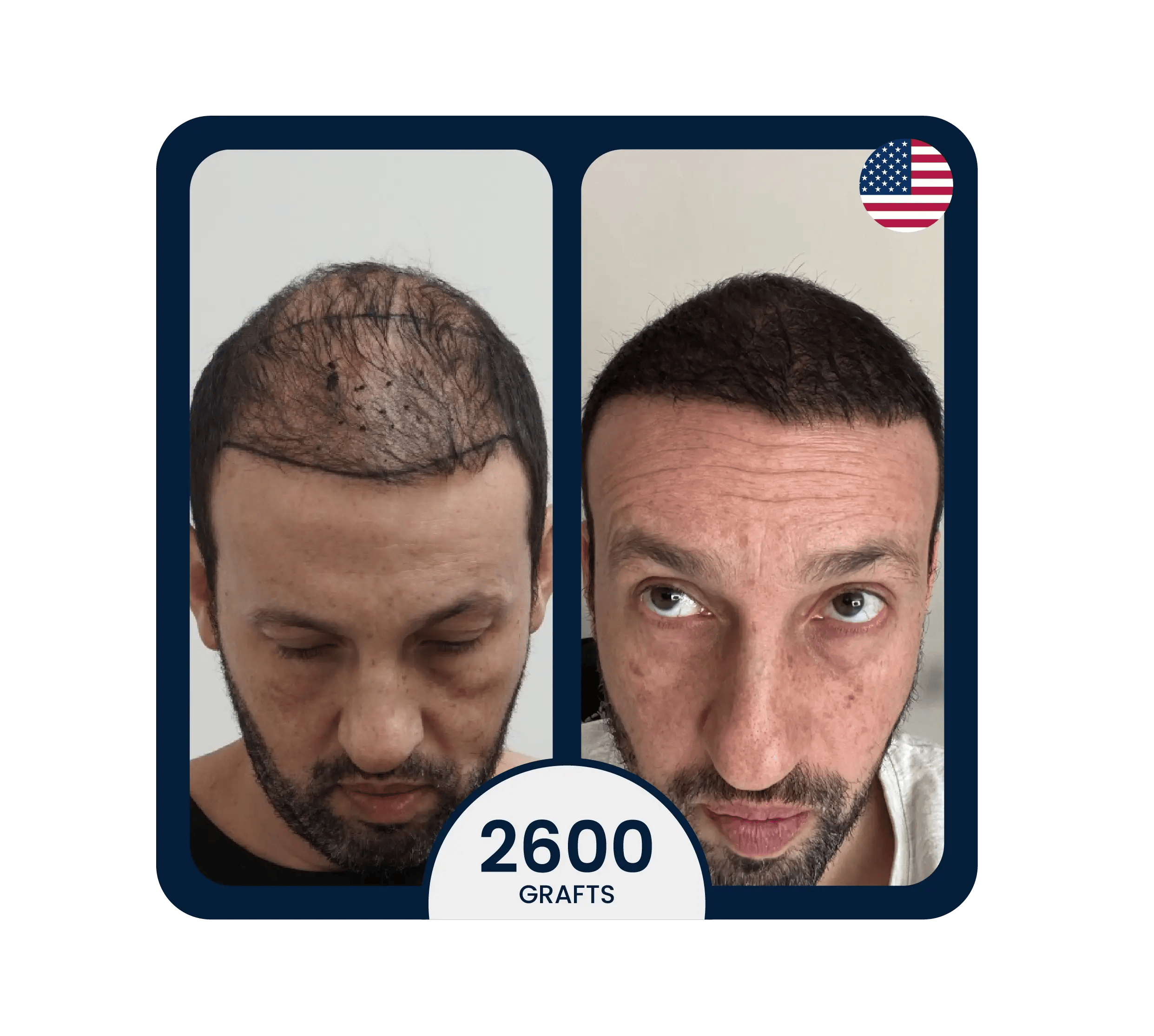
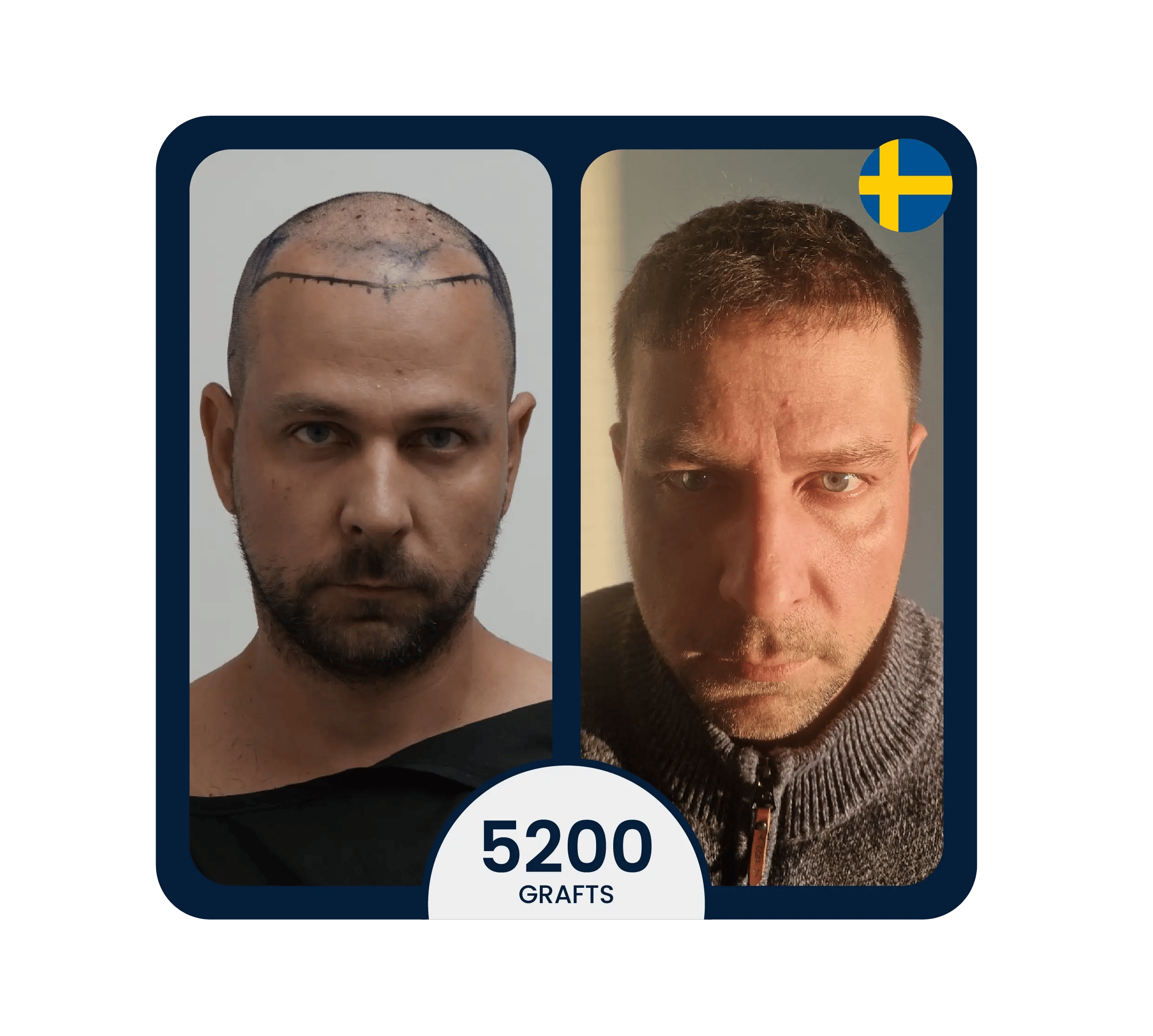
Stem Cell Hair Treatment delivers results that appear natural, dense, and evenly distributed across the treated areas. Unlike traditional transplant methods that result in visible graft lines or sudden density changes, stem cell-based regeneration works gradually and evenly, allowing for a seamless transition in appearance. Hair texture and direction remain consistent with surrounding areas, which makes the regrowth nearly undetectable to others in Stem Cell Hair Treatment Before and After.

What Is the History of Stem Cell Hair Treatments?
The history of stem cell hair treatments began in the early 2000s as scientists explored regenerative methods to treat hair loss without surgery. In 2015, Dr. Alexey Terskikh’s team proved stem cells could grow new follicles in lab studies. Clinically, the method gained traction in Europe and Asia around 2016 with the rise of autologous micrografting, using a patient’s own scalp or fat-derived cells. By 2020, it became a regulated option in top aesthetic clinics worldwide.
What Are the Benefits of Stem Cell Hair Treatments?
Stem cell hair treatments offer a regenerative, non-surgical approach to restoring hair by stimulating the body’s natural healing process. At Vera Clinic, these procedures are applied alongside the hair transplant to support long-term graft viability and hair growth consistency (Vera Clinic Academy Database, 2026).
Key benefits of stem cell hair treatments are:
- Non-surgical: No scalpels, stitches, or graft extraction required
- Natural-looking results: No scarring or unnatural hairline patterns
- Faster recovery: Minimal downtime compared to traditional transplants
- Early intervention: Effective for early-stage hair loss and thinning
- Improved scalp health: Reduces inflammation and boosts circulation
- Safe and biocompatible: Uses your own cells, minimizing risk of rejection
- Long-term follicle support: Stimulates dormant follicles and helps form new ones
Is Stem Cell Therapy Effective for Baldness?
Yes, stem cell therapy has shown results in treating certain types of hair loss, particularly early-stage androgenetic alopecia. In a randomized, controlled trial, patients receiving adipose-derived stem cell therapy recorded a 28.1% increase in hair count at 16 weeks, compared with 7.1% in the control group (Tak YJ et al., Stem Cells Translational Medicine, 2020). The therapy’s effectiveness varies among individuals, and longer-term studies are still needed to fully establish its efficacy.
Is Stem Cell Hair Restoration Treatment FDA-Approved?
No, as of now, stem cell hair restoration treatments have not received approval from the U.S. Food and Drug Administration (FDA). The FDA has not approved any stem cell-based products for hair loss treatment, and it has issued warnings to clinics offering unproven stem cell therapies. While certain devices used to process stem cells, such as those for isolating stromal vascular fraction (SVF), are FDA-cleared for specific uses, the overall procedure of stem cell hair restoration remains unapproved.
Patients considering this therapy should consult with qualified healthcare professionals and be cautious of clinics offering such treatments without regulatory approval.
Who Are Good Candidates for Stem Cell Hair Treatments?
Stem cell hair therapy is best suited for individuals in the early to moderate stages of hair loss who still have partially active follicles.
Ideal candidates are:
- Individuals with early-stage androgenetic alopecia
- Men and women with thinning hair but not complete baldness
- Patients who want a non-surgical option
- Those seeking to improve hair density and scalp health
- People who are not yet ready or suitable for a hair transplant
- Individuals with realistic expectations and a healthy scalp condition
Who may not be a good candidate?
People with complete baldness, advanced scarring alopecia, or underlying autoimmune conditions that cause hair loss may not benefit from stem cell therapy. It is not suited to patients expecting instant or permanent results without follow-up care.
How Long Before Stem Cell Hair Treatment Shows Results?
Visible results from stem cell hair treatment appear within 4 to 6 months after the procedure. Initial signs of regrowth, such as fine, soft hairs, are seen around the 4-month mark. Improvements in hair density and thickness become apparent by 6 months, with continued progression up to 12 months post-treatment.
The timeline for results varies based on individual factors, including the extent of hair loss, scalp health, and adherence to post-treatment care. Regular follow-up appointments are recommended to monitor progress and determine if additional sessions are necessary.
Are the Results of Stem Cell Hair Treatments Permanent?
Yes, the results are permanent when stem cell therapy is integrated with hair transplant procedures.
No, they are not permanent without repeat sessions when used alone.
When stem cell treatments are combined with hair transplants, they enhance graft survival, accelerate healing, and strengthen long-term follicle viability. This synergy supports permanent results by improving both the survival rate and quality of the transplanted grafts.
However, when used as a standalone treatment, stem cell therapy reactivates existing follicles but does not stop genetic hair loss. In such cases, results fade over time without maintenance sessions. Some patients benefit from repeat sessions every 12 to 18 months to maintain density, since standalone therapy does not offer the permanency of hair transplants.
Permanency depends on:
- Whether it’s used with or without a transplant
- The patient’s genetic hair loss progression
- Scalp health and treatment timing
- Aftercare protocols and lifestyle factors
At Vera Clinic, stem cell therapy is integrated with advanced hair transplant techniques to support long-term, natural-looking results.
How Many Sessions Are Needed for Stem Cell Hair Therapy?
A single session is needed when stem cell therapy is integrated with a hair transplant. This combined approach enhances graft survival, accelerates healing, and activates surrounding follicles, making a single session effective for long-term results (Vera Clinic Academy Database, 2026).
When stem cell therapy is used alone, results require 2 to 3 sessions spaced several months apart, especially in early-stage hair loss cases. The exact number depends on hair loss severity, scalp condition, and how the patient responds to treatment.
What Are the Challenges of Stem Cell Hair Treatments?
While stem cell hair treatments offer a regenerative alternative to traditional methods, they come with certain limitations. One of the main challenges is the lack of standardized protocols across clinics, which leads to inconsistent results. Since the therapy is still relatively new, long-term studies are limited, making it harder to predict outcomes for every patient.
Not all individuals are suitable candidates, especially those with advanced hair loss or inactive follicles. Cost is another barrier, as stem cell therapy tends to be more expensive than other non-surgical options. Another concern is regulatory clarity: while some devices used to process stem cells are cleared at the device level, the overall procedure is not universally approved or regulated.
Results vary widely based on patient biology, making it essential to manage expectations and seek treatment from clinics with advanced experience and integrated protocols.
To address these challenges, Vera Clinic applies stem cell therapy within a regulated, integrated protocol alongside hair transplantation. This integrated method supports long-term results and reduces the need for multiple sessions by enhancing graft survival and stimulating native follicles (Vera Clinic Academy Database, 2026).
How Is the Procedure for Stem Cell Hair Treatments?
Stem cell hair treatment is a minimally invasive procedure that involves extracting, processing, and reapplying your own regenerative cells to stimulate hair growth.
The procedure involves these steps:
- Consultation and Scalp Analysis: A doctor examines hair density, scalp health, and eligibility.
- Tissue Harvesting: A small sample of fat or scalp tissue is collected under local anesthesia.
- Cell Processing: The sample is processed in a sterile environment using micrografting or centrifugation techniques to isolate stem cells.
- Injection into Scalp: The stem cell concentrate is injected into thinning or dormant follicle areas.
- Optional Integration: In Vera Clinic’s method, the therapy is combined with a hair transplant session for long-term follicle activation.
How long does the procedure take?
The entire session takes 1.5 to 2 hours, depending on the method and whether it is combined with the hair transplant procedure.
Can Stem Cell Hair Treatment Be Combined with PRP Treatment?
Yes, stem cell hair treatment can be safely combined with PRP (Platelet-Rich Plasma) to enhance results. While stem cells regenerate and activate hair follicles at a cellular level, PRP provides a rich supply of growth factors that improve healing, blood flow, and nutrient delivery. When used together, they create a supportive environment for follicle repair and regrowth, pairing cellular regeneration with the growth factors delivered by PRP treatment.
What Potential Side Effects Can Occur After a Stem Cell Hair Treatment?
Stem cell hair treatments are generally safe, especially when using autologous (patient-derived) cells. However, some mild side effects occur:
- Swelling or redness at the injection site
- Tenderness or discomfort in the treated area
- Minor bruising where tissue was harvested
- Temporary itching or tightness on the scalp
- Rare allergic reactions to processing agents or anesthesia
These effects are short-lived and resolve within a few days. Serious complications are rare, particularly when the procedure is performed by experienced professionals, in line with the broader profile of hair transplant side effects. This is consistent with a Vera Clinic Academy cohort of 220 patients receiving regenerative treatment protocols, including stem cell-assisted transplantation, where no systemic adverse events were recorded over 12 months (Clinical Efficacy of Regenerative Hair Therapies and Combined Hair Transplantation Outcomes, Vera Clinic Academy, 2026).
What Is the Average Cost of a Stem Cell Hair Treatment?
The cost of stem cell hair treatment varies depending on the country, the clinic’s expertise, and whether the procedure is performed alone or in combination with a hair transplant. In the United States, prices range from €12,000 to €20,000.
In Europe, packages range from €8,000 to €14,000. In contrast, Turkey offers all-inclusive packages from €2,000 to €6,000, a difference of 60 to 75% for clinically equivalent protocols, making it one of the most cost-effective countries for stem cell-based hair restoration.
| Country / Region | Cost Range |
|---|---|
| Turkey | €2,000 to €6,000 |
| United Kingdom | €9,000 to €16,000 |
| Germany | €8,000 to €14,000 |
| United States | €12,000 to €20,000 |
| UAE | €7,000 to €12,000 |
Several factors influence the total Stem Cell Hair Treatment cost. These include the complexity of the case (e.g., whether it’s standalone therapy or integrated with a transplant), the reputation and location of the clinic, the technology and processing methods used, and the number of sessions required. Clinics in major cities or with international recognition charge more, and the additional cell-processing and laboratory steps add to the cost.
At Vera Clinic, our stem cell hair package includes consultation, DHI or Sapphire FUE, personalized treatment, OxyCure Therapy, and accommodation in one transparent, fixed-price plan, benchmarked against the country ranges in stem cell hair transplant statistics.
Is It Better to Get Stem Cell Hair Treatments in Turkey?
Yes, Turkey is widely regarded as a top destination for stem cell hair treatments. The primary advantage is cost: patients access regenerative therapies at 60 to 75% lower cost than in the US or Europe.
Vera Clinic’s all-inclusive package for Stem Cell Hair Treatment in Turkey provides hair transplant and stem cell therapy integration with full clinical care in a medically controlled environment.
How to Do Proper Aftercare for Stem Cell Hair Treatments?
Proper aftercare plays a key role in supporting follicle activation, reducing inflammation, and ensuring the best possible outcome after stem cell hair treatment.
Follow these aftercare instructions carefully:
- Avoid washing your hair for the first 24 to 48 hours to allow the stem cells to settle into the scalp.
- Use only doctor-recommended shampoos and products for the first two weeks. Avoid harsh chemicals or styling products.
- Do not scratch, rub, or touch the treated area, even if mild itching occurs.
- Avoid direct sun exposure, saunas, steam rooms, and hot showers for at least one week.
- Sleep with your head elevated the first few nights to reduce swelling.
- Avoid smoking and alcohol, as they impair healing and blood flow to the scalp.
- Refrain from strenuous exercise for 3 to 5 days to prevent sweating or pressure on the treated area.
- Attend all follow-up appointments to monitor progress and receive personalized care guidance.
Following these steps preserves the stem cell activity and supports healthy, consistent hair growth, in line with the broader hair transplant aftercare protocol applied after surgery.
What Are the Do’s and Dont’s After a Stem Cell Hair Treatment?
After stem cell treatment for hair loss, following the right aftercare habits is essential to protect the scalp, support healing, and improve recovery. The table below outlines the key actions to follow and to avoid for a smooth recovery:
| Do’s | Don’ts |
|---|---|
| Keep your scalp clean and dry for the first 24 to 48 hours | Don’t wash your hair or use hair products immediately after treatment |
| Use only mild, doctor-recommended shampoos | Don’t scratch, rub, or pick at your scalp |
| Sleep with your head elevated to reduce swelling | Don’t smoke or consume alcohol during recovery |
| Eat a balanced, nutrient-rich diet | Don’t engage in heavy workouts or swimming for at least 5 days |
| Attend all scheduled follow-up appointments | Don’t use hair dryers, straighteners, or any heat styling tools |
| Protect your scalp from direct sunlight | Don’t wear tight hats or anything that puts pressure on the scalp |
Get a Free Hair Transplant Consultation