


Il citalopram , venduto con il nome commerciale Celexa , è un inibitore selettivo della ricaptazione della serotonina (SSRI) comunemente prescritto per trattare il disturbo depressivo maggiore (MDD) e il disturbo d’ansia generalizzato (GAD) . Agisce aumentando i livelli di serotonina nel cervello, un neurotrasmettitore che regola l’umore, le emozioni e il sonno.
Come antidepressivo, il Citalopram è ampiamente considerato efficace e ben tollerato , specialmente per i pazienti che soffrono di intorpidimento emotivo o sintomi legati all’ansia. Gli studi clinici hanno dimostrato che aiuta a stabilizzare l’umore e a ridurre gli effetti fisici dello stress , con minori effetti collaterali sedativi o legati al peso rispetto alle classi di antidepressivi più vecchie come i triciclici.
Il citalopram può causare la caduta dei capelli, ma è un effetto raro e solitamente temporaneo. La caduta dei capelli da citalopram si riferisce a una perdita diffusa di capelli che si verifica in alcuni pazienti dopo aver iniziato ad assumere Celexa o averne modificato il dosaggio. Il fenomeno è tipicamente una forma di effluvio telogeno; una condizione in cui i follicoli piliferi entrano prematuramente nella fase di riposo, portando a un aumento della caduta quotidiana.
Il legame tra Celexa e perdita di capelli non è del tutto chiaro, ma i ricercatori suggeriscono che i cambiamenti neurochimici e ormonali innescati dalla modulazione della serotonina disturbino brevemente il ciclo di crescita dei capelli. Gli ormoni dello stress e le risposte infiammatorie giocano un ruolo durante le prime settimane di assestamento degli SSRI.
Gli SSRI, incluso il Citalopram, rappresentano una piccola percentuale di casi di perdita di capelli indotta da farmaci e i sintomi di solito si risolvono entro tre-sei mesi dopo la stabilizzazione del farmaco, la riduzione della dose o l’interruzione sotto guida medica.
Sebbene in rari casi il Celexa possa causare una perdita temporanea di capelli, non si tratta di un effetto collaterale permanente . Una volta che il corpo si adatta ai cambiamenti dei livelli di serotonina, la crescita dei capelli di solito torna alla normalità.
Quanto è comune la perdita di capelli nelle persone che assumono Citalopram?
La caduta dei capelli da citalopram è rara. Negli studi clinici e nei dati post-commercializzazione, la caduta dei capelli indotta da citalopram si verifica in meno dell’1% degli utilizzatori , secondo i rapporti di farmacovigilanza raccolti dal database globale dell’Organizzazione Mondiale della Sanità (OMS) e dalla Food and Drug Administration (FDA) degli Stati Uniti . Non è elencata tra gli effetti collaterali frequenti o attesi nelle informazioni sulla prescrizione di Celexa, il che indica la sua bassa incidenza rispetto ad altre reazioni come nausea o affaticamento.
La maggior parte dei casi pubblicati di perdita di capelli dovuta a farmaci descrive una caduta temporanea e diffusa che inizia entro due-quattro mesi dall’inizio o dall’aggiustamento del farmaco. Gli SSRI come il Citalopram sono stati associati a meno del 10% di tutti i casi di perdita di capelli correlati agli antidepressivi, come rilevato da una revisione pubblicata su Drug Safety (2022), che ha analizzato centinaia di segnalazioni di alopecia indotta da antidepressivi , con il bupropione e la sertralina che mostrano associazioni più forti.
I dermatologi considerano il Citalopram un antidepressivo a basso rischio per l’alopecia , soprattutto se confrontato con farmaci che influenzano più neurotrasmettitori. Quando si verifica la caduta dei capelli, questa si risolve in genere una volta stabilizzata la dose o dopo l’interruzione sotto guida medica.
In che modo gli SSRI, come il Citalopram, influiscono sui neurotrasmettitori e sulla regolazione dell’umore?
Il citalopram regola l’umore aumentando i livelli di serotonina nel cervello. In quanto inibitore selettivo della ricaptazione della serotonina (SSRI) , il citalopram blocca il riassorbimento (ricaptazione) della serotonina nei neuroni. Ciò consente a una maggiore quantità di serotonina di rimanere attiva nella fessura sinaptica (lo spazio tra le cellule nervose), migliorando la trasmissione dei segnali che regolano l’umore.
La serotonina svolge un ruolo chiave nella stabilità emotiva, nel controllo dell’ansia e nel benessere generale. Bassi livelli di serotonina sono associati a sintomi quali tristezza, affaticamento, irritabilità e disturbi del sonno . Mantenendo una concentrazione più elevata di serotonina, il Citalopram aiuta a ripristinare l’equilibrio nella comunicazione neurale , riducendo così i sintomi psicologici e fisici della depressione.
I pazienti che hanno utilizzato il Citalopram hanno mostrato miglioramenti significativi nella regolazione dell’umore e nella riduzione dell’ansia entro 4-6 settimane, secondo “Un confronto in doppio cieco tra citalopram e sertralina nel trattamento del disturbo depressivo maggiore”, pubblicato sull’American Journal of Psychiatry , confermando la sua efficacia come modulatore della serotonina.
Colpendo principalmente la serotonina piuttosto che altri neurotrasmettitori come la dopamina o la norepinefrina, il Citalopram provoca meno effetti collaterali stimolanti o sedativi rispetto a molti antidepressivi più vecchi.
Quando inizia tipicamente la caduta dei capelli dopo l’inizio della terapia con Citalopram?
La caduta dei capelli da Citalopram di solito inizia entro uno o tre mesi dall’inizio del trattamento. Questo lasso di tempo è in linea con il tipico periodo di latenza dell’effluvio telogenico indotto da farmaci, una condizione in cui i follicoli piliferi entrano prematuramente nella fase di riposo (telogen) prima di cadere. Il ritardo si verifica perché i follicoli piliferi completano i loro cicli di crescita gradualmente e la caduta visibile di solito appare 8-12 settimane dopo un evento scatenante, come un cambiamento di farmaco.
I sintomi tendono a risolversi entro tre-sei mesi dall’interruzione o dall’aggiustamento del dosaggio , secondo quanto riportato in “Perdita di capelli indotta da farmaci”, Dermatology , 206(3). Statisticamente, il rischio rimane molto basso , con meno di 1 utente su 100 interessato. Tuttavia, i pazienti che manifestano una significativa perdita di capelli sono più sensibili ai cambiamenti neurochimici o alle risposte allo stress innescate durante la fase iniziale del trattamento.
In che modo il Citalopram causa la caduta dei capelli?
Il citalopram causa la caduta dei capelli alterando il ciclo di crescita dei capelli attraverso cambiamenti neurochimici e legati allo stress. In quanto inibitore selettivo della ricaptazione della serotonina (SSRI), il citalopram aumenta i livelli di serotonina nel cervello per stabilizzare l’umore. Tuttavia, la serotonina non è limitata al sistema nervoso centrale; essa svolge un ruolo nei sistemi periferici , inclusi la circolazione sanguigna, l’infiammazione e la regolazione dei follicoli . Quando i livelli di serotonina cambiano bruscamente, essa influenza il ciclo di crescita dei follicoli piliferi , causando ad alcuni follicoli di entrare prematuramente nella fase telogen (a riposo) . Ciò porta all’effluvio telogen , una forma temporanea di perdita di capelli.
Nelle prime fasi del trattamento, il corpo subisce aggiustamenti ormonali e legati al cortisolo . Lo stress del cambiamento neurochimico attiva brevemente la risposta allo stress del corpo, aumentando il cortisolo e le citochine infiammatorie, entrambi noti per interferire con la normale attività follicolare. Questo è il motivo per cui alcuni pazienti notano una lieve caduta dei capelli entro i primi mesi di terapia.
Quanto tempo ci vuole perché il Celexa causi la caduta dei capelli?
La caduta dei capelli da Celexa (Citalopram) inizia in genere entro uno o tre mesi dall’inizio del trattamento o dalla modifica del dosaggio. Questo ritardo riflette la tempistica naturale dell’effluvio telogen , in cui i follicoli piliferi passano alla fase di riposo prima che la caduta diventi visibile.
In che modo gli SSRI come il Citalopram influenzano l’asse HPA e causano la caduta dei capelli?
Il citalopram influenza l’asse ipotalamo-ipofisi-surrene (HPA) aumentando l’attività della serotonina, che interrompe indirettamente il ciclo di crescita dei capelli.
L’ asse HPA regola la risposta allo stress dell’organismo attraverso il rilascio di ormone di rilascio della corticotropina (CRH) , ormone adrenocorticotropo (ACTH) e cortisolo . Quando i livelli di serotonina aumentano a causa dell’uso di SSRI, questo sistema diventa temporaneamente iperstimolato, portando a una lieve elevazione del cortisolo . È stato dimostrato che il cortisolo elevato accorcia la fase anagen (di crescita) dei follicoli piliferi e li spinge prematuramente nella fase telogen (a riposo) , con conseguente perdita di capelli diffusa o effluvio telogen .
Gli SSRI, incluso il Citalopram, modulano i modelli di secrezione del cortisolo durante la fase iniziale del trattamento secondo lo studio “Effetti degli inibitori selettivi della ricaptazione della serotonina sull’asse ipotalamo-ipofisi-surrene nell’uomo” pubblicato su Psychoneuroendocrinology . Ciò conferma che la risposta neuroendocrina all’aumento della serotonina altera i sistemi periferici come la fisiologia della pelle e dei follicoli piliferi.
Alterando i livelli di serotonina, il Citalopram influenza indirettamente l’equilibrio ormonale dello stress dell’organismo e questo aggiustamento neuroendocrino temporaneo porta a una lieve e reversibile perdita di capelli negli individui sensibili.
In che modo gli SSRI come il Citalopram possono causare l’alopecia indotta da farmaci?
Gli SSRI come il Citalopram possono causare alopecia indotta da farmaci, alterando il normale ciclo di crescita dei capelli e scatenando l’effluvio telogen.
In condizioni normali, circa l’85-90% dei capelli del cuoio capelluto si trova nella fase anagen (di crescita) , mentre solo una piccola parte si trova nella fase telogen (a riposo) . Quando farmaci come il Citalopram alterano la segnalazione della serotonina, influenzano indirettamente la regolazione della crescita del follicolo pilifero attraverso cambiamenti nell’attività neuroendocrina e vascolare. Questa alterazione fa sì che un numero maggiore di follicoli passi prematuramente alla fase telogen, portando a una caduta diffusa dei capelli .
Questa forma di alopecia è nota come effluvio telogenico ed è temporanea e reversibile una volta interrotto il farmaco o una volta che il corpo si adatta. Gli SSRI (incluso il Citalopram) scatenano l’effluvio telogenico attraverso la loro influenza sistemica sull’equilibrio ormonale e dei neurotrasmettitori, secondo una revisione intitolata “Perdita di capelli indotta da farmaci”, Dermatology , 206(3), 153–158 , di Trüeb, RM (2003).
Nella maggior parte dei casi segnalati, la caduta dei capelli inizia 1-3 mesi dopo l’inizio del trattamento e si risolve entro 3-6 mesi dall’aggiustamento o dall’interruzione del dosaggio.
Quanto tempo dopo l’inizio del trattamento con Citalopram inizia l’effluvio telogenico?
L’effluvio telogenico da Citalopram inizia in genere da 1 a 3 mesi dopo l’inizio del trattamento.
Questo ritardo riflette il ritmo naturale del ciclo di crescita dei capelli. Dopo un evento scatenante, come l’inizio di un trattamento farmacologico, sono necessarie da 6 a 12 settimane affinché i follicoli interessati completino la transizione dalla fase anagen (crescita) alla fase telogen (riposo) , dopodiché la caduta dei capelli diventa evidente.
L’effluvio telogenico indotto da farmaci si manifesta solitamente due o tre mesi dopo l’inizio di un nuovo farmaco come “Perdita di capelli indotta da farmaci.” pubblicato su Dermatology Confermato. Questo schema è coerente per tutti gli SSRI, incluso il Citalopram.
La maggior parte dei pazienti riferisce una caduta diffusa dei capelli intorno al secondo o terzo mese di terapia, che diminuisce gradualmente una volta che il farmaco si stabilizza o dopo un aggiustamento medico.
Il Citalopram può causare effluvio anagenico in rari casi?
No. Il citalopram non può causare effluvio anageno . La perdita di capelli legata a questo farmaco è di tipo telogeno, lieve e reversibile , piuttosto che il danno follicolare acuto osservato nell’effluvio anageno.
Non è stato dimostrato che il citalopram causi effluvio anageno , nemmeno in rari casi. L’effluvio anageno è una forma rapida e grave di perdita di capelli che si verifica quando farmaci o tossine danneggiano direttamente i follicoli piliferi in fase di crescita attiva , tipicamente osservata con farmaci chemioterapici o agenti citotossici , non con gli antidepressivi.
Gli SSRI come il Citalopram agiscono sulla regolazione della serotonina , non sulla divisione cellulare, il che significa che non interferiscono con i processi mitotici (di crescita) del follicolo. I casi segnalati di caduta dei capelli correlata al Citalopram corrispondono costantemente al modello dell’effluvio telogenico , che si sviluppa gradualmente e si inverte dopo la stabilizzazione o l’interruzione della dose.
In che modo il citalopram contribuisce alla caduta dei capelli indotta da farmaci?
Il citalopram causa la perdita di capelli indotta da farmaci, scatenando l’effluvio telogeno; un processo in cui i follicoli piliferi passano prematuramente dalla fase di crescita (anagen) alla fase di riposo (telogen).
Questo cambiamento avviene perché il Citalopram, in quanto SSRI, aumenta l’attività della serotonina , che influenza indirettamente i sistemi neuroendocrini e di risposta allo stress che regolano il ciclo dei capelli. L’aumento della serotonina e i cambiamenti transitori nell’equilibrio del cortisolo e degli ormoni tiroidei interrompono il normale ritmo follicolare, portando a una caduta temporanea dei capelli.
I casi di alopecia correlati agli SSRI erano coerenti con l’effluvio telogenico secondo uno studio intitolato “Uso di antidepressivi e perdita di capelli: un’analisi dei dati di sorveglianza post-marketing” pubblicato sul Journal of the American Academy of Dermatology (JAAD, 2013), che si risolve in genere entro pochi mesi dall’interruzione o dall’aggiustamento della dose. Il citalopram, tra gli SSRI analizzati, ha mostrato un segnale debole ma notevole per questo meccanismo.
I recettori della serotonina sono espressi nelle cellule della papilla dermica umana , che aiutano a regolare il ciclo follicolare. Quando l’attività serotoninergica cambia bruscamente, questi recettori alterano i segnali infiammatori o vascolari locali , portando a stress follicolare temporaneo e alla caduta dei capelli.
Il citalopram contribuisce all’effluvio telogenico indotto da farmaci disturbando sottilmente le vie correlate alla serotonina e allo stress che controllano il ciclo dei follicoli piliferi. L’effetto è raro, lieve e reversibile una volta che il corpo si adatta o il farmaco viene modificato.
Perché il Citalopram causa la caduta dei capelli nelle persone affette da depressione?
Il citalopram causa la perdita di capelli nelle persone con depressione a causa degli effetti combinati dei cambiamenti nella segnalazione della serotonina correlati al farmaco e dello stress fisiologico della depressione stessa.
La depressione altera l’ equilibrio neuroendocrino dell’organismo, in particolare l’ asse ipotalamo-ipofisi-surrene (HPA) , che regola gli ormoni dello stress come il cortisolo . È noto che livelli elevati di cortisolo accorciano la fase anagen (di crescita) dei follicoli piliferi e ne inducono il passaggio prematuro alla fase telogen (di riposo) , causando una caduta diffusa dei capelli . L’introduzione del citalopram modifica i livelli di serotonina , un neurotrasmettitore che influenza sia l’umore sia funzioni periferiche quali l’infiammazione, il tono vascolare e la segnalazione follicolare . La combinazione tra lo squilibrio preesistente legato allo stress e la modulazione serotoninergica amplifica la perdita temporanea di capelli.
I pazienti affetti da depressione cronica hanno mostrato tassi più elevati di effluvio telogeno , in particolare all’inizio della terapia antidepressiva, secondo uno studio intitolato “Depression, Stress, and the Hair Growth Cycle: The Role of Neuroendocrine Regulation” , pubblicato su *Psychosomatic Medicine * (2012). Ciò suggerisce che sia lo stress psicologico sia l’intervento farmacologico agiscano come fattori scatenanti concomitanti della perdita di capelli associata alla depressione .
Le persone affette da depressione presentano spesso carenze di nutrienti (bassi livelli di ferritina, vitamina D o vitamina B12) e irregolarità del sonno , fattori che compromettono ulteriormente la salute dei follicoli.
Che aspetto hanno i capelli prima e dopo la caduta causata dal citalopram?
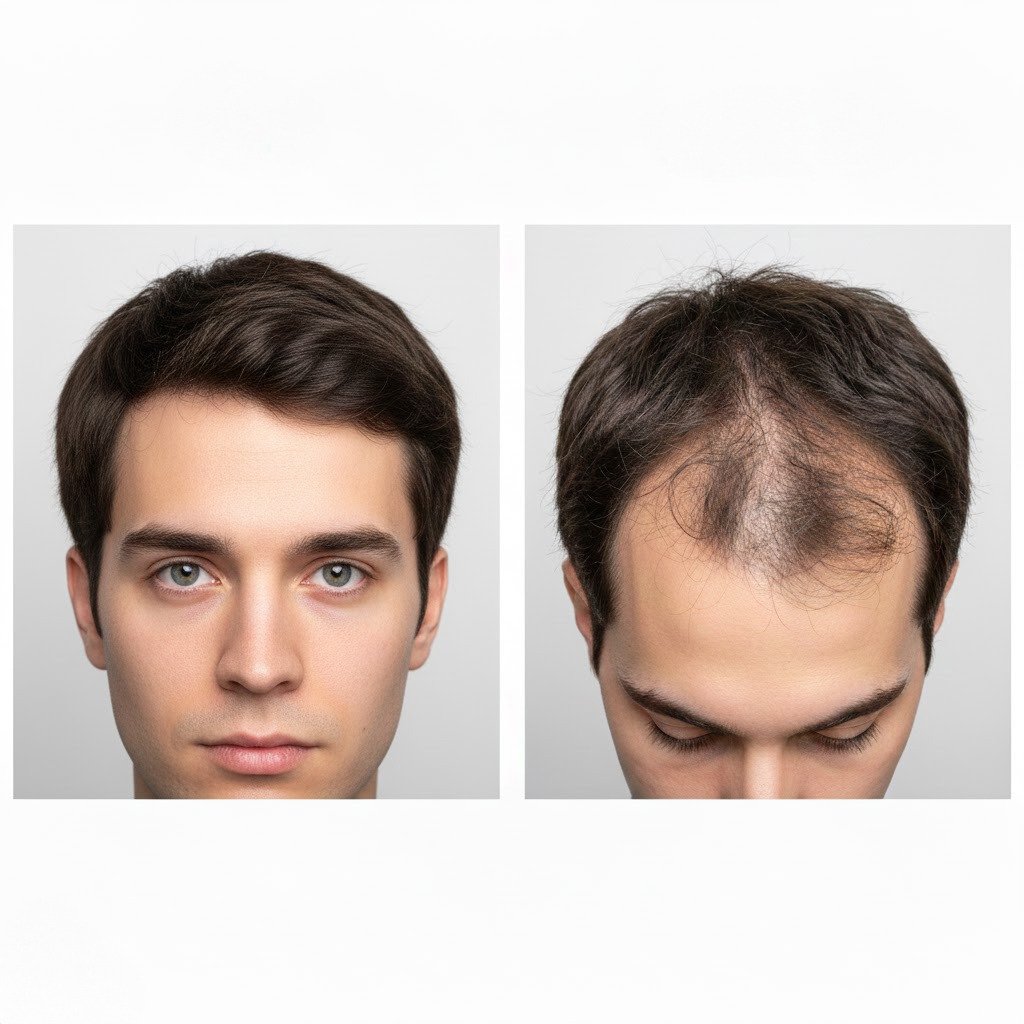
Prima della caduta dei capelli indotta dal citalopram , il cuoio capelluto presenta tipicamente una densità normale e una distribuzione uniforme dei capelli, con un mix equilibrato di capelli spessi e in fase anagen attiva. La consistenza appare omogenea su tutto il cuoio capelluto e l’attaccatura dei capelli mantiene il suo profilo regolare.
Una volta iniziata la caduta dei capelli , i pazienti notano solitamente una maggiore perdita durante il lavaggio o la spazzolatura, piuttosto che la comparsa improvvisa di chiazze prive di capelli. Il fenomeno si manifesta come un diradamento diffuso , in particolare nella parte superiore del capo e sul vertice , mentre l’attaccatura dei capelli rimane generalmente intatta. I singoli capelli appaiono più sottili o fragili , a riflettere la fase telogen temporanea indotta dal farmaco.
Come fermare la caduta dei capelli causata dal citalopram
La perdita di capelli causata dal Citalopram (Celexa) è solitamente temporanea ed è dovuta a un’alterazione del ciclo di crescita del capello. Il recupero dipende dalla stabilizzazione della terapia farmacologica, dal sostegno alla salute dei follicoli e dalla riduzione dello stress fisiologico. Di seguito sono illustrati i principali trattamenti e la loro efficacia nella gestione della caduta dei capelli associata all’uso di Citalopram.
- Modifica della terapia farmacologica: se si verifica una caduta dei capelli dopo aver iniziato l’assunzione di Citalopram o dopo averne aumentato il dosaggio, consultare il medico in merito a una modifica della dose o al passaggio a un altro antidepressivo. L’aggiustamento del dosaggio aiuta l’organismo a riequilibrare i livelli di serotonina e cortisolo, sostanze che influiscono direttamente sui follicoli piliferi. La maggior parte dei pazienti riferisce un netto miglioramento della caduta entro 4–8 settimane dalla modifica della terapia.
- Ottimizzazione nutrizionale: correggere le carenze di ferro (ferritina) , vitamina D , zinco e biotina favorisce una ricrescita dei capelli più robusta. La depressione e l’uso di SSRI riducono l’appetito e l’assorbimento dei nutrienti, rendendo necessaria l’integrazione. Studi clinici dimostrano che il ripristino di questi nutrienti aumenta la densità dei capelli fino al 25-30% nell’arco di tre mesi , in particolare se associato a terapie di stimolazione del cuoio capelluto.
- Trattamenti topici e terapie per il cuoio capelluto: il minoxidil topico (2–5%) , la terapia laser a basso livello (LLLT) o il plasma ricco di piastrine (PRP) migliorano il flusso sanguigno e l’attività follicolare. Tali trattamenti riattivano i follicoli che il citalopram ha indotto a entrare prematuramente nella fase di riposo. I dati provenienti da studi dermatologici indicano un tasso di successo del 60–70% in termini di ricrescita visibile, a seguito di un utilizzo costante per un periodo compreso tra tre e sei mesi .
- Regolazione ormonale e dello stress: il citalopram influisce sull’asse HPA , aumentando i livelli di cortisolo e contribuendo all’insorgenza dell’effluvio telogeno. La gestione dello stress tramite meditazione, yoga o terapia cognitivo-comportamentale aiuta a normalizzare i livelli ormonali e a ridurre la caduta dei capelli. I pazienti che riescono a regolare lo stress e i cicli del sonno spesso osservano una ricrescita significativa nell’arco di due o tre mesi .
- Tempi di recupero naturale: una volta che l’organismo si è adattato al farmaco, i follicoli rientrano gradualmente e spontaneamente nella fase di crescita. La maggior parte dei casi di effluvio telogenico indotto da Citalopram si risolve naturalmente nell’arco di tre-sei mesi e la piena densità dei capelli viene solitamente ripristinata entro la fine del primo anno . Il tasso di recupero supera il 90% se supportato da un’alimentazione adeguata e dalla cura del cuoio capelluto.
Quanto è efficace il trapianto di capelli per trattare la perdita permanente di capelli causata dal citalopram?
Il trapianto di capelli rappresenta un’opzione valida ed efficace per i pazienti in cui la perdita di capelli conseguente all’uso di Citalopram diventa permanente. Sebbene la maggior parte dei casi di caduta dei capelli associata al Citalopram sia temporanea, in rare situazioni il farmaco accelera un’alopecia androgenetica preesistente o causa un diradamento prolungato che non si risolve completamente. In tali casi, la soluzione chirurgica diventa un’opzione concreta a lungo termine.
Il trapianto di capelli ripristina la densità perduta trasferendo follicoli sani dall’area donatrice alle zone soggette a diradamento. I capelli trapiantati sono resistenti alla caduta di origine ormonale o farmacologica, il che ne consente una crescita permanente. Tecniche moderne come la Sapphire FUE e la DHI permettono di ottenere tassi di sopravvivenza degli innesti superiori al 95% , garantendo risultati naturali e duraturi.
Il trapianto di capelli è raccomandato solo una volta che la caduta si è stabilizzata (in genere dopo 6-12 mesi), in modo che non sia più presente un effluvium telogenico attivo. Eseguire l’intervento troppo precocemente compromette, in alcuni casi, la sopravvivenza degli innesti.
Per chi desidera sottoporsi a questo intervento all’estero, la Turchia rimane la destinazione più affidabile grazie alla competenza medica, alla convenienza economica e alla costanza dei risultati chirurgici. Vera Clinic, riconosciuta come la migliore clinica per il trapianto di capelli in Turchia, mette a disposizione tecniche avanzate come la Sapphire FUE e il trattamento con cellule staminali, affiancate dalla terapia Oxycure per una guarigione più rapida e da un kit di cura post-operatoria per un recupero monitorato.
Cosa aspettarsi prima e dopo un trapianto di capelli per la perdita di capelli causata dal citalopram
Prima della procedura, il medico esamina il cuoio capelluto, valuta la densità dell’area donatrice e conferma che la caduta dei capelli associata all’assunzione di Citalopram si sia arrestata. L’intervento viene solitamente eseguito in anestesia locale e dura alcune ore. Nelle prime due settimane si verificano un lieve gonfiore e la formazione di croste.
Dopo l’intervento, i capelli trapiantati cadono entro il primo mese a causa della caduta temporanea da shock, per poi ricominciare a crescere intorno al terzo mese . A sei mesi , la maggior parte dei pazienti nota una densità visibile, mentre i risultati completi si manifestano tra i 10 e i 12 mesi .
Guarda qui le foto del prima e dopo il trapianto di capelli per la perdita di capelli causata dal citalopram presso la Vera Clinic!
Quando rivolgersi a un dermatologo per la perdita di capelli dovuta al citalopram
Dovresti consultare un dermatologo se la caduta dei capelli dopo l’inizio del trattamento con Citalopram diventa eccessiva, persistente o accompagnata da alterazioni visibili del cuoio capelluto.
Una lieve caduta dei capelli durante i primi mesi di trattamento è comune e spesso si risolve spontaneamente; tuttavia, è necessaria una valutazione medica se si nota una delle seguenti condizioni:
- Diradamento dei capelli che persiste oltre i sei mesi dall’inizio o dalla modifica del dosaggio di Citalopram.
- Allargamento della riga dei capelli , aree del cuoio capelluto visibili o zone di calvizie che si sviluppano nel tempo.
- Sintomi associati quali prurito, arrossamento, bruciore o desquamazione del cuoio capelluto.
- Caduta rapida superiore a 100–150 capelli al giorno per diverse settimane consecutive.
- Perdita di volume diffusa che interessa le sopracciglia o la peluria corporea , indicativa di un problema sistemico.
Come viene diagnosticata la perdita di capelli causata da Celexa?
La perdita di capelli associata all’uso di Celexa viene diagnosticata da dermatologi o specialisti in trapianto di capelli mediante esame clinico del cuoio capelluto e tricoscopia, al fine di individuare pattern di caduta diffusa compatibili con il telogen effluvium. Vengono inoltre eseguiti esami del sangue per valutare i livelli di funzionalità tiroidea, ferritina e vitamina D, escludendo così altre cause di diradamento prima di attribuire il fenomeno all’assunzione del farmaco.
Quali altri tipi di antidepressivi SSRI possono causare la caduta dei capelli?
Oltre al citalopram, diversi antidepressivi SSRI sono stati associati alla perdita temporanea di capelli, il più delle volte sotto forma di effluvio telogenico. Il meccanismo è analogo (le variazioni neurochimiche nell’attività della serotonina interferiscono con il ciclo di crescita del capello), ma ogni farmaco differisce leggermente per quanto riguarda l’insorgenza, la durata e la gravità del fenomeno.
1. Fluoxetina (Prozac)
È noto che Prozas causa una lieve e diffusa caduta dei capelli nei primi mesi di trattamento. La maggior parte dei casi di perdita di capelli associata alla fluoxetina si risolve entro tre-sei mesi dalla stabilizzazione o dall’interruzione del trattamento.
2. Bupropione (Wellbutrin)
Sebbene tecnicamente non sia un SSRI, il bupropione viene spesso incluso nei confronti condotti negli studi. La perdita di capelli associata al Wellbutrin mostra un legame più forte con l’alopecia indotta da farmaci rispetto ai farmaci serotoninergici, con un’incidenza dei casi segnalati fino a tre volte superiore.
3. Paroxetina (Paxil)
Il Paxil causa la caduta dei capelli più frequentemente rispetto al Citalopram, in particolare nei pazienti che lo assumono a lungo termine. L’effetto è dose-dipendente e tende a regredire dopo la riduzione graduale del dosaggio.
4. Escitalopram (Lexapro)
L’escitalopram è chimicamente simile al citalopram, ma presenta un profilo di selettività per la serotonina più marcato. La perdita di capelli segnalata con il Lexapro è meno frequente e, di solito, di entità più lieve.
5. Sertralina (Zoloft)
Associata a un effluvium telogen da stress, la perdita di capelli indotta dalla sertralina insorge da uno a tre mesi dopo l’inizio del trattamento e si risolve con l’aggiustamento del dosaggio.
6. Fluvoxamina (Luvox)
È stato raramente segnalato che la fluvoxamina causi la caduta dei capelli, ma casi isolati suggeriscono un quadro di effluvium telogenico reversibile.
Quali antidepressivi non causano la caduta dei capelli?
Non tutti gli antidepressivi sono associati alla perdita di capelli. Alcuni farmaci della classe SNRI (inibitori della ricaptazione di serotonina e noradrenalina) mostrano un’associazione molto più ridotta con l’alopecia indotta da farmaci e sono spesso considerati alternative più sicure per i pazienti sensibili alla caduta dei capelli correlata agli SSRI.
1. Duloxetina (Cymbalta) : nota per una bassa incidenza di perdita di capelli (meno del 3% di tutti i casi segnalati associati agli antidepressivi). Equilibra la serotonina e la noradrenalina senza interferire in modo significativo con la segnalazione follicolare periferica, il che la rende una delle scelte più sicure per i pazienti che hanno riscontrato perdita di capelli durante l’assunzione di SSRI.
2. Desvenlafaxina (Pristiq) : un SNRI stabile con minimi effetti collaterali di natura ormonale o vascolare. I dati di post-commercializzazione non evidenziano praticamente alcun caso confermato di alopecia indotta dal farmaco, suggerendo un’elevata tollerabilità per quanto riguarda la salute dei capelli.
3. Venlafaxina (Effexor XR) : sebbene agisca sia sulla serotonina che sulla noradrenalina, raramente influisce sul ciclo follicolare. La caduta dei capelli, quando si verifica, è transitoria e si risolve con l’aggiustamento del dosaggio.
4. Milnacipran (Savella) : prescritto principalmente per la fibromialgia e utilizzato per la regolazione dell’umore. Non interferisce con il rapporto anagen-telogen e non sono state segnalate perdite di capelli significative.
5. Levomilnacipran (Fetzima) : il più recente SNRI della sua classe, caratterizzato da un’elevata selettività per la noradrenalina. I dati degli studi clinici non mostrano alcun aumento statisticamente significativo dell’alopecia rispetto al placebo.
Questi antidepressivi si distinguono da quelli noti per causare la caduta dei capelli poiché mantengono un effetto neurochimico più equilibrato, senza sovrastimolare le vie serotoninergiche che interferiscono con la microcircolazione del cuoio capelluto o con gli ormoni dello stress. Al contrario, la perdita di capelli associata agli SSRI si verifica quando un’eccessiva attività serotoninergica accorcia la fase di crescita (anagen) dei follicoli.
Come possono i pazienti prevenire la caduta dei capelli durante l’assunzione di citalopram?
Prevenire la caduta dei capelli durante l’assunzione di Citalopram richiede una cura proattiva sia del cuoio capelluto che della salute generale. Segui questi passaggi per ridurre la perdita di capelli e favorirne la ricrescita naturale:
- Mantieni un’alimentazione equilibrata. Consuma cibi ricchi di ferro come spinaci, lenticchie e carne magra, e includi nella tua dieta zinco, vitamina D e biotina. Questi nutrienti rafforzano i follicoli piliferi e riducono il rischio di effluvio telogenico.
- Proteggi il cuoio capelluto con trattamenti delicati. Utilizza shampoo delicati e privi di solfati ed evita l’uso di strumenti a caldo o acconciature che tirano i capelli. Lavare e districare i capelli con delicatezza aiuta a preservare quelli più fragili durante il trattamento.
- Gestisci lo stress in modo efficace. Integra tecniche di rilassamento come lo yoga, la meditazione o la respirazione profonda per bilanciare i livelli di cortisolo, che svolgono un ruolo importante nella caduta dei capelli legata allo stress.
- Dormi a sufficienza ogni giorno. Riposa almeno 7-9 ore a notte per regolare le funzioni ormonali e immunitarie. Un riposo adeguato consente ai follicoli di rigenerarsi e di tornare più rapidamente alla fase di crescita.
- Monitora regolarmente gli esami del sangue. Chiedi al medico di controllare i livelli di tiroide, ferritina e vitamina D ogni pochi mesi. Correggere eventuali carenze riduce notevolmente la caduta cronica dei capelli.
- Inizia presto il supporto topico. Applica il minoxidil (2-5%) al primo segno di perdita di capelli. Stimola la microcircolazione intorno ai follicoli, promuovendo una ricrescita più forte entro pochi mesi.
- Parla con il tuo medico dei tuoi farmaci. Se la perdita di capelli continua, discuti l’aggiustamento della dose o il passaggio a un altro antidepressivo con un rischio di alopecia inferiore, come duloxetina o desvenlafaxina.
- Evita le abitudini dannose per il cuoio capelluto. Smetti di fumare, limita l’alcol ed evita le tinture chimiche o gli esfolianti aggressivi che irritano i follicoli sotto stress serotoninergico.