تعد زراعة الشعر أحد أكثر الحلول فعالية على المدى الطويل لكل من الرجال والنساء الذين يعانون من الصلع أو ترقق الشعر. وسواء كان الهدف هو استعادة خط شعر شبابي، أو ملء المناطق المتفرقة، أو الحصول على كثافة الشعر المنشودة، فإن التقنيات الحديثة مثل استخراج الوحدات الجريبية (FUE) وزراعة الشعر المباشرة (DHI) توفر نتائج طبيعية ودائمة.
يعد اختيار البلد المناسب لإجراء عملية زراعة الشعر قرارًا حاسمًا. فهناك عوامل مثل خبرة الجراح، والتكلفة الإجمالية، والتكنولوجيا المتاحة، والرعاية بعد الجراحة تؤثر بشكل كبير على النتائج. وتبرز دول مثل تركيا وكوريا الجنوبية على الصعيد العالمي، ولكن لأسباب مختلفة: تُعرف تركيا بأنها أكبر مركز عالمي لسياحة زراعة الشعر الدولية، في حين تشتهر كوريا بنهجها الذي يركز على الجمال ونظامها المتطور في مجال الجراحة التجميلية.
من المهم مقارنة زراعة الشعر في كوريا بالتركي لأن كل بلد يجذب مرضى لهم أولويات مختلفة. تفضل مرضى شرق آسيا زراعة الشعر في كوريا بحثًا عن تحسينات دقيقة وطبيعية تتوافق مع معايير الجمال الثقافية. تجذب تركيا أكثر من مليون مريض دولي سنويًا بسبب التكلفة المعقولة، وخبرة الجراحين في إجراء عدد كبير من العمليات، وباقات السياحة الطبية الشاملة.
تؤكد الأبحاث هذه الاختلافات. تحتل تركيا المرتبة الأولى بين الوجهات التي تشهد أكبر عدد من عمليات استعادة الشعر الجراحية على مستوى العالم، وفقًا لنتائج تعداد الممارسات لعام 2022 الصادر عن الجمعية الدولية لجراحي زراعة الشعر (ISHRS)، والتي ربطت بين حجم العمليات وبروتوكولات جراحية متطورة ومعدل بقاء البصيلات. أما التركيز في عمليات زراعة الشعر في كوريا على جماليات خط الشعر ودمجها فيزراعة الشعر ممارسات الجراحة التجميلية الأوسع نطاقًا، فقد أبرزته المراجعة التي نُشرت عام 2020 في مجلة «أرشيفات الجراحة التجميلية» (كوريا). وتوضح هذه النتائج مجتمعةً سبب أهمية تقييم كلا البلدين جنبًا إلى جنب بالنسبة للمرضى الذين يتخذون قرارًا.
مقارنة مع بلدان أخرى:
نظرة عامة على زراعة الشعر في كوريا مقابل تركيا
يتضمن اختيار الوجهة المناسبة لاستعادة الشعر تقييم عوامل مثل مهارة الجراح، والتكنولوجيا، والمعايير الجمالية المتوافقة ثقافيًا ، والبنية التحتية لخدمة المرضى. تتميز كوريا الجنوبية بالتطور في مجال التجميل وبراعة فن تصميم خط الشعر في شرق آسيا، بينما تتصدر تركيا العالم من حيث عدد العمليات، والتكلفة المعقولة، والبنية التحتية للسياحة الطبية . هذه الاختلافات مهمة لأنها تؤثر بشكل مباشر على دقة الجراحة، وراحة المريض، والتناغم الجمالي، والنتائج على المدى الطويل .
تشير مقارنة زراعة الشعر في كوريا وتركيا إلى نهجين متميزين لتحقيق الهدف نفسه: استعادة الشعر بشكل طبيعي ودائم.
- في زراعة الشعر في كوريا، ينصب التركيز على التصميم فائق الدقة لخط الشعر والاتجاه الدقيق وخبرة الفريق المتجذرة في ثقافة غنية بالجماليات. تتخصص العيادات في دمج تقنيات FUE وDHI والتقنيات الناشئة مع البراعة الجراحية لتتناسب مع المثل الجمالية المحلية.
- أما في تركيا، فيركز النظام على الرعاية عالية الإنتاجية، والتوحيد القياسي، والتكلفة المعقولة. تقدم العيادات حزمًا تضم تقنيات متقدمة مثل Sapphire FUE و DHI ضمن باقات شاملة للسفر، مما يضمن بقاء البصيلات واتساق النتائج بأسعار أقل.
تعتمد طرق زراعة الشعر الكورية على الدقة. أدى استخدام مثقاب تذبذب أثناء استخراج FUE إلى زيادة كبيرة في معدل إنتاج البصيلات بنسبة 90.5% مقابل 88.3% مقارنةً بالمثقاب الدوار، وهو فعال بشكل خاص في حالات فروة الرأس الرقيقة وفقًا لـ «حالة بصيلات الشعر الناتجة عن طرق الثقب المختلفة أثناء جراحة FUE » المنشورة في PubMed
تعتمد زراعة الشعر التركية على الحجم والتوحيد القياسي. يقوم الجراحون في إسطنبول وأنقرة بإجراء 300–500 حالة سنويًا بشكل روتيني، مما يؤدي إلى تحسين بقاء البصيلات من خلال التكرار. ويرتبط التحكم الدقيق في منطقة الاستقبال بمعدلات بقاء تزيد عن 95% وفقًا لـ «تأثير منطقة الاستقبال على بقاء بصيلات الشعر ونموها في زراعة الشعر بطريقة FUE»، المنشور في Aesthetic Surgery Journal Open Forum (2021). ويفرض النظام البيئي التركي ذو الحجم الكبير تطبيق هذه البروتوكولات الموحدة في جميع العيادات، مما يضمن نتائج قابلة للتكرار. وبالاقتران مع إطار السياحة الطبية الذي تنظمه وزارة الصحة في البلاد، توفر تركيا مستوى من الاتساق على الصعيد العالمي لا يضاهيه سوى عدد قليل من الدول.
نقاط القوة المميزة في كل بلد- تتميز كوريا الجنوبية بالدقة التجميلية، خاصةً فيما يتعلق ببنية الشعر الآسيوية . يقوم الجراحون بتخصيص اتجاه خط الشعر وتجعيداته وكثافته بعمق تجميلي.
- توفر زراعة الشعر في تركيا خبرة واسعة مع أنواع الشعر المتنوعة وتعطي الأولوية للكفاءة: حيث يُترجم الحجم الكبير إلى تقنيات أكثر دقة ونجاح موثوق به في زراعة البصيلات.
- يستخدم كلا البلدين أدوات متطورة مثل Sapphire FUE و DHI. في تركيا، تُعد هذه الأساليب جزءًا من العروض الشاملة؛ أما في كوريا، فإنها تتوافق مع التخطيط الدقيق والمواءمة الجمالية
كيف تقارن تكلفة زراعة الشعر في كوريا بتكلفتها في تركيا؟
تعد التكلفة عاملاً حاسماً في اختيار المكان الذي ستخضع فيه لعملية زراعة الشعر. فهي تحدد مدى القدرة على تحمل التكاليف وتعكس ما تشمله الباقة: مشاركة الجراح، والتخدير، والرعاية بعد الجراحة، و ما إذا كانت الإضافات مثل الإقامة في الفنادق أو الأدوية مشمولة في الباقة. تُبرز مقارنة تكلفة زراعة الشعر في كوريا مقابل تركيا كيف تنافس تركيا من حيث القيمة من خلال باقات شاملة كليًّا، بينما تركز تكلفة زراعة الشعر في كوريا على الدقة المدفوعة بالجماليات في نطاق سعري أعلى.
تعود التباينات في الأسعار بين المناطق بشكل أساسي إلى مشاركة الجراح وتكاليف التشغيل للعيادة، وليس إلى نتائج الجراحة. تعمل حوافز السياحة العلاجية في تركيا على خفض التكلفة التشغيلية لزراعة الشعر، بينما ترفع البنية التحتية الطبية المتطورة في كوريا الأسعار الأساسية.
| العامل | كوريا | تركيا (عيادة فيرا) |
|---|---|---|
| التكلفة الإجمالية للإجراء | 3,500–10,500 دولار أمريكي حسب عدد البصيلات والعيادة (متوسط الأسعار في سيول أعلى). | 1,500–4,500 دولار شاملة الفندق والنقل والأدوية في حزمة واحدة. |
| متوسط التكلفة (لكل 1000 وحدة زرع) | 2,300–6,500 دولار (حوالي 2.3–6.5 دولار لكل وحدة). | 1,000–2,500 دولار (حوالي 1–2.5 دولار لكل بصيلة). |
| زراعة الشعر بتقنية FUE (لكل جلسة) | 2,300–6,500 دولار أمريكي حسب عدد البصيلات (2,000–3,500 بصيلة عادةً). | 2,000–4,500 دولار لـ 3,000–4,000 بصيلة، طريقة Sapphire FUE القياسية. |
| زراعة الشعر بطريقة DHI (لكل جلسة) | 4,200–8,500 دولار في العيادات المتميزة. | 3,000–5,000 دولار، شائعة في العيادات الرائدة. |
| تقنية Sapphire FUE (لكل جلسة) | عادةً ما تكون مدمجة مع الأسعار المتميزة (5,000–8,000 دولار). | متوفرة على نطاق واسع، السعر القياسي يتراوح بين 2,500 و6,000 دولار في العديد من المراكز. |
| تقنية زراعة الشعر الروبوتية (لكل جلسة) | 7,000–12,000 دولار في عيادات مختارة في سيول تستخدم نظام ARTAS. | تتراوح التكلفة بين 3,000 و6,500 دولار، في عدد أقل من العيادات، ولا يزال يُفضل استخدام تقنية Sapphire FUE على التقنية الروبوتية. |
| رسوم الاستشارة (لكل جلسة) | 50–150 دولارًا، غالبًا ما تُخصم في حالة حجز الجراحة. | مجانية أو 100 دولار، وتضمّنها معظم العيادات في الباقة. |
- تكلفة زراعة الشعر في تركيا: أكثر تكلفة مع الباقات المعيارية ، وهي جذابة بشكل خاص للمرضى الدوليين.
- تكلفة زراعة الشعر في كوريا: تكاليف أعلى مرتبطة بالرعاية الفاخرة التي يقودها الجراح والعيادات التي تركز على الجانب التجميلي.
كيف تقارن جودة عمليات زراعة الشعر في كوريا بتركيا؟
فهم جودة العيادة أمر مهم لأنه يؤثر بشكل مباشر على السلامة، وبقاء البصيلات، والمظهر الطبيعي للنتيجة. فيما يلي نظرة عامة واضحة ومركزة حول المقارنة بين كوريا الجنوبية وتركيا في الأبعاد الرئيسية للجودة، مدعومة برؤى ملموسة ومراجع موثوقة.
| عامل الجودة | كوريا | تركيا (عيادة فيرا) |
|---|---|---|
| خبرة الجراحين | يتخصص الجراحون الكوريون بشكل عميق في فن تصميم خط الشعر لشعر شرق آسيا. وقد كرس الكثيرون حياتهم المهنية في مجال استعادة الشعر. وتشير العيادات المذكورة مثل عيادة سيوجين للجراحة التجميلية إلى إجراء أكثر من 2,100 عملية زراعة باستخدام تقنيات مبتكرة مثل PRP و تحضير البصيلات في غرفة التبريد. | يُجري الجراحون الأتراك في المتوسط مئات الحالات سنويًا. الإشراف الطبي صارم: يخضع الجراحون لتدريب مكثف تفرضه اللوائح الحكومية. |
| الاعتماد الطبي | تعمل كوريا الجنوبية تحت إشراف صارم مثل اعتماد KAHF وتضم مراكز دعم السياحة الطبية في المطارات لضمان تلبية المعايير العالمية للمرضى. | تتبع العيادات في تركيا على نطاق واسع قواعد وزارة الصحة، وغالبًا ما تدعمها اعتراف الجمعية الدولية لجراحة زراعة الشعر (ISHRS) وثقة المرضى الدوليين التي تم بناؤها من خلال النتائج المتسقة. |
| خطط علاج مخصصة | تفضل كوريا التصميم الفريد المخصص لكل مريض، حيث يتم تخصيص اتجاه خط الشعر وتجعيداته وكثافته بعناية فنية و عمق جمالي. | أما العيادات التركية فقد قامت بتبسيط عملية التخطيط المخصص، من خلال رسم الخرائط بقيادة الجراح، وحاسبات البصيلات، والقوالب الموحدة لتقديم نتائج مخصصة على نطاق واسع. |
| معايير سلامة المرضى | تشمل تراخيص كوريا الجنوبية للمستشفيات التي تستقبل المرضى الأجانب تأمين المسؤولية الطبية والرقابة الصارمة، مما يقلل من المخاطر. | تطبق تركيا معايير تدريب الجراحين ولوائح العيادات؛ ومع ذلك، فإن بعض العيادات التي تُصنف على أنها «مصانع شعر» تؤكد على أهمية اختيار المراكز المعتمدة. |
| الرعاية بعد الجراحة | غالبًا ما تكون المتابعة في كوريا عملية مباشرة، وموضحة في بروتوكولات واضحة مع زيارات شخصية متعمقة ودعم منظم للمرضى الدوليين. | تقدم تركيا رعاية عن بُعد قوية عبر التطبيقات والمترجمين و المتابعة المنسقة دوليًا؛ بما في ذلك مجموعات الرعاية اللاحقة والمراقبة عبر WhatsApp. |
| خدمات المرضى الدوليين | تمتلك كوريا بنية تحتية رسمية للسياحة الطبية (مثل العلامة التجارية «Medical Korea»، والمراكز متعددة اللغات، والمنصات الخارجية) التي تلبي احتياجات المرضى الأجانب من خلال وصول خاضع للوائح التنظيمية. | أما تركيا فقد بنت خدماتها بناءً على الطلب الدولي؛ حيث جمعت خدمات النقل والإقامة والترجمة والسياحة في باقات ثابتة. |
| التصميم الفني لخط الشعر | تركز العيادات في كوريا بشكل مكثف على التفاصيل الدقيقة لاتجاه الشعر، والتناسق، والخطوط الجمالية المطلوبة للمرضى من شرق آسيا؛ وتقدم عادةً تقنيات متقدمة مثل PRP، وزرع البصيلات المعقد، والتحضير بالتخزين البارد. | يتمتع الجراحون الأتراك بخبرة عملية عميقة في التعامل مع أنواع وأساليب الشعر المتنوعة، مع التركيز على الكثافة الطبيعية و التناسق؛ وهو أمر مفيد بشكل خاص لعملاء دوليين متنوعين. |
ما هي تقنيات وتكنولوجيات زراعة الشعر المستخدمة في كوريا مقارنةً بتركيا؟
عند اختيار عيادة، فإن الأساليب والتقنيات المستخدمة لا تقل أهمية عن التكلفة. فالأدوات والتقنيات تؤثر بشكل مباشر على النتائج؛ حيث تؤثر على معدل بقاء البصيلات، والدقة، والتعافي، و الرضا العام. فيما يلي تفصيل لما يقدمه كل بلد والأبحاث التي تدعمه.
| الفئة | كوريا | تركيا (عيادة فيرا) |
|---|---|---|
| التقنيات الأكثر شيوعًا | لا تزال تقنيات FUE وDHI وFUT هي المعايير السائدة، مع تطبيق لمسة فنية على تصميم خط الشعر على الطراز الشرقي الآسيوي. تتفوق كوريا الجنوبية في ترميم المناطق الصدغية ودقة الزرع الدقيق. | تسود تقنيتا FUE و DHI. وتتوفر تقنية Sapphire FUE على نطاق واسع وتتمتع بشعبية كبيرة بفضل الشفرات الدقيقة والتحكم في الكثافة |
| توافر الأساليب المتقدمة | تتوفر عمليات زراعة الشعر الروبوتية والعلاجات المدعومة بالخلايا الجذعية في أفضل العيادات. | تتصدر تركيا مجال الأدوات المتقدمة مثل تقنية Sapphire FUE وUNIQUE FUE®، وPRP، والعلاجات المساعدة بالضغط العالي، والتي يتم اعتمادها على نطاق واسع في أفضل المراكز. |
| استخدام التكنولوجيا الروبوتية | تُستخدم الأنظمة الروبوتية، مما يوفر اتساقًا إجرائيًا أعلى ودقة أكبر في حالات محددة. | يُستخدم نظام الاستخراج الروبوتي ARTAS في بعض العيادات، مما يوفر معدلات قطع أقل وبقاءً أفضل للطعم. (“دراسة مقارنة حول تطبيق تقنية استعادة الشعر الروبوتية مقابل الاستئصال التقليدي للوحدات الجريبية في حالات الصلع الوراثي الذكوري” المنشورة في PubMed.) |
| طرق التخدير | التخدير الموضعي هو المعيار، وأحيانًا مع تخدير خفيف، مصمم خصيصًا لتوفير الراحة أثناء الإجراءات المطولة. (شائع في عيادات التجميل في آسيا) | يُستخدم التخدير الموضعي بشكل أساسي مع تخدير خفيف اختياري للجلسات المطولة. عادةً ما تكون مدة الإقامة قصيرة بسبب العدد الكبير من الحالات. |
| الدعم الفني بعد الجراحة | تقدم العيادات في المدن الكبرى تدريبًا شخصيًا على غسل الشعر، ومتابعة رقمية، وأدوات تصوير متطورة لمراقبة نمو الشعر الجديد. | تعد أنظمة الرعاية اللاحقة المنظمة شائعة: تشمل الاستشارات عبر WhatsApp، وتطبيقات الرعاية، وعلاجات PRP المعززة، والمراقبة عن بُعد في معظم الباقات الدولية. |
| الدعم الطبي عن بُعد | استخدام متزايد في السلاسل الكبرى؛ تتوفر الاستشارات والمتابعات الافتراضية ، على الرغم من أنها لا تزال في مرحلة النشوء في العيادات الصغيرة. | اعتماد قوي، مدمج في الباقات الدولية. يستفيد المرضى من التواصل الفوري مع المنسقين و الجراحين بعد الجراحة عبر التطبيقات أو خدمات الترجمة. |
كيف تقارن نتائج زراعة الشعر ومعدلات نجاحها بين كوريا وتركيا؟
عند اختيار وجهة لزراعة الشعر، فإن النتائج هي الأهم. تؤثر معدلات النجاح على مدى طبيعية مظهر النتائج، ومدة استمرار الشعر المزروع، ومدى تكرار حاجتك إلى الرعاية اللاحقة. أدناه، ستجد رؤى دقيقة مدعومة بالأدلة تقارن أداء كوريا و تركيا عبر مقاييس النتائج الرئيسية.
| العامل | كوريا | تركيا (عيادة فيرا) |
|---|---|---|
| معدل النجاح الإجمالي | غالبًا ما يتجاوز 90%، حيث تبلغ نسبة بقاء البصيلات في العيادات الرائدة ما يصل إلى 98% في إجراءات FUE/DHI | مرتفع بشكل عام؛ حيث تبلغ نسبة النجاح في معظم العيادات أكثر من 90%، وتدعي المراكز الرائدة أن النسبة تتراوح بين 95 و99% |
| معدل بقاء البصيلات | تم تسجيل نسبة بقاء تبلغ 92% بعد 6–12 شهرًا من عملية الزرع مع كثافة خاضعة للرقابة وفقًا لدراسة بعنوان «معدل البقاء وفقًا لكثافة الوحدات الجريبية الكورية المكونة من شعرة واحدة باستخدام جهاز زرع الشعر: تجربة مع أربعة مرضى» | تشير التقديرات العامة إلى أن معدل البقاء يتراوح بين 90–95% في العيادات التركية |
| نتائج كثافة الشعر | تباعد كثيف ودقيق يتماشى مع المعايير الجمالية؛ مدعومًا بالدقة الجراحية في الاستخراج والزرع | يُعد الزرع عالي الكثافة أمرًا شائعًا، بفضل الكفاءة و تقنيات FUE المتقدمة |
| خط شعر ذو مظهر طبيعي | مصمم خصيصًا لتركيبة الوجه في شرق آسيا بتفاصيل دقيقة و اتجاه خفيف. | خطوط طبيعية جيدة عبر أنواع الشعر المتنوعة؛ يتم تحقيقها من خلال الخبرة الواسعة والقوالب المُحسّنة |
| الوقت اللازم للحصول على نتائج ملحوظة | يلاحظ المرضى نموًا واضحًا للشعر في غضون 3–4 أشهر، وتظهر النتيجة الكاملة في غضون 12–18 شهرًا | تطور مشابه: يبدأ النمو في غضون 3–4 أشهر، وتظهر النتائج الكاملة في غضون 12 شهرًا في معظم العيادات |
| معدل رضا المرضى | مرتفع؛ تم الإبلاغ عن نسبة رضا تزيد عن 95% في عيادات زراعة الشعر الآسيوية التي تركز على الدقة | قوي؛ تبلغ العديد من العيادات عن نسبة رضا تتراوح بين 95 و98% بين المرضى الدوليين |
| ظهور المشاهير/الشهادات | تكتسب زخمًا؛ تزايد الظهور على وسائل التواصل الاجتماعي بين المؤثرين في شرق آسيا والعملاء المهتمين بالتجميل. | ظهور بارز؛ تشتهر تركيا بنشر آلاف صور «قبل وبعد» عبر المنصات العالمية. |
| حجم المرضى الدوليين | مستقر ولكنه آخذ في النمو. تجذب كوريا الجنوبية 500,000 سائح طبي أجنبي سنويًا، بما في ذلك حالات التجميل | ضخم: تستضيف تركيا أكثر من مليون عملية زراعة شعر سنويًا؛ ويمكن القول إنها تمثل نصف الحجم العالمي في هذه الفئة. |
تحليل زراعة الشعر في كوريا مقابل تركيا
عند مقارنة زراعة الشعر في كوريا وتركيا، لا يقتصر تقييم المرضى على الجراحة نفسها فحسب. فالسمات الرئيسية مثل التكلفة، وخبرة الجراح، ومعايير السلامة، والتقنيات، وخدمات المرضى، كلها تؤثر بشكل مباشر على بقاء البصيلات، وتصميم خط الشعر الطبيعي، و الرضا العام.
للتبسيط، تشير علامة ✅ (علامة الخضراء) إلى الأداء الأفضل، بينما تشير علامة ❌ (الصليب الأحمر) إلى النقاط التي يتخلف فيها أحد البلدين مقارنةً بالآخر. يسلط هذا التحليل الضوء على ما يهم حقًا عند اتخاذ قرار مستنير: شفافية التكلفة، وما تشمله العلاجات، والرعاية اللاحقة، ومعدلات النجاح على المدى الطويل.
| كوريا | المعيار | تركيا (عيادة فيرا) |
|---|---|---|
| ❌ أعلى (بمتوسط 3,500–8,000 دولار) | التكلفة الإجمالية للإجراء | ✅ أقل (1,500–6,000 دولار شاملة الفندق + النقل) |
| ❌ 2,000–2,500 دولار | التكلفة المتوسطة (لكل 1000 بصيلة) | ✅ 1,400–2,000 دولار |
| ✅ جلسات مصقولة وصغيرة الحجم | زراعة الشعر بتقنية FUE (لكل جلسة) | ✅ زراعة FUE واسعة النطاق وعالية الكثافة (يمكن زراعة عدد أكبر من البصيلات يومياً) |
| ✅ العيادات المتميزة تقدم تقنية DHI (4,000–7,000 دولار) | زراعة الشعر بتقنية DHI (لكل جلسة) | ✅ متوفرة على نطاق واسع (3,000–5,000 دولار) |
| ❌ نادرة ومحدودة جدًا | تقنية FUE بالياقوت (لكل جلسة) | ✅ معيارية في معظم العيادات الرائدة |
| الروبوتات المتطورة في عيادات مختارة في سيول (ARTAS) | تقنية زراعة الشعر الروبوتية (لكل جلسة) | ❌ متوفرة لكنها أقل استخدامًا (تسود تقنية FUE بالياقوت اليدوية ) |
| ❌ تكلفة الاستشارة تتراوح بين 50 و200 دولار | رسوم الاستشارة (لكل جلسة) | ✅ مجانية في معظم الباقات |
| ✅ جراحون ماهرون في التصميم الفني، وعدد حالات أقل في اليوم | خبرة الجراح | ✅ يتولى الجراحون 300–500+ حالة سنويًا، مما يعزز الدقة |
| ✅ اعتمادات وزارة الصحة والرعاية الاجتماعية ومؤسسة كويا للصحة | الاعتماد الطبي | ✅ اعتمادات JCI و ISO ووزارة الصحة |
| ✅ خطط علاجية مخصصة | خطط علاج مخصصة | ✅ التصوير الرقمي، ورسم خرائط الكثافة، والتصميمات المخصصة |
| ✅ قواعد صارمة خاصة بالمستشفيات الحكومية | معايير سلامة المرضى | ✅ تعقيم وفقًا لمعايير منظمة الصحة العالمية، واستعداد قوي لحالات الطوارئ |
| ✅ متابعة شخصية شائعة | الرعاية بعد الجراحة | ✅ رعاية ما بعد الجراحة منظمة، ومتابعة عبر واتساب، وتطبيقات للمتابعة |
| ❌ إجادة محدودة للغة الإنجليزية في المراكز الأصغر حجمًا | خدمات المرضى الدوليين | ✅ خدمات شاملة (مترجمون، خدمات النقل، حزم فندقية مجمعة) |
| ✅ تركيز على الجراحة التجميلية لشرق آسيا | تصميم فني لخط الشعر | ✅ نطاق أوسع يشمل الحالات الأفريقية والشرق أوسطية والأوروبية الحالات |
| ✅ معايير FUE و DHI | التقنيات الأكثر استخدامًا | ✅ FUE، DHI، Sapphire FUE (معيارية) |
| ✅ أبحاث الروبوتات والخلايا الجذعية في مستشفيات مختارة | توافر الأساليب المتقدمة | ✅ PRP، والإكسوسومات، وعلاج Oxycure للتعافي مستخدمة على نطاق واسع |
| ✅ استخدام ARTAS في عيادات سيول | استخدام التكنولوجيا الروبوتية | ❌ يقتصر على بعض العيادات المتميزة |
| ✅ التخدير المهدئ + التخدير الموضعي شائع | طرق التخدير | ✅ التخدير الموضعي (التخدير العام اختياري) |
| ✅ معظم التقييمات مكتوبة من قبل مستخدمين حقيقيين | الدعم الفني بعد الجراحة | ✅ تطبيقات عن بُعد، معززات PRP، منسقون متاحون على مدار الساعة |
| ✅ حضور متزايد للطب عن بُعد | الدعم الطبي عن بُعد | ✅ قوي ومعياري في الباقات الدولية |
| ✅ نسبة نجاح تتراوح بين 95 و98% في المستشفيات الرائدة | معدل النجاح الإجمالي | ✅ 95–99% في العيادات ذات الحجم الكبير |
| ✅ 92–95% (بيانات دراسة كورية) | معدل بقاء الطعم | ✅ 95–98% بشكل روتيني |
| ✅ كثافة عالية ودقة فنية | نتائج كثافة الشعر | ✅ كثافة عالية، بقاء مرتفع |
| ✅ تصميم طبيعي ممتاز، يركز على المظهر الآسيوي | خط شعر ذو مظهر طبيعي | ✅ مظهر طبيعي للغاية لجميع الأعراق |
| ❌ 12–18 شهرًا للحصول على النتائج الكاملة | المدة اللازمة للحصول على نتائج ملحوظة | ✅ 8–12 شهرًا للحصول على النتائج الكاملة |
| ✅ 95–98% (استطلاعات العيادات الآسيوية) | معدل رضا المرضى | ✅ 95–98% رضا عالمي |
| ❌ تأثير متزايد للمشاهير المحليين | ظهور المشاهير/الشهادات | ✅ آلاف الحالات العالمية قبل/بعد العلاج |
| ❌ 500,000 سائح طبي أجنبي (جميع أنواع العلاجات) | عدد المرضى الدوليين | ✅ حوالي 1.5 مليون عملية زراعة شعر في عام 2024 (نصف السوق العالمية) |
- تتميز عمليات زراعة الشعر في كوريا بالرعاية المتخصصة التي تعتمد على الدقة، مع خيارات روبوتية ومهارة فنية فائقة، ولكن بتكاليف أعلى و على نطاق أصغر.
- تتميز عيادات زراعة الشعر في تركيا بأسعارها المعقولة، وبنيتها التحتية الدولية، وحجم عمليات الزراعة العالمية، مما يجعلها الخيار المفضل دائمًا للمرضى الباحثين عن نتائج مثبتة على نطاق واسع .
ما هي مزايا زراعة الشعر في كوريا مقارنة بتركيا؟
تتميز زراعة الشعر في كوريا بعدة مزايا كما هو موضح أدناه.
- التكنولوجيا والتقنيات المتقدمة: تدمج كوريا الروبوتات والتخطيط المدعوم بالذكاء الاصطناعي في الإجراءات.
- تركيز كبير على الجمال والمظهر الطبيعي: تركيز قوي على تناغم الوجه والخطوط الناعمة والطبيعية.
- انخفاض مخاطر ظهور الندبات: غالبًا ما تستخدم العيادات مثاقبًا دقيقة للغاية.
- التكامل مع الخبرة التجميلية: غالبًا ما يتم الجمع بين استعادة الشعر وطب الأمراض الجلدية والجراحة التجميلية.
- صناعة طبية خاضعة لرقابة صارمة: ترخيص وتنظيم صارم من قبل وزارة الصحة.
- برامج رعاية ما بعد الجراحة المخصصة: تشمل المتابعة طويلة الأمد علاجات فروة الرأس القائمة على طب الأمراض الجلدية.
التكنولوجيا والتقنيات المتقدمة
تشتهر كوريا بدمج الروبوتات والتخطيط المدعوم بالذكاء الاصطناعي في عمليات استعادة الشعر، لا سيما في مستشفيات سيول المتخصصة في الأمراض الجلدية. وتجرب بعض العيادات أنظمة رسم خرائط الكثافة بالذكاء الاصطناعي لتقليل الإفراط في استخراج الشعر وتخطيط توزيعه بدقة أكبر. ويوفر ذلك منظورًا فريدًا قائمًا على التكنولوجيا للمرضى الباحثين عن إجراءات مخصصة للغاية. وتتمتع تركيا بتبني قوي للأساليب المتقدمة، تقنيات زراعة الشعرحيث تتصدر تقنيتا Sapphire FUE وOxycure Therapy قائمة الابتكارات المعترف بها عالميًا.
تركيز كبير على الجمال والمظهر الطبيعي
غالبًا ما يجمع الجراحون الكوريون بين زراعة الشعر ومبادئ طب الأمراض الجلدية التجميلي، مما يضمن نتائج تتناغم مع نسب الوجه. وتعد هذه ميزة مقارنة بتركيا بالنسبة للمرضى الذين يولون الأولوية للفن المستوحى من صناعة التجميل. ويتأثر النهج الكوري بشدة بمعايير «K-beauty»، حيث يتم التركيز على زوايا الصدغ الدقيقة وخطوط الشعر الناعمة. تقدم تركيا مظهرًا طبيعيًا للغاية، لكن تركيزها غالبًا ما ينصب على الكثافة، وقد أثبتت فعاليتها في مجموعات متنوعة من المرضى، بما في ذلك أنواع الشعر الأفرو والشرق أوسطي.
انخفاض مخاطر ظهور الندبات
تستخدم العيادات الكورية عادةً مثاقبًا ذات محركات دقيقة فائقة الدقة (يصل حجمها إلى 0.6–0.7 مم)، مما يقلل من مخاطر ظهور الندبات في تقنيتي FUT وFUE مقارنةً بالطرق القديمة. وهذا أمر جذاب بشكل خاص للمرضى الذين يرتدون تسريحات شعر قصيرة. تركيا تركز على ندبة زراعة الشعرتقليل الندبات إلى أدنى حد ممكن من خلال استخدام شفرات الياقوت وأنظمة المثاقب الدقيقة، وغالبًا ما يدعم ذلك خبرة الجراحين في إجراء ما بين 3,000 إلى 5,000 جلسة زراعة دون استنزاف ملحوظ للمنطقة المانحة.
التكامل مع الخبرة التجميلية
غالبًا ما يتم دمج زراعة الشعر في كوريا ضمن خطط علاج تجميلية أوسع نطاقًا (تنحيف خط الفك، جراحة الجفون، أو طب الأمراض الجلدية). بالنسبة للمرضى الباحثين عن «باقة تجميلية شاملة»، تمتلك كوريا البنية التحتية اللازمة للتنسيق بين التخصصات المتعددة في مستشفى واحد. تقدم تركيا رعاية متكاملة، لكن قوتها تكمن في باقات السياحة العلاجية التي تقترن فيها زراعة الشعر بإجراءات طب الأسنان أو الإجراءات التجميلية، بدلاً من الخطط التجميلية التي يقودها طب الأمراض الجلدية.
صناعة طبية خاضعة لرقابة صارمة
تفرض وزارة الصحة الكورية رقابة صارمة على الإعلانات الطبية، وتراخيص ممارسة الجراحة، ودعاوى سوء الممارسة الطبية، مما يضمن مستوى أعلى من المساءلة للعيادات. وهذا يوفر الطمأنينة للمرضى الذين يشعرون بالقلق من عدم اتساق المعايير. في كوريا، لا يُسمح قانونًا إلا لأطباء الأمراض الجلدية أو جراحي التجميل بإجراء عمليات زراعة الشعر، على عكس بعض البلدان التي يعمل فيها فنيون بشكل مستقل. تطبق تركيا اللوائح التنظيمية من خلال وزارة الصحة، وتلتزم العيادات الرائدة مثل عيادة فيرا (Vera Clinic) باعتماد JCI الدولي، مما يمنحها مصداقية تضاهي النظام الصارم المعمول به في كوريا.
برامج الرعاية اللاحقة المخصصة
غالبًا ما تتضمن العيادات الكورية متابعات طويلة الأمد قائمة على طب الأمراض الجلدية، مثل العلاج بالليزر أو العناية بفروة الرأس، إلى جانب العلاج بالبلازما الغنية بالصفائح الدموية (PRP). وتستمر بعض البرامج لمدة تتراوح بين 12 و18 شهرًا، حيث تمزج بين طب الأمراض الجلدية التجميلي والرعاية الجراحية بعد العملية. ويُعد هذا النموذج جذابًا للمرضى المقيمين في منطقة آسيا والمحيط الهادئ الذين يعودون لإجراء زيارات متكررة. أما تركيا، فقد نظمت نظام الرعاية بعد العملية، من خلال عمليات الفحص الرقمية، والمراقبة عبر تطبيق «واتساب»، والتطبيقات المتكاملة لما بعد الجراحة، مما يجعلها أكثر عملية للمرضى الدوليين البعيدين.
ما هي مزايا زراعة الشعر في تركيا مقارنةً بكوريا؟
تتميز عملية زراعة الشعر في تركيا بعدة مزايا كما هو موضح أدناه.
- أسعار أكثر معقولية: تقدم تركيا متوسط أسعار حزم علاجية أقل مقارنةً بكوريا.
- عدد كبير من العيادات المتخصصة: تضمن الكثافة العالية للعيادات تنوع الخيارات والمنافسة.
- باقات السياحة العلاجية الشاملة: تشمل الجراحة والإقامة الفندقية ووسائل النقل والرعاية اللاحقة.
- إجراءات زراعة عدد كبير من البصيلات: يقوم الجراحون بإجراء جلسات ضخمة تتجاوز 4,000 بصيلة يوميًا.
- أوقات انتظار أقصر: تقلل السعة الكبيرة من التأخير في تحديد المواعيد.
- سمعة طيبة كمركز عالمي لزراعة الشعر: يتم إجراء أكثر من مليون عملية سنويًا في تركيا.
أسعار أكثر تنافسية
تتمتع تركيا بميزة سعرية كبيرة. عادةً ما تتراوح تكلفة عملية زراعة الشعر بتقنية Sapphire FUE التي تتراوح بين 3,500 و4,000 بصيلة في اسطنبول بين 2,000 و4,500 دولار شاملة جميع التكاليف، بينما تتجاوز تكلفة نفس الإجراء في سيول 6,000 إلى 10,000 دولار دون الإقامة. تجذب هذه الأسعار المعقولة أعدادًا كبيرة من المرضى من أوروبا ودول الخليج. غالبًا ما تثبت العيادات التركية تكلفة زراعة الشعر في تركياالأسعار باليورو أو الدولار لحماية المرضى الدوليين من تقلبات أسعار العملات؛ وهو أمر غير شائع في كوريا، حيث تُفوتر التكاليف بالوون الكوري (KRW) وتتغير وفقًا لأسعار الصرف.
عدد كبير من العيادات المتخصصة
يوجد في تركيا أكثر من 500 مركز مسجل لزراعة الشعر، يعمل الكثير منها حصريًّا في مجال استعادة الشعر. وتؤدي هذه الكثافة إلى خلق منافسة، مما يدفع عجلة الابتكار والخدمات التي تركز على المريض. وعلى النقيض من ذلك، يوجد في كوريا عدد أقل من المراكز المتخصصة؛ حيث تُجرى معظم عمليات زراعة الشعر في مستشفيات التجميل العامة. ويضمن هذا التخصص في تركيا اتباع بروتوكولات محسّنة وخبرة تراكمية أعلى للجراحين.
باقات السياحة العلاجية الشاملة
يتميز النموذج التركي بباقاته الشاملة السلسة، التي تغطي الفنادق من فئة 4 إلى 5 نجوم، ووسائل النقل الخاصة، والجراحة، والتخدير، والأدوية، ومستلزمات الرعاية اللاحقة. وهذا يوفر للمرضى تكلفة نهائية واضحة. أما كوريا، فعلى الرغم من تقديمها جراحات عالية الجودة، فإنها غالبًا ما تفصل بين هذه الخدمات، مما يتطلب من المرضى حجز الفنادق ووسائل النقل بأنفسهم. ويجعل النهج السياحي المتكامل في تركيا هذا البلد وجهة جذابة بشكل خاص للمرضى الأجانب.
عمليات زراعة ذات عدد كبير من البصيلات
يشتهر الجراحون الأتراك بإجراء جلسات ضخمة تتراوح بين 4,000 و5,000+ وحدة زرع في يوم واحد، وهو أمر أقل شيوعًا في كوريا حيث تميل عمليات الزرع إلى أن تكون أصغر حجمًا (2,000–3,000 وحدة زرع). وهذا يتيح لتركيا معالجة حالات نوروود المتقدمة بكفاءة أكبر، مما يقلل من الحاجة إلى إجراء عمليات متعددة. وتظل نسبة الطعمالبقاء على قيد الحياة مرتفعة (>90٪) حتى في الجلسات الكبيرة، عندما يتم توحيد البروتوكولات وفقًا لـ «المنتدى المفتوح لمجلة الجراحة التجميلية (2021)»؛ وهو نموذج تتبناه العيادات التركية على نطاق واسع.
أوقات انتظار أقصر
تؤدي الكثافة العالية للعيادات إلى تمكن المرضى من تحديد مواعيد إجراء العمليات في تركيا في غضون 2–3 أسابيع. أما في كوريا، فغالبًا ما يكون لدى العيادات المتميزة قوائم انتظار أطول (تصل إلى 2–3 أشهر)، خاصةً عند دمجها مع باقات التجميل. تجعل فترات الانتظار الأقصر في تركيا من البلاد وجهة جذابة للمرضى الدوليين الذين يخططون لرحلات طبية ذات مرونة محدودة.
سمعة تركيا كمركز عالمي لزراعة الشعر
تعد تركيا المركز الأكثر ازدحامًا في العالم لزراعة الشعر، حيث تُجرى فيها أكثر من مليون عملية سنويًا من أصل ما يقدر بـ 4.3 مليون عملية على مستوى العالم في عام 2024. ولا يقتصر هذا الحجم على إظهار الشعبية فحسب، بل يضمن أيضًا قيام الجراحين بصقل تقنياتهم عبر مختلف الأعراق وأنواع الشعر. تحظى كوريا بالاحترام على المستوى الإقليمي، لكن تركيا قد رسخت مكانتها بالفعل كمعيار مرجعي في مجال استعادة الشعر على مستوى العالم.
لماذا يلجأ الناس إلى زراعة الشعر في تركيا؟
يختار الناس تركيا لإجراء عمليات زراعة الشعر لأن البلاد تجمع بين التكلفة المعقولة، والخبرة الجراحية العالية، ونظام السياحة الطبية المصمم خصيصًا للمرضى الدوليين. مقارنةً بكوريا، تقدم تركيا عمليات على نطاق أوسع، وباقات شاملة، وأوقات انتظار أقصر.
يبلغ متوسط تكلفة الإجراء الواحد في تركيا ما بين 2,000 و6,500 دولار أمريكي شاملة جميع التكاليف، في حين تتراوح التكلفة في كوريا غالبًا بين 6,000 و10,000 دولار أمريكي دون تضمين الإقامة. وهذا يجعل تركيا وجهة جذابة بشكل خاص للمرضى القادمين من أوروبا ودول الخليج وأمريكا الشمالية، الذين يحققون وفورات كبيرة مع الاستفادة في الوقت نفسه من أساليب متطورة مثل تقنيتي Sapphire FUE وDHI.
وهناك سبب آخر وهو الخبرة الجراحية. حيث يجري الجراحون الأتراك مئات إلى آلاف الحالات سنويًا، وغالبًا ما يتعاملون مع أنواع شعر متنوعة (أوروبي، وشرق أوسطي، وأفريقي). وعلى النقيض من ذلك، فإن السوق الكوري أكثر محلية، حيث غالبًا ما يتم دمج الإجراءات في باقات الجراحة التجميلية بدلاً من مراكز زراعة الشعر المتخصصة ذات الحجم الكبير.
لا تنبع ميزة تركيا من جودة العمليات الجراحية الفردية فحسب، بل من الأنظمة الموحدة المطبقة في مئات العيادات؛ مما يعني أن المريض الذي يختار بين عيادتين تركيتين من المرجح أن يتلقى رعاية متسقة. تتوافق بروتوكولات بقاء البصيلات في تركيا (مثل محلول التخزين المبرد، والحد الأدنى من وقت بقاء البصيلات خارج الجسم) مع تلك الواردة في الأدبيات الأكاديمية، مما يضمن الحفاظ على الجودة حتى في المنشآت ذات الحجم الكبير. تتفوق كوريا في الدقة والجماليات؛ خاصةً بالنسبة لخطوط الشعر في شرق آسيا، لكنها تفتقر إلى النظام السياحي المتكامل في تركيا وحجم الإجراءات.
يرتبط نجاح تركيا بحجمها الهائل. تحتل تركيا باستمرار المرتبة الأولى كوجهة عالمية لزراعة الشعر، حيث تُجري أكثر من مليون عملية سنويًّا من أصل ما يُقدَّر بـ 4.3 مليون عملية على مستوى العالم في عام 2024 (تعداد الممارسات الصادر عن الجمعية الدولية لجراحي زراعة الشعر (ISHRS) لعام 2022). يضمن هذا الحجم توحيد البروتوكولات وصقلها، مما يعزز معدلات بقاء البصيلات (95–98٪) ورضا المرضى. تتمتع كوريا بخبرة تجميلية قوية، لكن قطاع زراعة الشعر فيها لا يزال أصغر حجمًا، مما يحد من ظهورها أمام المرضى الدوليين.
لماذا تختار عيادة فيرا (Vera Clinic) لزراعة الشعر في تركيا؟
تُعرف عيادة فيرا بأنها أفضل عيادة لزراعة الشعر في تركيا، وتحظى بثقة آلاف المرضى الدوليين، كما حازت على جائزة «الجوائز الأوروبية في الطب». وتعود سمعة العيادة إلى فريقها الذي يضم بعضًا من أفضل جراحي زراعة الشعر في تركيا، المتخصصين في التقنيات المتقدمة مثل Sapphire FUE وDHI.
تم تصميم كل باقة من باقات زراعة الشعر في عيادة فيرا خصيصًا للمرضى الدوليين، وهي شاملة بالكامل. تغطي الباقات الإقامة الفندقية، والنقل من وإلى المطار، والجراحة مع التخدير، والأدوية بعد الجراحة، والتدريب الإرشادي على الغسيل الأول. يحصل المرضى على إمكانية الاستفادة من علاج أوكسيكير (Oxycure Therapy) الحصري لعيادة فيرا، وهي طريقة تعافي غنية بالأكسجين تساعد على تحسين بقاء البصيلات وتقليل التورم. زراعة الشعر في عيادة فيرا كلينيكالتكلفة شفافة، ويمكن للمرضى طلب تفاصيل مفصلة عن عدد البصيلات والتقنيات وجميع الخدمات المشمولة، مما يضمن عدم وجود أي رسوم خفية.
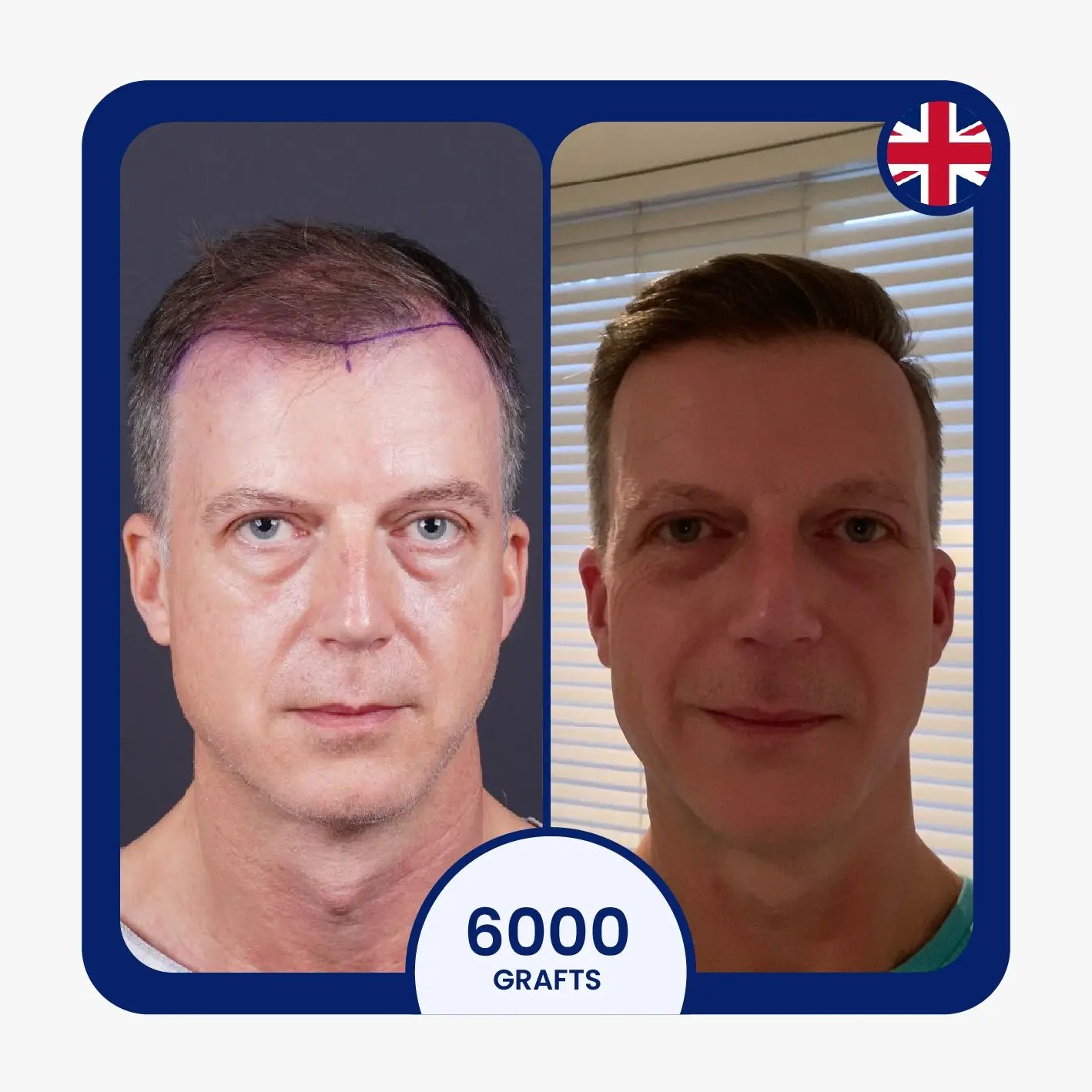
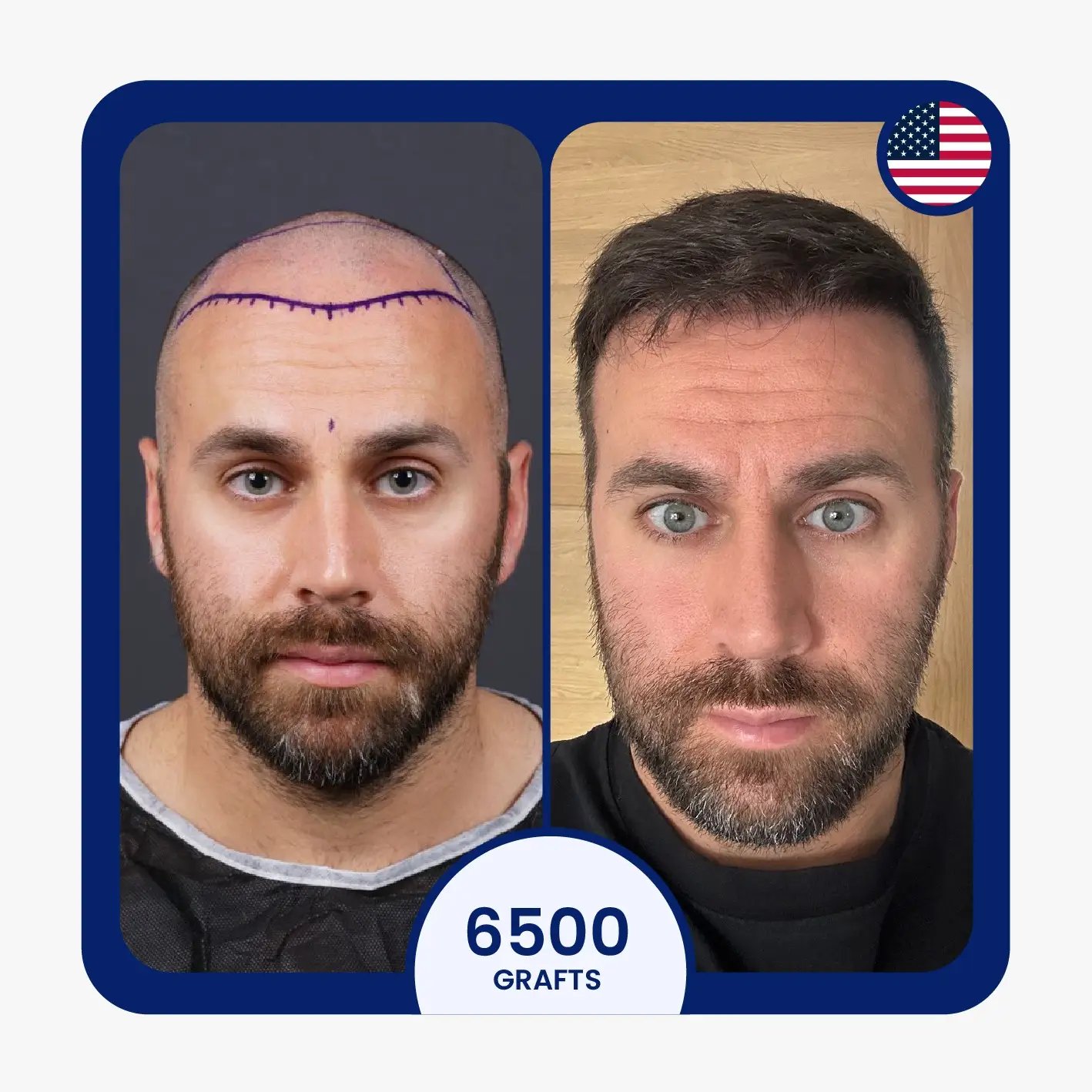
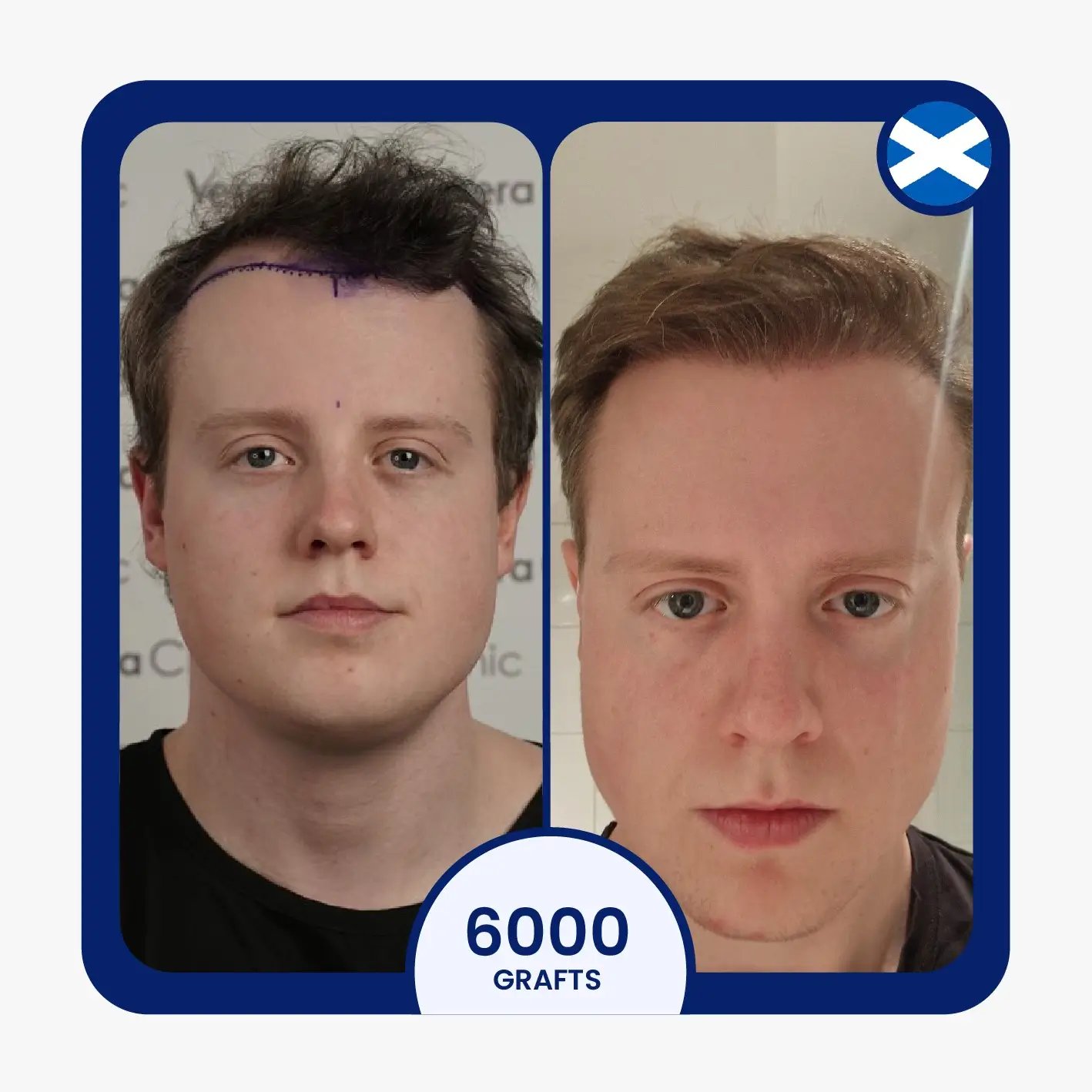
كيف تبدو عملية زراعة الشعر في تركيا قبل وبعد؟
تُظهر زراعة الشعر في تركيا تحولًا واضحًا في كل من الكثافة وطبيعية خط الشعر عند مقارنة النتائج قبل وبعد العملية. غالبًا ما يحقق المرضى الذين يعانون من تراجع خط الشعر، أو ترقق منطقة التاج، أو الصلع المتقدم، نموًا مرئيًا للشعر في غضون 6 إلى 12 شهرًا.
فيما يلي مجموعة من الصور التوضيحية التي تعرض حالات زراعة الشعر في تركيا قبل وبعد العملية.